






Preservation and revitalization of historic buildings spurring Jacksonville’s growth
Writer: Pablo Marquez

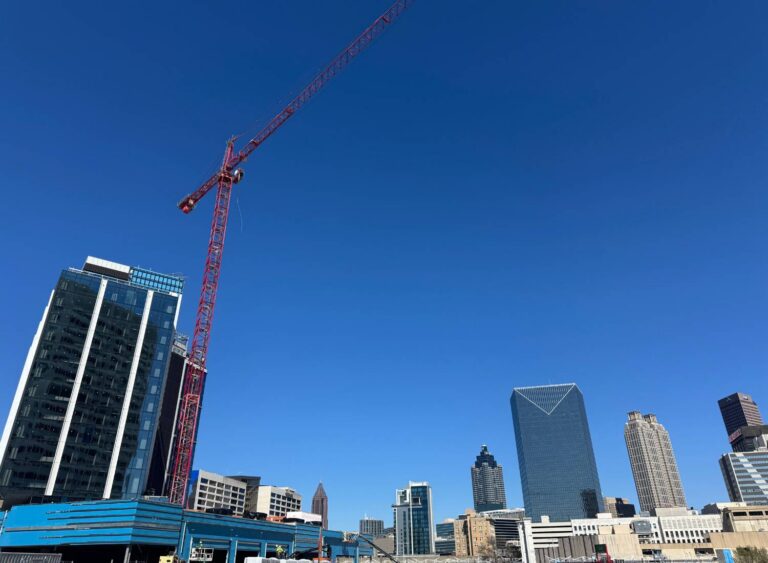
March 2025 — Jacksonville’s growth is reflected within all the revitalization projects that are taking place throughout the downtown and Eastside neighborhoods. As the population grows and businesses relocate and expand, the city is prioritizing the redevelopment of these areas to meet increasing demands. Multiple local organizations and groups are stepping up and partnering in order to drive these revitalization efforts forward. Exploring the untapped potential of Jacksonville’s underserved and underdeveloped neighborhoods and communities will provide an array of opportunities for the region as a whole.
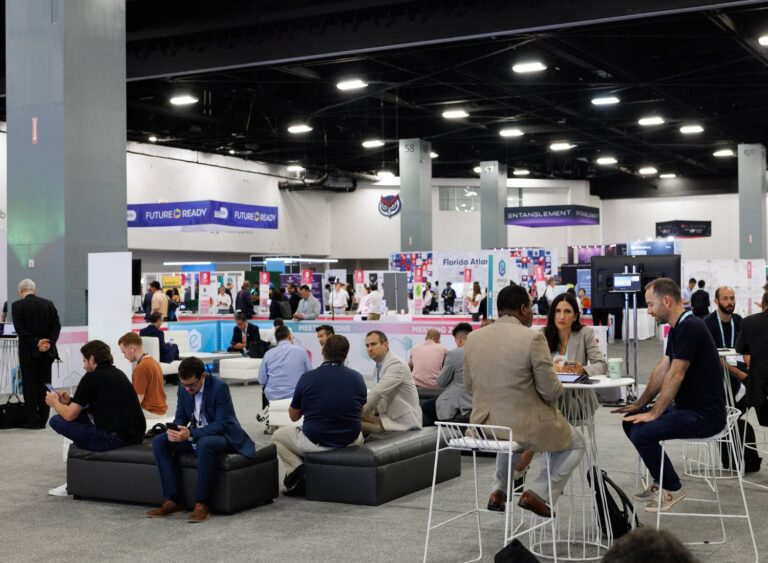
“Public-private partnerships can be a good initiative to revitalize historic buildings in Jacksonville. We need to look at our local residents in Jacksonville, use public-private partnerships as a means to make local citizens thrive. In 10 years, I would love Jacksonville to be the case study for what other cities want to mirror themselves like,” said Brittany Culbreth, president and co-owner of Emerald C’s Development at the recent Invest: Jacksonville leadership and networking conference.
The Downtown Preservation and Revitalization Program (DPRP), led by the Downtown Investment Authority (DIA), focuses on the preservation and revitalization of vacant, underutilized, or deteriorating historic and qualifying non-historic buildings in downtown Jacksonville. The program supports historic projects requesting over $100,000 in funding, as well as non-historic code compliance projects.
“Local culture is extremely important for resident communities,” said Matthew Marshall, senior vice president of development at RISE, adding on to Culbreath’s comments. “Preserving historic buildings in Jacksonville’s downtown will be a testimony to the city’s strong cultural heritage. From a strategic planning standpoint, we have to work closely with investors and with the city’s elected officials in order to promote infrastructure developments. In 10 years, Jacksonville’s general population is going to grow significantly. Redeveloping the downtown core will be essential to address the needs of this growing population.”
A key initiative aimed at supporting Jacksonville’s Historic Eastside is the Community Benefits Agreement (CBA). This agreement, finalized in September 2024 between Mayor Donna Deegan’s administration and the Jacksonville Jaguars, outlines the benefits the community will gain in return for backing the development project. The $150 million investment in the Eastside represents an unprecedented financial boost to local infrastructure, a level of funding not seen in decades.
“We must promote more business in all of Jacksonville’s neighborhoods, we need to build retail and housing that is both affordable and accessible. Affordable housing and mixed-use has been successfully brought to the Eastside neighborhood, a shining example of revitalization in Jacksonville. Waterfront access to the river or the beaches will also play a part in the city’s revitalization efforts. Public and private partnerships will be key to funding all of these development projects,” Nasreen Ali, past president of the Jacksonville Real Estate Investors Association (Jax REIA), added at the conference.
Jacksonville’s historic buildings play a key role in driving the local economy, but face challenges when it comes to revitalization. A recent study by the National Trust for Historic Preservation highlighted that areas with older, smaller buildings tend to have more small businesses, start-ups, creative companies, and women and minority-owned businesses, as well as more diverse populations. However, these areas encounter unique obstacles to revitalization compared to suburban neighborhoods.
Jacksonville business leaders agree that both preservation and revitalization will be crucial aspects to make the most out of the city’s historic buildings. Recent projects include the overhaul of the Phoenix Arts District, as those spaces are being redeveloped for artists and small businesses. There are also efforts to have historical designation granted to the neighborhood of LaVilla due to its history as a cultural center for blues, jazz, and ragtime.
For more information, visit: