



Spotlight On: Aysegul Timur, President, Florida Gulf Coast University (FGCU)
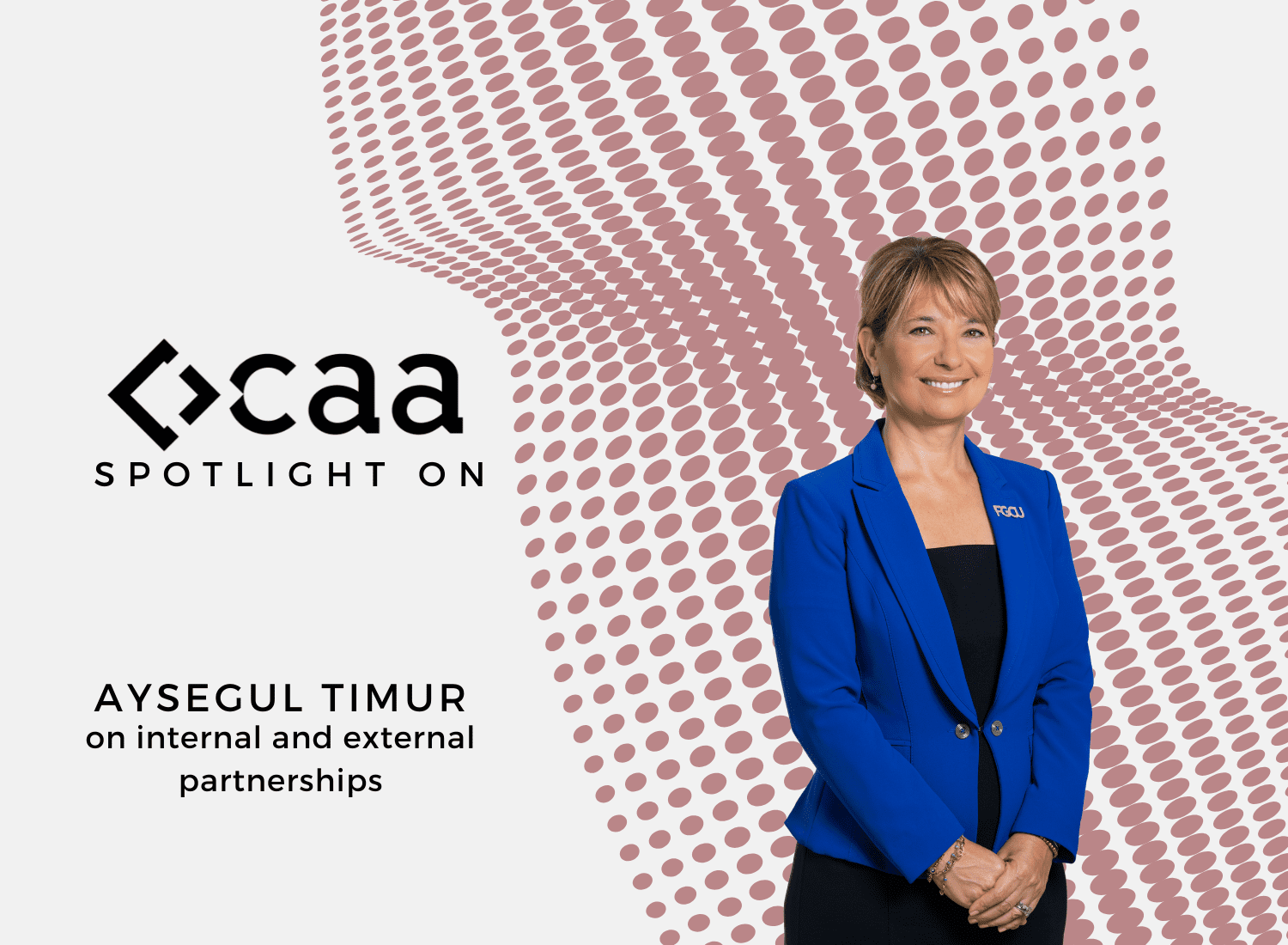 February 2025 — In an interview with Invest: Tampa Bay, President Aysegul Timur of Florida Gulf Coast University, highlighted the completion of FGCU’s five-year strategic plan and the development of industry-aligned micro-credentials with partners like Arthrex. She also emphasized FGCU’s regional impact through The Water School and its top-ranked nursing program.
What have been your most significant achievements and priorities since stepping into the role?
Sitting in this position for 18 months has been an incredible journey. When I first started, I was excited but admittedly a bit nervous. This is such a great institution, and I wanted to do justice to the role. Now, 18 months later, I am even more excited about what this institution has accomplished, what we are currently doing, and what lies ahead.
By training, I am an economist, and I tend to view things through the lens of maximizing collective effort. Right before my predecessor, Dr. Mike Martin, left, we initiated the Strategic Roadmap Initiative. I set an ambitious goal: to complete a five-year strategic plan for 2024-2029 within my first six months. I’m proud to say we achieved that goal. With incredible teamwork, we finished the strategic plan, secured approval from the FGCU Board of Trustees, and the Florida Board of Governors.
The plan, titled Innovating for Student Success: FGCU’s Journey to Excellence, centers on supporting programs and initiatives that help students find success — both in and out of the classroom. At its core, our institution is student-centric, focusing on ensuring our graduates possess the knowledge, skills, and abilities to meet today’s workforce and business expectations. Today, every member of our campus community knows our direction: innovating for student success. After finalizing the institutional plan, I asked every unit and individual to develop their plans in alignment with it.
Another priority was communication. I believe communication is the oxygen of institutional culture, so I focused on building a strong communication structure. Every week, I share updates from the top, ensuring transparency and encouraging an effective communication culture across campus.
What collaborations have you pursued to enhance skill-building or expand opportunities for faculty and students?
Partnerships, both internal and external, are vital to aligning academics with workforce needs. Being student-centric means understanding what’s happening in the business environment, nonprofit sector, government agencies, and economic development organizations. These collaborations help bring current workforce expectations into our classrooms.
One standout example is our partnership with Arthrex, a global leader in the medical device industry based in our region. When I met with their CEO and founder, Reinhold Schmieding, he shared the skills and expertise needed in their industry. In response, we worked with our academic leaders and faculty to build solutions.
We now host Arthrex Day annually, where students explore career opportunities in the medical device industry. We also developed medical device industry micro-credentials and digital badges that equip students with industry-specific knowledge. Arthrex guarantees interviews for students who earn these badges, creating a direct talent pipeline from FGCU to this global leader.
This model has been replicated with other major employers in our region. For example, Hertz Corporation, headquartered in Estero, with whom we have a strong relationship, Lee Health, the region’s largest healthcare provider, for whom we created specialized micro-credentials, as well as Gartner, NeoGenomics and Naples Comprehensive Health Systems, to name a few. Through these collaborations, we have significantly expanded internships and job-shadowing opportunities.
One of the goals in our strategic plan is for 100% of FGCU students to graduate with at least two experiential learning opportunities. These partnerships ensure we are preparing students for meaningful careers while meeting workforce demands.
How is FGCU incorporating technological advances into the curriculum?
AI and data sciences are top priorities for us. We are fortunate to have several faculty champions leading the way in integrating AI into our curriculum. FGCU’s Lucas Center for Faculty Development plays a pivotal role here. It’s a space where faculty come together to share best practices and adapt their teaching methods to include AI and data science. Also, we are home to the Dendritic Institute, which aims to pioneer groundbreaking solutions while preparing the next generation of professionals who are specialized in AI and data science.
Additionally, we offer students extracurricular opportunities to engage with these technologies. For example, we have micro-credentials and continuing education programs in AI and data sciences, giving students hands-on experience and industry-relevant skills.
How would you describe the state of higher education here? What key trends are you observing?
Florida is a national leader in higher education, and I’m proud to be part of that. Florida is consistently ranked as the #1 state for higher education by US News & World Report, which is a testament to our commitment to access, affordability, and high-quality education.
I’m particularly grateful for the leadership of the State University System of Florida, our Board of Governors, and our chancellor, Ray Rodrigues. They challenge us daily to prioritize these pillars, ensuring students have access to an affordable, world-class education.
Florida’s focus on excellence, coupled with its emphasis on aligning academics with workforce needs, sets the standard for the nation. It’s truly an honor to be part of this system.
How is FGCU engaging with the local community to address opportunities and challenges?
When you think of Southwest Florida, FGCU is deeply integrated into the community. From the day we opened our doors, the community embraced FGCU, and we embraced them in return. FGCU is inseparable from the Southwest Florida community, it’s a relationship rooted in mutual support.
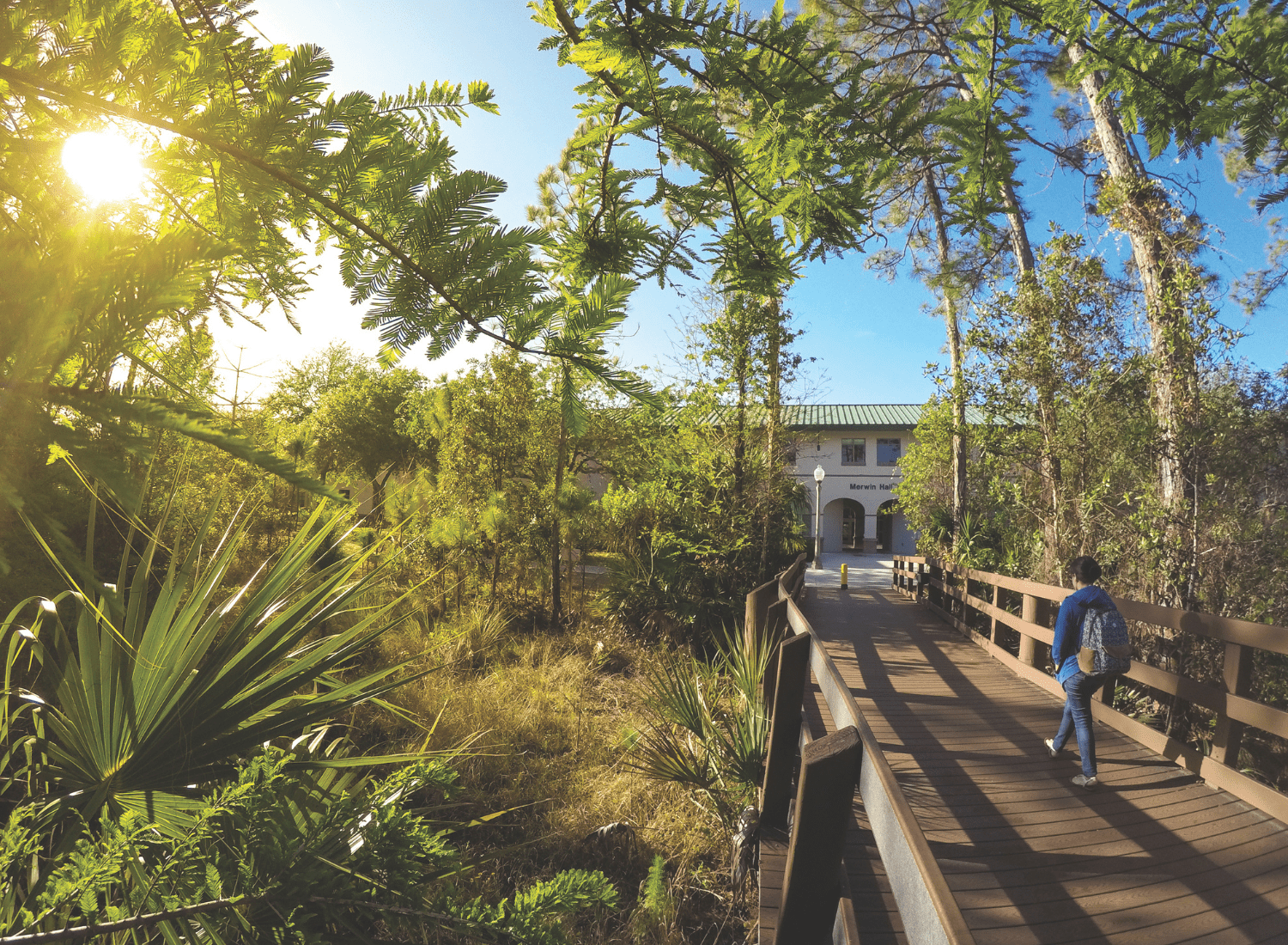
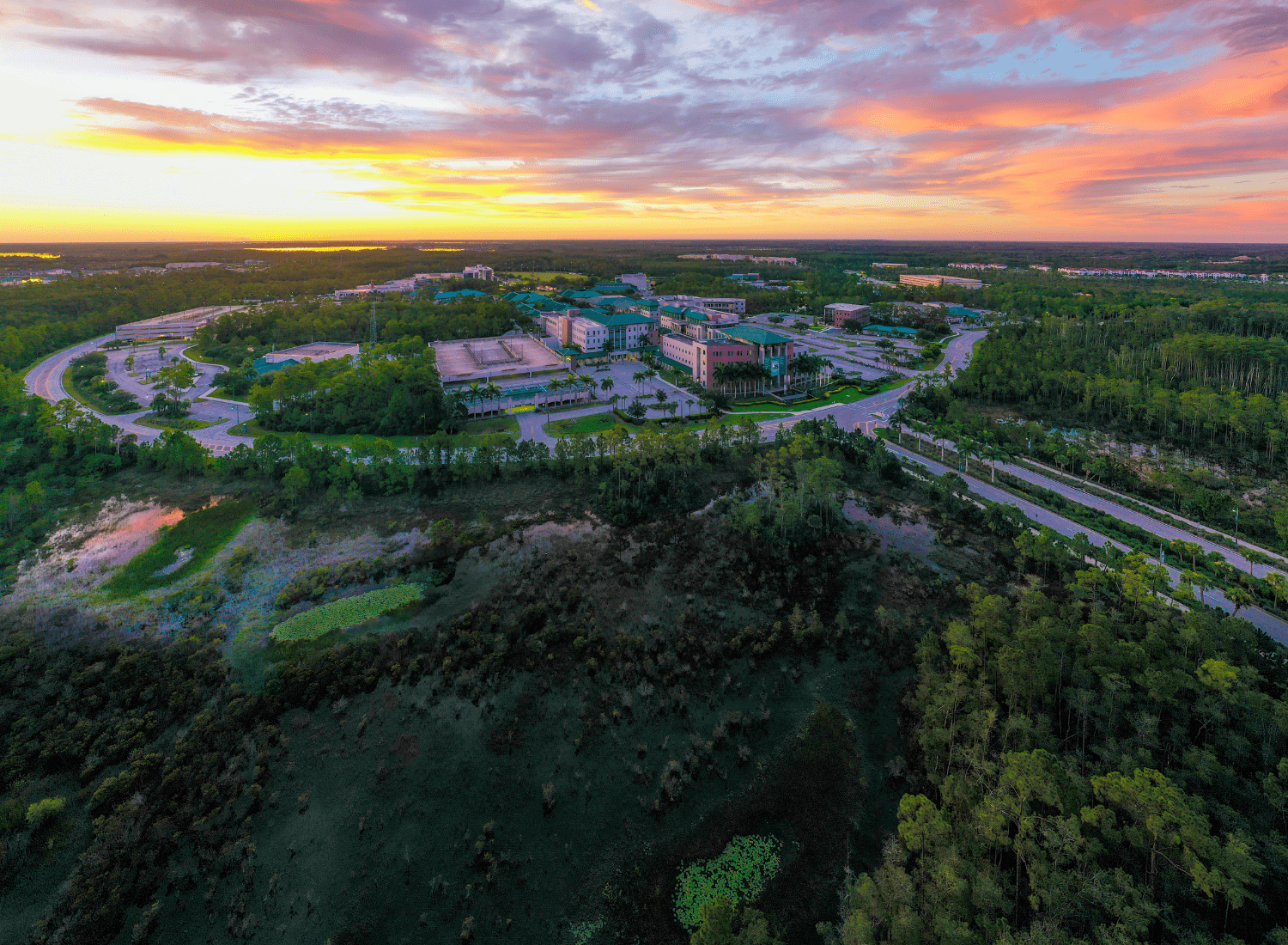
For example, if you walk around our nearly 28-year-old campus, you’ll notice that many of our buildings are named after esteemed community leaders. While our alumni are young — the average age is just 34 — the names on our buildings represent those who believed in FGCU’s mission from the very beginning.
Our commitment to the community is further exemplified by our service-learning requirement for undergraduates. Every FGCU student is required to complete 80 hours of service in the region to graduate. While they may initially see this as a challenge, most students far exceed this requirement, graduating with an average of over 200 hours. This connection to the community is evident in the work they do: volunteering at hospitals, nonprofits, government agencies, and more.
Beyond service, FGCU fosters community engagement through cultural and athletic events. Our Bower School of Music & the Arts hosts performances both on campus and in the community, while our athletic teams, including our nationally recognized basketball team from “Dunk City,” attract community members to campus.
FGCU is also a hub for knowledge-sharing, hosting lectures, conferences, and events that bring the community and campus together. This dynamic relationship ensures that we’re not just part of Southwest Florida, we’re essential to its fabric.
How do you see FGCU continuing to shape the economic and social fabric of Southwest Florida?
FGCU is the engine of the skilled workforce in Southwest Florida. Employers across the region consistently tell us that FGCU graduates are their preferred hires. This growing region depends on us, and we grow alongside it.
One area where we make a significant impact is through our Water School, which focuses on water quality, a critical issue for the region’s economy, from tourism and hospitality to real estate. The State of Florida recognizes the importance of this work and recently provided $32 million to support our efforts. Through research and education, we’re addressing the challenges of water quality and ensuring sustainability for the region’s future.
FGCU also collaborates closely with local governments, economic development agencies, and chambers of commerce to drive regional growth. We’re not just responding to current needs but anticipating the region’s future challenges and opportunities.
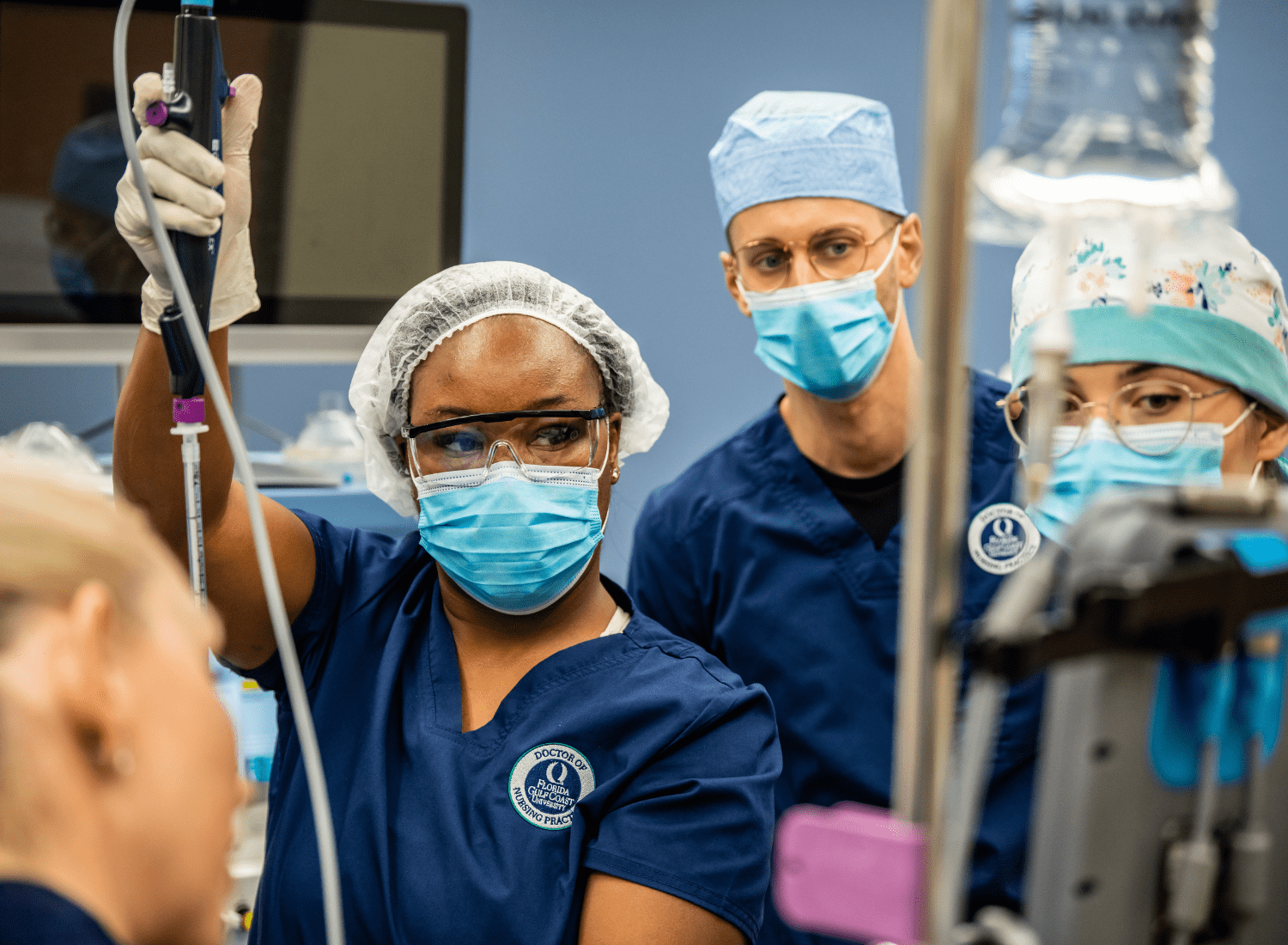
I want to highlight that FGCU has the No. 1 nursing school in Florida. This isn’t just a title, it’s based on outcomes. Our nursing students have a 100% first-time pass rate on the national nursing examination. We are proud to say we’re ahead of even other top institutions across the state.
We are also at the forefront of positive aging initiatives. Through a partnership with the Shady Rest Foundation, we’ve established the Institute for Positive Aging, which is focused on addressing the needs of our region’s large senior population. This is another example of how FGCU aligns its programs with regional demands while leading innovation in areas that matter locally, nationally, and globally.
Images provided by Florida Gulf Coast University
For more information, please visit: