






Spotlight On: Carla Curiel, Director, Babson College Miami
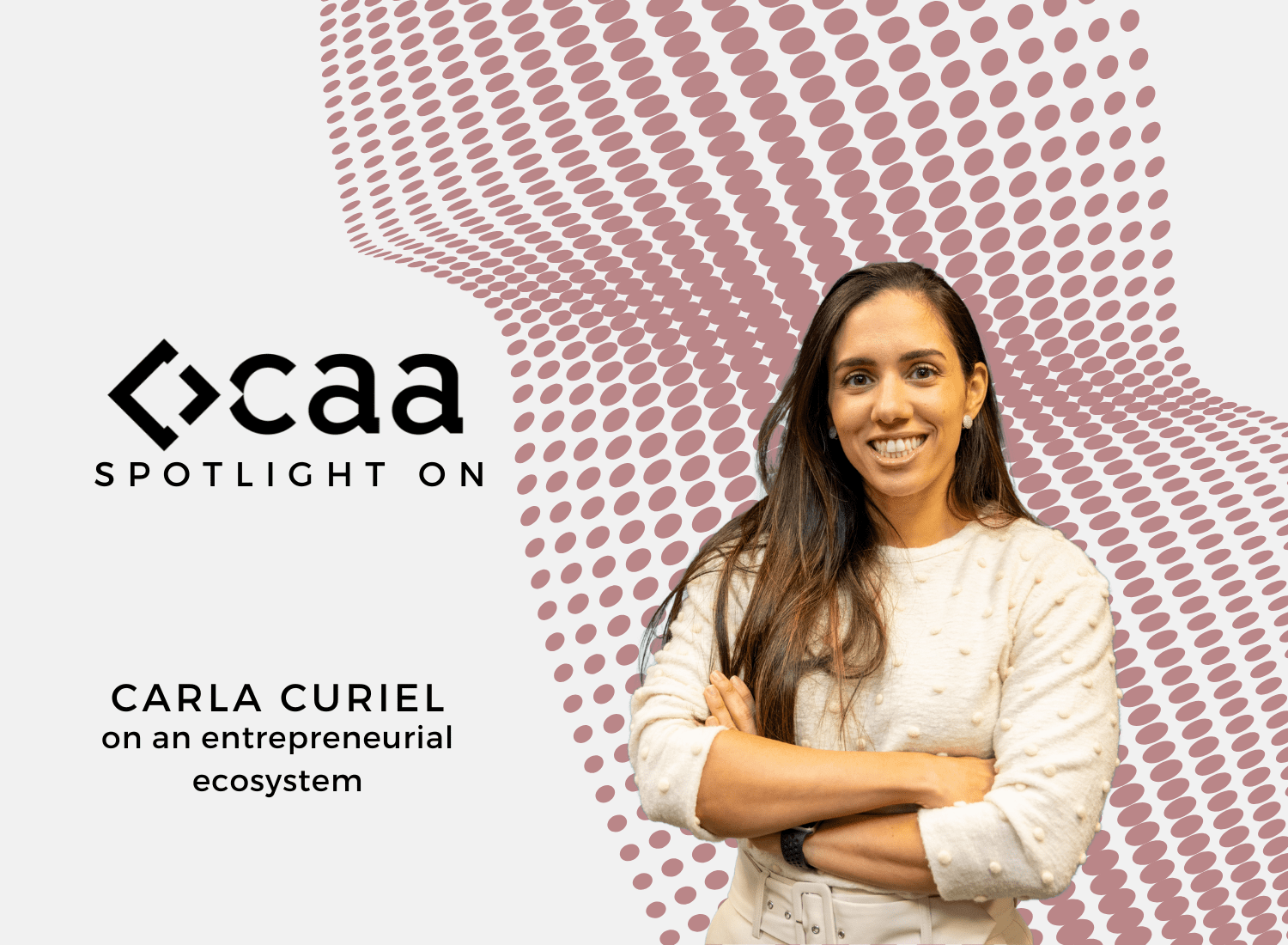
January 2025 — In an interview with Invest:, Carla Curiel, director of Babson College Miami, discussed the institution’s milestones, its role in Miami’s entrepreneurial ecosystem, trends in entrepreneurial education, and how Babson is fostering innovation through student projects, partnerships, and tailored corporate programs.
What have been some significant milestones for Babson College Miami over the past year?
I took on the role of director at Babson College Miami a little over a year ago, and I’ve witnessed an exciting evolution. When Babson Miami first came to the city, it mirrored a startup phase, building its presence and programs, particularly the Blended MBA program, which was foundational under the previous director.
The onset of COVID interrupted our momentum. Being based in Massachusetts, we adhered to strict health guidelines, which meant scaling back activities. Now, in a post-COVID era, Babson Miami has entered a new phase of growth. This year, in particular, has been transformative. Our Blended MBA program has its largest cohort to date. We’ve also launched our first executive education program on AI and entrepreneurial leadership.
Beyond academics, we’ve activated our campus with events to enhance the student and alumni experience. Babson has the third-largest alumni base in South Florida, behind Boston and New York, so we’re engaged in hosting high-profile speakers and discussions on critical topics.
One milestone I’m especially proud of is hosting the Latinx Startup Hub Tour, a national initiative supporting Latino entrepreneurs. We partnered with Mana Tech to create a platform for Latino founders from Miami and across Latin America to showcase their work. The event included educational opportunities, workshops, and culminated in a pitch competition where the top five companies competed for $35,000 in non-dilutive funding.
These initiatives bridge entrepreneurship and community, especially for Latinx entrepreneurs. We also opened the competition to Latin American applicants, welcoming founders looking to establish and grow their businesses in Miami. This inclusivity reflects Babson Miami’s commitment to fostering innovation and leadership across the Americas.
Miami is recognized as a vibrant startup hub. How is Babson Miami leveraging its presence in this market to benefit students and alumni?
Babson Miami actively taps into the city’s entrepreneurial energy. We host regular events, bringing in successful entrepreneurs and thought leaders. For example, we welcomed Emilio Ambranson, a Miami-based entrepreneur who recently exited his company for over $650 million, to speak about mergers, acquisitions, and strategic growth, and Melissa Medina, president of eMerge Americas.
We’ve partnered with organizations like Miami Angels, offering opportunities to learn about pitching, term sheets, and valuations. A highlight is the Babson Miami Rise and Thrive Breakfast Series, where we host monthly sessions led by Babson’s centers and institutes.
The Blank Center for Entrepreneurship provides resources like incubators, accelerators, mentorship, and pitch practices. We bring this and other centers — focused on areas like franchise innovation, social innovation, health innovation, family enterprises, and women’s entrepreneurial leadership — to Miami for targeted programming. Topics have included sustainability, resilience, and challenges in finance and tech.
In addition to morning events, we host evening panels and workshops featuring alumni like Aaron Schwarzkopf, founder of Ecuador’s first unicorn, Kushki. At Emerge Americas, we spotlighted his entrepreneurial journey and lessons learned at Babson.
We’re also diversifying our educational offerings. From two-hour sessions to multi-day executive programs, Babson Miami is creating a learning ecosystem beyond traditional graduate programs. For example, Babson Academy, our entrepreneurship education division, will arrive in Miami next May to help local and Latin American educators integrate entrepreneurial curriculum into K-12 programs, furthering our mission of lifelong learning.
What are the biggest trends in entrepreneurial education, and how is Babson adapting to stay ahead?
A significant trend is the growing focus on AI. Babson is equipping faculty, leadership, and students to use AI tools ethically and effectively. Instead of restricting tools like ChatGPT, we teach students to leverage them responsibly.
Thanks to a recent grant, we’re opening The C. Dean Metropoulos Institute for Technology and Entrepreneurship which will have a strong focus on AI. At Babson’s Wellesley campus, we have a dedicated space called the Generator for prototyping and experimenting with AI tools, and we aim to expand these capabilities to Miami.
Another trend is the emphasis on experiential, hands-on learning, which Babson has long championed. This year, Babson was ranked No. 2 by the Wall Street Journal for its commitment to practical education. For example, undergraduates receive funding to start businesses, while graduate students in Miami tackle real-world challenges like launching a business with just $5.
Our approach combines theory with application, ensuring students and alumni are prepared to create value in the real world.
What are some examples of the entrepreneurial projects Babson students have undertaken?
One innovative project was a platform offering discounts for local businesses to the Babson community. Students had just hours to set it up, kept it live for 24 hours, and raised thousands of dollars.
Another involved consulting businesses to identify pain points, such as marketing or traffic, and offering solutions as part of a paid project, earning hundreds of dollars per client.
A particularly creative project secured retail products on consignment. Students negotiated with a retailer for upfront products, sold them on campus, and returned unsold items while sharing the proceeds. This required them to build trust, to negotiate, and execute it in less than an hour, which are key entrepreneurial skills.
These exercises emphasize teamwork and collaboration. Students often leverage their networks to access resources, which is especially valuable for those from outside Miami. Our Blended MBA program includes participants from Latin America — countries like Peru, Chile, Colombia, and Mexico — as well as Canada, Spain, Chicago, and New York. This diversity is a vital resource for innovation and growth.
At Babson, we encourage students to start with what they have and take small, actionable steps. This aligns with our Entrepreneurial Thought and Action (ETA) philosophy, helping students focus on progress over perfection. It’s this mindset that distinguishes Babson students as proactive, resourceful, and resilient leaders.
What are your top priorities for Babson Miami over the next few years?
A top priority is solidifying Babson’s presence in Miami. Despite our accomplishments, many people still don’t realize we’re here, and I want to change that.
I also aim to expand our program offerings. Currently, our MBA requires a 21-month commitment. To meet diverse needs, I envision offering more flexible options, ranging from one-day workshops to five-day deep dives, month-long hybrid programs. These would focus on topics such as angel investing, scaling businesses, or strategic innovation.
Another priority is strengthening Babson’s role in Miami’s entrepreneurial ecosystem. We’re collaborating with organizations like Mana Tech, Emerge Americas, Miami Angels, and Endeavor to support entrepreneurs through educational resources while learning from their challenges.
Babson is also a key participant in MIT’s Regional Entrepreneurship Accelerator Program (REAP), which helps regions develop their entrepreneurial ecosystems. Miami, part of the 11th cohort, joins regions like Botswana, Edmonton, and Valparaíso, Chile. Over two years, we work with stakeholders, including government officials, educational institutions, entrepreneurs, venture capitalists, and corporations, to address challenges like the talent gap and funding shortages.
We’re deeply engaged in initiatives like these, collaborating with key players like the Beacon Council, Mayor Daniella Levine Cava, and DARPA. Babson Miami is committed to being a major contributor to the city’s growth as a global entrepreneurial hub.
How does Babson work with corporate partners to support innovation and workforce development?
Babson collaborates with corporate partners to upskill and reskill their workforce. We’ve worked with companies like ACI, Bancolombia, Pfizer, and Uber to deliver tailored programs.
Some partnerships involve open enrollment courses, like our AI and entrepreneurial leadership workshop, but most are custom programs addressing challenges such as go-to-market strategies, innovative business models or leadership development. These often include capstone projects where participants tackle real-world issues under faculty guidance.
This customized education helps corporations stay ahead in a fast-changing world. Babson’s blend of academic expertise and practical application makes us a valuable partner for Miami-based companies looking to innovate and future-proof their strategies.
For more information, please visit:
https://www.babson.edu/visit-babson/