






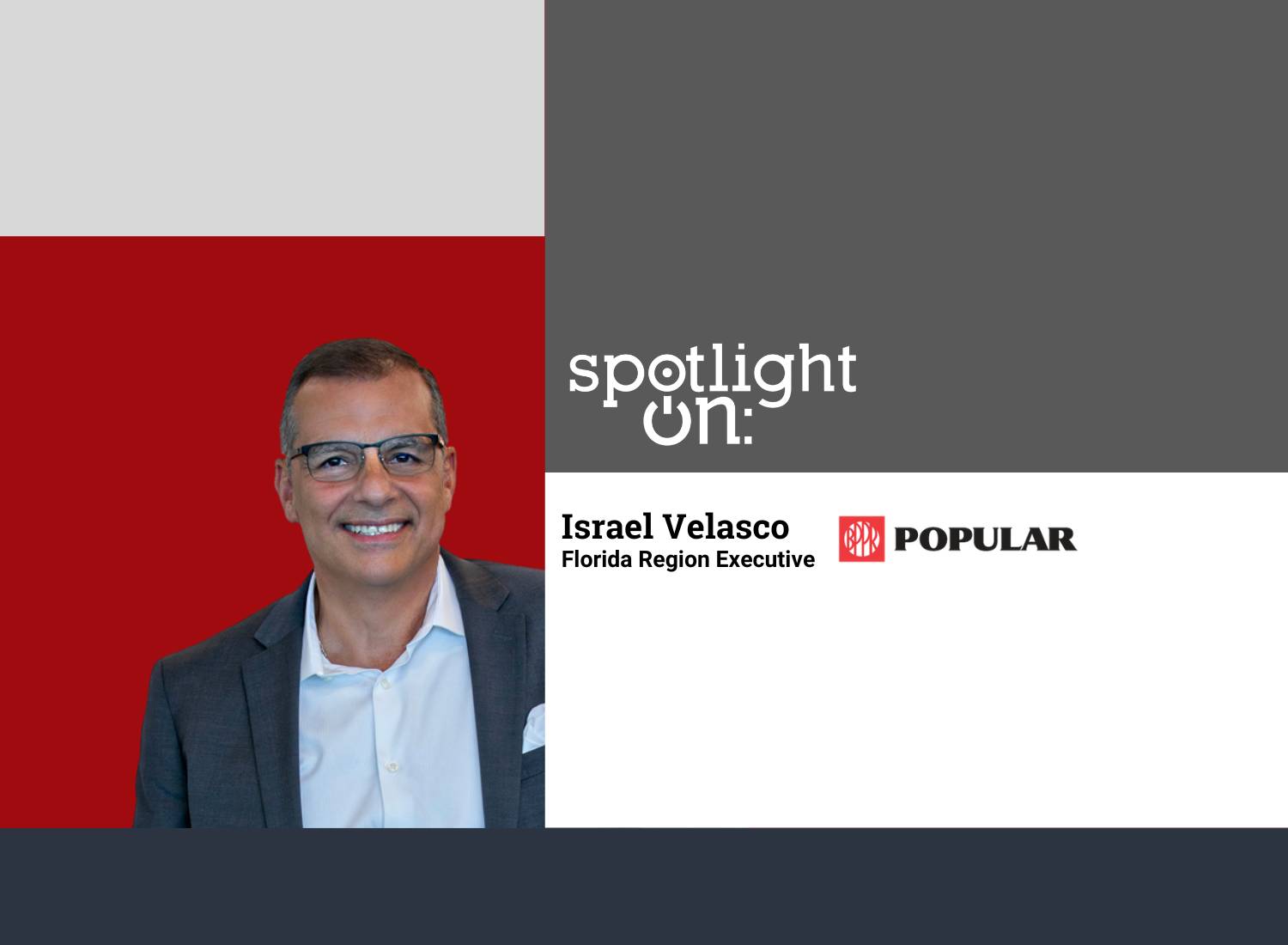
Spotlight On: Israel Velasco, Florida Region Executive, Popular Bank
Key points:
- • Popular Bank blends digital tools with relationship banking through modern branch formats and enhanced tech offerings.
- • Ongoing transformation and employee investment help the bank stay competitive in a rapidly evolving industry.
- • Community engagement and financial inclusion remain central, alongside a focus on commercial clients and future growth.
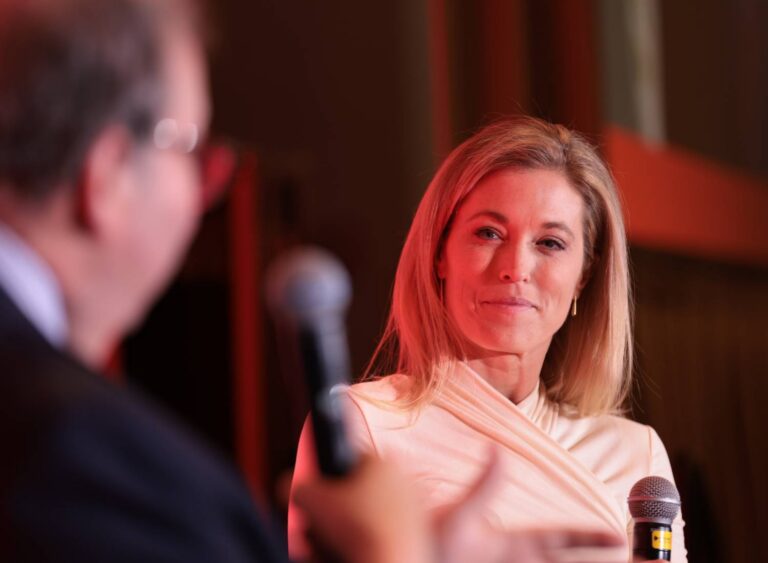
 March 2026 — Invest: sat down with Israel Velasco, Florida region executive of Popular Bank, to discuss how the bank balances digital innovation with relationship-driven service, why community investment remains central to its strategy, and how leadership views the future of banking in South Florida. Reflecting on the bank’s long-term approach to change, Velasco emphasized that “Transformation is a mindset. It’s a discipline that we’ve created,” noting that Popular’s evolution is designed to be continuous, intentional, and closely aligned with the needs of the communities it serves.
How have the recently transformed branches with modern tech capabilities helped Popular continue to serve the community in an increasingly digital banking world?
Our branch model was built with foresight. About 10 years ago, we gained a deep understanding of our market, enabling us to anticipate the direction of banking, and we designed our branches to cater to both types of clients. We have customers who prefer to bank digitally, and we also have customers who value personal interaction and still want to come into the branch.
A big part of that is the culture in South Florida. It’s a high-touch culture, and relationship banking matters. Our branches are relatively small, usually about 2,500 square feet or less, but that size is intentional. It allows us to strike the right balance between serving clients in person while also giving them access to strong digital resources.
If you walk into one of our branches, it doesn’t look like a traditional bank. We don’t have a teller line. We use what we call teller pods, where clients can conduct many types of transactions, not just basic withdrawals or check cashing. That model has served us well, and we don’t plan to change it anytime soon. As banking continues to evolve, this approach will continue to work.
How are you ensuring technology enhances the customer experience without losing the personal touch?
We focus on offering the best of both worlds. Even clients who want high-touch service also expect high-quality digital capabilities. They want strong online banking, convenience, and access to widely accepted tools.
We launched Zelle less than a year ago. Previously, we had our own proprietary person-to-person payment system, but we migrated to Zelle because it’s accepted industry-wide. We’ve also recently rolled out Zelle for Business. Given our business-led strategy, Zelle for Business is going to be important. Our niche is commercial customers, and our overall strategy is built around serving business clients effectively.
What is Popular’s approach to financial inclusion and ensuring clients are placed in the right banking products?
Some products associated with financial inclusion are more specific to other markets, but our overall approach is consistent. We offer a range of checking options depending on a client’s activity level, and we take onboarding seriously.
We ask the right questions upfront to make sure clients are placed in the product that best fits their usage. If someone has minimal activity, there are options where they pay little to nothing. At the end of the day, we’re not going to put someone into a product that doesn’t make sense for how they bank. Fit and fairness matter.
How does Popular view its role in preparing employees for future economic shifts?
Our people are our number one asset. We’ve been around for 132 years, and we’ve always invested in our employees by making sure they have the resources and training they need.
That starts with onboarding. We follow strict guidelines to ensure employees have the skill set and training required before performing their roles. That includes both sales-oriented and operational positions. The industry keeps changing, and preparation is essential to serving clients well and adapting to new conditions.
What challenges and opportunities do you see for community banks today?
One of the biggest challenges is keeping up with change, especially innovation. The banking industry continues to evolve, and you have to stay ahead of new capabilities, customer expectations, and competitors.
We have an ongoing transformation strategy aimed at being a best-in-class bank in the markets we serve. That means staying competitive not just with other banks, but with fintechs, credit unions, and any other organization that offers compelling financial products.
I often think about companies like Blockbuster Video and Kodak. They were successful, but they didn’t evolve when technology changed. We never assume that longevity alone is enough. We’re always looking to innovate, improve, and deliver the best products and services available.
How do you define transformation within the organization?
Transformation is a mindset. It’s a discipline that we’ve created.
We call it transformation, but it’s not something with a start and end date. We’ve been doing this for several years, and it’s ongoing. The goal is to stay ahead of innovation and continue improving how we serve our clients. Transformation isn’t a project. It’s how we operate.
What community partnerships in South Florida are you most proud of?
Community is part of our DNA. One example is the Popular Bank Foundation. Our employees contribute, and the bank matches those contributions dollar for dollar. About 85 percent of our Florida employees participate.
Those funds go back into the community, often supporting organizations where our employees are actively involved. Two examples are Junior Achievement of Greater Miami and Cristo Rey High School.
Junior Achievement focuses on youth financial literacy and workforce readiness from kindergarten through 12th grade. Cristo Rey provides students with hands-on exposure to professional environments, including time spent at the bank. These experiences help students become better prepared for college and careers.
How does Popular encourage employee involvement beyond financial contributions?
All employees receive two days of community time off each year. They’re encouraged to use that time to support organizations of their choice.
Volunteering plays a big role, especially with organizations like Junior Achievement. Volunteers share real-world experience with students, covering practical topics like interviewing, resume writing, and professional communication. These are skills students don’t always learn in school, but they’re critical for future success.
What are your top priorities over the next two to three years?
Besides continuing with our commercial-led strategy, we have three main objectives that all our employees follow. First, being simple and efficient. Second, maintaining and improving our performance as a high-performing bank. And third, becoming the number one bank for the clients we serve by deepening relationships and achieving primacy.
How do you see the banking industry evolving?
I expect continued consolidation. Regulation, cybersecurity, and compliance costs make it difficult for smaller banks to compete, while larger institutions benefit from economies of scale.
I also see continued digital innovation. Branch banking will remain important, but banks will be more strategic about branch locations. Younger generations are increasingly digital-first, and that trend will continue. The future will likely include fewer branches, stronger digital tools, and more intentional in-person experiences when clients need them.
Want more? Read the Invest: Miami report.