



Spotlight On: Jacob Frey, Mayor, City of Minneapolis
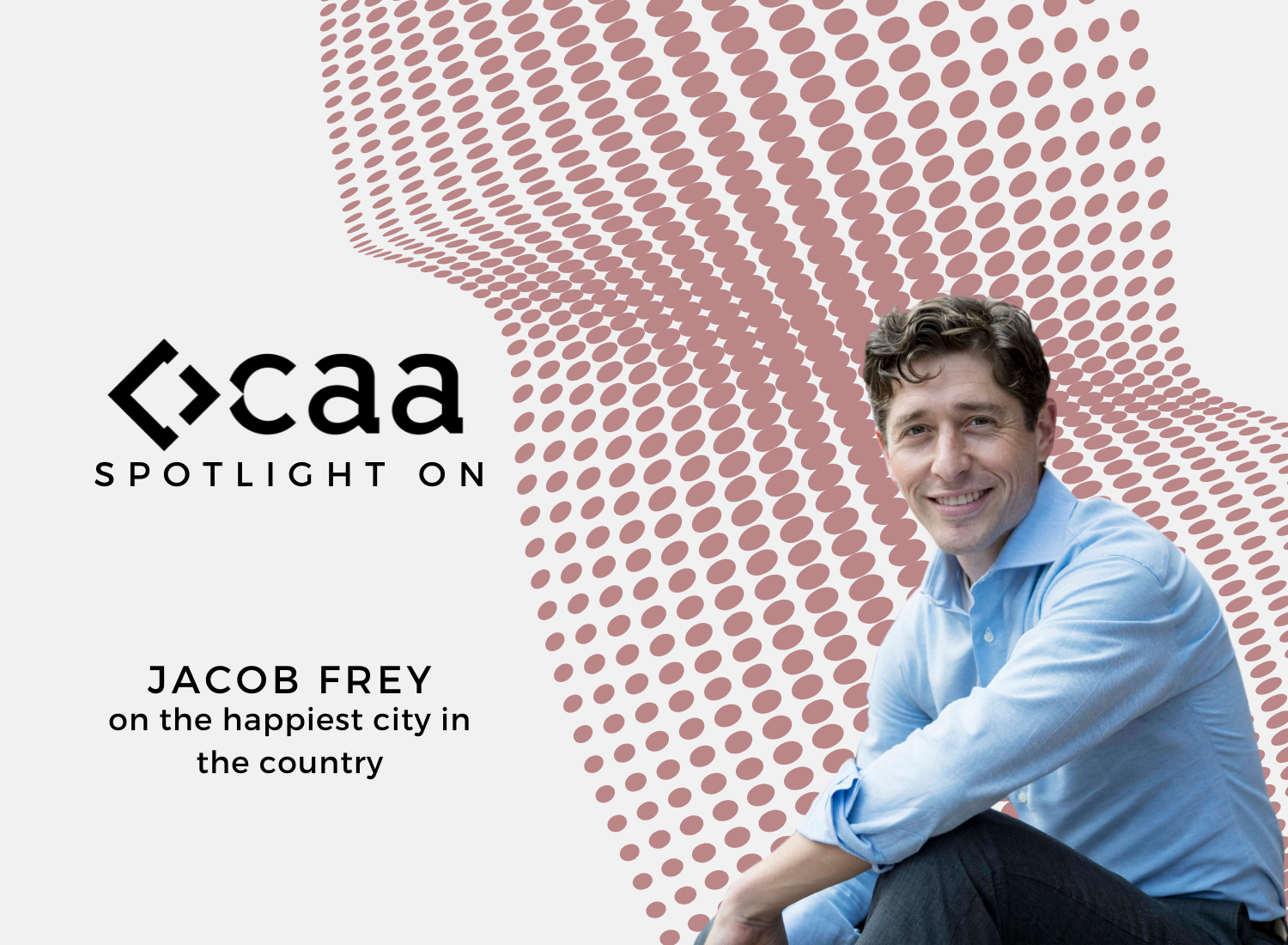 March 2025 — Jacob Frey, mayor of Minneapolis, spoke to Invest: about keeping its residents safe, prioritizing mental health, and finding sustainable solutions to reduce the city’s carbon footprint and combat climate change.
Reflecting on the past year, what have been the most significant milestones or achievements for the city?
We’ve had a big year. Notably, the city is coming back, and our mentality is to not just get back to the old normal but to surpass it and see true transformation in our city. This isn’t just a stated goal; it’s the way we approach our work. The cities that will ultimately be successful are those that truly embrace change. We’re experiencing a renaissance right now. For example, our downtown is coming back faster than any other city in the country, predominantly driven by tourism and entertainment. We were just recognized as the happiest city in the country.
The New York Times also named us the best city in the country for recent college graduates. These recognitions have really pushed our city to the next level. In terms of business growth and development, we’ve focused on entrepreneurs of color. We created the Ownership and Opportunity Fund, which helps business owners own not just their business but the underlying real estate, allowing them to reap the benefits of their hard work and not get displaced when rents rise.
How does the city balance the need for public safety with protecting civil liberties while ensuring police accountability?
Safety and accountability are not mutually exclusive; they should be intrinsically linked. We need police officers to be community-minded, building trust with those they protect. For years, there was a pendulum swinging between extremes — defund and abolish the police on one side and do nothing or militarize on the other. However, we have many officers working hard to keep people safe and interact with the community compassionately. We also have a lot of work to do around change and reform. We’ve set up an Office of Community Safety to provide a comprehensive approach. Not every call requires an officer with a gun; sometimes, a social worker or our Behavioral Crisis Response team is more appropriate. This comprehensive approach takes time to roll out, but it is largely working.
We have a need for more police. We’re working on recruitment and retention and have launched a campaign to recruit community-oriented officers. We also signed a police contract that would significantly increase pay, which we need to attract more officers. This effort is showing results.
How does the city measure its success?
Data. When you set up new ventures, there’s often a lag before you get good data. But we believe in what we’re doing. Cities can be laboratories of democracy where we try new things, and that’s what we’re doing here. Again, police are a critical part of this approach, but they are not the only response.
How is the Minneapolis Behavioral Crisis Response team integrating into the city’s daily operations for mental health and public safety?
Beautifully. No new program is without struggles, but this one is doing an excellent job of responding to mental health crises. Not every call is dangerous, so our 911 call takers can identify calls that require an officer versus those that need the Behavioral Crisis Response team. We’ve been rolling this out and expanding it, aiming for 24/7 coverage in all five precincts. Given its success, it will likely be expanded further.
How does the city plan to allocate resources to prevent and address homelessness in Minneapolis?
The first obvious step is to get people homes. We’ve been providing about eight-and-a-half times the amount of deeply affordable housing compared to before my administration. This housing helps people experiencing homelessness to pull themselves out by providing a stable foundation. We’re also increasing the supply of both affordable and market-rate housing, which has helped stabilize rents. Additionally, we’ve partnered with Hennepin County to open new shelters and use new models that focus on individual needs and cultural sensitivity. However, we’re also facing an unprecedented addiction to fentanyl, which is far more addictive than previous drugs. We’re working to provide culturally sensitive healing and care for those impacted.
One model we’re using for shelters gives people their own space rather than just a bed. Traditional shelters often lack the guarantee of a safe place to stay every night. Our new shelters offer private spaces, which makes a world of difference, allowing individuals to breathe and plan for their future. This model shows positive signs in helping people transition to long-term stable housing. Despite being more expensive in the short term, the long-term benefits are significant.
How is the city collaborating with city planners and stakeholders to ensure sustainable development, efficient transportation, and well-designed public spaces?
We approach this in various ways. For example, we’ve worked with the Minneapolis Public Housing Authority on a modular housing project with solar roofs. This project addresses affordability, speed, cost, and sustainability. We’re also transitioning neighborhoods block by block to weatherize homes, which is a highly effective way to reduce our per capita carbon footprint. These initiatives not only reduce heating bills but also contribute to environmental sustainability.
What initiatives are in place to support education and workforce development, ensuring that residents have access to quality education and job opportunities?
We have the Minneapolis Workforce Development Board that connects people with jobs matching their skills. This board has been effective, especially over the past few years. We also focus on providing a foundation of housing first, which enables people to seek employment. Additionally, we’re exploring programs that help bridge the gap between employers needing labor and employees seeking work, such as subsidizing salaries during training periods. This approach benefits both employers and employees.
Our workforce board connects people with jobs that match their skills, which has been effective. We also provide housing to create a stable foundation for people to seek employment. During COVID-19, we noticed a disconnect between employers needing labor and employees wanting to work. We’ve looked into workforce training and subsidizing salaries to bridge this gap, ensuring that employees are productive from the start.
How does the city support local entrepreneurs to encourage their growth?
One way is by getting out of their way. We aim to streamline government processes to make it easier for businesses to succeed. Our Public Service Building offers a one-stop shop for any questions or needs. We’re shifting to a culture of “get to yes,” helping businesses find paths to success. Additionally, we provide technical assistance in areas like bookkeeping and construction, and we have the Ownership and Opportunity Fund to support new business owners.
What are the most pressing obstacles Minneapolis is currently grappling with, and how do you lead the community toward resilience and solutions?
One significant challenge and opportunity is the shift in how real estate property taxes are collected. Downtown, fewer people are going to work in offices, though we are seeing gains. This creates potential for building reuse and conversion from commercial to residential spaces. We need to shift from single-use areas to mixed-use neighborhoods. For example, the North Loop and Mill District are thriving because they integrate residential, commercial, and entertainment spaces. We need to apply this model to the core downtown area to create a diverse and vibrant community.
For more information, please visit: