Spotlight On: Kim Norton, Mayor, City of Rochester
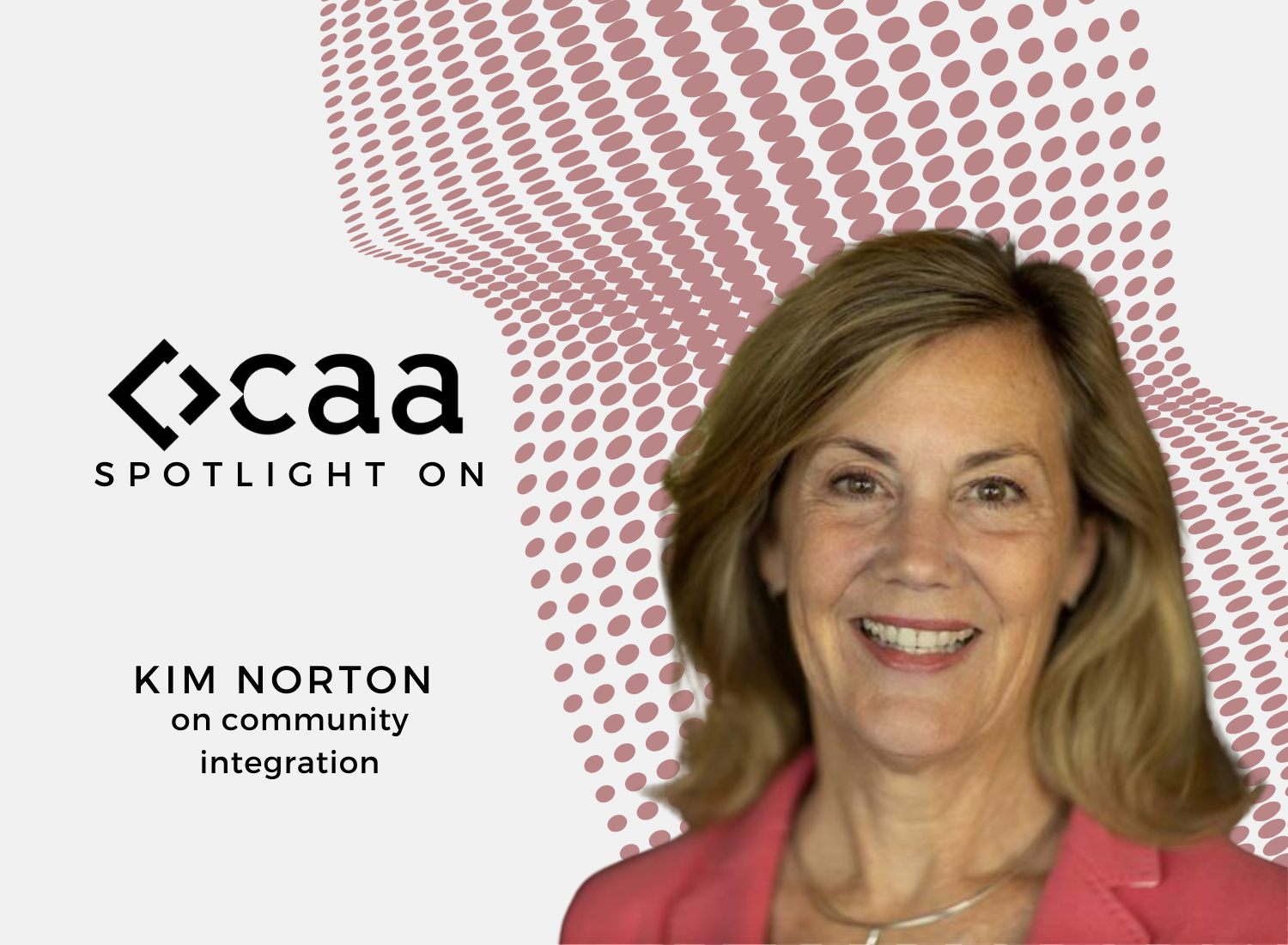 March 2025 — In an interview with Invest:, Rochester Mayor Kim Norton discussed the city’s multifaceted approach to sustainability, data-driven decision-making, economic growth, and community integration amid transformative projects like Mayo Clinic’s Bold. Forward. Unbound. initiative.
Where is the city focusing its efforts regarding sustainability and climate goals?
The city’s commitment to a greener future is evident through a comprehensive approach that integrates innovation, collaboration, and long-term planning.
A major milestone in 2024 was the progress made in the deployment of geothermal energy systems, with the successful installation of a cutting-edge geothermal system at Rochester City Hall. This initiative represents a critical step toward reducing the city’s carbon footprint and transitioning to renewable, clean energy solutions. By harnessing the power of geothermal energy, the city is not only improving energy efficiency but also setting a powerful example for sustainable infrastructure in both public and private sectors.
How would you describe Rochester’s involvement with the What Works Cities certification and how it has influenced the city’s approach to using data?
Since becoming Mayor of Rochester, I’ve prioritized enhancing the city’s data-driven decision-making. Our participation in the Bloomberg Harvard City Leadership Initiative kick-started this effort, providing valuable training for myself and five staff members. Further training at esteemed institutions like Harvard and Johns Hopkins Data Alliance program expanded our capabilities.
Through these initiatives, we connected with What Works Cities, receiving coaching that refined our approach to data utilization in city management. Achieving certification from What Works Cities in 2023 underscored our commitment to this approach. In 2024, we implemented a 311 system to enhance city services, gathering insights for continuous improvement. It’s an exciting development, and we are committed to continuously training our teammates to effectively use data to inform their work and ultimately benefit our community.
How is your office influencing job and career opportunities in Rochester?
The Bloomberg Global Mayor’s Challenge marked a turning point for Rochester, starting with our partnership with the National League of Cities to enhance data utilization. After a year of researching the pandemic’s impact on various demographics, especially regarding emerging opportunities, we applied for and won a grant. This became more relevant with Mayo Clinic’s recent announcements, increasing demand for jobs in construction and the built environment.
Our focus on equitable recruitment and integrating qualified women, particularly women of color, into fields traditionally dominated by men helped lead to Rochester being one of only three U.S. cities, and 12 globally, to win a $1 million grant. We also secured $750,000 in federal funds, totaling nearly $2 million for initiatives like changing systems, guiding young people on career paths, and fostering K-12 entrepreneurship.
This initiative targets cultural barriers that hinder women’s entry into these fields and prepares businesses for a diverse workforce. Our research revealed ingrained cultural perceptions limiting women’s career choices, mirroring past generations. It’s a challenging yet thrilling time for Rochester, especially as we embrace a growing and diversifying population.
How will Mayo Clinic’s Bold. Forward. Unbound. announcement impact Rochester, and what are the plans for integrating the community into these developments?
Mayo Clinic has committed $5 billion to its Bold. Forward. Unbound. initiative, aiming to expand and transform its Rochester campus. With Rochester already welcoming three million annual visitors, this transformative healthcare initiative is incredibly exciting.
The project entails new clinical buildings and the integration of AI and technologies for patient-centered care, offering opportunities for thousands of construction workers. We’re dedicated to involving more women, minorities, and immigrants in these sectors, actively ensuring their inclusion in the workforce.
Together, we’re preparing Rochester for future growth, with plans for five or six new downtown buildings and an expanding Mayo Clinic workforce surpassing 40,000 employees. Beyond infrastructure, our focus is on fostering community involvement and creating a supportive environment for all visitors. It’s a pivotal moment for our city, and we’re proud to build a community that embraces everyone.
What are the economic and community challenges facing the city?
Rochester is witnessing a vibrant post-pandemic recovery, with downtown bustling once more, reminiscent of its pre-pandemic vibrancy. A low unemployment rate of under 3% signals a robust job market, facilitating job searches or upgrades for residents.
While filling retail space has slowed, aligning with global trends, we’re exploring innovative uses, such as childcare centers, to activate these areas. Economic growth remains strong, bolstered by positive feedback from local businesses.
Challenges persist, including parking and housing. We’re committed to creating a navigable city for all, investing in infrastructure to support various modes of transportation.
Housing remains a priority, especially as demand outpaces production. We’re focused on ensuring housing availability within the city at all price points, alongside investments in smaller towns around Rochester.
Addressing parking misconceptions, we’re enhancing communication about available parking options through better signage and digital tools. This includes maintaining free parking on evenings and weekends.
What factors contribute to Rochester’s robust job growth, particularly in comparison to state and national levels?
Rochester, Minnesota, is often viewed differently by residents and outsiders. Locally, people may not always recognize the economic opportunities available here. However, outsiders see our city in a positive light, highlighting our median household income, which is about 17.7% above the national average, and a strong job market. While the cost of living is roughly equal to the national average, Rochester remains a community rich in opportunities, where income potential is strong, and the quality of life is high.
Despite the favorable economic indicators, there is a sense of surprise locally about the rapid increase in home prices, now over $300,000, which still falls below the national average. This rise in property values leads to increased property taxes, posing challenges for existing residents, especially as the city continues to grow and develop initiatives like the Bold. Forward. Unbound. project.
This growth creates a dual narrative: it is attractive for potential new residents and challenging for long-standing community members facing higher costs. We need to do a better job of communicating the advantages of living in Rochester, not only the economic benefits but also our proximity to major cities like St. Paul and Minneapolis, offering easy access to major sports events and educational opportunities. By improving how we share these stories, we can help both current and prospective residents appreciate all that Rochester has to offer.
How are climate change and costs of living affecting resident movement in Rochester?
While it’s true that some of our retirees prefer to escape the cold winters by heading to warmer climates like Florida or Arizona, they often maintain their residences in Rochester. The spring, summer, and fall seasons are beautiful in Rochester, making it a desirable place to return to each year. Residents who spend winters elsewhere typically weigh the financial implications, such as property taxes and living costs, to determine whether they stay in Rochester for just under half the year or slightly more, depending on their tax situation.
However, compared to coastal regions, Rochester is experiencing, and even anticipating, an influx of people moving in from those areas. This is due to a combination of factors, including climate change concerns and the high cost of living on the coasts. The Midwest offers a more affordable alternative. Additionally, many people are drawn to Rochester because of family ties, especially those whose children or grandchildren are among the 42,000 employees at Mayo Clinic. I’ve noticed a significant trend of grandparents moving here to be closer to their families. While these residents might head to warmer climates during the winter, they recognize the value and community spirit Rochester offers, making it their primary home.