





Spotlight On: Katie Hanford, Executive Director, East Passyunk Avenue Business Improvement District
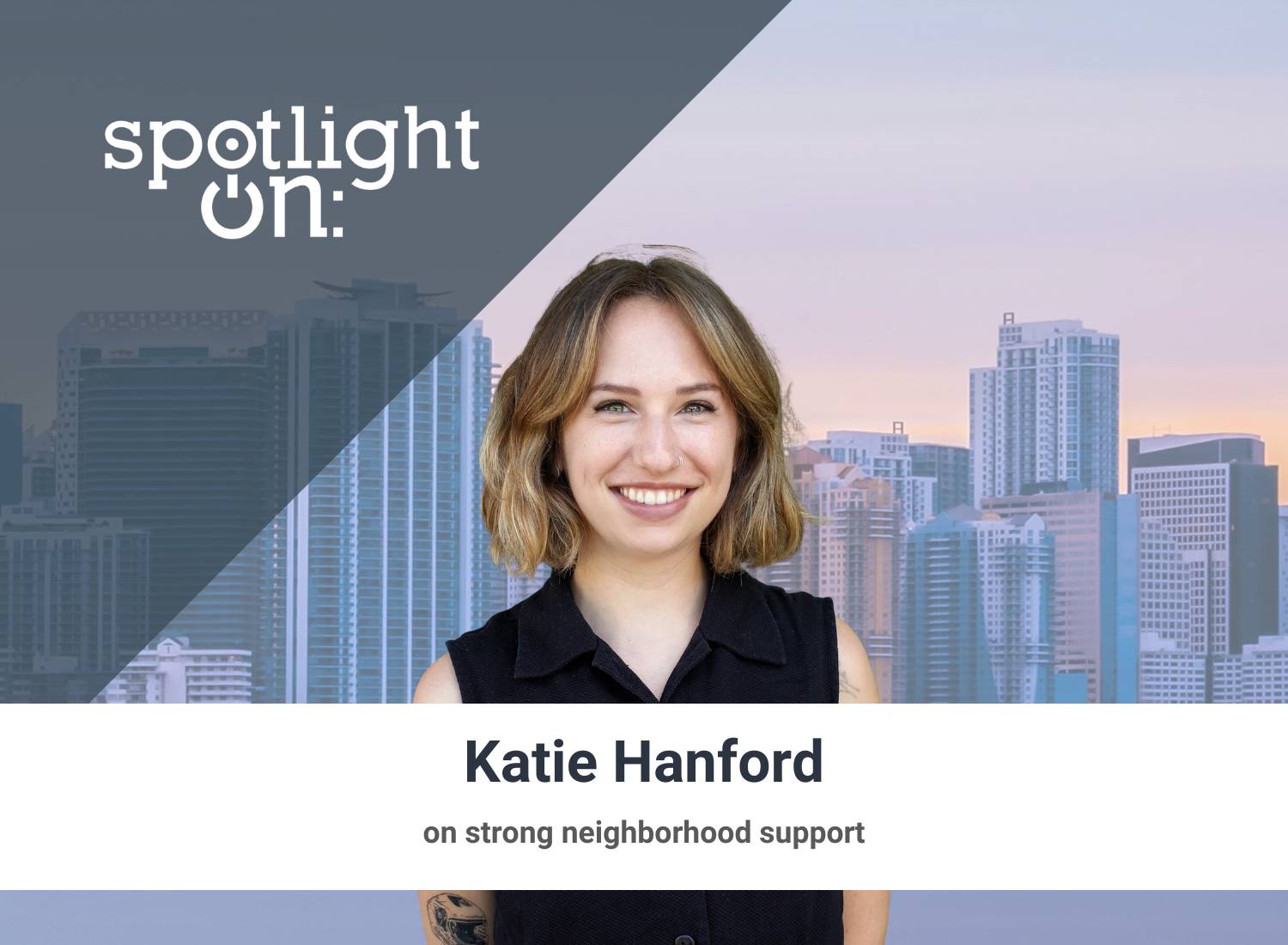 January 2026 — In an interview with Invest:, Katie Hanford, executive director of the East Passyunk Avenue Business Improvement District (BID), discussed the district’s vibrant momentum and local pride. With award-winning businesses expanding and strong neighborhood support, the district is thriving. “It’s really exciting to be a corridor where people can start and grow beyond their space and beyond the Avenue,” Hanford said.
Join us at the Invest: Philadelphia 6th Edition Leadership Summit! This premier event brings together hundreds of Philadelphia’s business and regional leaders to discuss the challenges and opportunities for businesses and investors. Buy your ticket now!
What changes or developments over the last year have had the biggest impact on the BID and the work that you do?
Our primary function is to support small businesses in our district. We stretch from Snyder Ave and Broad Street all the way up the Avenue to Federal St. and East Passyunk Ave. We’ve had a lot of growth in our businesses in the last few years and a lot of award winners on the Avenue. We’ve had a couple of expansions of our current businesses, like Milk Jawn, which is an award-winning ice cream shop that opened a second location in Northern Liberties, or Essen, which is an award-winning bakery that opened its second location in Fishtown. We’ve also had two businesses that started on the Avenue grow into larger spaces.
It’s really exciting to be a corridor where people can start and grow beyond their space and beyond the Avenue. For a long time, we were known as Restaurant Row, and I think in South Philly, we still hold that title. Gabrielle’s Vietnam, for example, was on the New York Times’ list of the 25 Best Restaurants in Philadelphia. We have five businesses in the neighborhood that won Best of Philly this year; we have Sao opening in September, which is the second restaurant from the owners of Mawn, whose chef just won a James Beard Award. We’re really excited when people get the recognition they deserve. Something special about our area is that it’s an internally supportive neighborhood. A lot of the money that is spent along the corridor comes from the four surrounding zip codes. All of this shows that people continue to prioritize unique, local, and authentic experiences in their neighborhood.
There’s been a lot of talk around economics and tariffs and everything, and I know some businesses have talked about the challenge of having to raise prices. Despite this, they’ve seen a lot of support from both the local neighborhood folks and from people visiting out of town just because of the scale and the vibe that’s created on the Avenue.
We host an event every year called Flavors on the Avenue, and this year was our biggest year yet. It just shows that people are still out here; they’re still coming out and want to frequent the Avenue because it is a very special place.
What types of support or programming have you found most effective in helping businesses grow and stay resilient?
I see my role as a liaison between businesses and the city. Whether that is if they have any questions about permits, if they want to do something new with their business, or if they want to expand. I also want to introduce them to the grants and available resources. There are a lot of things out there that remain untapped or unknown to business owners. I feel like I cannot keep up with all the grants and resources out there, or with what the requirements are and what’s needed. Connecting folks to those resources, especially those that are applicable to them, is something that I’m trying to do more of.
We also have a very large number of female business owners. Out of all of our business owners, 60% identify as women. The national average is somewhere around 35% or 40%. There are a number of grants out there that target female business owners specifically, which is really exciting.
Due to the cleaning services we offer, BIDs have a very specific physical area in which we can serve the full array of things that we do. There are some programs that we’ve been exploring for the last year that allow us to expand beyond these boundaries for some of our services. We’ve started an associate business membership program that allows businesses that are within the neighborhood to access our marketing and events services and receive some discounts for participation. We’ve had about a dozen businesses so far sign up for that. It’s great for them to have access to all of these resources.
One of my primary goals has been to expand our business community. Many of the businesses in our area are small business owners starting from a small place and moving up. They do not often have a ton of capital and sometimes they don’t even have a ton of experience behind them when they start their businesses.
Using that people power and that neighborhood experience helps bolster them. One of my favorite parts about South Philly is how business-dense it is. It feels like every street corner has a small business on it. That makes it a really exciting place to live and to do business.
What sets the district apart from other neighborhoods in the region?
South Philly is a special neighborhood because of its warmth and community mindset. People welcome you very quickly; they welcome folks with open arms. I think part of it has to do with the fact that our stores have a relatively small footprint. We don’t have big warehouses like Fishtown or Northern Liberties that allow for massive restaurants and flashy spots. What we do have is affordable rent prices. This helps keep the creativity and localized neighborhood feel going.
We offer a facade grant improvement program where businesses can get a reimbursement of up to 50% to redo their facade. I can help connect folks with some programs that the Commerce Department offers to remake their interior without breaking the bank. Having that sort of support for business owners helps this neighborhood build on itself.
We also have a ton of legacy businesses; we have a restaurant that has been around for almost 100 years, for example. Philly is an old city. We have businesses that have been on the Avenue for 10-30 years, and they’ve seen all of the different iterations that we’ve gone through.
Neighbors move here because they’ve heard such great things about the area and want to be a part of it. It’s a nice mix of new folks who are able to try their hand at their craft and also already established names in the game who have seen the neighborhood change and stuck around for the better.
How are you thinking about public space improvements and beautification in a way that serves the long-term health of the corridor?
This year, we desperately needed new banners because our old ones were sun-bleached and had been around far past their expiration date. We purchased new banners in our branded colors, and they look great. It’s these types of interventions that people do not realize make such a large impact on the feel of the corridor.
We are also expanding some of our string lighting beyond the original installation on five blocks of the Avenue. It was a project that was done in 2019, so we did some rehab on the current lighting to get those back up and running. We just received a grant to continue the project up the Avenue. My hope with this lighting project is to give a visual cue that things keep going and that people should walk a little bit further south to see the rest of the commercial corridor.
Beautification can serve as a pretty quick and obvious intervention to get people moving in different directions. A little intervention can go a really long way. We’re also looking at some holiday lighting options because we want to look our best for everybody who comes to visit us.
Looking ahead, what are the top priorities for the BID over the next two to three years?
We are hoping to bring nightlife and creative spaces to the Avenue in the coming years. We don’t have a music venue right now — we have just one jazz club and one club that has a DJ, and that’s for the entirety of South Philly. This is wild because we have many musicians who live here. That’s something that we would like to work toward, shifting the culture in that way. We are also neighborhood-based, and we love our neighbors and our residents, so we’re not trying to make ourselves a crazy clubby district.
We also want to make people feel safe when they’re walking around at 10 or 11 at night. Everybody deserves to feel safe in the area, and expanding back into the nightlife imprint can help with that as well.
Want more? Read the Invest: Philadelphia report.