






Spotlight On: Kristen Bryan Wessel, Dean, Galen College of Nursing
Key points:
• Galen College of Nursing is expanding access by supporting working professionals while building earlier student pipelines.
• Strong clinical partnerships and campus growth are aligning education with real-world nursing demands.
• A focus on adaptability, clinical judgment, and student support is preparing nurses for higher-acuity care.
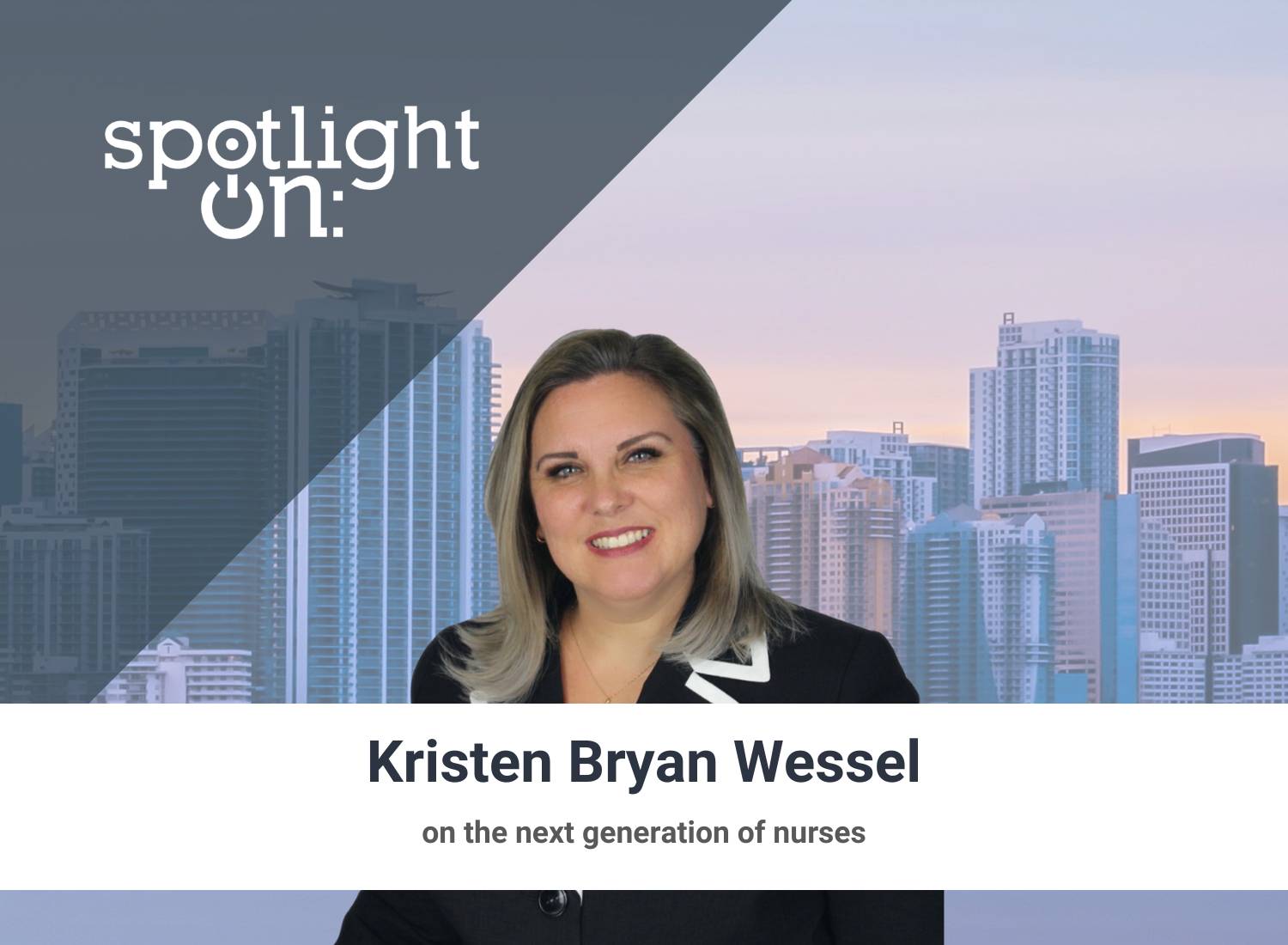 February 2026 — In an interview with Invest:, Kristen Bryan Wessel, Dean of the Tampa Bay Campus of Galen College of Nursing, shared how the college is expanding access to nursing education, strengthening workforce pipelines and preparing the next generation of nurses to meet evolving healthcare demands. “Our [Galen College] vision is to change the life of one in order to care for the lives of many,” Wessel said.
Join us at caa’s upcoming leadership summits! These premier events bring together hundreds of public and private sector leaders to discuss the challenges and opportunities for businesses and investors. Find the next summit in a city near you!
What key changes over the past year have most impacted the college, and in what ways?
Many of the changes we’ve experienced are being shaped by what’s happening in the healthcare workforce itself. In Tampa Bay, there is a high concentration of healthcare organizations, and many are encouraging their employees to advance their education. Health systems are supporting that message with tuition assistance, scheduling flexibility and clearer pathways for internal growth. We see it in the questions we hear from prospective students and in the consistent interest from working professionals who want to grow their careers while staying in the communities they serve.
At the same time, the pipeline conversation has widened beyond adults already in the workforce. Over the past year, we’ve strengthened relationships with high schools and even middle schools that have healthcare-focused magnet programs. Students are asking earlier how they can turn an interest in healthcare into a career. At the middle school level, it’s often exploration. They may know they want to be in healthcare, but they don’t yet understand how many roles exist across the field.
That’s where we are focusing a lot of energy — making nursing real and understandable. Popular culture can create a distorted picture of what the profession looks like, so we focus on giving students and families a clear, practical view. When prospective students visit campus, we do not only talk about nursing. We show them. We bring them into labs and simulation spaces so they can see what nurses do, how nurses think and what it means to be responsible for patient care.
We also clarify what the academic journey involves. Students need a foundation in arts and sciences before they get deep into nursing content, because those courses support clinical judgment and safe practice. We talk through prerequisites, the pace of the program and what to expect during clinical rotations. Just as important, we highlight the range of opportunities after graduation. Nursing today offers far more pathways than many people realize, and awareness of those options helps students see long-term career mobility, not just a single job.
How do campus expansions and healthcare partnerships shape the college’s long-term strategy?
Clinical partnerships are foundational, and our relationship with HCA is a key strength. One of the greatest challenges in nursing education is ensuring students have the clinical experiences required to connect classroom learning to real-world practice. Students need technical skills, strong critical thinking and the ability to function on a care team. Those competencies are built in clinical environments, not only in a classroom.
The idea of being practice-ready matters, but it also requires clarity. Different organizations define practice readiness differently, and that definition has evolved rapidly, especially since COVID. Healthcare is always advancing, but the last few years accelerated change. New care models, new technologies, higher patient acuity and staffing pressures all affect what nurses encounter on the job. Staying close to clinical partners helps ensure we are preparing graduates for today’s realities, not yesterday’s expectations.
Expansion also ties directly to mission. Across the country, nursing programs are often competitive, geographically limited and expensive, which can restrict access for qualified students. Our growth is guided by a simple question: where is the need, and how can we responsibly help fill it. Opening campuses is not about hitting a target number. It is about creating access to nursing education in communities where the pipeline must grow to meet demand.
That mission is personal for me because it reflects why I moved into education and administration. As a clinician, I could directly impact the patients and families in front of me, and that work is meaningful. In education, the reach multiplies. When we prepare nurses who are skilled, confident and compassionate, those graduates carry that impact into every unit, clinic, home-care visit and community setting they serve. Our [Galen College] vision is to change the life of one in order to care for the lives of many.
Explore more from our Tampa Bay coverage:
Spotlight On: Michelle Esposito Young, Director of Developer Services, Michael Saunders & Company
Spotlight On: Bemetra Simmons, President & CEO, Tampa Bay Partnership
Spotlight On: Teresa Abi-Nader Dahlberg, President, University of Tampa
What trends are most shaping nursing education today, and how are you adapting your approach to those challenges?
The ongoing nursing shortage remains the defining backdrop. There has been some improvement since the height of COVID, including nurses returning to the workforce, but structural pressures persist. Retirements continue, and the healthcare needs of an aging population are rising. That supply-and-demand reality affects the entire system, including how quickly organizations need nurses to enter practice and how education providers plan responsibly for scale.
One major trend is the redesign of patient care delivery. Care teams are being re-envisioned to maintain safe, high-quality care while operating with fewer nurses than the system would ideally like to have. In many settings, that has elevated expectations for registered nurses. Organizations are working to optimize the full scope of practice for RNs, which can be positive for professional growth, but it also increases responsibility, pace and complexity.
Patient acuity is another key factor. Inpatient units often see higher-acuity patients, and care that used to be delivered in hospitals is increasingly being delivered in outpatient settings and in the home. That shift requires nurses to be adaptable, comfortable with technology and ready to make sound decisions in dynamic environments. It also demands strong communication, because nurses are coordinating across teams and settings more than ever.
For nursing education, these trends mean we cannot train students for a static world. We emphasize clinical judgment, situational awareness and the mental skills that sit behind technical competence. Simulation is a valuable tool because it allows students to practice decision-making, prioritize tasks and respond to changing conditions without putting patients at risk. We also stay close to our clinical partners so we understand what they are seeing on the front lines and can refine our approach as healthcare evolves.
We keep the human side of the profession front and center. Burnout and moral distress are real, and students deserve an honest understanding of what the work demands. When students see nursing as it truly is and choose it with clear expectations, they are better positioned to grow in the profession and to stay in it.
Looking ahead, what are your top goals and priorities for the next two to three years?
Galen has long served a nontraditional student population, and that remains essential. Many of our students are working adults, second-degree seekers or individuals who have lived some life before deciding nursing is the right path. There is a significant need in that population, and there are many people already in healthcare roles who want to advance. We want to support those learners, because they bring maturity and commitment, and they often become strong contributors quickly.
One of my priorities is strengthening pathways for students coming directly out of high school. Historically, they have not been our primary pipeline, so there is an awareness gap. Many students and families simply do not know we exist. Tampa Bay has seen substantial community turnover, with many residents relocating from other states. As a transplant myself, I see how quickly that can happen.
Building stronger relationships with high schools helps address that gap while supporting the broader workforce pipeline. We want younger learners to see nursing as an option.
One defining characteristic that separates Galen College of Nursing from other academic nursing programs is the student support services and resources. We recognize that everyone comes with a different background and academic history. At Galen College, we seek to meet people where they are at, leveraging our vast resources to support students as they pursue their dream of becoming a nurse.
Want more? Read the Invest: Tampa Bay report.