






Larisa Svechin, Mayor, City of Sunny Isles
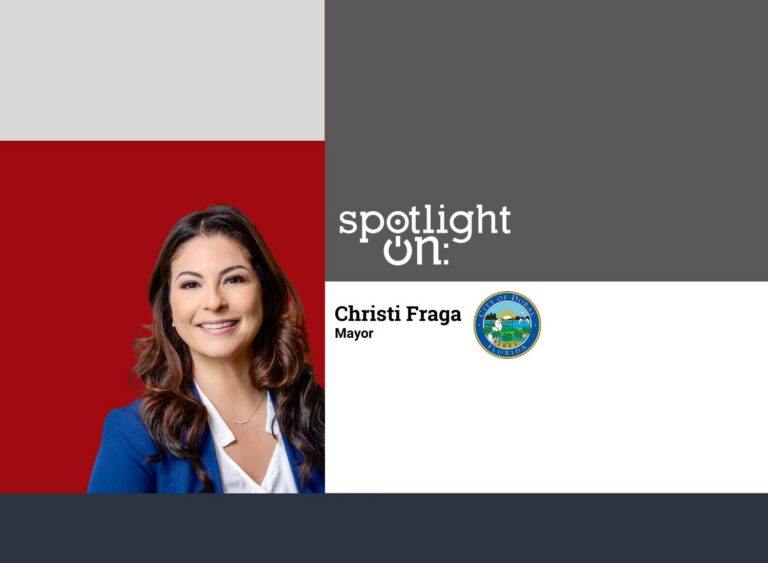
In an interview with Invest:, Mayor Larisa Svechin of the city of Sunny Isles Beach discussed the city’s recent achievements in safety, education, and community building, along with her priorities in infrastructure resilience, inclusivity in city services, and fostering public-private partnerships for future development.
What are the most significant achievements for Sunny Isles Beach under your leadership since becoming mayor again?
One of our biggest achievements has been rebuilding our relationship with the local school and district to provide the best opportunities for our youngest residents. We’re a small city with just one school, but it has been the cornerstone of our real estate development. Property values are closely tied to school ratings, and ours feels like a private school due to its unique demographic. Having a strong relationship with Miami-Dade Schools and the principal is key, and I’m proud of that because relationships matter — you can’t take them for granted.
Additionally, we’ve strengthened our Police Department by adding over15 new officers, which is significant for a city like ours. This was in response to residents wanting more visibility, but it’s also crucial because millions of people pass through Collins Ave. annually. We’ve installed red-light cameras and have weekly blitzes to enforce traffic laws and catch speeders. It’s all about improving quality of life, and our residents, many of whom are in higher income brackets, expect a very safe city.
We’ve also invested heavily in technology, with over 400 cameras, including license plate readers that capture every vehicle entering or leaving Sunny Isles. These cameras alert us if a vehicle is stolen or has a warrant. Our detective bureau has been very successful in recovering stolen vehicles, sometimes high-end cars like Rolls-Royces, without a scratch. That level of efficiency is unheard of.
Overall, our focus on safety and education are two of our biggest accomplishments. More importantly, we’re building a true community. We have a large Jewish population, and I’ve prioritized supporting them. Our police are undergoing anti-Semitism training, alongside other training, like how to approach individuals with autism. These efforts foster a community where people feel seen, supported, and safe.
What are the city’s main priorities when it comes to infrastructure development, particularly regarding resiliency and sustainability?
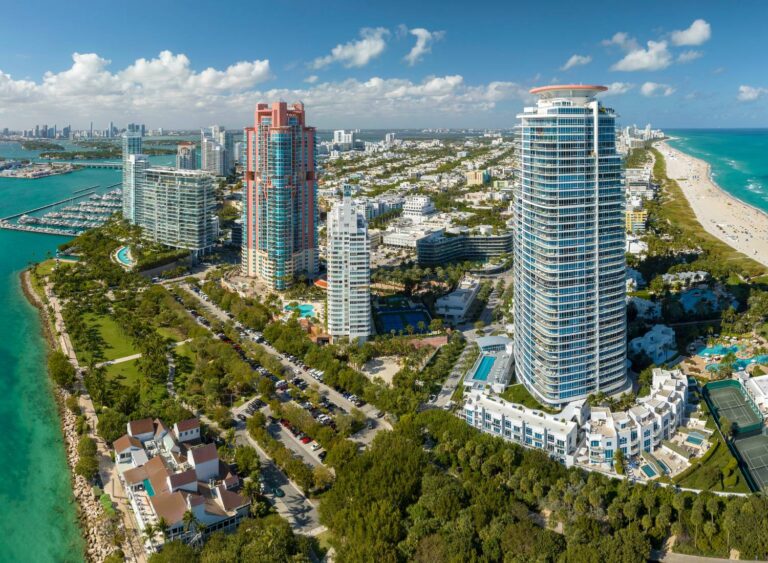
Since we’re on a barrier island, sandwiched between the ocean and the intercoastal, flooding during rainstorms is a major challenge. We’re investing heavily in underground wells and pump stations to manage water levels when there’s nowhere else for it to go. We’re also acquiring property that we won’t build on, allowing some breathing room in flood-prone areas.
Additionally, we’ve implemented policies requiring developers to return any sand dug up during construction back to the beach. For instance, the new Bentley development is restoring the sand to extend our shoreline. It’s a small but critical part of our efforts to combat erosion because no matter how much you try, Mother Nature will eventually win. So, investing in our beach and infrastructure, especially flood management, is crucial for our long-term sustainability. It’s a challenge, but one we’re tackling head-on.
How are the city’s services evolving to meet the needs of different population groups, from seniors to families?
Historically, our services focused primarily on seniors and children, leaving a gap for those in their 20s to 50s — ironically, a large portion of the taxpayers funding those services. So, we’ve made a concerted effort to engage them.
Recently, we partnered with Miami-Dade County for a resource fair, offering everything from voter registration, volunteer opportunities, specialized services, library services and Jewish Community Services. It was aimed at providing more options for the middle demographic, beyond senior services. We also recognize our large Russian-speaking population, so we’ve made a point to have Russian translators at events, even though most residents speak English. It’s about making everyone feel included.
On the fun side, we’re getting involved in the arts. For example, we’re hosting a commemorative event on October 7th with a world-renowned artist, featuring a conceptual art installation. We’re also partnering with galleries to create an Art Basel annex and turning our lobby into a gallery space to feature world-renowned artists.
For teens, we’ve developed a center with everything from ping pong tables to video games, giving them their own space. I’ve been there once, imagine 100 teenagers having fun. It’s great to see the city investing in spaces that cater to every age group.
What role do public-private partnerships play in the city’s vision for future development?
Just recently, I was discussing how to attract and retain small businesses in our limited commercial spaces. Because of our size, there’s not much room for expansion, and one property owner holds much of the commercial real estate. So, we’ve had many inquiries from businesses and event companies wanting to partner with us, using our space not for rental, but to provide valuable services for residents.
We’ve been approached by companies offering everything from gymnastics competitions to fashion shows and chess tournaments. These public-private partnerships are crucial because they provide a win-win for both residents and local businesses. We have amazing spaces that aren’t always utilized on weekends, and it makes sense to open them up for these kinds of activities. However, it does require investment from our side too — research, staff, and understanding the logistics. But I’m excited about the opportunities that come from these ambitious, entrepreneurial visions.
What are your top priorities for the city over the next few years, and what major goals do you have in place?
One of the most important priorities is maintaining our city’s safety. It’s easy to take for granted, but we need to balance security without making it feel like a police state, especially with so many cameras. We’ve launched an app, and our new website lets residents report issues and interact with the city. We hope more people get involved because we want to hear from them. There’s often a disconnect where residents say, “I didn’t know about this,” while staff say, “We posted it on social media.” Closing that gap is crucial as our demographics evolve.
Sunny Isles is changing. What was once a population of seniors and young families now includes more single professionals and year-round residents. Many of those kids from 10-15 years ago are now adults choosing to stay or move back. We need to accommodate young professionals, particularly those working remotely. Adapting to these demographic shifts is key.
Another top priority is infrastructure, our biggest challenge. We’re close to having all electrical, phone, and internet provider connections underground. Collins Ave. is almost 100% complete, with just one neighborhood left. Maintaining power during storms is crucial, and in the last storm, we had almost no outages, which makes us attractive. When I attend conferences, people often say, “Wow, Sunny Isles Beach is beautiful,” and I want to keep that brand strong.
One personal goal is for people to stop calling us Miami and recognize Sunny Isles Beach for its uniqueness. Our real estate values have grown by $3 billion year over year, setting us apart. I want to ensure we stay on the map as a distinct and special city.
What is a well-kept secret about Sunny Isles Beach?
I truly believe that, based on geography, we have more billionaires than any other area in the country. If we had our own ZIP code, I’m confident we’d be ranked among the top. A big reason for this is that many of our developers actually live here. Unlike the stereotype of predatory developers who build and leave, our developers are residents, voters, and constituents. They care deeply about ensuring the city runs well and that the infrastructure supports growth. They’re also incredibly generous, whether it’s supporting the arts or our school.
While we are predominantly a wealthy city, like any community, we have a diverse population, and the generosity of these developers helps support all parts of it.
We also have a growing Jewish population with five synagogues, and if we had the space, we’d probably expand our Catholic community too. Our one church is completely full, with both English and Spanish services. I believe spirituality and faith are really important to our residents and play a big role in fostering the sense of community and family values that define Sunny Isles Beach. In short, we like each other here, and that’s what makes our city special.