






Spotlight On: Michael Bailey, President and CEO, American Health Partners
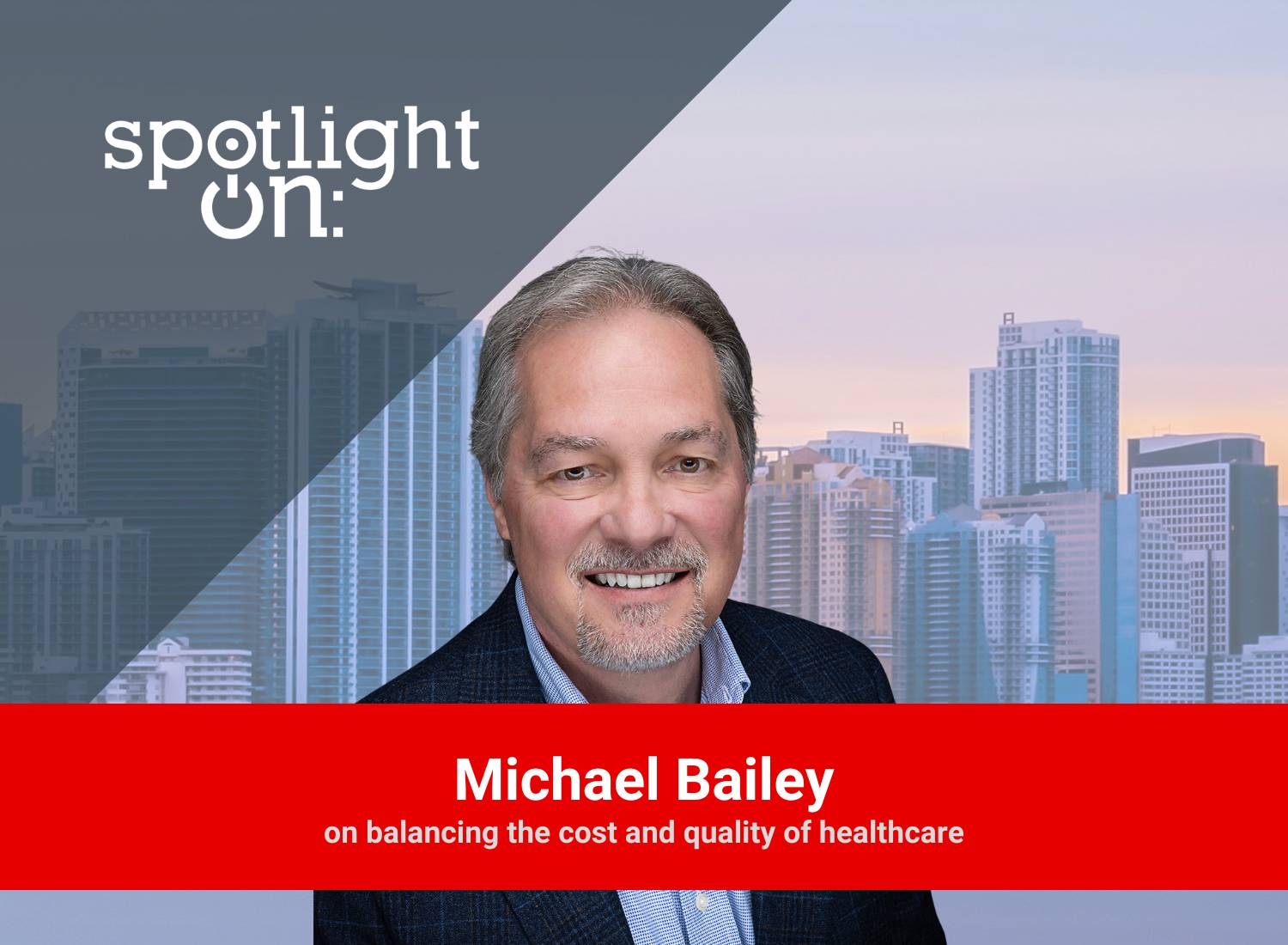 In an interview with Invest:, Michael Bailey, President & CEO of American Health Partners, discussed the company’s focus on value-based care, strategic growth, and compassionate service delivery. “We are committed to delivering the highest-quality care,” Bailey said.
What changes have most influenced American Health Partners’ trajectory, and how is the company positioning itself for future growth?
The past year was pivotal for American Health Partners, driven by the turnaround of our skilled nursing division, American Health Communities. Though we weren’t actively seeking a sale, due to the high performance of the business, we received strong offers and ultimately exited the skilled nursing and rehab sector.
This allowed us to refocus on our Medicare Advantage business, American Health Plans, and TruHealth, which delivers clinical care to both plan members and nursing home residents. We’ve also accelerated growth in Unity Psychiatric Care, our geriatric psychiatric hospital division, and AmPharm, our long-term care pharmacy.
These moves reflect broader healthcare trends, especially the shift toward value-based care. Serving frail and elderly patients requires aligning incentives with outcomes, not volume. Our model is built around that principle, and with strong partnerships nationwide, we’re achieving exceptional clinical results, which are improving the overall well-being and quality of life for our plan members and the others we care for.
What trends are shaping how patients and families access care today, especially in Middle Tennessee?
Our patients are typically living in long-term care settings. They may live in nursing homes, assisted living communities, independent living facilities, or group homes. We’ve developed specialized plans for these individuals, many of whom can no longer live independently or don’t have stable housing.
These facilities effectively become their homes, so we bring care directly to them. We call it concierge medicine at the bedside, tailored for frail, elderly individuals. It’s highly personalized and designed to meet them where they are, and provide a higher level of proactive, coordinated care to improve their overall health and help them live happier and more fulfilling lives.
What are the biggest opportunities and challenges in balancing cost and quality?
Payers and providers often have different incentives, and that’s a core issue. To improve care for patients and their families, those two sides must collaborate closely. Our model was developed to bridge that gap.
In our case, the insurance provider, our own Medicare Advantage plan, works hand in glove with the care provider. That means the provider delivers care without interference from a third-party insurer, and they’re compensated in a value-based setting for always doing what’s best for the patient.
That kind of integrated, cooperative approach is still relatively rare in American healthcare. While it’s more common in certain areas, it remains unique in the skilled nursing world. We believe it’s the most effective way to ensure high-quality, personalized care.
How does your partnership model support expansion into new markets like Pennsylvania and Florida?
As our name suggests, partnerships are at the heart of our strategy. When entering a new state, whether it’s Pennsylvania, Florida, Iowa, or others, we begin by building strong relationships with nursing home owners and operators who share our values.
We look for partners committed to patient outcomes and aligned with our approach to value-based care. It takes time, typically 18 months to two years, to bring a new market online. That includes getting the Medicare Advantage plan certified by CMS and state regulators. But working in close collaboration with our partners in states across the country, we’re showing that value-based care, when done correctly, can deliver better clinical outcomes and improve the overall health and quality of life for our members.
How are demographic trends and Medicare Advantage enrollment shaping your growth strategy?
Medicare Advantage enrollment has surged across the U.S., with more than 50% of Medicare beneficiaries now enrolled in MA plans. But that growth hasn’t extended as fully into the skilled nursing sector. Only about 10% to 12% of residents in those long-term care facilities are currently enrolled in MA plans.
That gap presents a major opportunity. Frail, elderly individuals in long-term care often haven’t had access to the benefits of Medicare Advantage. Our unique product and integrated bedside model of care can help bring this higher level of coordinated care to this population in a way that’s both scalable and impactful.
What impact are institutional special needs plans and the value-based care model having on hospitalizations and patient outcomes?
Institutional special needs plans, also called I-SNPs, the Centers for Medicare & Medicaid Services (CMS) allows us to offer to individuals in nursing homes. But the real driver behind reduced hospitalizations and better outcomes is our clinical model.
Our model of care relies on integrated, hands-on teams of nurse practitioners, physician assistants, and RNs who deliver bedside care. This team-based, proactive approach reduces hospitalizations, eases patient anxiety, and brings peace of mind to families. It’s rooted in strong relationships and early intervention with caregivers working together to deliver the right care to residents at the right time.
How is your geriatric psychiatric care meeting the growing demand for mental health services?
Mental healthcare in America remains a serious challenge. Just yesterday, a longtime friend facing a crisis reached out to me. Thankfully, he was near one of our hospitals, and we found a bed for him that same day. Most people don’t have that kind of access.
Most people aren’t so fortunate. That’s why we believe mental health care should be as accessible and prioritized as physical health care. Right now, we operate six hospitals and hope to expand that number.
Beyond hospitals, we also extend mental health services through our TruHealth clinical model. We place psychiatric nurse practitioners and physician assistants directly into nursing homes to provide bedside care. We serve three venues: outpatient settings for the general public, inpatient treatment and therapy for patients in our hospitals, and bedside care for long-term care residents in nursing homes. There’s a significant need, particularly around depression and isolation in those facilities. We’re committed to meeting the needs with compassionate, person-centered care.
How are you addressing workforce and staffing challenges across your operations?
Staffing remains a major challenge in senior care, and we focus on creating an environment that attracts people passionate about serving the elderly. Our care model allows staff to build routines and meaningful relationships with patients, offering consistency that’s hard to find in more transient settings like emergency rooms.
We also support career development by offering scholarships for those pursuing degrees in nursing, physician assistant studies, and advanced practice roles. Just as important, we provide a stable, supportive workplace where employees know the company is invested in their future.
In what ways are you using digital tools and data to improve care and efficiency?
Data is mission-critical, but we don’t rely on artificial intelligence to diagnose or treat patients. We believe those decisions should be made by people who can connect with patients, assess their needs, and deliver thoughtful care.
What we do use are data tools that help pinpoint where support is needed. These tools guide our practitioners in improving quality of life, especially for patients in their later years. Data serves as a resource, not a replacement, for human care.
What regional trends or policies are shaping your outlook in Tennessee and beyond?
Tennessee, and Middle Tennessee in particular, continues to be one of the best places in the country for healthcare and innovation. We’re lucky to share this space with institutions like Vanderbilt, HCA, Tristar, Ascension, and others. There are hundreds of healthcare startups and long-established companies operating here.
We’re proud to be part of this ecosystem. For American Health Partners and the region more broadly, the future is bright. It’s a great place to live, raise a family, and build a business. The economy is strong, and we’re optimistic about the road ahead.
What does delivering compassionate, high-quality care mean to you?
To me, it means treating people the way I’d want my own family to be treated. Both of my parents have passed, but if they were alive today, or if it were the friend I mentioned earlier, I’d want them to have access to the best possible care, regardless of their financial situation.
I’m not only referring to money. I also mean the kind of care someone can realistically access. That’s our goal. We may not always earn the most, but we are committed to delivering the highest-quality care. That focus helped us turn around struggling divisions and ultimately made them successful and attractive to buyers. More importantly, it’s the kind of work that helps you sleep well at night, knowing you’ve made a difference in someone’s life, regardless of their circumstances.
What is your vision for American Health Partners’ role in expanding healthcare access and improving outcomes over the next three to five years?
I’m highly optimistic about our future. We’ve aligned ourselves with where healthcare is headed: value-based care for seniors, and we live that commitment every day, serving thousands through our TruHealth model.
Partnerships are central to our approach. We currently work with more than 50 partners across 14 states and serve over 8,000 individuals daily. We’ve built a scalable platform with a clear roadmap for growth.
Our next big challenge is scaling efficiently. We’ve grown through both acquisition and organic efforts, and now it’s time to accelerate both. That requires strategy, systems, and top talent aligned around a common purpose. We’ve brought in new talent, developed leaders from within, and built strong systems. With that foundation in place, we’re ready for what comes next.
For more information, please visit: