





Spotlight On: Nick Barker, Vice President & General Manager – North Texas, Turner Construction
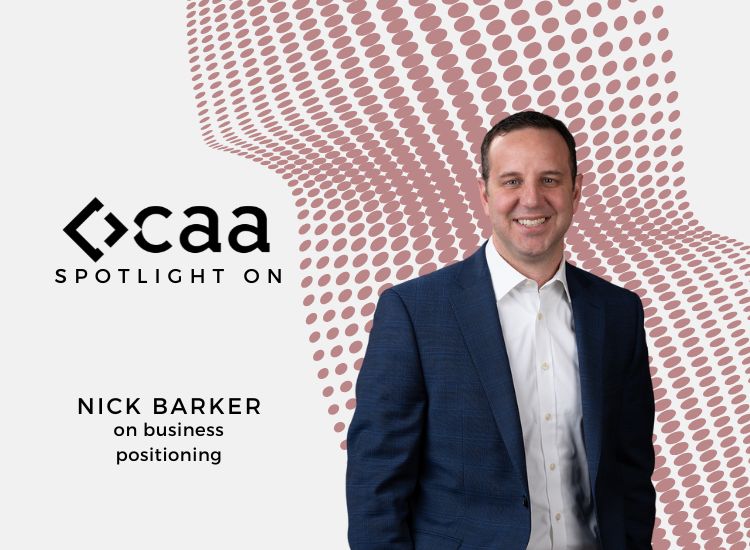 January 2025 — Nick Barker, vice president and general manager at Turner Construction, spoke with Invest: about their position in the business community in North Texas and some of the high-profile work they are part of. He also discussed how Turner Construction uses AI, attracts talent, and its role in the rapidly growing North Texas region.
What makes Turner Construction different from other companies in the North Texas region? What is your competitive edge?
There are a few key factors that differentiate Turner in North Texas. 1). Our diverse portfolio of work. Our consistent presence in both the public and private sectors have allowed us to contribute or grow regardless of the state of the market. We also specialize in multiple market segments 2). We are able to capitalize on being local in DFW since 1986 having grown deep relationships and also leveraging the expertise and resources of the largest construction company in the country. This expertise exists within our organization no matter what the uniqueness of a client need 3). We have a different level of commitment to the community and our minority partner compared to most. Regardless of a client mandate for a proposal, we consistently utilize 20% MWBE firms on our projects. Also, we consistently joint venture with our minority partners where they share in the risk and equity of the project. This has proven to truly grow capacity over the years, and the skills and different way of thinking has helped us grow as an organization. We value our partners as true partners and look for the right opportunities where there is value add for both organizations and not seeking the partnerships out because of a client mandate.
What are some key projects and milestones for Turner Construction over the past year?
We have won several significant jobs across multiple market segments and are diversified in our portfolio. We’ve won a confidential hospitality and high-end training facility project for an accounting firm — over 600 new guestrooms and an expansion to the existing campus. As a joint venture known as Trinity Alliance, we also recently were awarded the new Kay Bailey Hutchison Convention Center – $2.5 billion. This will be one of the largest and revolutionary projects in Dallas history. We have also kicked off the new Terminal F for DFW airport – as part of our joint venture team Innovation Next Plus. We also just recently topped out the Texas ATM Law School in Fort Worth with a partnership with CARCON and Source Building Group. We’re also involved in several large data center jobs in the market, which is a market that continues to expand here in North Texas. Also, it is important to me to share our success in our Special Projects Group (SPD). They are a key part of our Turner team, and they are made up of specialists that have builders who have made their career on interior fits outs, or ground-ups that range from $3 to million to $40 million. These are usually quicker and take a specific type of builder, and we have been fortunate to have a key group like this for many years. As the large jobs sometimes take years to get going, these jobs help us put work in place, service our clients, and build relationships in the market.
Where are you seeing the demand in the industry moving forward? What are some of the biggest opportunities in North Texas?
In the public sector we will continue to see significant developments on the transportation, infrastructure, and public assembly side of the business. There are billion dollar bond programs for K-12 that will carry forward for the next several years. More than anything else though, the advanced technology sectors such as data centers, EV battery plants, and semi-conductors are expanding at an exponential rate in our region. This will clearly put a strain on the workforce, but it will lead to opportunities for innovation and creative and expedited workforce development.
What are some of the unique aspects of doing business in North Texas?
Doing business in North Texas, particularly in the construction sector, presents a unique set of opportunities and challenges shaped by the region’s rapid economic growth, population boom, and favorable business climate. The Dallas-Fort Worth area has seen significant population growth, driving demand for residential, commercial, and infrastructure development, while the region’s diverse economy — bolstered by industries such as technology, healthcare, and finance — creates a strong market for construction services. The labor market is both an asset and a challenge; while there is a deep pool of skilled labor, the boom in construction has led to shortages, resulting in increased costs and potential delays. Efforts are underway across the industry to address these gaps through expanded training programs. North Texas also offers attractive economic incentives, including tax rebates and incentives for projects that promote economic development or affordable housing. These factors, combined with a business-friendly environment, have made Dallas the top destination for corporate headquarters relocations in the past decade. The region’s appeal extends beyond business, offering affordable living, excellent public and private schools, a growing presence in technology and biotech, and abundant entertainment, dining, and cultural options. Additionally, its central location and access to two major airports make it a convenient hub for both personal and professional travel. However, navigating the regulatory environment requires careful attention to varying municipal building codes, zoning laws, and permitting processes, though many jurisdictions are working to streamline these procedures to support timely construction projects.
How do you see Turner Construction’s role in ensuring responsible growth of Dallas-Fort Worth?
In June 2023, Turner introduced its ESG strategy, “Building Today, Transforming Tomorrow,” an initiative grounded in the company’s culture and its 2030 commitments to diversity, equity, inclusion (DE&I), and sustainability. This strategy focuses on sustaining the planet, protecting and caring for people, and transforming the construction industry with purpose. Since launching its 2030 Vision in 2020, Turner has worked to reflect the rich diversity of the communities it serves and ensure equal representation across the company. In North Texas, 40% of Turner Construction employees are female or people of color, and several key leaders in the region are also part of these groups, underscoring the company’s dedication to equitable representation.
Turner’s efforts in North Texas highlight its commitment to growing sustainable business opportunities through specialized sustainability expertise and innovative construction practices, prioritizing business values such as ethical behavior, integrity, and respect, and maintaining standardized, secure, and transparent processes. Sustainability goals are integrated into executive compensation to ensure accountability, and the company’s leadership remains dedicated to ethical practices, transparent reporting, and client satisfaction, helping to drive the industry forward. Turner’s sustainability efforts include ambitious waste diversion goals, such as achieving 80% diversion by 2025 and 95% by 2035, with 99.99% of concrete reused or recycled in 2023. With a workforce of 11,636 employees, Turner is committed to fostering diversity and inclusion at all levels, aiming to ensure the company reflects the communities where it operates.
How are you leveraging new technologies and innovations?
AI is here and will continue to expand. Safety is the top priority, and one of the useful things AI can do is analyze OSHA guidelines and Turner Construction’s internal safety policies. It can take a picture of any construction site and identify within 10 seconds all of the safety variances and deviations from our policies. The speed at which AI is able to rectify a risky situation is amazing. It allows us to keep the front line workers safe, and identify and adjust quickly. AI improves other efficiencies like how to read specifications and coordinate drawings. Regardless, the human element will always be needed. I do not have concerns about AI taking over jobs. It will allow us to be more strategic, spend more time with clients and trade partners, and in general be more efficient and allow us to spend time where we can provide the most value to our people and our customers.
Are there any specific partnerships to continue to develop the pipeline of talent?
The construction industry in North Texas benefits greatly from partnerships and initiatives that develop a robust talent pipeline, addressing labor shortages and promoting community growth. Organizations like the Regional Black Contractors Association (RBCA) and Regional Hispanic Contractors Association (RHCA) play a vital role in workforce development. The RBCA focuses on education and training within the residential construction sector, with standout initiatives like the Second Chance Program, which provides training, mentorship, and job placement for individuals with barriers to employment, fostering both social equity and industry growth. Similarly, the RHCA champions diversity and inclusion, offering skills training, apprenticeships, and mentorship programs to support minority communities and build a more representative workforce.
The Construction Education Foundation (CEF), in partnership with Dallas College, provides comprehensive education and training opportunities, helping individuals enhance their skills and advance their careers. By collaborating with employers and funding large-scale training initiatives, the CEF ensures accessibility for both workers and businesses. Partnerships with community colleges further strengthen the talent pipeline, offering tailored vocational programs in fields like construction management, electrical work, plumbing, and HVAC. These programs highlight the rewarding nature of careers in the trades, promoting competitive salaries, job stability, and long-term growth. Together, these efforts are shaping a skilled, diverse, and sustainable workforce for North Texas’ booming construction sector.
What is your outlook for DFW in the next couple of years, and what are your top priorities at Turner?
I do not see the growth in the region slowing down anytime soon. There are several market sectors that will continue to thrive. The data center world, higher education, and biomedical areas are three primary areas seeing a lot of investment, as well as infrastructure, aviation, and the convention center. The market in North Texas has a very positive outlook, but the biggest concern for us, and other companies, is talent. Many of our seasoned superintendents and project managers are starting to retire. The amount of talent coming up is not replacing it at the speed we need for the work that is out there. The biggest challenge is how to get people interested and trained to backfill the work needed on the front lines.
For more information, please visit:
https://www.turnerconstruction.com/