






Spotlight On: Sally Schufreider, Market Leader & General Manager, Cigna Healthcare
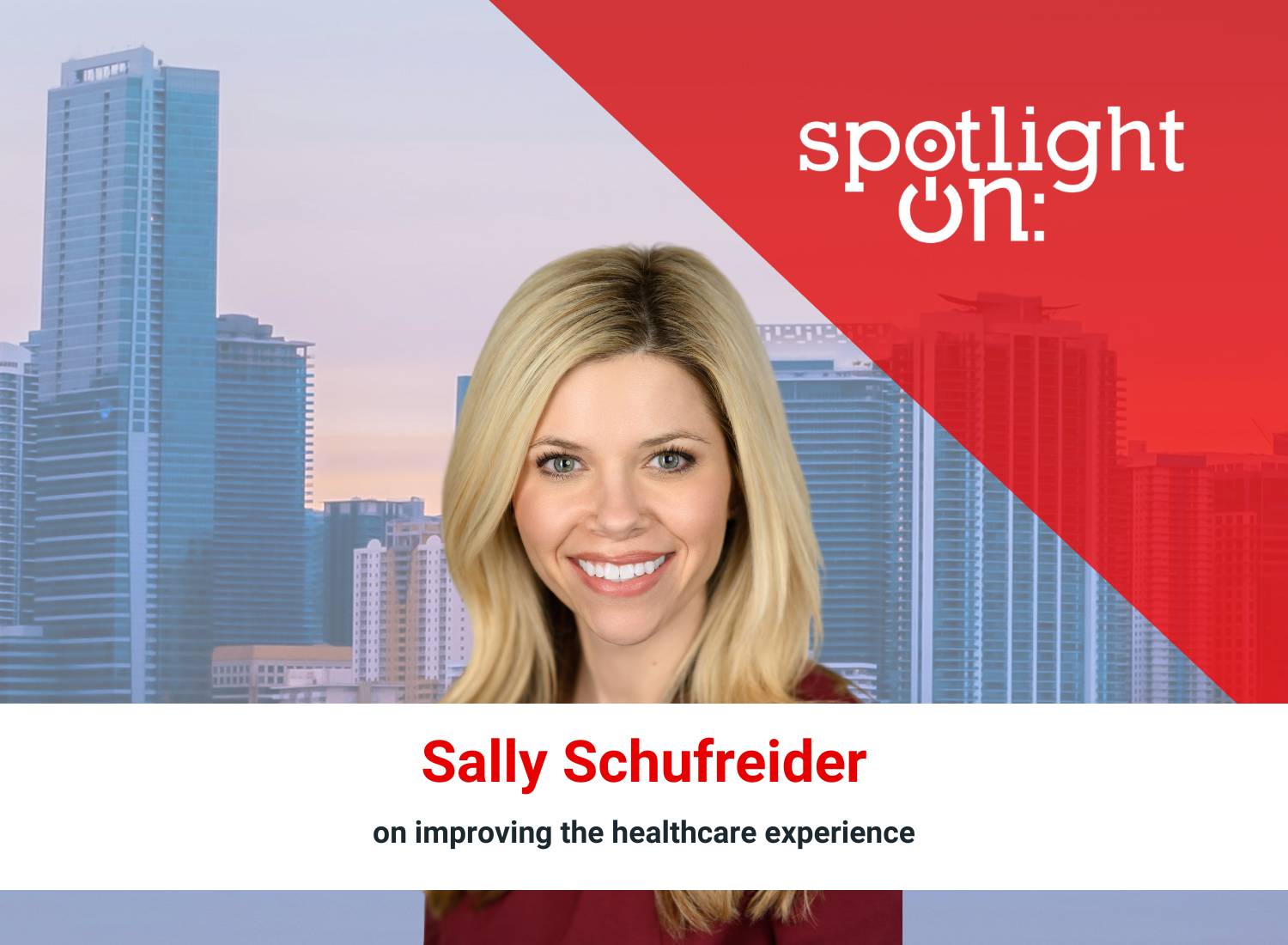 December 2025 — In an interview with Invest:, Sally Schufreider, market leader and general manager of Cigna Healthcare, said that personalization, innovation, and proactive care are at the heart of the company’s strategy to address rising healthcare costs and evolving customer expectations. “This isn’t just marketing language — we have a dedicated customer experience team, an office of transformation and transparent reporting on our progress. It’s core to who we are,” Schufreider said.
Join us at the Invest: Philadelphia 6th Edition Leadership Summit! This premier event brings together hundreds of Philadelphia’s business and regional leaders to discuss the challenges and opportunities for businesses and investors. Buy your ticket now!
Looking back, how would you describe the past year for Cigna Healthcare in Philadelphia?
2025 has been a year full of change and challenge for our industry, but it’s also presented an opportunity for Cigna Healthcare. We’ve been implementing a multi-year strategy aimed at improving the healthcare experience for our clients, and that’s positioned us ahead of much of the industry. As concerns around healthcare navigation grew throughout late 2024 and into 2025, we were already working on targeted solutions.
Let me break that down into real examples. When people engage with the healthcare system, there are routine moments, like booking a primary care visit, or an OB-GYN appointment. These everyday tasks should be simple, so we’ve built user-friendly tools to help customers navigate them more easily.
But we also recognize there are moments of crisis like a cancer diagnosis or a serious accident, where more intense support is needed. In those instances, we offer a service called My Personal Champion. These are dedicated representatives who work directly with individuals to guide them through the healthcare process, provide navigation tools, and remove administrative barriers, whether it’s a denied claim or a pending authorization. Their job is to ensure the customer can focus on their health, not on paperwork or system obstacles.
Another example is our Prior Authorization Tracker. Prior authorizations are often criticized across the industry, but they play an important role in ensuring medical necessity and cost-effective care. To make the process more transparent, we launched a platform tool through MyCigna where members can see the real-time status of their authorizations. As a personal example, my son has autism and receives ABA therapy. Every six months, I need to reauthorize those services. I can now log into MyCigna, see the status, and access the approval letter. If there’s a delay or issue, I can chat instantly with either an AI assistant or a One Guide representative to resolve it. It’s a much more efficient, empowering experience.
What are Cigna’s most pressing challenges right now?
The biggest challenge — and opportunity — lies in healthcare cost trends. We’re seeing the highest healthcare cost increases in 15 years. For employers, healthcare is the second-largest expense after payroll. If healthcare costs go up, so do employer contributions and individual premiums, which is just not sustainable.
One of the key drivers of rising costs is behavioral health. It now accounts for about 10% of total medical spend, and that number is growing. One in four people have a behavioral health condition, and half of them aren’t receiving any care. That lack of care not only impacts their well-being but also leads to higher costs from exacerbated physical conditions.
Employers are well aware — 66% report that behavioral health is a top concern. And it’s not just a current problem. The next generation of the workforce shows an even higher prevalence of behavioral health issues, so the cost and demand will only increase.
Cigna is responding in multiple ways. First, we launched on-demand behavioral health consultations. Customers can call the number on their ID card and get an immediate 45-minute consultation with a licensed therapist. From there, we guide them to in-network providers, either virtually or in person, and follow up after their first visit to ensure it’s a good fit. We’re the only health plan offering that kind of immediate access and follow-up for behavioral health.
And we’re expanding beyond just therapy. Behavioral health includes things like substance abuse, eating disorders, and conditions like autism. For instance, we’re launching Little Otter in 2026 — a virtual coaching and support platform for families with children on the spectrum. This reduces barriers by offering care in the home. We also partnered with Headspace to provide digital mindfulness and meditation tools accessible through your phone, supporting people wherever they are in their journey.
How has the alliance with Evernorth enhanced your ability to deliver better, more customized care?
Partnering with Evernorth has been a game-changer for Cigna. It gives us access to cutting-edge innovation and puts us ahead of the curve, something we’ve consistently heard from our markets in both Philadelphia and Pittsburgh.
Right now, pharmacy is one of the most talked-about areas in healthcare as it can drive a significant amount of spend for employer groups if not managed the right way. Evernorth gives us pharmacy expertise through its pharmacy benefit manager, Express Scripts, and we’re taking big steps forward.
Just recently, we announced that we’re moving to a rebate-free pharmacy model starting in 2027. There’s enormous pressure from employers and policymakers to lower medication costs and improve transparency. Traditionally, pharmacy benefit managers negotiate rebates with drug manufacturers, which aren’t always visible to the consumer. Our new model ensures that when a customer fills a prescription, they get the lowest possible cost at the point of sale.
By shifting away from rebates and focusing on real-time pricing, we’re bringing all that behind-the-scenes work to the front line for the benefit of our customers. We’ve received fantastic feedback, and we believe this will give employers much-needed flexibility in managing costs.
How is Cigna using technology to support its mission and improve operations?
Technology plays a central role. We serve a wide range of generations, each with different preferences when it comes to accessing healthcare. Older generations might prefer calling a representative, and we fully support that through One Guide. But younger generations such as millennials and Gen Z expect cutting edge digital solutions.
That’s why we launched a new AI-powered service model within MyCigna. Members can now chat with an AI assistant to ask questions about benefits, find care options, or upload documents like out-of-network bills for processing. It’s fast, personalized, and accessible on demand — meeting customers where they are in their healthcare journey.

What major trends are you seeing, and what headwinds do you think will affect your strategy in the region?
Philadelphia is a really exciting place to be. I was born and raised here, and I’ve seen the city evolve into a healthcare innovation hub. We have world-class institutions like Penn driving advancements in gene therapy and biotech, and top health systems producing incredible talent.
That said, Philadelphia faces real challenges, especially around poverty and access to care. We have renowned hospitals on nearly every corner, yet many residents still can’t access the care they need.
This is where Cigna can make a difference. We offer comprehensive virtual care solutions for our members, which help bridge those gaps. For example, we’ve partnered with MDLive to offer virtual dermatology services. If you notice something on your skin, you can upload a photo through MDLive and get feedback from a licensed dermatologist — no waiting a year for an in-person appointment. If further care is needed, we will help you schedule it. This removes barriers and improves timely access to care.
Beyond dermatology, what other steps are you taking to expand access to underserved communities?
Emergency room overuse has long been a challenge in Philadelphia. With changes to Medicaid eligibility, we expect even more people to delay care and end up in the ER. That’s costly and unsustainable for both the system and individuals.
To address this, we’re expanding access to urgent care, especially in virtual settings. Right now, with MDLive, you can schedule a visit and speak with a provider who can diagnose, prescribe, and offer follow-up. But our next evolution eliminates the need to schedule at all. You’ll be able to submit your symptoms, photos, or concerns asynchronously, and a provider will review and respond — no face-to-face needed unless the case requires it.
Of course, some situations demand in-person care, but for common conditions, this model provides quick, accessible treatment and helps reduce the strain on ERs.
What are Cigna’s top priorities for the next two to three years, and how do you see the healthcare landscape evolving in Philadelphia and Pittsburgh?
There are three key priorities. First is continuing to improve the customer experience, making healthcare less complex, more accessible, and holding ourselves accountable.
Second, we’re tackling rising healthcare trends, especially around oncology. Cancer is a top cost driver across every employer group, regardless of industry. Through our PathWell specialty program, we’re steering members toward lower-cost infusion therapy options, reducing costs by up to 15%. We also offer consult services that connect physicians with top oncologists to confirm treatment plans. This results in significant savings — on average, $17,000 per case.
Finally, we understand that a cancer diagnosis impacts entire families. That’s why we offer caregiver support, healthy food delivery services, and wraparound resources that consider the full household, not just the individual.
These priorities on experience, cost containment, and holistic care will guide us as we navigate the evolving landscape in both Philadelphia and Pittsburgh.
Images provided by Cigna Healthcare.
Want more? Read the Invest: Philadelphia report.