






Spotlight On: Victor Berrios, Chairman of the Board/President & Owner, Tennessee Latin American Chamber of Commerce/ Jani-King Nash
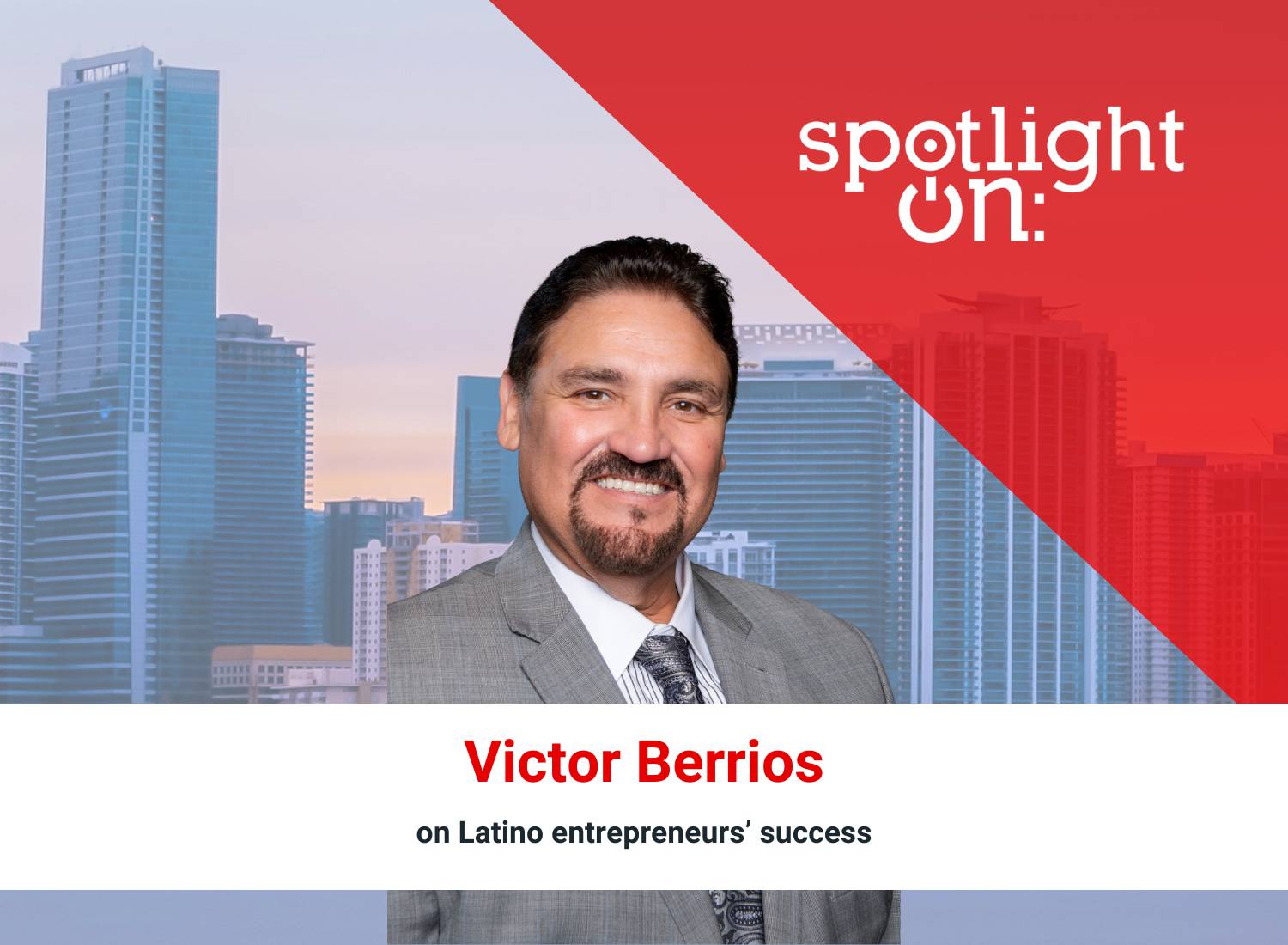 December 2025 — In an interview with Invest:, Victor Berrios, chairman of the board of the Tennessee Latin American Chamber of Commerce and president and owner of Jani-King Nashville, discussed expanding access, workforce development, and advocacy, noting, “Building a strong network opens markets and opportunities that may not appear otherwise.”
Join us at caa’s upcoming leadership summits! These premier events bring together hundreds of public and private sector leaders to discuss the challenges and opportunities for businesses and investors. Find the next summit in a city near you!
What developments have most influenced the chamber’s mission to empower Latino entrepreneurs and professionals across Tennessee?
One major milestone for the Tennessee Latin American Chamber of Commerce has been the creation of the Chamber Foundation, known as the Tennessee Latin American Foundation (TLAF). This 501(c)(3) foundation now opens funding avenues that were previously out of reach.
With the Chamber Foundation supporting the chamber’s initiatives, the organization is better positioned to expand services that had been limited by financial constraints. The Foundation’s mission is to help Latino- and minority-owned businesses gain financial literacy, business skills, education, and regulatory compliance at all levels.
This support allows the chamber to run more business seminars, B2B networking events, coaching sessions, and literacy programs, ultimately serving more Latino entrepreneurs across Tennessee.
What is driving growth and opportunity for Latino-owned businesses in Tennessee?
Latino entrepreneurs are playing a major role in Tennessee’s entrepreneurial landscape, contributing fresh ideas and perspectives. These businesses are not just growing as they are a vital engine for job creation, revenue, and economic diversification.
Latino businesses are expanding beyond food and retail into construction, real estate, professional services, technology, and entertainment. This diversification, along with technology adoption and sustainable practices, is boosting growth and resiliency.
The momentum is not just about demographics. It is driven by institutional and cultural factors, too. A rising population, strong community support systems like the chamber and the Chamber Foundation, and favorable policies all help fuel this dynamic growth for the Latino community.
How are chamber members facing challenges that include access to capital and market shifts?
Securing funding remains tough for Latino entrepreneurs starting out, as they have historically faced disparities in loan approvals. Many are exploring alternative funding and seeking programs designed for minority-owned businesses.
Some are partnering with other established Latino business owners to strengthen their footing. Limited English proficiency can also create barriers with customers, partners, and lenders, so many hire bilingual staff and develop bilingual marketing to bridge that gap.
Building a successful business takes time, money, and a strong network. Entrepreneurs who use online tools, manage resources wisely, and take advantage of networking through groups like TLACC position themselves for success.
How is Avanzando 2.0 helping business owners and their employees build skills and stay competitive?
Avanzando, meaning “moving forward,” is one of our most important initiatives. This no-cost business accelerator, launched by TLACC, builds on the original version with a curriculum tailored for established entrepreneurs.
Participants gain strategic business development, sustainability training, networking, one-on-one coaching, and leadership development. The goal is to help Latino business owners grow revenue, set clear goals, and strengthen their organizations.
Avanzando 2.0 delivers culturally relevant training that combines advanced strategies, sustainable practices, and mentoring, driving measurable growth and a stronger Latino business community.
The first version was basic, helping new entrepreneurs get started. The 2.0 version focuses on scaling, financial literacy, and improving creditworthiness with lenders. It reminds entrepreneurs not to get lost working in the business but to step back, plan, and scale wisely.
What role do events, cultural programs, and partnerships play in promoting inclusion and leadership development?
Networking is one of the most powerful tools an entrepreneur can use. Building a strong network opens markets and opportunities that may not appear otherwise.
It is important to take advantage of programs that sharpen leadership skills and help entrepreneurs adapt to Tennessee’s unique business ecosystem, which may be very different from the one they came from. Smart entrepreneurs understand that success depends on immersing themselves in the local business community and embracing opportunities to collaborate and grow.
What lessons have you learned from running your own business that apply to other small businesses?
My personal journey has been one of highs and lows, like just about every other entrepreneur’s. What has carried me through is understanding that these peaks and valleys exist and will always be part of doing business. The key is not to get too high or too low, but to manage expectations reasonably and not overextend resources.
It is very important to have a clear vision of the future and then engineer a path to achieve it. I have always believed in picturing the future and then reverse-engineering the steps to get there.
One of the biggest lessons is discipline. Everything must be done with discipline and moderation. Sometimes people taste success and think they have “made it,” but I never believe I have made it. I keep working, pushing, and growing. Maintaining that mindset ensures there is always room to build, scale, and achieve more.
How can local businesses respond to workforce needs and support employees in essential industries?
Businesses should make sure their employees are well taken care of in ways that other companies are not doing. Everyone works for a paycheck, that is clear, but people also yearn for respect, dignity, and self-worth.
There is no more important task than to speak directly with employees and let them know how valuable they are, not just to the organization but personally as well. Showing genuine concern and valuing employees builds loyalty that is immeasurable.
When that happens, companies thrive because customers reap the benefits of a staff that truly cares about what they do every day. Take care of the people who are taking care of the business. If someone is not servicing the client directly, they are servicing someone who is, so they should give 100% every day. Treat employees with respect and dignity — they are out there making an honest living and deserve that commitment.
What role does advocacy play in removing barriers for small businesses and supporting the Latino community?
Organizations like TLACC must maintain a watchful eye on what is happening at the legislative level that may negatively impact minority-owned businesses, for Latino-owned businesses, and all minority businesses.
If and when a bill reaches the legislative floor that does not favor minority businesses, our collective voices must be raised to ensure lawmakers understand the business community’s perspective. If voices are not raised and the impact of these decisions is not communicated, then advocacy is not being done correctly for our member businesses or any other Latino or minority-owned business out there.
Looking to the future, what are your top priorities for expanding the chamber’s reach over the next few years?
With the Chamber Foundation now established, the chamber will be able to roll out additional programming that helps members access the resources they need. One key priority is partnering with local community colleges and universities to develop strong curricula that prepare young entrepreneurs for the jobs of today and tomorrow. This is an initiative we have been discussing for some time, and the moment has come to move it forward.
We have piloted a couple of very successful programs. Now, with the Foundation’s support, we will be able to offer meaningful scholarships to Latino students that help them through their college years, all the way to graduation, and into becoming productive members of Tennessee’s business ecosystem.
Many organizations offer scholarships to Latinos and other minorities, but too often these amounts are insignificant. Giving $1,000 or $2,000 may not truly change the trajectory of a student’s college experience. What we are looking to do is play a meaningful role in someone’s life by providing support that will genuinely propel them to graduation.
Too many students start college but drop out a year or two later, and finances are the biggest reason why. Programs like the Tennessee Promise help with the first two years, but what happens when a student wants to continue to a four-year degree, a bachelor’s or master’s, but cannot afford it? One of our top goals for the Foundation is to build a robust scholarship system that helps Latino students complete college and reach their full potential.
Want more? Read the Invest: Nashville report.