






Spotlight On: Yuval Shram, Founder & CEO, TAY Investments
Key points:
• Unpredictable market conditions are pushing developers to prioritize timing, liquidity, and disciplined growth.
• Jersey City’s transit access and rental demand continue to anchor TAY’s long-term multifamily strategy.
• Lifestyle flexibility and amenity-rich buildings are extending renter tenure and strengthening asset performance.
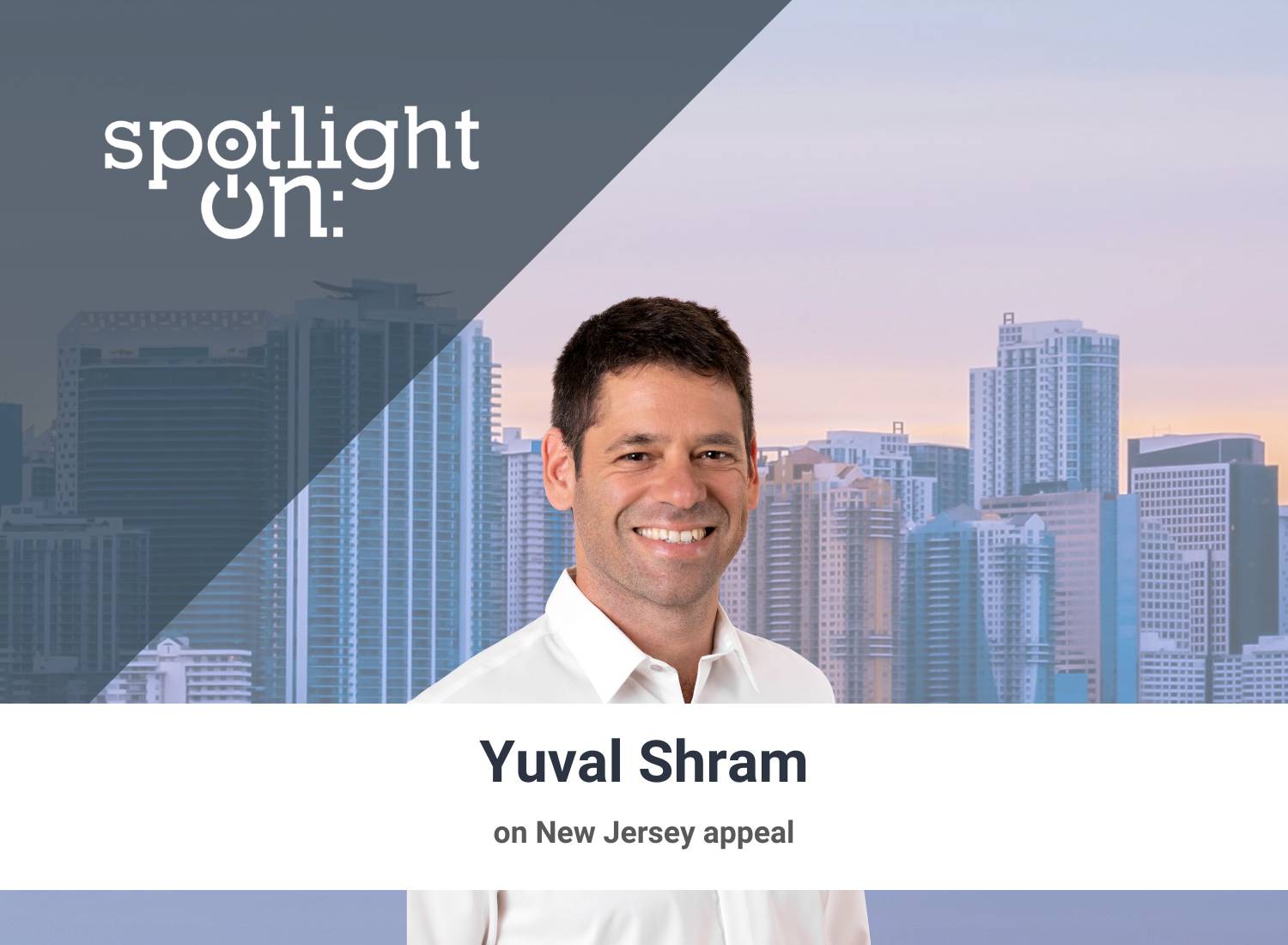 February 2026 — In an interview with Invest:, Yuval Shram, founder and CEO of real estate developer TAY Investments, talked about Jersey City’s appeal for TAY investment, its refinancing strategies, and the evolving demand for amenity-rich multifamily spaces. Shram also reflected on the “particularly unusual” past year. “The most significant change, in my view, is the absence of a clear, predictable trend moving forward,” Shram said.
Join us at caa’s upcoming leadership summits! These premier events bring together hundreds of public and private sector leaders to discuss the challenges and opportunities for businesses and investors. Find the next summit in a city near you!
Reflecting on the past year, what have been the most significant market changes that have shaped how TAY Investments operates in New Jersey?
The past year has been particularly unusual. Typically, the market follows a clear trajectory, where you can see if it is either rising significantly, declining sharply, or moving sideways. However, the last year has been marked by simultaneous fluctuations, making navigation exceptionally challenging. It feels akin to being in the open sea, with waves lifting and dropping unpredictably.
The Trump administration’s policies, coupled with interest rates that were expected to decline but only saw minor adjustments, created uncertainty. Rents and market prices surged, fueling optimism, yet inflation remained stubbornly high. The economy feels dynamic yet volatile, making it difficult to discern a definitive pattern. The most significant change, in my view, is the absence of a clear, predictable trend moving forward.
What have been some of TAY Investments’ most significant developments?
TAY Investments is constructing 330 multifamily units across two properties in New Jersey — one in Jersey City and the other in East Orange. As a multifamily developer, we function as a private equity firm specializing in full-cycle development, from land acquisition and entitlement to construction and asset management. We serve as the developer, general contractor, and general partner, ensuring seamless execution. Over the past year, we have also refinanced $120 million in loans, strategically timing these moves amid fluctuating interest rates. Additionally, we are under contract for a substantial property exit, which will benefit our limited partners. Despite market turbulence, we remain highly active, securing new land for development while optimizing our existing portfolio.
Given that your project at 301 West Side Avenue in Jersey City is your sixth development in the area, what makes Jersey City a preferred hub for TAY Investments?
Jersey City is one of our favorite markets. Its proximity to New York City, robust transportation infrastructure, and thriving employment hubs make it an ideal location for multifamily development. The city’s forward-thinking urban planning has positioned it well to absorb shifts in demand, particularly as remote work trends have prompted migration to secondary markets. We have capitalized on this momentum, and our ongoing projects reflect our confidence in Jersey City’s long-term growth.
You recently refinanced the Garfield Avenue project for nearly $36 million. How does this reflect your company’s stability and the broader market conditions?
Securing sizable loans in this environment is a strong indicator of stability. We engage external consultants to review complex loan agreements, particularly agency loans with intricate terms. One adviser aptly summarized it: the fact that lenders at this time are still willing to extend capital to our group, signifies that we are in a favorable position. While the market remains unpredictable, we are confident that once conditions stabilize, we will emerge well-positioned to capitalize on opportunities. Our ability to refinance and maintain liquidity underscores our resilience.
Explore more from our New Jersey coverage:
Spotlight On: Jason Pierson, President, Pierson Commercial Real Estate
Spotlight On: Lacole Broadus, Founder, Fitness Compulsion
Spotlight On: Wesley Wilcox, Partner, G.S. Wilcox & Co.
From a broader perspective, how have transit-oriented development initiatives and zoning changes in areas like Jersey City influenced your investment strategy?
Location and accessibility are paramount in our investment criteria. We prioritize sites near transportation hubs and employment centers, ensuring residents can commute efficiently. The post-pandemic shift toward suburban and secondary markets has benefited Jersey City, which was already well-prepared with transit-oriented infrastructure. Our existing footprint in the city has allowed us to leverage these trends effectively.
With Jersey City’s ongoing urban revitalization, how has the perception of mixed-use projects evolved, particularly in terms of amenities and community-building?
The demand for larger, amenity-rich multifamily spaces has grown steadily over the past five to six years. Tenants now seek not just functional living spaces but holistic environments that promote wellness and community. For instance, our latest developments at 301 West Side Ave., Jersey City, feature “sanctuary” amenities, including indoor amenities such as gyms, saunas, cold plunges, meditation areas, and yoga spaces, all of which are designed to foster a healthy lifestyle.
We collaborate closely with architects and interior designers to create cohesive spaces that encourage social interaction. By integrating amenities like rooftop pools and communal lounges, we cultivate a sense of belonging, reducing tenant turnover and enhancing long-term value. This approach aligns with modern urban living preferences, where convenience, wellness, and community are paramount.
What changes have you noticed in tenant behavior in today’s environment? For example, are there shifts in demand for certain property types or demographic changes?
Over the last 15 years, or perhaps a little longer, that I have been active in this market, the trend has always been upward. This relates to many factors, including interest rates and the high cost of living in New Jersey. Owning a home here is expensive and challenging. Additionally, lifestyles have evolved. I am 43 years old, the youngest of four siblings, and my parents are in their 80s. In their generation, buying a home and settling in one suburb for life was the ultimate goal. Today, mobility is key. People relocate frequently, whether for work, lifestyle, or personal reasons. This flexibility is something we facilitate through leasing rather than ownership.
My tenants, who are essentially my clients, typically begin renting right after college, around ages 21, 22, or 23. In the past, they would stay until their early 30s, then move to the suburbs after marriage. Now, they often remain renters until 38 or even 40. This means I retain my clientele for nearly 20 years, which is much more beneficial for our business.
How does the growing desire for flexibility, especially with advancements in technology, impact your business?
The ability to work remotely has made it easier for people to live and work from different locations, allowing them more flexibility providing a better lifestyle and work life balance. We try best to cater to this demand by both creating amenities suited to it such as shared office spaces and large adaptive common areas with high speed internet set up for work and play.
We also utilize new technologies from the prop tech services sphere to help both tenant and landlords manage the new and changing day to day needs of today’s renters, such as online concierge, remote package deliveries, tailored move ins and cleaning services, all done online and in one place to create the best tenant experience.
Looking toward the future, what are the top priorities and goals for your investments in the coming years?
Growth is important, but I have learned that rapid expansion is not always the best path. With time and experience, I have come to believe that steady, step-by-step growth is not only more sustainable, but also ends up being faster and safer. We aim to grow both personally and in business without overextending ourselves. If our portfolio doubles by the end of 2030, which is five years from now, I would be content. I am optimistic about this trajectory and see it as an achievable goal.
What is your broader outlook for the residential real estate industry in New Jersey over the next three to five years?
We focus on straightforward construction, delivering a product that meets market demand. Our target is the middle market, which consists of hardworking individuals who may not yet be able to afford homeownership but are financially stable. We do not cater to the high end or the low end; instead, we develop class-A multifamily buildings. This strategy positions us well in any economic climate. When the economy weakens, we provide rental options for those who cannot buy homes, and we benefit from higher valuations and financing opportunities when the market is strong. I believe in the multifamily sector as the best path forward.
For New Jersey specifically, I anticipate that two or three rate cuts over the next 12 to 18 months will help stabilize the market, finding an equilibrium where interest rates are neither too high nor too low. Once the current economic turbulence subsides, those who remain in the industry will enjoy a strong 10-year horizon. We are committed to the long term and plan to be part of that future.
Want more? Read the Invest: New Jersey report.