







Stablecoin regulation opens doors — and risks — for US industries

Writer: Mirella Franzese
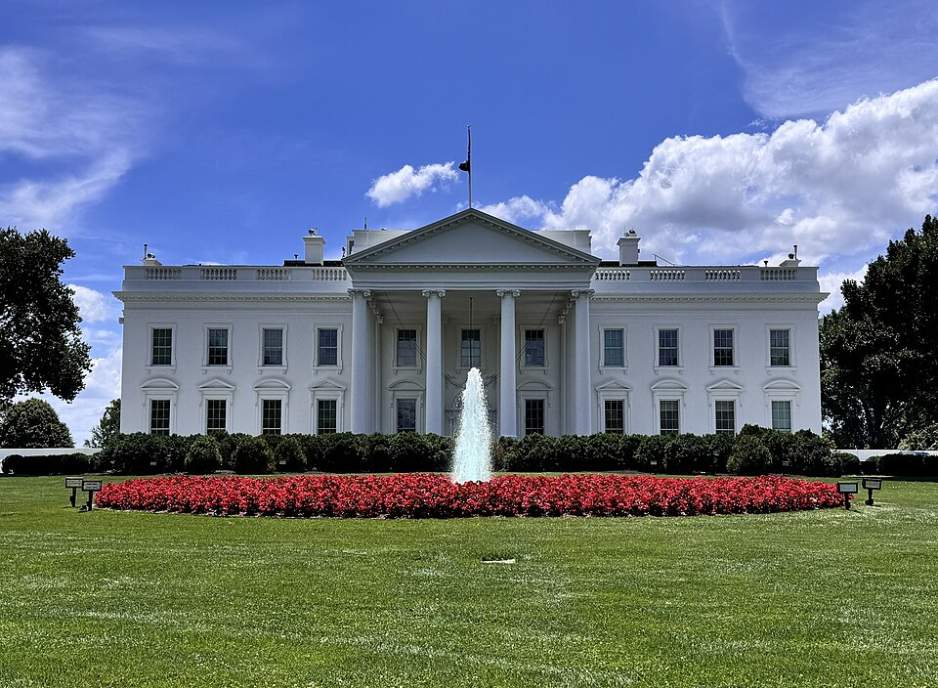
August 2025 — The U.S. has passed its first major crypto law, the Genius Act, signaling a major shift across industries as stablecoins become a regulated part of the financial system.
President Donald Trump hailed the law as a tool to “supercharge economic growth.” The legislation introduces a framework for banks and other corporations to issue stablecoins — digital currencies pegged to the U.S. dollar or other fiat currencies — as the crypto industry matures into the broader financial landscape.
Currently valued at around $238 billion, according to CoinDesk data, the stablecoin market is growing rapidly as they offer consumers the stability of traditional currency with the speed and global reach of blockchain-based transactions.
In 2024, stablecoin transactions totaled more than $28 trillion, surpassing the combined volume of Mastercard and Visa, according to Deutsche Bank.
The GENIUS Act mandates that companies issuing stablecoins must hold dollar-backed reserves — either in cash or U.S. Treasury Bills — for every token they circulate. Treasury Secretary Scott Bessent called the requirement a “win-win-win” for the private sector, the Treasury, and consumers, in a post on X. “This newfound demand could lower government borrowing costs and help rein in the national debt. It could also spur millions of new users across the globe to the dollar-based digital asset economy,” Bessent said.
The act opens up the door for major financial institutions to enter the stablecoin market.
Big Tech firms are poised to benefit, as stablecoins boost trading volumes and generate fee-based revenue. Card networks could also benefit from faster settlement times, including weekend transactions, which could reshape current fee structures.
But not all players stand to gain. Remittance companies, smaller banks, and payment networks face likely disruption. American multinational transfer services corporation Western Union has seen a 22% drop in app downloads. Still, CEO Devin McGranahan views stablecoins as more of an opportunity than a threat.
“Last I checked, you couldn’t spend Stablecoin if you wanted to buy a Coca-Cola,” McGranahan told Bloomberg. “So converting stablecoins into fiat currencies, particularly in harder-to-convert currencies, is an opportunity for us.”
Smaller banks could face rising digital infrastructure costs and reduced access to low-cost deposits. Meanwhile, interchange fees charged by Visa and Mastercard, typically 2% to 3%, may face pressure as merchants and consumers turn to direct stablecoin payments.
“We’ll likely see stablecoins increasingly adopted as a digital alternative to the U.S. dollar,” said Senate Majority Leader John Thune, as cited by CNBC.
“Eventually, payment networks like Visa and Mastercard will have to do so as well, which will lead to lower fees,” said Thune.
Top image via DJTechYT/Wikimedia