






Tara Handforth, Pennsylvania & Delaware Commercial Banking Market Executive, Wells Fargo
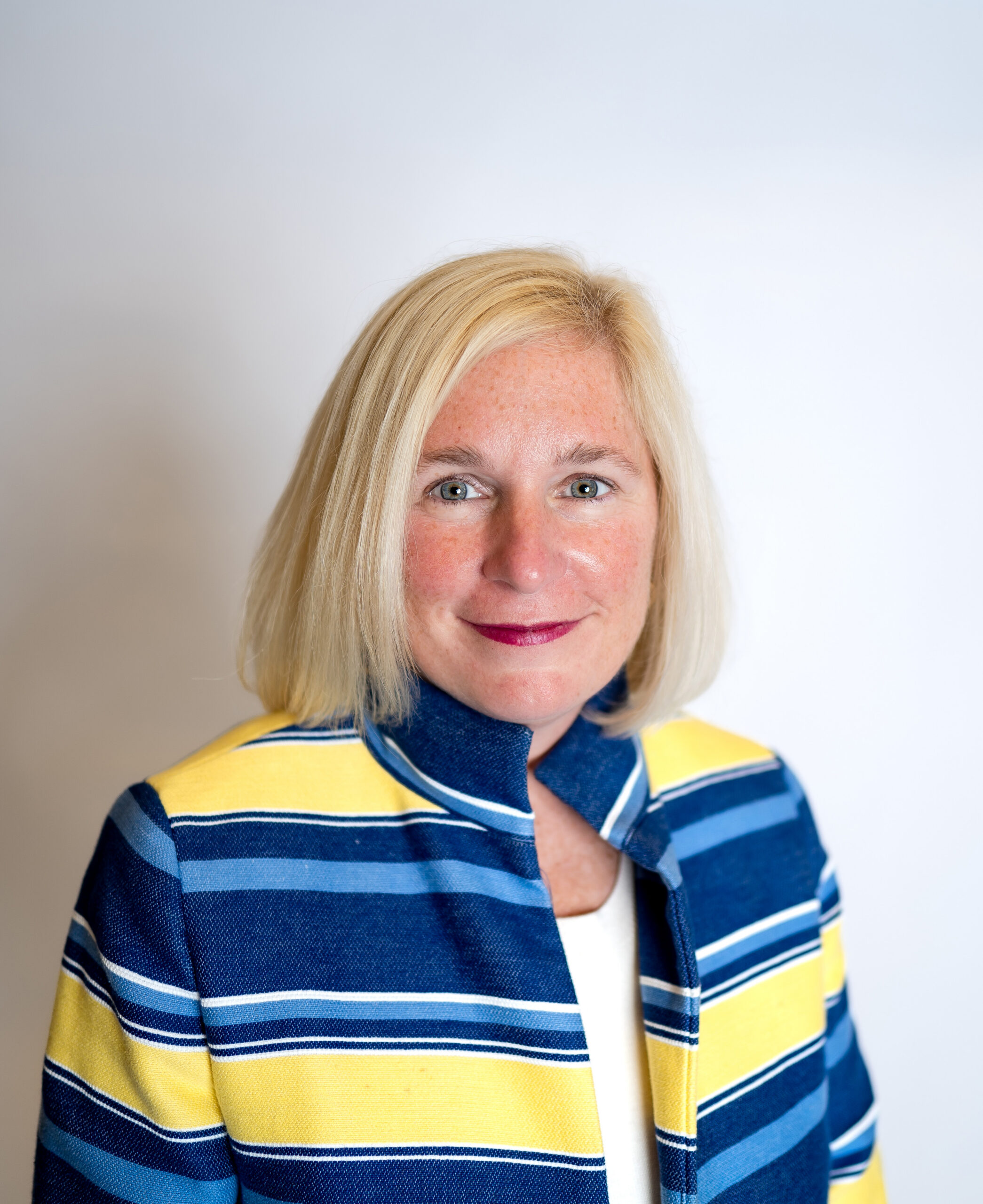 In an interview with Invest:, Tara Handforth, Wells Fargo’s Pennsylvania & Delaware Commercial Banking Market Executive, discussed regional growth, talent investment, evolving client needs, economic resilience, and community engagement. “We’re here. We’re committed. And we’re ready to continue contributing to the Philadelphia economy in meaningful ways.”
What have been the most significant milestones for Wells Fargo in the mid-Atlantic region?
The most significant focus over the past 24 months, and it has really accelerated over the last 12, has been investing in new talent across our relationship management and business development teams. We’ve essentially doubled the size of the team.
It started with bringing in a leader, followed by eight senior relationship managers and three more junior relationship managers early in their careers. We also hired three individuals focused exclusively on business development. It has been exciting to see this growth.
The reason behind the investment is clear: most of the individuals we’ve hired are focused on companies with revenues between $25 million and $100 million. The businesses I oversee range from $25 million up to several billion in revenue. While we’ve had a long-standing presence in Philadelphia — our charter dates back to 1863 through a predecessor institution — we realized we lacked adequate focus on companies in that $25 million to $100 million range.
There are thousands of companies in Pennsylvania within that revenue band, so we saw a clear opportunity. Beyond hiring, we also focused on improving our credit infrastructure and aligning our products and services with the needs of these clients. We’ve built systems that improve our speed to market and tailored our offerings to support companies at different stages of growth.
One advantage of having a strong book of business and an established reputation is the ability to attract top talent. We had robust candidate pools for every job posted, and while the decisions were tough, we were fortunate to have options. That ability stems from our long history in the market and the trust we’ve earned over time.
What themes or forces are shaping the next chapter of commercial banking, and how are you adapting?
Technology and payments are major drivers of the future, not just for Wells Fargo, but for the entire industry. Credit is a constant; all banks lend money, though the delivery may vary. What’s evolving rapidly is how clients want to operate. They’re seeking more efficient and secure ways to pay people and reduce manual labor and reconciliation.
Many clients, even smaller ones, are moving to platforms with best-in-class technology that integrate well with their systems. It’s no longer just about moving dollars; it’s also about the information attached to those transactions and ensuring it reaches the right place inside an organization.
Fraud is another growing concern. The bad actors are always one step ahead, and while we can create tools and prevention systems, common sense still goes a long way. For example, a text message claiming to be from a bank often isn’t — clicking on suspicious links can be risky.
We do a lot of education with clients, especially when new people join their teams who may not yet understand internal processes. Seminars on fraud and security help clients strengthen their controls, and we often serve as a sounding board as they develop those systems, in addition to offering the banking infrastructure to support them.
Additionally, private credit continues to be a focus for the banking industry. We are really excited about Overland, our private credit solution for middle market companies. Our clients really appreciate another option when they are looking to access capital to advance their most strategic objectives.
An additional area of focus for us are generational ownership transitions. With baby boomers owning nearly half of all private U.S. businesses and all set to be over 65 by 2030, we’re helping clients protect their legacies, prepare successors, and align business and personal financial strategies. We’re taking a purposeful, integrated approach by combining Commercial Banking and Wealth & Investment Management expertise to guide business owners through pivotal generational transitions.
How is the environment influencing client decision-making, and what trends are emerging in their financial strategies?
Ongoing tariff and policy shifts continue to make an impact on the business community. The uncertainty is tough to navigate. But it’s in times like these that Wells Fargo really shines.
Our relationship managers know their clients well. We invest time in understanding each business deeply — that applies to new clients too. We want to be strong partners, which means offering not just products but also insights, solutions, and sound advice.
Wells Fargo’s strength, scale, and diversified funding allow us to provide consistency. We have strong capital access, a balanced deposit mix, and resilience in our business model, all of which position us to support clients through uncertainty.
Right now, we’re listening more than ever. Clients are not rushing into decisions; they’re being thoughtful. Some were proactive months ago, and industry dynamics vary. But there’s also opportunity in this moment.
Some clients are facing stretched supply chains and will need working capital. Others are considering shifting production to the United States, and we’ll be there to provide capital for that transition. If businesses take a breath, assess the landscape, and collaborate closely with their bankers, there’s a real chance to emerge stronger on the other side.
What role does Wells Fargo play in the region’s economic development?
Our role is to help clients achieve their business goals. That could mean providing capital or offering technology that improves efficiency and enables scalability. We’re here to support the business community and help it grow by tapping into all the positive developments happening in the region.
Philadelphia has a diverse economy with a broad mix of industries, and we’re well-positioned to serve that diversity. For example, we have a relationship manager with deep healthcare experience who focuses solely on that sector, recognizing the city’s strength in education and medicine. We also have a dedicated technology practice. The national leader of that group is based in Philadelphia, and he has a team supporting tech companies in the region.
We bring expertise, resources, and a commitment to being thought leaders, all in service of helping clients navigate whatever environment they face.
How is Wells Fargo engaging with the community, and what is the long-term economic impact of that work?
Just in 2024, Wells Fargo & Company and Wells Fargo Foundation philanthropic giving totaled $11.8 million in Pennsylvania in support of housing, small business, financial health, and other community needs, and employees volunteered more than 14,000 hours.
Beyond grants, we’re also active in volunteerism. I personally participate in several initiatives. We’re involved with Junior Achievement and support customers in the region who operate their own foundations. Our teams also engage in volunteer events, like spending a day at a local food bank.
And it’s not just the commercial banking team. Wells Fargo has a broad presence in Philadelphia — our asset-based lending group, retail operations, and others are all engaged in similar efforts. We live and work in this community, so we’re passionate about contributing meaningfully.
What are your key near-term priorities?
Looking ahead to 2026, even with some of the uncertainty and potential headwinds, this is a time of opportunity. The investments we’ve made in the business over the past two years have put us in a strong position to capitalize on that.
We’ve brought in great people and are continuing to invest in them. That includes integrating them into our culture and giving them access to the same tools and systems as our existing bankers — everything they need to succeed.
We want to grow alongside the region and support its development. My goal is for Wells Fargo to be the No. 1 bank in the Philadelphia area.
What excites you most about the future of Wells Fargo in the Philadelphia region?
Philadelphia is a great market for us. We have a large, long-standing book of business, and we deeply understand our clients. We’ve supported them through many economic cycles and are well equipped to continue doing so.
We’re also excited about working with companies that may not yet be Wells Fargo clients but are seeking a different kind of partnership. The new talent we’ve added is going to help us do that.
Our commitment is long-term. We’re here to support the business community through today’s short-term volatility and help leaders pursue their plans. The region is poised for success, given all the positive momentum in the Philadelphia market.
When we begin working with a company, we’re looking to build a relationship for life, not just complete a transaction. Nationally, the average length of our relationships is more than 21 years. In Philadelphia, it’s even longer, thanks to our deep roots in the area.
We’re here. We’re committed. And we’re ready to continue contributing to the Philadelphia economy in meaningful ways.