







US travel outlook weakens as a slower recovery takes shape

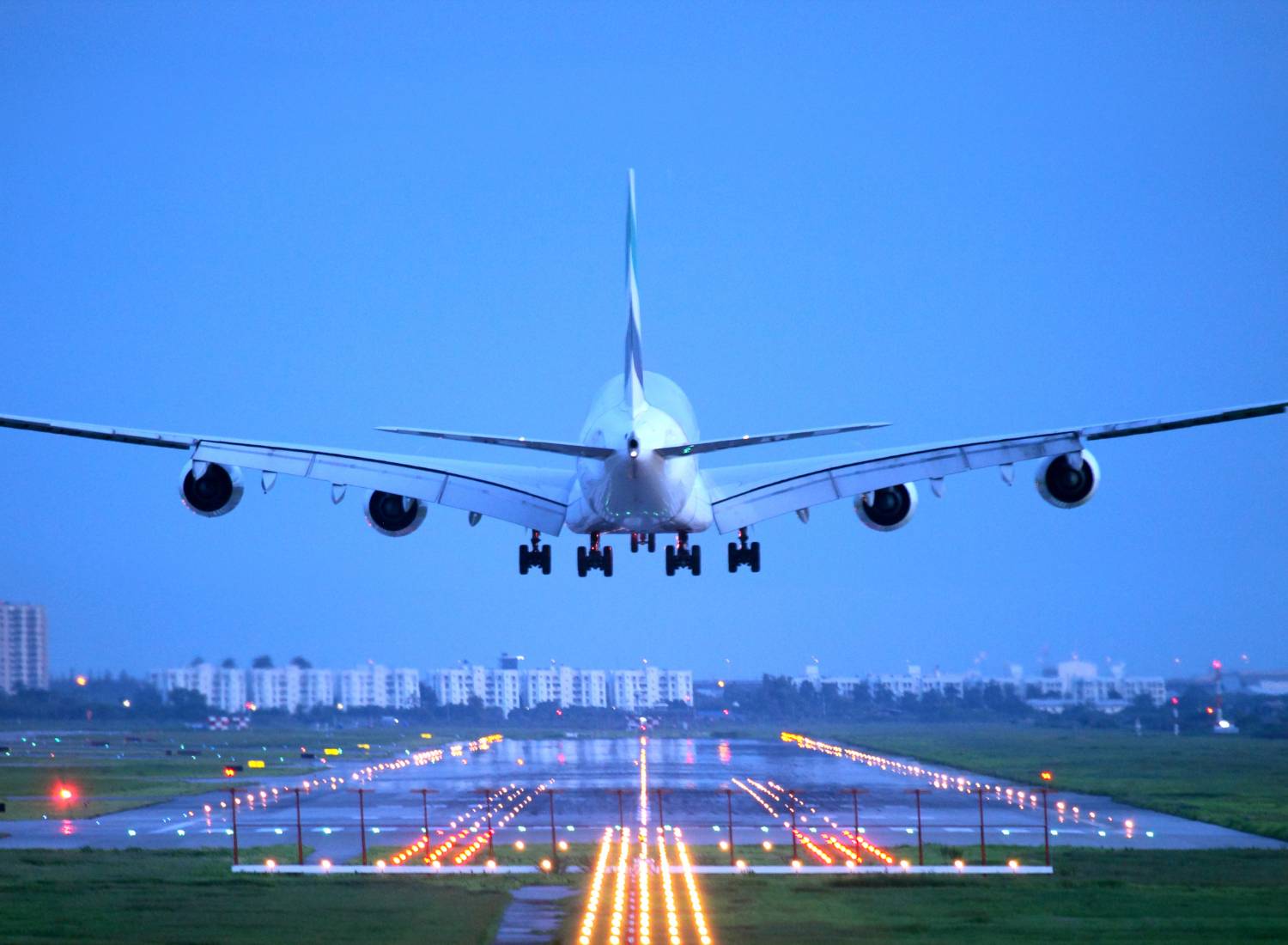 December 2025 — This year marked one of the most challenging periods for the US travel economy since the pandemic, underscored by declining international visits, flat travel spending, lower hotel room occupancy, and major federal budget cuts for hospitality groups.
Join us at caa’s upcoming leadership summits! These premier events bring together hundreds of public and private sector leaders to discuss the challenges and opportunities for businesses and investors. Find the next summit in a city near you!
Headwinds are expected to shift in 2026, with major global events like the FIFA World Cup and America250 showing signs of a potential recovery. Yet, the sector still faces persistent challenges — from restrictive travel policies and rising visa costs to inflated prices — which could undercut next year’s growth projections for hospitality and tourism.
“We previously had a huge market, but we do not see this anymore. Today’s revenues are 10% of what they used to be,” Ehab Mehany, general manager of DoubleTree by Hilton Cherry Hill Philadelphia, told Invest: with regard to changes in the international traveler market.
According to Travel and Tour World, The Trump administration’s crackdown on immigration continues to give some international visitors pause when planning trips to the U.S. Meanwhile, rising visa application costs and lengthy processing times are barring many travelers from visiting the country. Travel spending is also at risk due to macroeconomic headwinds like inflation and tariffs, which have raised costs around the country, making discretionary purchases more difficult to justify.
International uncertainty
Under these constraints, the outlook for 2026 remains largely uncertain. Annual international travel to the U.S. is expected to drop for the first time since 2020, after falling for six consecutive months, according to preliminary data from the U.S. Travel Association’s U.S. Travel Insights Dashboard. Projections show a 6.3% decline in the number of overseas international visitors this year.
Canadian inbound travel — which has historically been one of the biggest segments for U.S. tourism in terms of sheer numbers and spending — also continues to extend its near year-long slump, dropping 20% to 30% in October, per the report.
As a whole, the number of Canadian visitors in the U.S. has declined steeply from January to October in 2025, impacting American businesses in regions along the U.S.-Canada border that have long depended on Canadian tourism dollars.
“These are more than numbers; they represent missed revenue for local businesses, reduced hotel demand, and fewer dollars supporting jobs and investment in our community,” Shirley Hughes, president and CEO of Visit Fargo–Moorhead, told Yahoo! Finance.
Slower growth
Hotel room demand also continued to slip this year, according to the U.S. Travel Association. Global analytics platforms, CoStar and Tourism Economics, recently downgraded their U.S. hotel performance forecast for the remainder of the year, expecting a “rare” year over year decrease in revenue per available room (RevPAR). This would be the first decline seen since the pandemic in 2020 and the Great Recession in 2009.
“We expect little change in the macroeconomic environment as unemployment and prices continue to rise,” Amanda Hite told CoStar. “As a result, our hotel performance outlook for the remainder of this year and next were lowered once again.”
Despite these difficulties, U.S. hospitality groups continue to grapple with lack of support from the federal government. In July, Brand USA, the nation’s leading destination marketing organization for international inbound travel, experienced an 80% budget cut, dropping from $100 million to $20 million.
Since 2012, Brand USA has attracted 10.3 million additional international visitors to the U.S., generating $76 billion in economic output, and sustaining nearly 40,000 jobs per year, without any cost to taxpayers, according to a statement from the organization following the cuts.
Brand USA’s President and CEO Fred Dixon said this reduction will require a significant recalibration of resources and programming, especially with major global events like America250 and the FIFA World Cup on the immediate horizon.
From a regional perspective, tourism and hospitality leaders who’ve spoken with Invest: have highlighted the importance of tourism revenue as a driver for growth in all community aspects.
“One of the biggest challenges we face is funding,” Jason Johnson, tourism director of Wilson County Convention & Visitors Bureau, told Invest:. “People see government spending and wonder whether the investment in tourism is more important than ambulances, more schools, or better roads. But…tourism brings in new revenue, which ultimately funds those exact things.”
Immigration Woes
Meanwhile, America’s new immigration and visa policies also risk slowing down travel to the U.S., especially from key growth markets in Latin America and Asia.
Brazil saw the sharpest drop in U.S. visa issuance this year under the Trump administration, according to a survey from Brazilian national news outlet Folha de S.Paulo.
The U.S. State Department issued 358,000 tourism and business visas to Brazilians in the first five months of President Trump’s second term, compared to 482,000 in the same period of 2024. In 2023 and 2024, the U.S. issued more tourism and business visas to Brazil than any other country.
In October, the U.S. introduced an additional levy on travelers from non-visa waiver nations, including Mexico, Argentina, Brazil, India, and China. The total cost of a U.S. visa reached $442, which is among the most expensive in the world, as cited by Reuters.
Visitors from those markets accounted for most of the growth across U.S. travel at the start of this year. The number of travelers from Argentina jumped 20% in the first half of 2025, while arrivals from Mexico and Brazil rose 14% and 4.6%, respectively. On the other hand, Western European countries such as France, Portugal, and England, saw a 2.3% drop in visits to the U.S. in response to new policies, according to Euronews.
Additionally, the 2026 FIFA World Cup has some of its biggest fan bases in Brazil, Argentina, England, France, and Portugal. Matches involving these countries are expected to generate above-average travel demand in host cities, according to Tourism Economics economists, as cited by Reuters.
For comparison, the standard international traveler is expected to stay for an average 12 days, buy two tickets per person and spend about $416 daily, per a joint report by FIFA and the World Trade Organization.
Want more? Read the Invest: reports.
Subscribe to Our Newsletters