
Spotlight On: Erik Walsh, City Manager, City of San Antonio
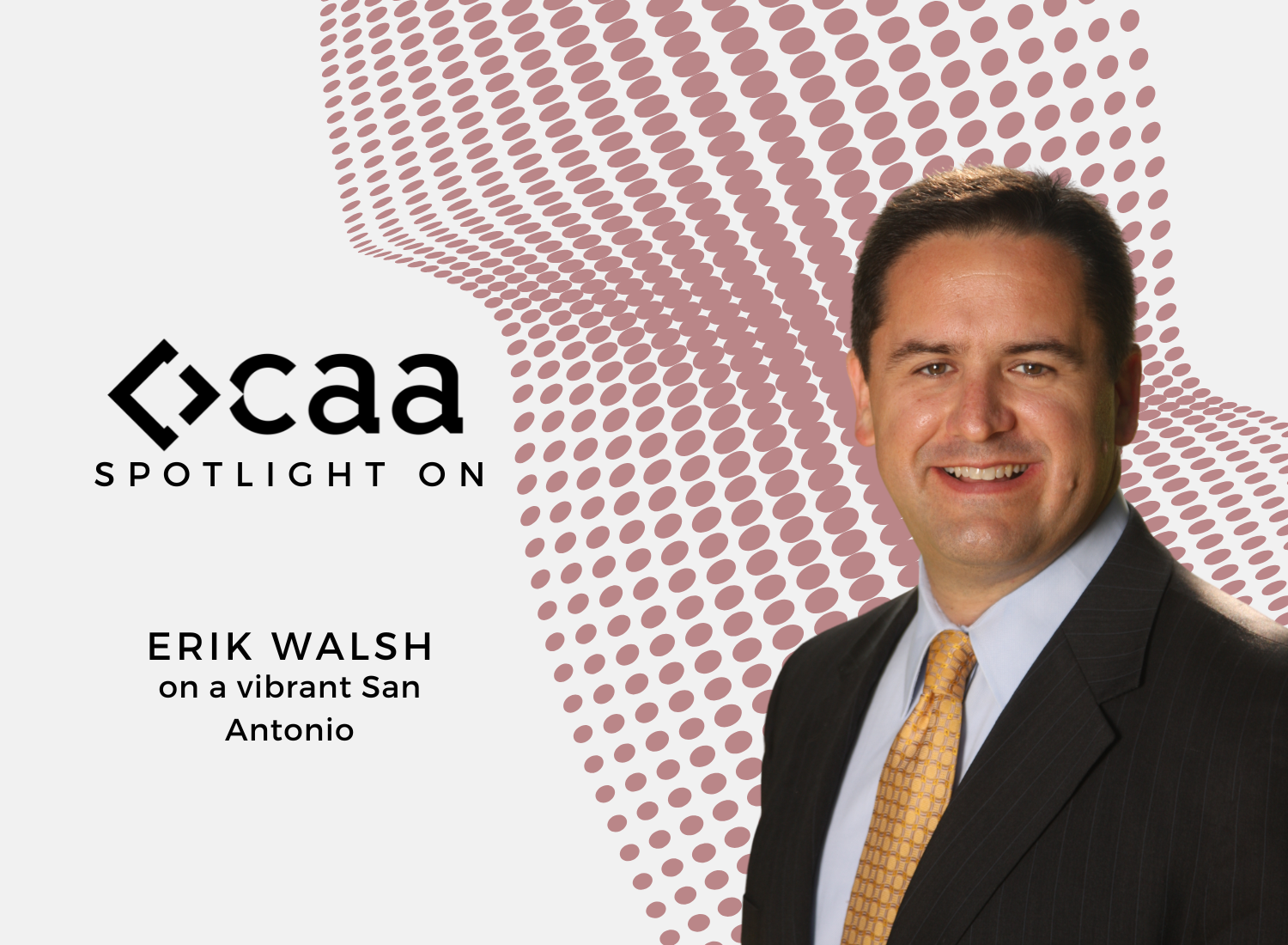
April 2025 — In an interview with Invest:, Erik Walsh, city manager of San Antonio, discussed the city’s growth plans. “We’re focused on large transformational projects like the airport expansion and the downtown sports and entertainment district,” he said. Walsh highlighted initiatives like Project Marvel, infrastructure, and housing affordability. “San Antonio is the largest city in the U.S. with the highest bond ratings, which allows us to invest in critical projects at lower costs,” he added. Walsh expressed optimism about the city’s future, ensuring it remains vibrant and business-friendly.
Could you give us an overview of Project Marvel? What are the anticipated economic impacts and community benefits of this project?
It is the talk of the town right now. We’re still developing plans, but we laid out a vision at the end of 2024 to create a new corner of downtown. This vision includes a significant investment in our Convention Center, the complete development of Hemisfair Park—which has been partially redeveloped but has had a plan in place for years—and active discussions with UTSA to relocate the Institute of Texan Cultures and purchase that property from the University of Texas system. We’re also exploring the possibility of working with the Spurs and Bexar County to build an NBA arena on that site.
The vision also includes continued investment in the Alamodome to ensure it remains competitive for hosting major events like Final Fours and stadium concerts. We’re looking at decking or bridging over the highway to connect both sides of the Alamodome to Hemisfair Park and the potential NBA arena site. Approximately 50 acres of developable property have been identified in this area, creating a destination for sports and entertainment.
We’re working with the federal government to acquire a federal building and surface parking lots to expand development opportunities. Additionally, we’re considering adding another convention center hotel alongside the Grand Hyatt to support the potential expansion of the convention center. The goal is to remain competitive with peer cities by adding 150,000 to 200,000 square feet of contiguous exhibit space and incorporating more park features.
This project will require significant infrastructure investment. We presented this vision last November and recently updated the council on funding sources and priorities. Our immediate focus is on the convention center expansion, downtown infrastructure improvements, and discussions with the county and Spurs regarding a potential new arena downtown.
The project is divided into two phases: one to five years and five years plus, given the time needed for construction and development. A key focus this year will be working with private sector partners to develop the 50 acres of property, creating a new downtown destination. Civic Park phase one opened a year and a half ago, phase two opened in March, and a new hotel is under construction.
This initiative will have a significant economic impact, benefiting both visitors and residents by improving access to world-class facilities. While there’s a lot of excitement, we’re still working on funding sources, partnerships, and finalizing plans for the convention center, infrastructure, and arena relocation.
Can you share any details about the major expansions underway at the airport? How will these improvements contribute to economic development and tourism in San Antonio?
The airport recently updated its economic impact analysis, revealing a $5 billion annual impact on the city and region. Last year was the busiest in the airport’s history, with a 4% increase over 2023 and more than 11 million passengers. Recently, we launched new nonstop flights to Ronald Reagan National Airport in Washington, D.C., San Juan, Puerto Rico, and announced two additional destinations in Mexico, bringing our total to 49 nonstop destinations.
Our daily traffic to Mexico has expanded significantly, making us the top medium-sized hub airport in the country for passenger traffic to Mexico. Pre-pandemic, we had only three destinations in Mexico; by July, we’ll have nine. This growth shows no signs of slowing down.
The ground load facility, which will add three new gates, is under construction and set to open by the end of this year. The new terminal, which broke ground in December, is at 60% design, with construction already underway. It will feature 17 gates, a new federal inspection station for international travelers, and recently approved concession agreements.
Additionally, we’re preparing to present a solicitation and construction contract for a new 2,000-car parking garage to accommodate the increasing number of regional travelers using the airport. This growth reflects the airport’s role as a regional asset, attracting visitors from beyond San Antonio.
Between the airport’s expansion and Project Marvel, these investments are set to positively transform our economic trajectory and position us for continued growth in this part of the country. It’s an exciting time for San Antonio, and we’re thrilled about the opportunities ahead.
How have the main economic drivers and historic industries have evolved over the past few years, and are there any specific new industries or sectors you’re focusing on?
We’re focusing on several major sectors in San Antonio, starting with the consolidation of UT Health and UTSA. This initiative not only adds value to the state system but also strengthens our local biomedical, research, and medical industries, which remain a key focus for us.
Advanced manufacturing is another critical sector. Toyota is expanding its plant, and new industries like JCB, a British-owned heavy equipment manufacturer, are opening facilities near Toyota on the city’s south side. This growth highlights the continued enhancement of advanced manufacturing in our region.
We’re also seeing expansion in other areas. Guidehouse, a global consulting firm, is growing its presence in San Antonio and anticipates adding 1,000 jobs in the future. This diversification is essential for maintaining a strong and dynamic economy.
In cybersecurity, San Antonio ranks second in the country for cyber professionals, with over 100 firms in the region. Additionally, our commercial real estate market remains strong and continues to grow, reflecting the overall economic vitality of this part of the state.
The state economy is robust, and the corridor between San Antonio and Austin is one of the fastest-growing in the country. San Antonio, now the seventh-largest city in the U.S. and the fastest-growing large city, is focused on balancing new employment opportunities and economic growth.
This is why investments in infrastructure, like the airport expansion, are so important. As our economy grows, ensuring we have the assets in place to serve both the public and business communities will be critical to sustaining this momentum.
What impact are the latest trade tensions involving Canada and Mexico having on the city, and how are you helping companies navigate these potential disruptions?
It’s too soon to tell the full impact of tariffs, especially with Toyota’s presence in San Antonio and its manufacturing operations in Mexico. The recent pause on vehicle manufacturing adds to the uncertainty. This is a question many are asking, not just in San Antonio but across the country.
We need to remain mindful of potential impacts while also recognizing that economic reactions to these policies will shape how we address them. Often, the anticipation of impact and the reaction to that anticipation can have unintended negative or neutral effects.
As a city, we’ve allocated about $325 million in this fiscal year’s budget from federal grants for infrastructure, the airport, public safety, health, and human services programs like Head Start and immunizations. These funds support approximately 758 employees. While there’s been a lot of discussion about potential impacts, we haven’t seen any significant changes yet.
Our focus remains on delivering the services these funds are intended for, keeping employees and the city council informed, and staying committed to our responsibilities. However, there’s no denying the widespread anticipation of potential impacts from national-level policy discussions about the economy.
What is your outlook for the city of San Antonio in the next few years, and what are your top priorities moving forward?
San Antonio is an exciting place to live, work, and visit. My priorities are to focus on large transformational projects like the airport expansion and the downtown sports and entertainment district. Last year, we also reached an agreement with the county and the local minor league baseball team to build a new stadium downtown, which has already secured over $1 billion in new development commitments. This will further enhance our downtown assets and keep us on a vibrant trajectory.
Another priority is ensuring our infrastructure and amenities keep pace with growth. This includes maintaining and expanding parks, sidewalks, and street networks, as well as addressing housing affordability. In 2022, the city issued its first-ever municipal bond for affordable housing gap financing, and we’re considering additional funding to continue this effort.
Public safety and customer service are also critical. Last year, our biennial customer service survey showed an 87% satisfaction rate—the highest in our history—and we outperformed other major Texas cities and nearly doubled the national average.
Financially, San Antonio is the largest city in the U.S. with the highest bond ratings from all three major agencies (AAA from Standard & Poor’s and Moody’s, AA+ from Fitch). This strong financial management allows us to fund infrastructure and projects at lower interest rates, maximizing our investments.
Looking ahead, we’ll have a new mayor and at least four new council members in June. Thanks to a recent charter change, they’ll serve four-year terms, providing more time to focus on long-term policy issues and ensuring San Antonio remains a business-friendly environment as we continue to grow.
For more information, please visit:
https://www.sa.gov/Home