
Spotlight On: David Briggs, Regional President, Tennessee, Fifth Third Bank
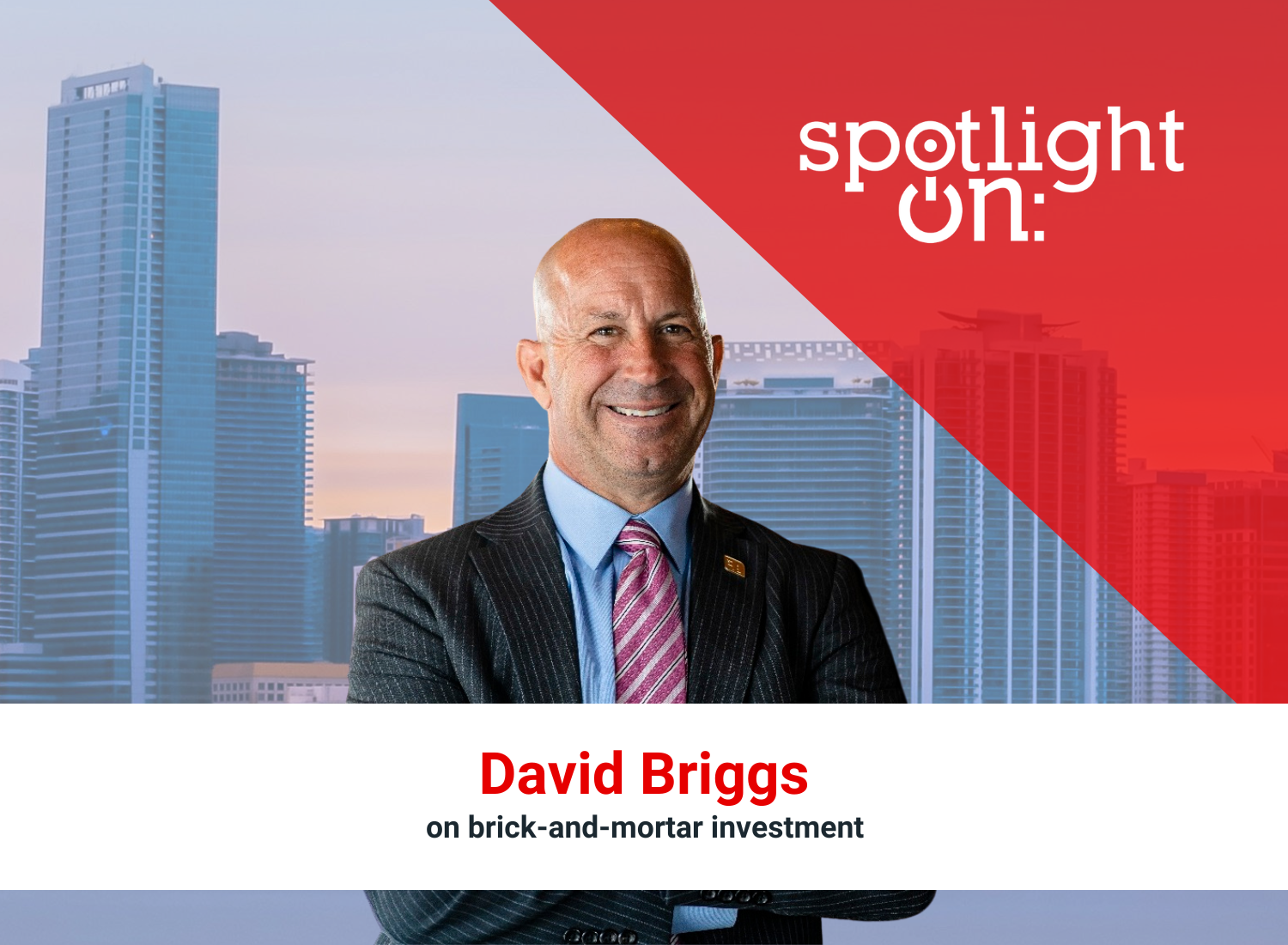 May 2025 — Fifth Third Bank’s Tennessee Regional President David Briggs spoke to Invest: about the various avenues of growth the bank is focused on to foster continued expansion, including technological innovations through apps and AI, investment in initiatives such as those for opening financial centers, and analyzing opportunities in wealth management. “Our approach is advice-driven, focusing not just on financial statements and assets but on clients’ goals and objectives,” he said.
What were some significant milestones and achievements for Fifth Third Bank in Tennessee over the last 12 to 18 months?
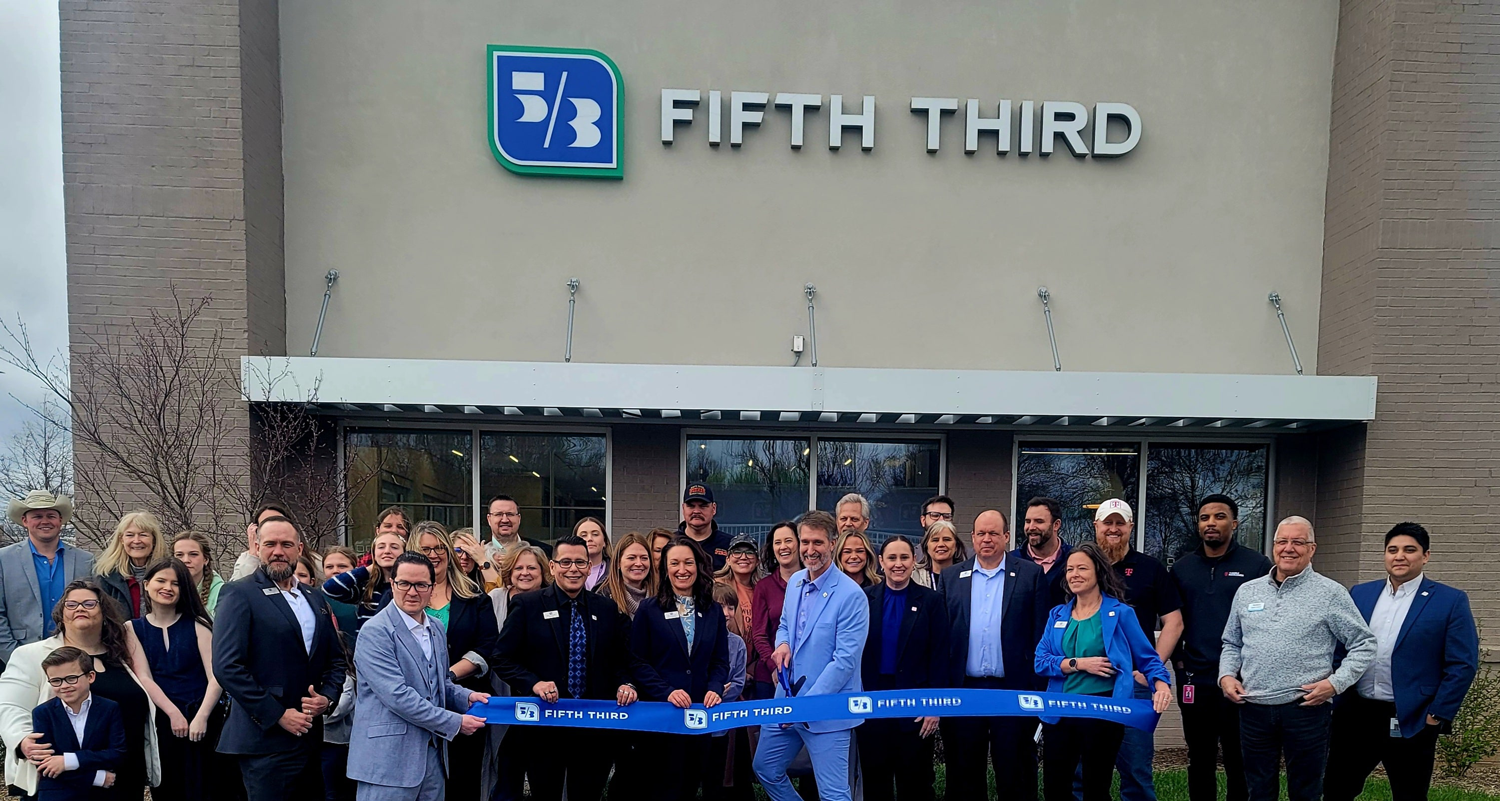
Fifth Third Bank is now the 10th largest commercial bank, and Tennessee remains a crucial part of our success. We are deploying $180 million in capital through various initiatives, including opening 11 new financial centers — six in the Clarksville area and half a dozen in Middle Tennessee. Last June, we had the honor of hosting our board of directors, underscoring the importance of this market. Our company continues to support investment in talent, hiring aggressively and adding key leadership in Memphis while maintaining momentum in Middle Tennessee. From a holistic standpoint, no other regional bank is building as many financial centers as we are.
How would you describe the economic landscape in Middle Tennessee, and what key trends are shaping the banking and financial services industry in the region?
We are fortunate to operate in Tennessee, which has the fastest-growing economy, the lowest debt per capita, and one of the lowest tax rates per capita. Our unemployment rate hovers around 2.5%. The state continues to attract new residents, which we cannot take for granted. Partnership 2030 is an example of proactive planning — past iterations, such as Partnership 2020, successfully focused on attracting IT jobs to Nashville, solidifying its reputation as an IT city. For the first time, Nashville is now considering long-term housing affordability, which has become a headwind. The mayor’s transit referendum passed overwhelmingly, thanks to a concerted effort to educate constituents on its value. Despite macroeconomic uncertainties, including financial market volatility and regulatory challenges, our commercial clients remain focused on navigating tariffs and funding concerns. Many organizations I work with receive federal grants and are increasingly worried about the funding landscape.
How has the economic landscape influenced lending activity, and what types of strategies are being employed by Fifth Third Bank to navigate this environment?
Despite the uncertainty that arose when some regional banks failed a few years ago, we have maintained a strong balance sheet. Throughout economic cycles, our focus has remained on talent retention, never pausing lending or the pursuit of new clients. Regardless of market conditions, the key factor is how bankers assess talent and strategy. We are selective in our value proposition, ensuring that our resources align with client relationships that fit our approach. As a result, we continue to generate many new relationships.
How is Fifth Third Bank leveraging innovation and digital banking to enhance customer experience while also maintaining high-touch, relationship-driven services?
Fifth Third Bank has made a concerted effort to invest in technology, including acquiring fintech companies. Our CEO comes from a fintech background rather than a traditional banking one, which has positioned us to embrace technological advancements. During the pandemic, when in-person banking was limited, our technology facilitated essential financial functions such as payroll and payments. We have prioritized being at the forefront of retail banking, ensuring that our mobile app anticipates customer needs through machine learning, offering support such as assistance with car payments and financial planning.
We are working to dispel the notion that you can’t teach an old dog new tricks. I personally use Copilot at least once a day. For example, while traveling recently, my son had a tight plane transfer in Dallas, and I used Copilot to quickly determine the most efficient way for him to navigate the terminals. This technology is now ingrained in how we operate and improve efficiency.
AI has been instrumental in terms of curriculum development of financial literacy, as well. My initial reaction to being asked to teach was that I was too old for it. However, over a few days, the class evolved into an exercise in writing personal vision statements. I started mine using Copilot, refining it with my coach’s feedback. While I didn’t use it word-for-word, the AI-generated draft provided a strong foundation.
On the wealth management side, how is the bank positioning itself to capture opportunities, like those from generational wealth transfers?
We are proud of the awards and recognition we have earned in the wealth management space. Recently, we hosted a breakfast session that emphasized the personal aspects of wealth management and introduced our wealth team. Our approach is advice-driven, focusing not just on financial statements and assets but on clients’ goals and objectives. Unlike traditional broker-dealer models, our structure provides a dedicated team rather than a single point of contact. Most of our wealth advisers manage 25-30 families, and all portfolios are customized.
How has the expansion of financial centers impacted customer engagement and business growth?
Many are surprised by our continued investment in retail financial centers, given the prevalence of mobile banking. However, research indicates that when financial issues arise, customers prefer face-to-face interactions over calling a helpline. Modern financial centers are no longer traditional teller-based branches; instead, they are designed as advisory hubs where customers can have meaningful financial discussions. Customers may visit for something as simple as a foreign currency exchange, but those interactions often lead to broader conversations. Data also shows a strong correlation between the proximity of financial centers and customers’ primary banking relationships. Additionally, these centers reinforce our brand presence.
Looking ahead, what are your top priorities for Fifth Third Bank in Tennessee over the next couple years?
Our investments aim to drive growth, which we measure through various metrics, including the number of new households joining us, private banking relationships, and commercial banking engagements. Leading with advice gives us a high degree of confidence in our approach. I believe our customer base will continue to expand, which will, in turn, drive further investments in both talent and capital.
For more information, visit: