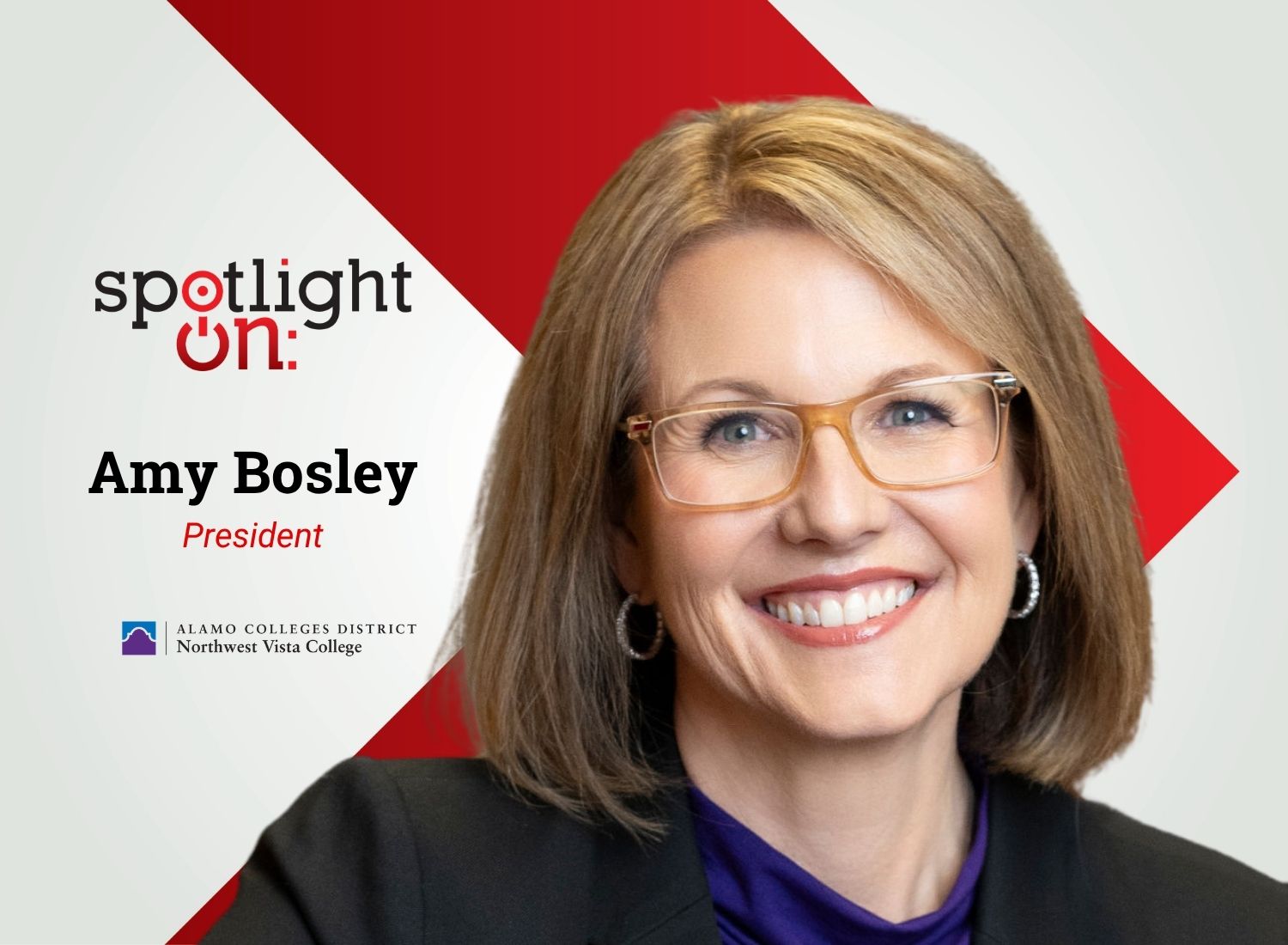

Sean Simpson, Tampa Bay Regional President, Synovus Bank/Pinnacle Financial Partners
 Invest: sat down with Sean Simpson, regional president of Synovus Bank/Pinnacle Financial Partners in Tampa Bay, to discuss the combined organization’s growth strategy in Florida, the shifting economic climate, and how banking leaders are balancing culture with capability. “It was really a true one plus one equals three combination,” Simpson said.
What are your top priorities following the Synovus and Pinnacle merger, and what should Tampa Bay clients expect?
From a client standpoint, the merger has been a non-event, and I mean that in a positive way. As of January 1, we are a merged organization as Synovus and Pinnacle, but we’re still operating as Synovus in the Florida market for now because most of Florida is legacy Synovus from a name perspective. Our priorities locally are centered on continuity for clients while quickly expanding what we can deliver.
It was really a true one plus one equals three combination, where two organizations that did things very, very well came together and created an expanded set of products, services and capabilities. There was little overlap in markets, with Pinnacle historically operating primarily from Tennessee east through the Carolinas and north to Washington, D.C., while Synovus has been concentrated from Tennessee south through Florida, including Greater Florida, Georgia, Alabama, Tennessee, and South Carolina. That geographic fit helped keep the combining of companies smooth and helped preserve momentum.
The combination also broadened specialty offerings. Pinnacle has verticals and services that we did not provide at the same level previously, including an aviation specialty, a music, sports and entertainment vertical, captive insurance, title settlement and legal services, and dealer finance. Those are areas where we could serve in a limited fashion before, but now clients have access to deeper expertise and more scale. Synovus brings strengths in areas of corporate banking and specialty capabilities such as senior housing, structured finance and asset-based lending, which the broader organization benefits from as well.
Beyond product breadth, scale matters. We now have the resources to do things we could not do before. When you’re essentially twice as large, you can invest more in technology and client experience, and you can hold larger pieces of relationships for bigger corporate and commercial clients. In many integrations, clients worry about chaos or uncertainty. Here, we have the same team we’ve always had, just with more power and capabilities behind them. It’s business as usual, but then some, and our teams are excited, engaged and focused on growth. We plan to be a growth champion in Florida, and specifically in Tampa Bay.
What external market changes over the past year have most impacted your organization in Florida, and in what ways?
Since the turn of the decade, we’ve seen significant change, from the pandemic to supply chain issues to shifts in the political environment. There were also broader policy dynamics, including immigration changes and a tariff environment that created uncertainty. But if I had to point to the biggest driver over the last year, it would be monetary policy and the ripple effects that came with it.
If you go back to the pandemic period, there were measures taken to stimulate economic growth, and that drove rates down into a near-zero short-term rate environment. As we moved through 2023 and 2024, we entered a tightening environment, and that created uncertainty for clients, for deal activity, and for the broader marketplace. In that same period, we saw liquidity issues in parts of the financial system that affected banks on the West Coast and in New York. Those were external forces, and for Florida specifically, it drove broader economic uncertainty but didn’t create a lot of localized pressure on the market.
As we move into 2026 and beyond, we’re on the other side of that. We’re in an easing cycle, rates have been coming down, and there is more certainty. I think we’re also settling into a new normal with interest rates. There could be some additional short-term easing, but we are not expecting the five-year and 10-year Treasuries to move much this year, and that stability tends to bring business activity back into rhythm.
We saw a tremendous amount of business activity last year and we have a lot in front of us. I expect this year to be a really strong one in Florida, especially on the West Coast and in the Tampa Bay region. When you look around, there are cranes everywhere. Multifamily continues to be strong, and absorption has held up better than many markets across the Southeast and the country. That aligns with the population growth we’ve experienced.
There are still affordability challenges and some industries have tight margins, but we have not seen systemic issues across the board. On insurance, we are starting to see early signs of relief. We’ve also seen policies connected to state-driven insurance coverage moving to their lowest levels in a number of years. The legislative measures will take time to fully work through the system, but we are starting to see some easing, and that matters for households and for business confidence. Overall, the economy remains robust, and I expect it to continue in the near to midterm.
Since digital adoption continues to accelerate, how are you refining the balance between brand strategy and digital investment in Florida?
Clients want to engage with companies and financial institutions in different ways and in the places they prefer. Our responsibility is to meet them there, because if you’re not trying to meet customers where they are, somebody else will. Years ago, my team used a term that still fits: phygital. You have to be both physical and digital, and it’s really not optional anymore.
Physical presence remains important. People want to know the bank is there. They want to sit down with someone when the moment calls for it. In our case, we also differentiate ourselves by providing thoughtful insights and advice. We work with clients who are looking for guidance and perspective, not just a transaction, and that advice-driven model works best when you can connect in the way the client prefers, whether that is in person, digitally or both.
At the same time, digital expectations continue to rise. Customers compare experiences across industries, and financial services is no exception. If you cannot make the right investments, you fall behind. That is another place where the combined organization matters. Scale gives you the resource capacity to invest in technology and deliver products and services with the same quality and consistency clients expect from the largest firms in the country.
In Florida, we already have a strong footprint, and we have not been over-branched. We’re not looking to shrink as a strategy. We’re making deliberate investments where they make sense, including physical space and digital experience. We are not remote-only. We want our people close to clients, and that means investing in spaces for team members and for clients to meet, collaborate and work through decisions together. In my mind, you have to do both well.
Where are you seeing the biggest talent gaps in banking, and how are you building the next layer of leadership in Tampa Bay?
To attract great talent you need a terrific culture. Culture comes first, and we work on that every day. We are a relationship-based organization, not a transactional one, and that requires people who can engage, communicate and represent the bank well in the marketplace.
As organizations get larger, they can become siloed, with more bureaucracy and less partnering. We’re doing the opposite. We’re doubling down on local decision-making, and we’re ensuring we invest in team members and in the experience of coming to work. We want people to enjoy where they work, enjoy who they work with, and feel proud to put themselves in front of clients and community leaders.
We also try to make it easier to do business by keeping decisions close to the market. We’re not making decisions in another state. We’re making them right here in Tampa, and that empowerment matters for leadership development. It creates ownership, accountability and a clearer path for people to grow into bigger roles.
Community involvement is another pillar. We encourage our team members to be part of the community. Many sit on boards and are leaders across nonprofits, the arts, and sports organizations. We take giving back seriously, and it’s also a reflection of how similar the cultures are between the two organizations. Last year, Synovus invested more than 26,000 hours in the community and Pinnacle invested more than 25,000. That kind of engagement shows up locally as well, and it strengthens the culture people want to join.
We also pay attention to external measures of client experience because they can reflect whether culture is translating into service. Pinnacle has been recognized as number one in regional banking nationally through Net Promoter Score measures, and Synovus has been recognized by J.D. Power in the Southeast. Awards are not the goal, but they are indicators that when you build a strong culture and strong engagement, clients become fans, and that effect compounds. It’s also part of why we have an extended record of growth, and why we intend to double down on these priorities moving forward.
Looking at the next two to three years, what are your key goals and priorities?
We want to be the preeminent financial services firm in Tampa Bay. We’re not going to get there by exponentially increasing branch count. We’re going to get there by investing in people, bringing more resources into the market, and continuing to recruit the best bankers and financial services talent in the region.
We also have a lot to bring to market. The combined organization expands what we can offer, and you will see us venture into areas that we may not have pursued in the past, but in an intentional way. That includes bringing specialized services into Tampa Bay and making the kinds of investments that elevate what we can do for clients and for the community.
Our focus is execution. Over the next 36 months, we expect the organization to look and feel meaningfully different, and we expect our standing in the market to continue to rise as we invest, grow and deliver on what we’re committed to.