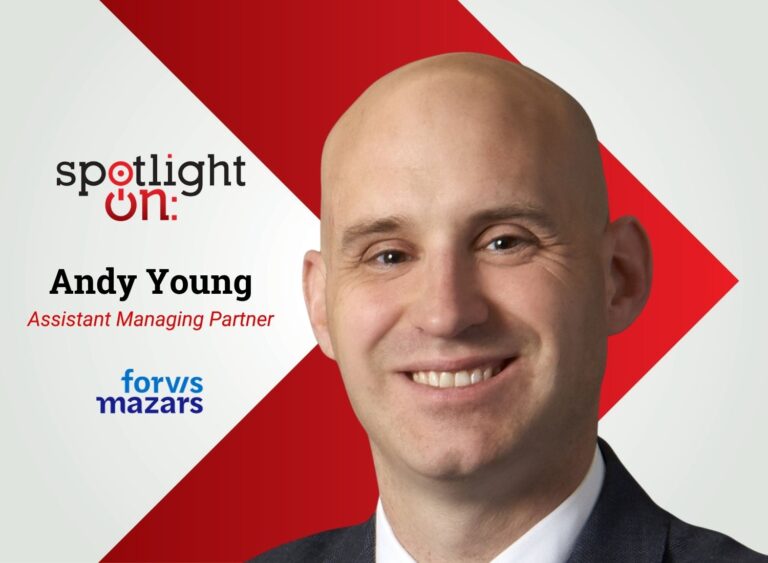
Spotlight On: Andy Young, Assistant Managing Partner, Forvis Mazars
Key points:
- • AI, data centers, and energy are driving regional investment interest.
- • Pittsburgh’s talent pipeline remains a key competitive advantage.
- • Global capabilities are expanding opportunities for middle-market clients.
 September 2026 — In an interview with Invest:, Andy Young, assistant managing partner at Forvis Mazars, discussed Pittsburgh’s investment climate, talent, AI, transactions, and the firm’s global network. “Pittsburgh is continually reinventing itself, and the current interest in technology and infrastructure is part of that process,” Young added.
Join us at caa’s upcoming leadership summits! These premier events bring together hundreds of public and private sector leaders to discuss the challenges and opportunities for businesses and investors. Find the next summit in a city near you!
What changes in Pittsburgh’s economy and business environment over the past year have had the greatest impact on your clients, and how have they affected your priorities?
Many of the themes from last year remain in play. There continues to be significant interest in artificial intelligence (AI), data centers, and energy-related investments across the region.
As of late, we’ve seen growing interest in AI infrastructure and data center development in the region. That activity has generated increased interest in land, industrial sites, and supporting infrastructure. The region has a long history of adapting to changing economic trends, and the current interest in technology and infrastructure is another example of that evolution.
What are you seeing in terms of demand for investment among Pittsburgh businesses, and what factors are influencing those decisions?
Talent is a big reason for continued investment. We think about that a great deal within our own business because Pittsburgh benefits from a strong pipeline of talent coming from its universities and colleges. Talent, combined with the region’s relatively affordable cost of living, continues to make Pittsburgh an attractive place to live and work.
It’s encouraging to see companies like Google and Duolingo making investments in the area that have helped contribute to its revitalization. Much of that success can be traced back to the strength of the region’s educational institutions and the talent they help develop.
How are tariffs, supply chain conditions, and energy costs affecting your clients’ decisions around production, expansion, and capital investment?
It seems to change quite frequently. From what we can tell, many clients have adapted to the tariff and supply chain pressures they were facing only a year ago, although those considerations still play a role in investment decisions.
On energy, I believe some of the reason we’re seeing interest in land and property for data center development is that the region has strong energy resources and infrastructure. I view that as a competitive advantage for the region rather than a factor discouraging investment.
What are you seeing in Pittsburgh’s workforce market, particularly around the availability of specialized talent, and how is that affecting business growth?
We see Pittsburgh as a talent hub for our practice unit. With the concentration of public companies headquartered in Pittsburgh, the different tech companies, and especially the universities, the region continues to be positive from a talent perspective. Our office has benefited significantly from our ability to attract and develop talent in Pittsburgh to help us grow.
What are Forvis Mazars clients asking for help with as they adopt AI, and how is the firm adapting its own services and technology to meet those needs?
It’s a hot topic. Nearly every client conversation includes some discussion about how organizations are deploying AI solutions. And, of course, clients want to discuss how we’re using those technologies as a firm.
From a service offering perspective, we have dedicated professionals who focus on AI, automation, and digital transformation solutions. We work with clients looking to invest in these technologies to improve efficiency, enhance decision-making, and streamline business processes. As adoption continues to grow, we have resources available to help our clients.
What are you seeing among companies considering acquisitions or sales, and where is Forvis Mazars seeing the most demand for transaction advisory support?
Private equity continues to be an active area for our firm. I spend a great deal of time working with private equity clients, and our team remains heavily engaged in that market.
From our perspective, private equity activity continues to be one of the primary drivers of demand for these specialized services.
Last year, you mentioned that the merger with Mazars was creating new opportunities for Pittsburgh clients and attracting specialized talent. How has that evolved?
The benefits of the Forvis Mazars Global network have continued to grow. By combining our capabilities with those of Mazars, we significantly expanded the resources and expertise available to serve clients with international needs.
Today, many middle-market and upper-middle-market companies have some level of international involvement, whether through suppliers, customers, service centers, operations, or investments abroad. The ability to serve those clients through a unified global network, rather than relying on alliance relationships, has been a meaningful advantage for both our firm and our clients.
The network has strengthened and expanded our ability to deliver services seamlessly across jurisdictions and has created opportunities that simply were not available to us previously.
Which sectors are generating the most opportunity today, and where are you seeing new areas of demand?
I would say manufacturing, higher education, and financial institutions are among the sectors generating the greatest demand right now. We’re seeing a lot of activity and demand in those areas. In terms of newer areas of demand, construction is one where we’re beginning to see increased activity.
As Forvis Mazars continues to invest in Pittsburgh, what opportunities do you see for the firm and its clients over the next two to three years?
As we continue to leverage the capabilities of our global network, we’re able to deliver even greater value to our clients. The combination of local relationships and market insight, together with global resources, positions us to help clients navigate increasingly complex business environments and pursue opportunities wherever they operate.
As investment continues across the region, we remain committed to Pittsburgh and the growth opportunities it presents. We plan to continue investing in our people, expanding our capabilities, and strengthening our presence in the market.
One area of particular focus is our public company audit practice. We have built a strong team in that space and will continue to invest in talent and expertise to support the growing needs of public company clients.
Want more? Read the Invest: Pittsburgh report.