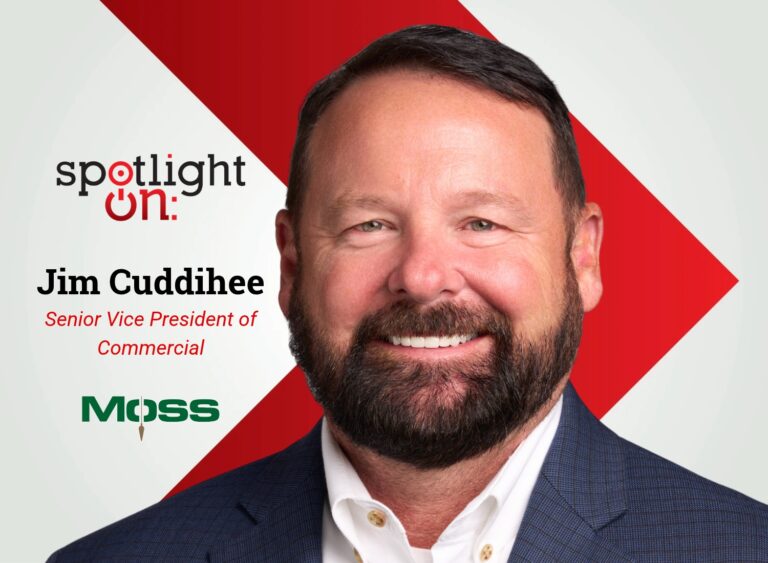

Spotlight On: Jim Cuddihee, Senior Vice President of Commercial, Moss Construction Dallas
Key points:
- • Moss expects 2026 to be its biggest year in Dallas.
- • Moss is helping redevelop Toyota Stadium as stadiums become mixed-use destinations.
- • Simultaneous billion-dollar projects by late 2027 could strain North Texas construction labor.
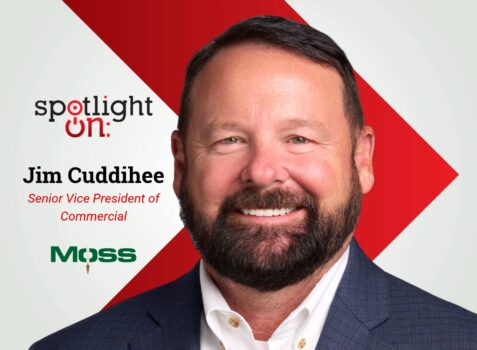 November 2026 — In an interview with Invest:, Jim Cuddihee, senior vice president of commercial at Moss Construction Dallas, discussed the company’s growth, major projects, workforce strategy, and the outlook for North Texas construction. “Dallas is the place to be in the United States when it comes to construction,” Cuddihee said.
Join us at caa’s upcoming leadership summits! These premier events bring together hundreds of public and private sector leaders to discuss the challenges and opportunities for businesses and investors. Find the next summit in a city near you!
What changes over the past year have had the greatest impact on Moss Construction in Dallas?
Over the last year, we have grown substantially in revenue and people. In 2026, we will have our biggest year since we have been in Dallas, and we continue to hire more people almost every week.
Corporate relocations continue to come to the area, as do people attracted by the strong job market. Corporations are coming because Dallas has a strong base of highly skilled and educated people. The financial services industry is also beginning to take shape in the urban core. The Texas Stock Exchange is operating, and NASDAQ, Goldman Sachs, JPMorgan, Morgan Stanley, and others are coming. Those relocations benefit construction because the companies need office space.
The suburban areas are also growing rapidly in every direction. Housing typically comes first, followed by the need for offices, retail, medical facilities, and other development. Dallas is the place to be in the United States when it comes to construction.
Which recent projects best represent where Moss is heading in North Texas?
We recently completed several high-profile projects. The Texas Health Mansfield Stadium was designed primarily for North Texas Soccer Club, FC Dallas’ minor league team. It is a 7,000-seat, open-air stadium with a grass pitch, canopies on both sides, suites, a club, and practice facilities. We completed it earlier this summer. Partnering with the city of Mansfield was a major success, and the stadium created opportunities for us to work on three other projects in Mansfield.
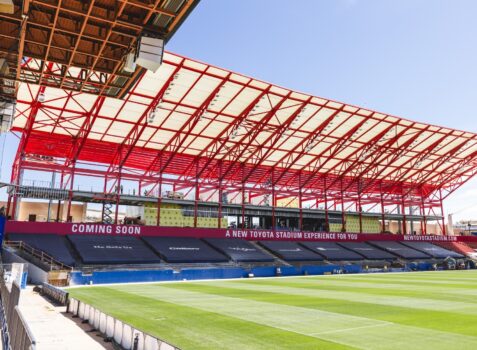
We are also part of the redevelopment of Toyota Stadium for FC Dallas in Frisco. We completed the first phase on the east side and are working on the second phase on the west side, which is scheduled for completion in early 2028.
We also completed a dual-brand AC Hotel and Moxy in the heart of Uptown Dallas. The 19-story hotel has about 263 rooms and opened to the public in October.
How are sports projects and surrounding development changing the construction landscape?
Years ago, stadiums were often built as standalone projects, with little around them. Today, teams and developers want to create destinations anchored by a stadium and surrounded by restaurants, entertainment venues, and retail. Globe Life Field has a large entertainment area outside the stadium that continues to grow. FC Dallas has plans to create a destination around Toyota Stadium, and Mansfield is pursuing a similar concept on a smaller scale, with entertainment, residential, and office uses around its 7,000-seat venue.
The goal is to give people the ability to attend a large event and stay to spend additional dollars at an adjacent hotel, food and beverage destination, or retail store. The Dallas Stars and Dallas Mavericks are also preparing to move. In both cases, the arena is one part of a larger development that includes offices, high-rise residential, and entertainment. The direction of the sports market is the creation of a destination where people can live, work, and play.
What broader construction and redevelopment trends are having the greatest impact?
We are seeing more mixed-use development. Large projects include office components, residential units for rent or sale, retail, and entertainment. They allow people to remain in a core area and walk to what they need, including grocery stores, restaurants, retail, and hotels for visiting friends or family. These developments are appearing throughout the Metroplex. The type of environment already found in Uptown is expanding into suburbs such as Frisco and Fort Worth because people are drawn to that lifestyle and destination.
Redevelopment is also becoming more important. The Mavericks, Stars, and AT&T headquarters projects involve existing facilities that are being demolished or renovated to create something new. These are not 100-year-old buildings. The Stars project, for example, involves a suburban mall that may be only 20 or 25 years old. As development has moved into the suburbs, those areas are also being redeveloped to refresh them and create opportunities for existing residents and people moving to the region.
How is Moss building and retaining the workforce needed for specialized construction?
Employment and labor are probably the construction industry’s most challenging issues. Many people in the trades are retiring, and there are not enough younger workers to fill their positions. The challenge affects both the trades and the office or management side of construction projects.
Moss has virtually no turnover, and our culture is the primary differentiator. We strive to be a great place to work and are recognized annually for it. Once people join Moss, they tend to stay. To attract new talent, we recruit actively and maintain relationships with colleges and universities in Texas, Oklahoma, and Louisiana.
We also participate in SkillBridge, a government program that connects active military members preparing to leave the service with civilian employment. Participants work at Moss for six months while still being paid by the military. They learn about Moss, and we learn about them. The goal is for them to join us after six months, already understanding how we operate. The program has been successful.
We typically have eight to 10 interns in Dallas, and we had more than 250 companywide last summer. We try to recruit students during their freshman or sophomore year so they can return each year. If there is a fit, we offer them a job on the last day before their senior year. They can return to school without worrying about finding a job, focus on their studies, graduate, and come to Moss.
What other challenges are affecting North Texas construction?
Interest rates remain high and could rise further, creating challenges for developers and clients seeking debt. Higher rates are also increasing the equity required before a project can receive a loan.
Data centers add pressure because they are multibillion-dollar projects requiring thousands of skilled tradespeople. Builders working on data centers in West and South Texas are recruiting tradespeople from DFW with per diems payments and other incentives. By late 2027 and into 2028, the Dallas Stars, Dallas Mavericks, AT&T headquarters, and potentially Morgan Stanley headquarters could all be under construction, alongside several other projects worth more than $1 billion each. The area has not seen that level of simultaneous activity before, so the industry must prepare now. The challenge will affect those projects and flow down to billions of dollars in other construction across the Metroplex.
Strong construction demand and labor constraints are also driving costs higher. We navigate supply and demand, frequently changing tariffs, higher raw-material costs, and rising diesel prices that increase transportation costs. We are fortunate to operate in a prosperous area, but we still navigate these challenges every day.
What is your outlook for Moss and for the construction sector in North Texas?
Moss will continue to grow and expand its workforce and regional presence. We differ from a typical construction manager because we handle commercial vertical construction, like high-rises and stadiums, as well as wood-frame multifamily projects, under one roof. Westside Village in Fort Worth combines both: a commercial office building with wood-frame multifamily apartments next to it. The ability to deliver both types of construction under one roof distinguishes us from most competitors in the area.
North Texas will continue growing outward in every direction. The urban core of Dallas will change as financial services expand beyond Uptown and into downtown, while suburbs continue growing and redeveloping. Owners will consider whether to demolish 30-year-old office buildings or retrofit them for housing. I also expect more manufacturing. As the suburbs expand, they will need healthcare, which will create demand for more hospitals and medical office buildings.
Want more? Read the Invest: Dallas-Fort Worth report.