Cities weigh underground solutions from flood control to transit projects

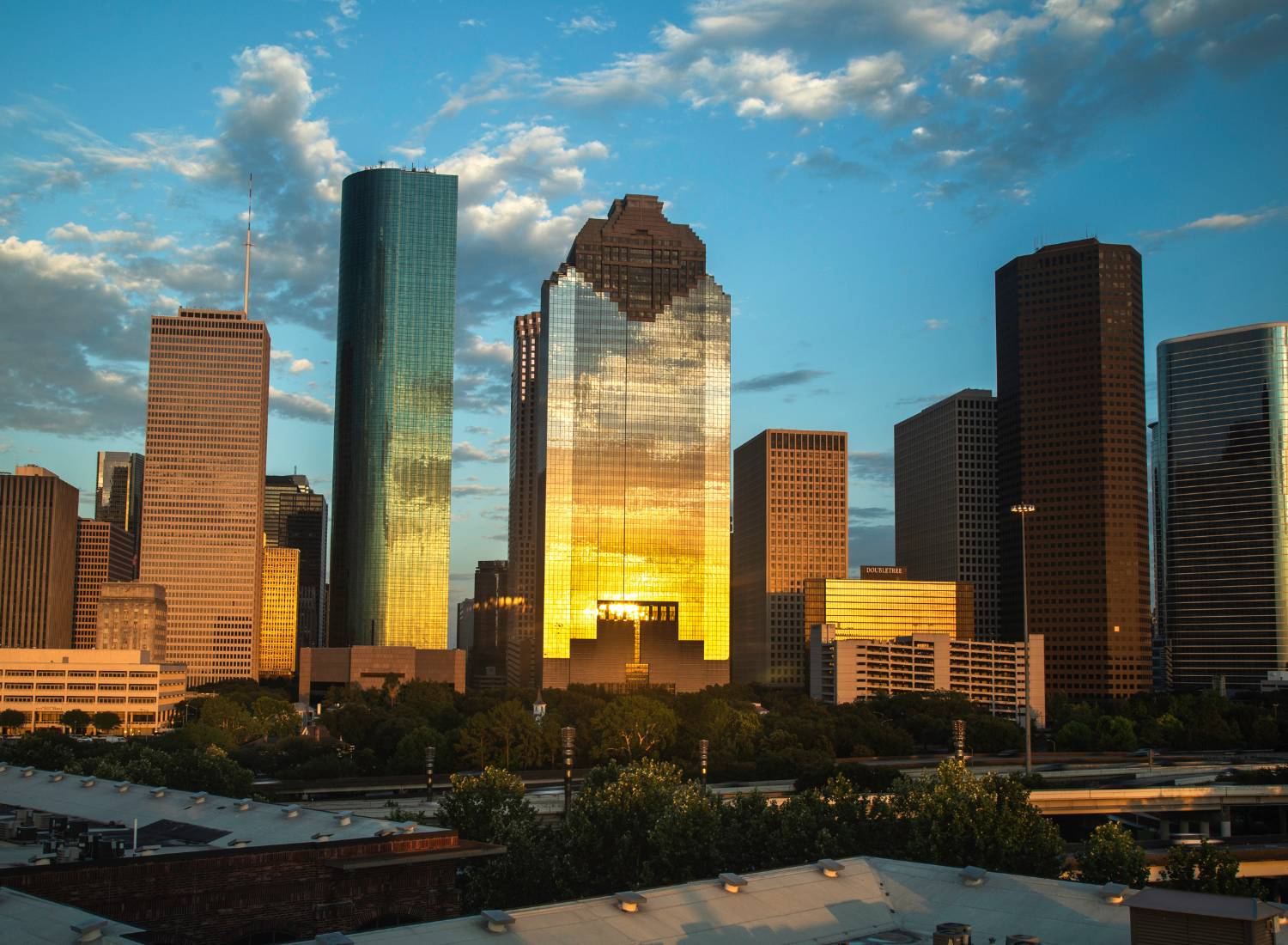 September 2025 — Elon Musk’s tunneling venture, The Boring Company, is promoting a plan to dig two massive tunnels in Houston as a flood-control measure, a pivot from the firm’s usual focus on traffic congestion. The project is emerging as one of the company’s most ambitious proposals and could reshape how cities consider underground infrastructure. Musk has proposed building two 36-mile tunnels, each 12 feet in diameter, to carry stormwater from the Addicks and Barker Reservoirs to the Port of Houston. The estimated cost is $760 million, a fraction of the $30 billion flood-control system studied by the Army Corps of Engineers.
Rep. Wesley Hunt, R-Houston, has been a leading advocate. “I talked to [Musk] about Hurricane Harvey and how we need tunnels. He told me, ‘I can do that at a fraction of the cost the Army Corps of Engineers would do it,’” Hunt said, as cited by Community Impact.
However, experts have raised doubts. The Corps has studied tunnel systems up to 40 feet in diameter, while The Boring Company has only constructed tunnels at 12-foot diameters. “The Corps, basically, they’ve been dragging their feet a little bit on it,” Hunt said, as cited by the Houston Chronicle. The company is also seeking about 15% of upfront costs from state and local governments, potentially through a public-private partnership. For now, the project remains under study, with no funding committed.
While Houston weighs the flood-control pitch, The Boring Company is advancing a high-profile transit project in Tennessee. The Music City Loop would span 19 miles of tunnels between downtown Nashville and the city’s international airport. A draft agreement from the Metro Nashville Airport Authority proposes charging the company $1.7 million annually to access airport grounds, with fees escalating 3% per year. “I’m all-in on the idea of a tunnel between Nashville and BNA. Can we do it? It’s possible,” said airport CEO Doug Kreulen, as cited by the Nashville Business Journal.
Gov. Bill Lee has positioned the deal as innovative and low-cost for the state. A June 2025 internal briefing memo listed one of his talking points: “It’s important that we control the narrative on this extremely complex, exciting, and perhaps (for some) controversial project.” According to the same memo, The Boring Company estimates it can bore tunnels at $15 million per mile, placing the project’s cost close to $300 million.
The company’s most visible success to date remains in Las Vegas, where it opened the Las Vegas Convention Center Loop in 2021. That 1.7-mile project moves passengers between convention center halls using Tesla vehicles. Since then, the system has expanded incrementally and now connects sites that include Resorts World Las Vegas and the convention center. Clark County and the city of Las Vegas have approved a long-term plan for 68 miles of tunnels and 104 stations, moving up to 90,000 passengers per hour between destinations such as Harry Reid International Airport, Allegiant Stadium, and downtown.
Outside of Las Vegas, Nashville, and Houston, The Boring Company’s track record in other cities has been uneven. In South Florida, Fort Lauderdale once paid $375,000 for a feasibility study on the so-called Las Olas Loop, but the city commission suspended the project in December 2022. North Miami Beach has kept a proposal on the table for a six-mile, seven-station tunnel system estimated to cost up to $220 million, though no updates have been shared since discussions in 2022.
For more information, please visit: