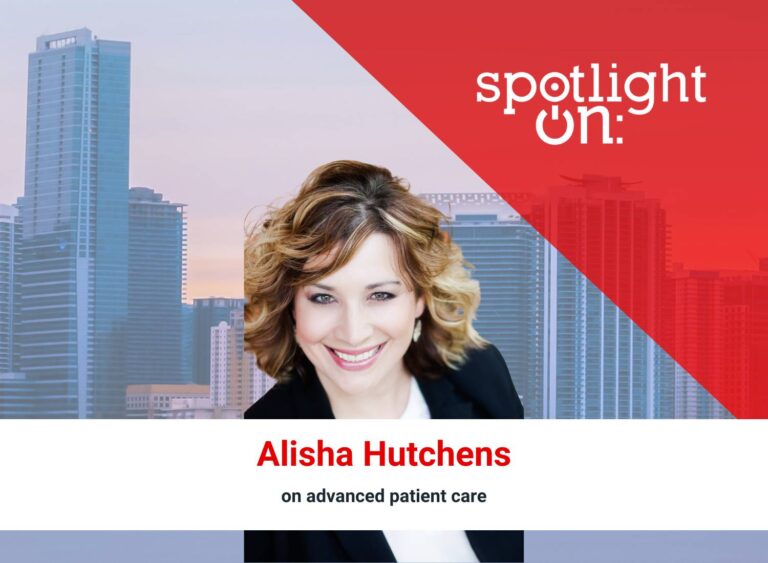






Eva Skuka, Dean of the College of Health Sciences, University of North Carolina Pembroke
Invest: sat down with Eva Skuka, dean of the College of Health Sciences at University of North Carolina Pembroke, to hear about the initiatives in place to set students up for success. “We have established partnerships with local healthcare providers, tribal health organizations, and rural hospitals to provide hands-on training in culturally diverse and underserved environments,” she said.
How are new programs at the College of Health Sciences designed to address the specific healthcare challenges faced by rural, underserved, and culturally diverse populations?
The new healthcare programs at the University of North Carolina at Pembroke (UNCP), which include the Doctor of Nursing Practice in Population Health, Doctor of Optometry, Master of Healthcare Administration, and Master of Science in Occupational Therapy are distinctive for their focus on community impact, cultural responsiveness, and preparing graduates to address the unique healthcare needs of rural, underserved, and diverse populations. These new programs have been intentionally designed with the needs of rural, underserved, and culturally diverse populations at the forefront. Each program integrates a curriculum that emphasizes culturally responsive care, addressing health disparities, and preparing graduates to meet the unique challenges of these communities.
For instance, the DNP in Population Health trains nurses to take a proactive approach to public health issues, focusing on preventive care, chronic disease management, and the social determinants of health that disproportionately affect underserved populations. The program prepares students, who are already practicing nurses, to implement community-based interventions and design policies that improve public health outcomes.
The Doctor of Optometry program is designed to provide comprehensive training to students to manage vision care in areas where optometric services are scarce, addressing preventable blindness and uncorrected vision issues. The program includes training in eye care for conditions disproportionately affecting rural communities, such as diabetic retinopathy and uncorrected refractive errors while emphasizing access to care for underserved populations.
The Master of Healthcare Administration prepares leaders who understand the complexities of healthcare systems in resource-limited settings, equipping them with tools to create policies and initiatives that expand access to care. Similarly, the Master of Science in Occupational Therapy focuses on community-based interventions, helping individuals in rural and underserved areas achieve functional independence and improve their quality of life.
All of these programs incorporate interprofessional education, hands-on clinical or internship training in rural and underserved community settings, and partnerships with local healthcare providers. Programs prioritize clinical placements in rural clinics, federally qualified health centers (FQHCs), and community health settings to expose students to the unique needs and challenges of these populations. These experiences allow them to work directly with diverse populations, build cultural competence, and gain a deep understanding of the healthcare challenges specific to these areas. We have established partnerships with local healthcare providers, tribal health organizations, and rural hospitals to provide hands-on training in culturally diverse and underserved environments. This ensures that graduates have the skills to address healthcare challenges and a deep understanding of their communities.
How do you see these programs contributing to improving healthcare access and outcomes?
These programs will play a pivotal role in improving healthcare access and outcomes by addressing workforce shortages, increasing the availability of culturally competent providers, and promoting innovative approaches to healthcare delivery.
By training graduates to work effectively in rural and underserved settings, we are directly expanding the healthcare workforce in areas where it is most needed. For example, optometrists and occupational therapists trained in our programs will help fill critical gaps in vision and rehabilitative care, areas that are often overlooked in rural healthcare systems. Similarly, DNP graduates with expertise in population health will lead initiatives that improve preventive care and address chronic disease management, reducing hospital admissions and improving community health.
Additionally, the programs emphasize equity and cultural competence, ensuring graduates can build trust and provide meaningful care to diverse populations. They also encourage innovation, such as the integration of telehealth and community-based models of care, which are vital for reaching remote and underserved communities.
Ultimately, these programs position our graduates as change agents who will drive measurable improvements in healthcare access, quality, and outcomes for the populations that need it the most. Through their leadership and expertise, they will help to create more equitable and effective healthcare systems. By focusing on the intersection of education, practice, and community engagement, these programs address healthcare disparities and empower future professionals to make meaningful impacts in rural and underserved settings.