





Face Off: How innovation districts and housing demand are holding up
Key points:
• Philadelphia’s knowledge economy and eds-and-meds ecosystem are anchoring long-term investment and talent growth.
• Strong housing demand and relative affordability are reinforcing the city’s competitiveness within the Northeast.
• Collaboration between institutions, developers, and research partners is shaping resilient, innovation-driven districts.
 January 2026 — Development and investment patterns across Philadelphia are increasingly defined by its expanding knowledge economy and institutional activity, particularly in healthcare, life sciences, and research-driven districts.
Join us at the Invest: Philadelphia 6th Edition Leadership Summit! This premier event brings together hundreds of Philadelphia’s business and regional leaders to discuss the challenges and opportunities for businesses and investors. Buy your ticket now!
The city has 11.6 million square feet of life sciences lab and R&D space, and 1.4 million square feet under construction. At the same time, major universities, academic medical centers, and research partners continue to anchor long-term capital and talent into these ecosystems, reinforcing the region’s role as a Northeast hub for knowledge and growth. (Register now for the upcoming eds and meds-focused Invest: Philadelphia summit on Feb. 12.)
This innovation activity sits on a broad and relatively stable economic base. Philadelphia’s regional economy continues to be supported by large healthcare, education, professional services, and technology sectors that provide a steady source of jobs and talent demand. Its location also gives it practical access to a large share of the U.S. population, which continues to factor into site-selection and expansion decisions.
Those same fundamentals are also showing up in Philadelphia’s housing market. Even after a sizable wave of new multifamily deliveries, occupancy across the metro was projected to remain above 93% through late 2025, a sign that demand is keeping pace with supply. Rent growth is expected to moderate but remain positive, with forecasts pointing to roughly 3% year-over-year increases, reflecting continued household formation and in-migration.
That housing stability matters in a city where healthcare and education remain two of Philadelphia’s largest employment engines. As innovation-anchored districts grow and more employees enter the market, demand for well-located rental housing has remained steady, reinforcing the role of multifamily development within Philadelphia’s broader growth pattern.
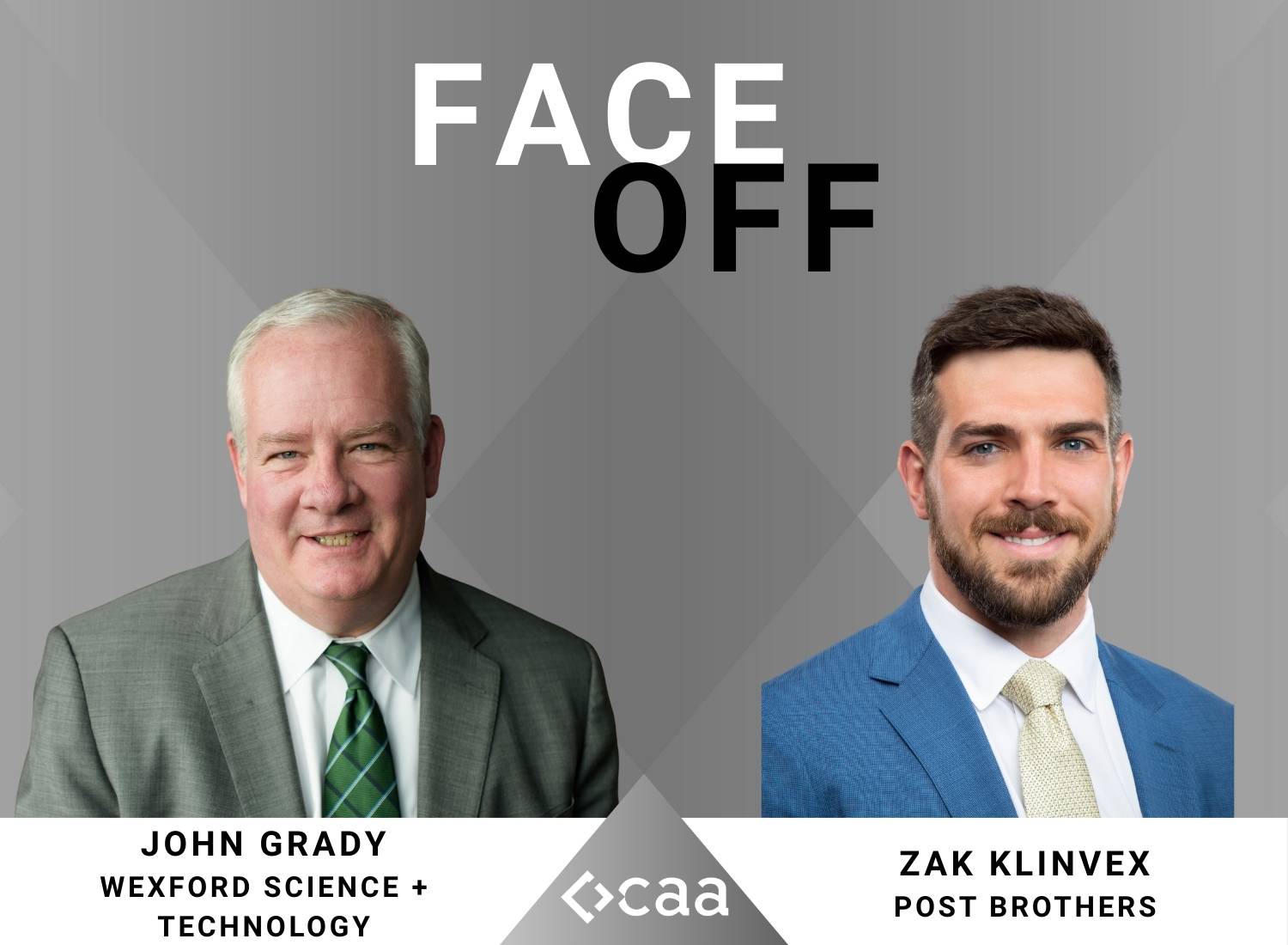
In conversations with Invest:, John Grady, chief investment officer at Wexford Science + Technology, and Zak Klinvex, chief investment officer at Post Brothers, share how these evolving conditions are influencing investment strategy, project execution, and the broader direction of development across Philadelphia and the Northeast.
What market conditions are most shaping investment and development activity across Philadelphia and the broader Northeast right now?
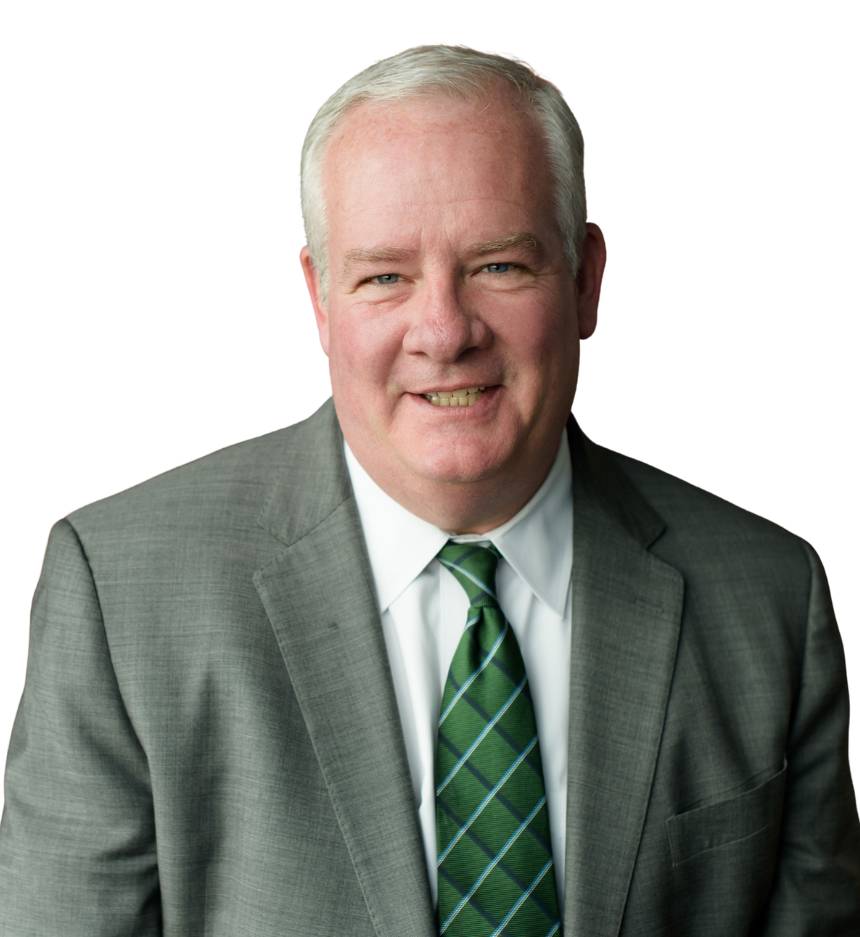 John Grady: We continue to see innovation districts, or knowledge communities, as preferred destinations for talent and investment. In any market, strong or weak, our proximity to universities and environments that attract and support talent allows us to remain favored throughout any economic cycle.
Across our communities in the Northeast, whether it’s Philadelphia, Pittsburgh, or Providence, there have been many successes. New companies are moving in, existing companies continue to grow, and these districts keep attracting talent because of the strong fundamental premise behind them.
As a company, we are exclusively focused on working with institutions, including universities, academic medical centers, large research centers, and innovative employers — organizations that produce breakthrough discoveries in medicine, engineering, or business. Being in a position to support them and their work is very fulfilling.
 Zak Klinvex: The past year or so has been a challenging time for much of the real estate industry, largely due to elevated interest rates. Everyone has been anticipating a drop, but it hasn’t materialized, and, in fact, rates have continued to trend upward. On top of that, we’ve had ongoing market uncertainty, most recently around tariffs. Despite all of this, I think we’ve done a solid job executing the business plans we laid out.
One of the biggest milestones was delivering the first phase of our 1001 project — 630 units at Broad and Washington, on the southern edge of Center City. It was a highly anticipated project that we delivered in the midst of what can only be described as an unprecedented wave of new construction in Philadelphia. The entire market was flooded with new apartment supply, and we not only completed the building but also managed to lease it up quickly, even while competing against numerous other projects coming online.
We’re proud of that accomplishment. It speaks to our team’s ability to lease up projects both during and after construction, and it also highlights the resilience and strength of the Philadelphia market. There was a lot of pessimism about how the city would absorb this volume of new units, but not only did we succeed, but many others in the market did as well. The demand is clearly there. The city feels fully recovered from COVID-19, and there’s a real energy and buzz. It’s an exciting time to be here.
What factors are most influencing how cities compete for and retain talent today?
Grady: Quality of life is critical. Affordability plays a big role, too. Many large cities face serious affordability issues, including the cost of living and housing. Philadelphia stands out as a big city that has largely remained affordable relative to its peers.
Particularly through Covid and in the flexible work era, people can work from anywhere. Quality of life has become a primary attractor for talent. In Philadelphia, there has been population growth from people who see it as a great place to live, even if they commute to New York, Washington, D.C., or the West Coast periodically.
Emerging generations value flexibility and lifestyle choices where work is just one part of life. As the large boomer generation retires, cities increasingly must compete on quality of life, affordability, and services. They need to offer options for people to rent or buy a home and have a lifestyle where work fits in but does not dominate.
Klinvex: There are several factors, but at a high level, affordability is the biggest tailwind for Philadelphia. When you look at the I-95 corridor, D.C., New York, Boston, Philadelphia stands out as a much more affordable city, both for residents and businesses. That’s driven a lot of growth, especially as people realize they’re not just getting lower costs but also great value.
The city offers fantastic amenities, from dining and entertainment to culture and accessibility. You can live in a high-quality building in Center City, be 10 minutes from the train station, and get to New York in under an hour or D.C. in about 90 minutes. That kind of accessibility is rare, especially compared to fast-growing Sunbelt cities, which tend to be more isolated.
Philadelphia is compact, walkable, and efficient. You can get across the city in under an hour, something you can’t say about New York. People are really beginning to recognize the convenience and value that Philly provides.
What conditions are most important for attracting long-term capital?
Grady: Cities of all sizes, urban, rural, or suburban, face the challenge of creating an environment where long-term capital can be invested successfully and where talent wants to be.
Philadelphia positions itself well as a place where talent continues to enter the market because of its diverse economy, quality of life, access, and mobility. Any city can face challenges in these areas, but successful ones manage them in a way that makes talent fundamentally want to stay and grow there.
Klinvex: We like to work in the best locations, and our approach to adaptive reuse is intensive, we often strip buildings down to the slabs. A lot of the current conversion projects on the market are being handled by developers who are planning to reuse some existing systems, which leads to a lower-end product. That can work, but it’s not our strategy. We only pursue those kinds of projects when we can rebuild them to be the best in their submarket.
It’s not easy, and while it’s trendy right now, financing these projects is a challenge. Lenders want to see experience. You need to prove that you’ve done this before. So, while the opportunity exists, only a limited number of developers really have the expertise to get those deals off the ground.
How are innovation and collaboration shaping the way organizations across Philadelphia approach growth and day-to-day operations?
Grady: We are always looking for new partners who want to engage with talent and industry in meaningful ways and find ways to support that work. Sometimes that means identifying a new university, academic medical center, or government partner seeking opportunities or a private employer looking to diversify their talent pool.
Across many communities, especially in the Northeast, places like Philadelphia, Providence, and Pittsburgh, there is growing potential for deeper collaboration. In Pittsburgh, for example, there is significant expertise in life sciences, technology, AI, and robotics, and more collaboration is happening across institutions and industries. In Philadelphia, similar connections are growing in healthcare and life sciences. In Providence, our partnership with Brown University and its new Center for RNA Innovation is bringing new faculty and ideas.
It’s really about expanding our platform into new places and partnerships while deepening existing relationships and helping partners work together in new ways. People understand more than ever that the best ideas come from collaboration across and within institutions. That multidisciplinary innovation drives breakthroughs that directly improve lives.
It’s exciting to see how these innovations make healthcare more accessible, deliver new cures, or create technologies that make everyday life better. Staying focused on real outcomes and who the work ultimately serves makes it all worthwhile.
Klinvex: We’re definitely exploring new tech, but we try to be thoughtful about what we implement. Some innovations are over-engineered and create more problems than they solve. For instance, we still use traditional locks and keys because tech-based access systems often fail when phones die or passwords are forgotten. Residents have told us that there was frustration in other buildings, so we stuck to what works.
That said, we do take resident feedback very seriously and survey frequently to inform our decisions. We’re experimenting with AI in some operational areas, but we’re cautious not to sacrifice human interaction. We think of ourselves as a consumer product company first, so we don’t want to cut corners or remove the personal touch just for the sake of using technology.
Want more? Read the Invest: Philadelphia report.
Subscribe to Our Newsletters