






Key points:
- • NASA’s Artemis II mission is driving job creation, investment, and aerospace growth in Central Florida.
- • Education, healthcare, and industry partnerships are strengthening the region’s talent pipeline.
- • Aerospace innovation is expanding into adjacent sectors like medicine, research, and advanced manufacturing.
 April 2026 — The recent launch of NASA’s Artemis II mission marked more than a milestone in space exploration. It reinforced Central Florida’s position as a driving force behind the most ambitious crewed lunar program in half a century. The mission is also accelerating economic activity and long-term investment across the region.
Join us at caa’s upcoming leadership summits! These premier events bring together hundreds of public and private sector leaders to discuss the challenges and opportunities for businesses and investors. Find the next summit in a city near you!
Florida has already seen tangible benefits from the Artemis program, with more than 13,000 jobs and roughly $3 billion in annual economic impact tied to the initiative, alongside a growing network of contractors, suppliers, and specialized companies supporting its development.
The ripple effect is being felt across industries, as aerospace-related activity continues to attract businesses, talent, and capital into Central Florida. In Lake Nona, for example, research institutions and healthcare leaders are leveraging space exploration to drive innovation in fields such as aerospace medicine, studying how microgravity, radiation, and isolation affect the human body and translating those findings into real-world medical advancements.
Invest: spoke to local government officials, educational institution leaders, and industry executives that are aligning strategies to meet a growing demand for specialized talent. From infrastructure planning to workforce development programs, the region is preparing for a long-term role as a hub for innovation, research, and advanced industry.
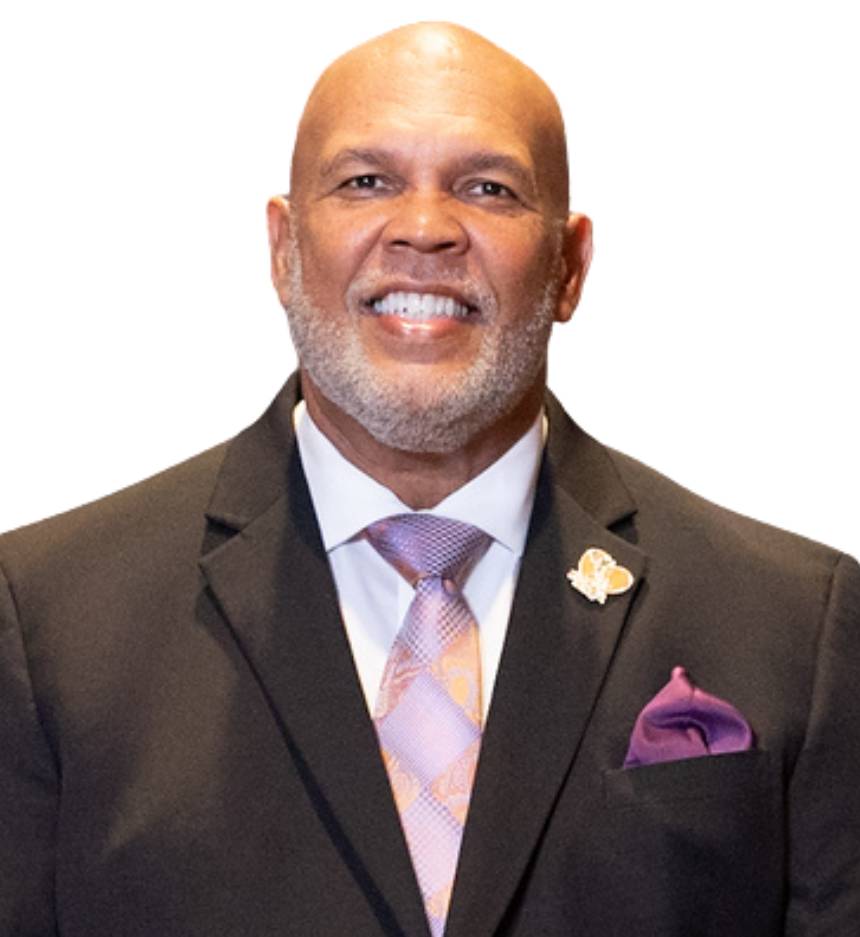 Mike Blake, Mayor, City of Cocoa
We are near major aerospace assets, including the Kennedy Space Center and Port Canaveral, and we continue to build relationships that support workforce needs, logistics, and tourism.
We also benefit from having major space industry players nearby, including Vaya Space and Blue Origin. Those relationships support workforce development, scholarships, and exposure for students to high-growth careers. When we connect young people to opportunity, we strengthen our local talent pipeline and create reasons for families to stay and build long-term roots in Cocoa.

Our aerospace medicine group is working with NASA and private aerospace companies to improve the health of space travelers. We monitor astronauts’ health before and after flights, and we are working on a clinical model that supports pilots. We see the airport as part of the broader ecosystem around Lake Nona, and we talk about that area not just as a Medical City, but as an aerotropolis, a metropolis that includes an airport.
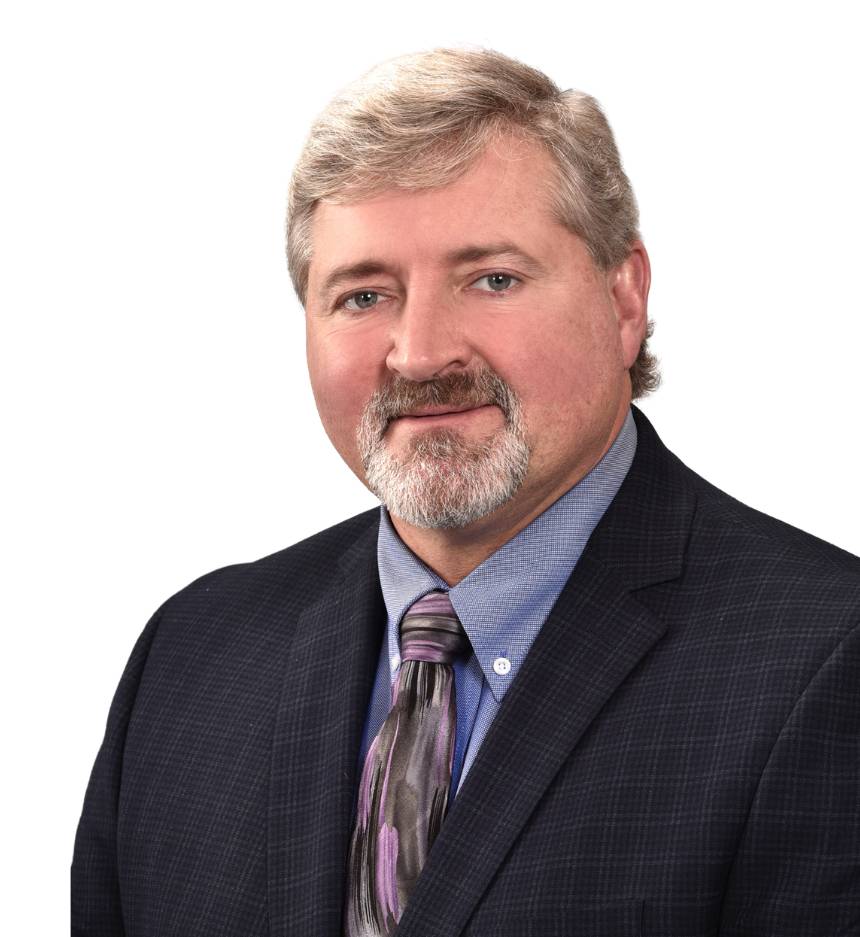 Shaun Germolus, Director of Aviation, Kissimmee Gateway Airport
We are strategically planning to redevelop more than 200 acres to primarily support aeronautical uses, create jobs and further enhance the economy.
One of the most significant steps forward was signing a memorandum of understanding with the Kissimmee Airport Development Company to study the redevelopment of our former 18-hole municipal golf course. Closed in 2018, that land is now being evaluated for aeronautical uses and job-generating development. The group is assessing surveys, environmental conditions, stormwater plans, grading and utilities to bring the property to a “site-ready” condition for construction. We expect a full report, including financial considerations, by March 2026, which will guide discussions for a master development agreement.
 Amanda Livermore, Founding President & CEO, Cristo Rey Orlando High School
Representatives from Lockheed Martin recently visited campus to speak with our students about aerospace careers and a team from Accenture offered an engaging presentation about utilizing AI in the workplace. We also host hands-on learning opportunities. On Fridays, students can participate in programs within our Florida Blue Innovation Lab, where they explore emerging technologies. One popular activity has been drone piloting, where students learn the math and technical concepts behind operating drones. It is a practical way to connect classroom subjects like mathematics with real-world applications and potential career paths.
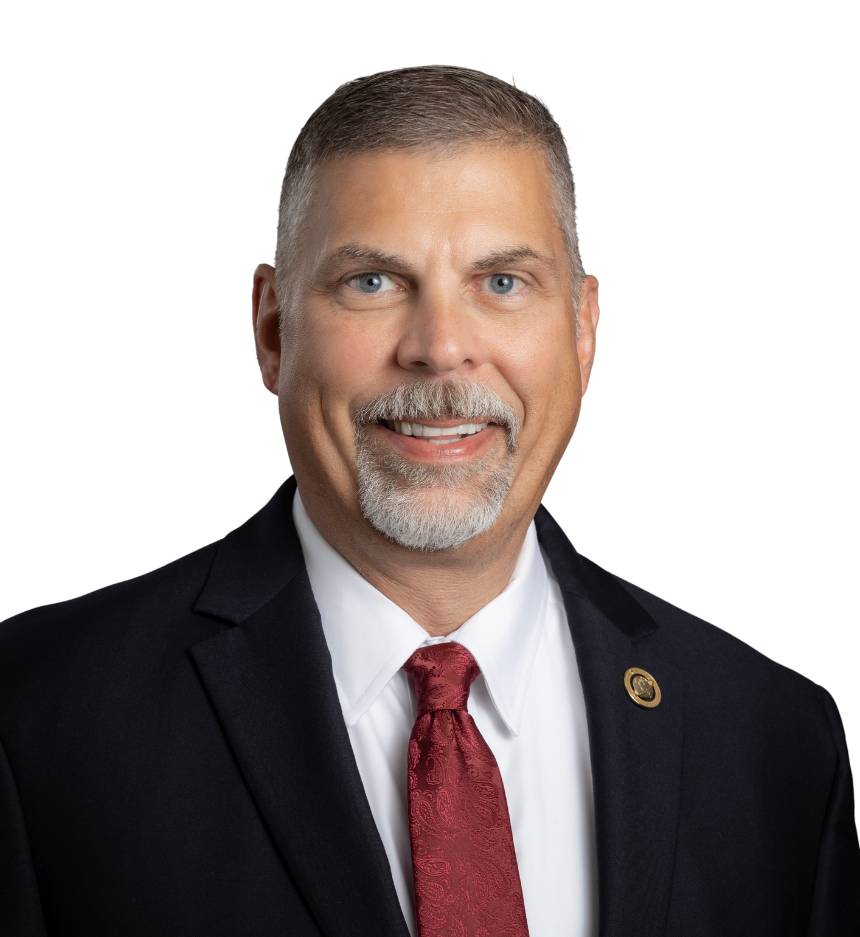 John Nicklow, President, Florida Tech
To stay aligned with the regional economy, I work closely with our local economic development commission and frequently meet with companies considering a move to the Space Coast. Those conversations translate directly into new and refined programs. We have designed industry-specific master’s degrees with partners like Northrop Grumman, L3Harris and Patrick Space Force Base.
Our economic impact study showed that statewide, jobs in engineering and aerospace manufacturing in Florida are expected to grow by 17% by 2033, but on the Space Coast that growth is projected at 112%. Florida Tech already generates about $1.6 billion in annual economic impact through the university, its students and its alumni, including roughly half a billion dollars in wages and salaries. Each graduating class adds more than $1 billion to Florida’s economy over three decades.
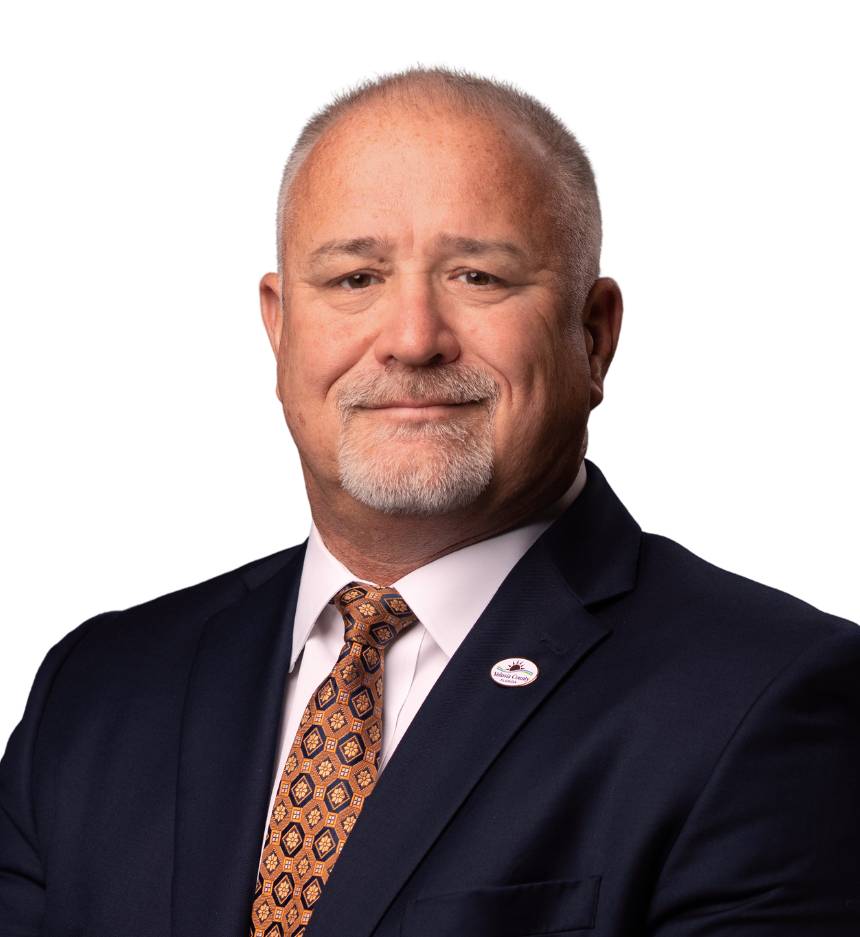 George Recktenwald, County Manager, Volusia County
We’ve seen numerous additions to the economic landscape, including a new Boeing presence in Daytona Beach in partnership with Embry-Riddle Aeronautical University that is expected to bring more than 400 engineers into the market. We’ve also attracted the French aircraft manufacturer, AURA AERO, that will establish a U.S. manufacturing and research facility at Daytona Beach International Airport.
Daytona State College, which sits just steps away, is collaborating with us on training programs that will eventually be located directly on airport property to support aerospace manufacturers. Our goal is a balanced economic structure: major employers, midsized firms, and a strong base of smaller companies. Many businesses with 50 to 150 employees are doing innovative work in sectors like space technology, medical manufacturing, and insurance services, contributing to a diverse and stable economy.
Want more? Read the Invest: Greater Orlando report.


 Invest: sat down with Jerry Demings, mayor of
 April 2026 — Invest: spoke with Alexander Esposito, co-founder and CEO of
 April 2026 — Invest:
 April 2026 — Invest: spoke with Mario Fujii, president and CEO of
 April 2026 — Invest: spoke with Rob Shaw, CEO of