

Regional Review: Pittsburgh energy outlook strengthens

IPITe3_Banner_Armstrong County

Writer: Melis Turku Topa

PittsburghRegional Review is a year-end series from caa that looks at key developments in a focused industry throughout the year and sets the stage for what’s to come in the near term.

December 2025 — Pittsburgh’s energy sector closed 2025 during one of the most significant shifts in U.S. power demand in almost two decades. National electricity consumption rose an estimated 4% year-over-year, according to the U.S. Energy Information Administration — the fastest annual increase since 2006.


Join us at the Invest: Pittsburgh 3rd Edition Leadership Summit! This premier event brings together hundreds of Pittsburgh’s business and regional leaders to discuss the challenges and opportunities for businesses and investors. Buy your ticket now!


The acceleration was largely driven by AI and digital infrastructure needs. S&P Global Commodity Insights projected a 22% jump in data-center electricity demand in 2025 alone.

Western Pennsylvania’s energy mix — abundant natural gas, a dense network of legacy pipelines, and a nationally recognized engineering talent pool — allowed Pittsburgh to position itself as a resilient, flexible power hub in a period of rising strain on the national grid.

“The unique aspect of our region is that there is a tremendous amount of natural gas production in the same footprint that is served by Peoples,” said Michael Huwar, president of Peoples Natural Gas. “We pass those savings on to customers while investing in modernization that keeps service safe, reliable and more sustainable.”

Peoples Natural Gas advanced one of the largest infrastructure revitalization efforts in the Northeast this year. In 2025, the utility replaced over 250 miles of aging pipeline and added approximately 75 miles of new mainline to support growing residential and industrial demand. Its 18-county service footprint sits directly atop prolific Marcellus Shale output, allowing the region’s natural gas to trade at about $1 below the national benchmark. Peoples’ cost advantage is directly reinvested into system upgrades.

As Huwar emphasized, “This also allows Peoples to invest into modernization efforts that help keep service safe and reliable while increasing the sustainability of our footprint and our system with minimal impact to the customers that we serve.”

Modernization and resilience under pressure

The rise of AI-driven computing is reshaping electricity demand across the country. A recent report by the International Energy Agency (IEA) projects that global data center electricity consumption will more than double by 2030, driven by rapid growth in artificial intelligence, cloud computing and digital infrastructure. This global trend is already influencing regional planning. 

In Pittsburgh, utilities and grid operators are preparing for a new generation of power-intensive facilities, prompting long-term capacity upgrades, substation reinforcement, and system hardening to support the digital economy’s expanding footprint.

Sargent Electric Company remained deeply embedded in these modernization efforts. 

“In the medium to long term, the biggest drivers for our growth are data centers and the rise of artificial intelligence,” said Rob Smith, CEO of Sargent Electric Company. “When we talk about data centers, we are also highly focused on the new power plants and sources required to support them.”

For Mike Brady, vice president of power generation execution at Liberty Energy, AI marks a fundamental shift in what the grid must be prepared to deliver. “We aren’t just trying to solve today’s problem; we are trying to solve generational challenges,” Brady said, noting that natural gas will remain essential for fast, flexible and low-latency power. 

The industry, Brady added, is still at the very beginning of the curve. “We’re only scratching the surface of new possibilities in AI. The energy needed for the computing power, without latency issues, is enormous,” said Brady.

The opportunity for Pittsburgh extends beyond meeting rising demand and into shaping the foundation of the emerging AI economy. “Our goal is to use natural gas to improve the lives of people, create jobs and provide cleaner solutions,” said Brady, adding that powering AI-driven data centers is “one of the most exciting things” they are involved in.

Reclaiming global position

One of the most consequential energy trends of 2025 was the renewed rise of nuclear power. As a recent Goldman Sachs analysis highlights, accelerating AI adoption and the rapid build-out of data centers are reshaping global electricity demand, and meeting this surge could require 85–90 gigawatts of new nuclear capacity worldwide, underscoring why reliable, 24/7 baseload generation is becoming central to national energy strategies.

“In my 40-plus years in the nuclear business, I have never before witnessed such a pronounced need for nuclear power,” said Jacques Besnainou, chief commercial officer of Westinghouse Electric Company to Invest:.

Pittsburgh, the historic birthplace of commercial nuclear power, is once again at the center. The AP1000 reactor — designed in Cranberry and operating successfully in Georgia and China — is now slated for expansion. Federal policymakers signaled support for 10 new AP1000 large modular reactors to begin U.S. construction before 2030.

Westinghouse estimates that this nuclear buildout, coupled with global projects in Poland, Bulgaria and eventually Ukraine, could generate 15,000 new jobs in Southwestern Pennsylvania over the next several years.

Want more? Read the Invest: Pittsburgh report.

Subscribe to Our Newsletters

"*" indicates required fields
Address*
Would You Like To Receive Our National Newsletter?*
Interests
Markets
This field is hidden when viewing the form

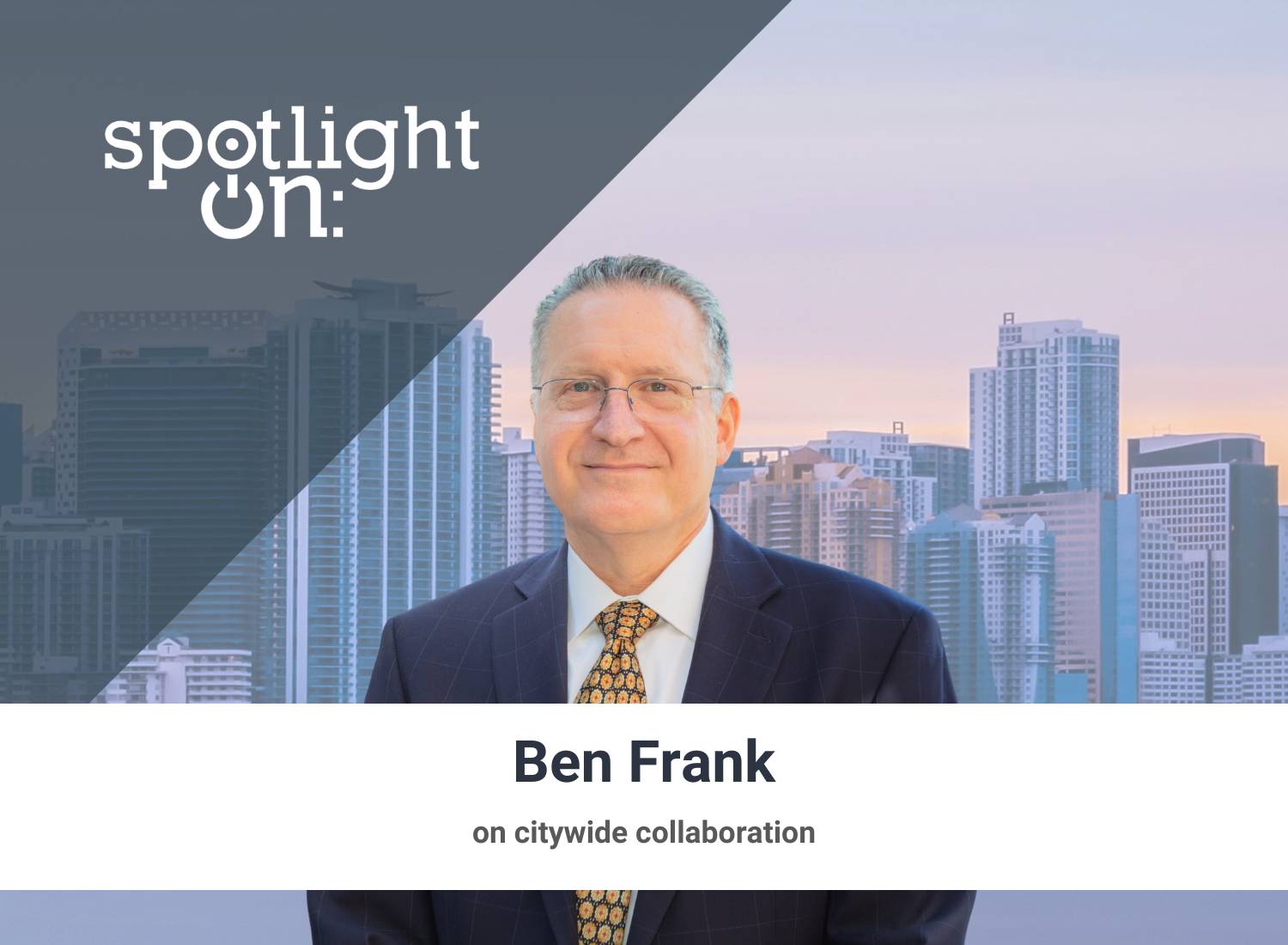
Spotlight On: Ben Frank, Executive Director, Center City Business Association

Ben_Frank_Spotlight_onDecember 2025 — In an interview with Invest:, Ben Frank, executive director of Center City Business Association, discussed the organization’s evolution and broader business trends in Philadelphia, as he shared insights on member concerns, sector growth, and collaboration among city organizations for FIFA World Cup 2026 and beyond.


Join us at the Invest: Philadelphia 6th Edition Leadership Summit! This premier event brings together hundreds of Philadelphia’s business and regional leaders to discuss the challenges and opportunities for businesses and investors. Buy your ticket now!


What changes have most impacted the organization, and in what ways?

We are a small chamber of commerce that has been around for 47 years. Our focus is on Center City Philadelphia, and while most of our events are held there, we attract attendees from across the region. 

The most significant changes have taken place over the last two years, with the rebranding and renaming of the organization. We are still building momentum from that shift. 

Many people had not heard of the organization before, despite our 47-year history, and new companies are now learning about us as they, and we, grow. We have been expanding our membership and events, with attendance on the rise and the topics we cover evolving. While we have always emphasized development and networking, there is so much happening in technology, life sciences, the arts and culture industries that we are broadening the types of events we plan and host.

What are the most common concerns you are hearing from member businesses in this current economic climate?

As a small association, we are more affected by trickle-down issues. For example, when the pandemic hit, it was sudden, and many in the tourism and hospitality industry lost jobs immediately. However, our membership renewals took months to decline, so the impact was delayed. Currently, everything is going very well for us. Event attendance has been greater than usual, and enthusiasm remains high.

The primary concerns or fears we observe are gradual. For instance, life sciences have faced challenges, not just pharmaceutical companies but also development firms. Over the last year or so, there has been significant building and growth in this sector, so the question is whether that can continue and how it will affect our members. At the moment, we do not have many members or events tied to life sciences, though we are actively trying to grow in that industry, as well as in technology

 and startups. If these sectors struggle or if funding is pulled from research, life sciences could slow down, impacting construction and related companies. On the other hand, when companies face challenges, they may lay off employees, leading to fewer people attending events. However, there is also a greater need for community support, networking, and opportunities during such times. This could affect us if members choose not to renew or if event attendance declines.

What has been the impact of federal and state-level policy changes, such as new tax legislation, infrastructure investments, or business incentives?

We are not a large organization that collects data or conducts research. We do not even receive much direct feedback from members, as they primarily engage with us to network rather than submit reports or insights.

We can only speculate that if the broader economy worsens or if nonprofits, arts, and culture organizations lose funding, they may be less able to participate in our events. That might also affect sponsorship support from certain industries. Conversely, sectors like banking and finance, which are actively seeking new customers, may increase their support for us.

Which sectors or industries are showing the strongest momentum in Center City right now, and what is driving that growth?

Philadelphia has done well in maintaining a strong residential presence downtown, which drives street traffic. Many of our event attendees work in real estate, both commercial and residential. Our “Meet the Developers” events have grown significantly, indicating strong interest in these industries. We also have many small businesses, such as marketing firms and public relations agencies, that are actively seeking clients. These companies often reach out to us to secure speaking opportunities or showcase event venues, museums, and other attractions. Their growth likely contributes to the increased activity we are seeing.

What would you say is the current state of collaboration between various organizations within the city, and where do you see room for improvement?

When I think of collaboration, I consider how we work with other organizations, and not necessarily city or government entities, but other chambers and trade associations. For example, we support and partner with the Philadelphia Advertising Club, Asian American Chamber, The Independence Business Alliance, and other chambers. When we host events, we invite members from these groups to participate.

You can also see broader collaboration among organizations like Visit Philadelphia, the Convention and Visitors Bureau, Comcast, and the sports teams — all working together to promote the city to tourists, business conventions, and even local residents. Philadelphia has a history of undervaluing itself compared to cities like New York or Washington D.C., so there is a strong emphasis on civic pride, livability, and walkability.

This year and into 2026, much of the collaboration revolves around major events like FIFA World Cup and America 250. The planning for these events has brought organizations together in a way that highlights how well Philadelphia’s business and civic communities work as a unit. The focus is not just on 2026 but on sustaining momentum into 2027, 2028, and beyond, particularly in attracting conventions and other high-profile opportunities.

What is the unique value that your events bring to the table, such as “Lunch with the City’s Leaders,” and what lessons can other chambers and associations take away from them?

Our events stand out because they foster direct engagement with key decision-makers and thought leaders. For example, “Lunch with the City’s Leaders” provides an intimate setting where members can interact with influential figures in politics, business, and community development. “Women Changing the City” highlights the contributions of women in leadership roles, offering inspiration and networking opportunities for professionals at all levels.

Through our approach, chambers and associations can learn the importance of creating targeted, meaningful experiences that go beyond generic networking. By focusing on specific themes or industries, we attract engaged audiences who leave with actionable insights and connections. Additionally, our emphasis on inclusivity by ensuring diverse voices are represented has helped us build a strong, supportive community. Other organizations can replicate this by identifying their members’ unique needs and designing events that address them directly.

Where do you see the greatest opportunity for Philadelphia and its businesses over the next few years?

The upcoming Semiquincentennial celebrations, FIFA World Cup, and other significant events happening in Philadelphia in 2026 are major opportunities, but the focus extends beyond that. When global organizations see how Philadelphia hosts major events, it could attract new businesses and visitors. Infrastructure improvements, particularly public transportation like SEPTA, are critical. Ensuring SEPTA’s reliability will benefit hundreds of thousands of commuters.

Philadelphia’s more than 80 colleges and universities are another asset. Retaining graduates by providing job opportunities is essential for long-term growth – and of course growing the workforce from within the city is crucial. The city’s walkability, downtown residential population, and historic charm also set it apart. Mayor Cherelle Parker’s vision of a cleaner, safer, and economically inclusive city has generated positivity and momentum.

Philadelphia’s density and cultural richness make it a more dynamic place to live and work, and the rich history makes it truly unique.

What is your outlook for the association, and what are your top priorities for the next few years?

We are currently in a strong position. Our rebranding efforts and event strategies have reinvigorated engagement. While global economic concerns and rising event costs remain challenges, Philadelphia’s upcoming opportunities such as the 250th anniversary and major sporting events present exciting prospects.

Our priorities include increasing membership, growing event attendance, and securing sponsorships from larger companies. We want residents to actively participate in upcoming celebrations rather than leaving the city during peak events. Collaborations with tourism and convention organizations, such as the new Rocky Fest, are also key. Aligning with Mayor Cherelle Parker’s goals of a greener, safer, and more economically inclusive city, we aim to support initiatives that foster growth and community engagement.

Looking beyond 2026, we are focused on sustaining momentum and exploring new opportunities to keep Philadelphia vibrant.

Want more? Read the Invest: Philadelphia report.

Subscribe to Our Newsletters

"*" indicates required fields
Address*
Would You Like To Receive Our National Newsletter?*
Interests
Markets
This field is hidden when viewing the form

Industry Corner: AI in higher education — help or harm?

IPITe3_Banner_SetonHill

Writer: Mirella Franzese

Industry_Corner_AIIndustry corner is a monthly series on what company leaders believe are the most important best practices in their sector or organization to ensure growth and sustainable success.

December 2025 — Amid the rapid evolution of AI in the classroom, the future of education is at a turning point. American higher ed institutions are increasingly pivoting to AI to enhance personalized learning and update curriculums according to industry needs — but balancing tech capabilities with ethical standards in teaching remains a challenge.


Join us at caa’s upcoming leadership summits! These premier events bring together hundreds of public and private sector leaders to discuss the challenges and opportunities for businesses and investors. Find the next summit in a city near you!


Educators today face the dual challenge of preparing students for an increasingly competitive and AI-driven job market while also equipping them to navigate the growing complexities of this technology through ethical discernment and critical thought.

“AI is unquestionably the biggest driver of change,” said Isabelle Bajeux-Besnainou, dean of the Tepper School of Business at Carnegie Mellon University, in an interview with Invest:. “Across the board — from operations to instruction to outreach — AI has become deeply embedded in everything we do.”

Increasing use

At the academic level, 90% of graduate and undergraduate students use AI, according to a 2025 AI in Education Trends Report conducted by Copyleaks, which surveyed over 1,000 students at American colleges and universities. 

AI adoption is rapidly accelerating as well within the higher ed industry. The report found that over the past year, 73% of students increased their AI usage, signaling its growing role within the American classroom.   

Schools like Carnegie Mellon in Pittsburgh and Texas A&M University  are building on this momentum.

“We’re leveraging AI to innovate how we teach,” Bajeux-Besnainou told Invest:. “Regardless of discipline, nearly every faculty member is involved with AI in some way. It’s part of engineering, computer science, the arts, and, of course, business.”

For Bajeux-Besnainou, AI integration is both a subject matter and a teaching tool — one that demands a nuanced educational strategy to ensure students remain both ethical and critical thinkers in a technology-rich world. 

“The most significant change that business schools across the country are grappling with right now is how to effectively harness the power of artificial intelligence while navigating its complex ethical implications,” explained Nate Sharp, dean of Mays Business School at Texas A&M University, in an interview with Invest:.

The challenge is that most students still don’t understand the fundamental difference between ethical and unethical applications of AI, as Sharp notes.

Adoption curve

According to Sharp, AI’s immoral use in the classroom often arises from a student’s desire to stay ahead of the adoption curve in what is an increasingly competitive and dynamic job market.  

“I recently had a prospective student in my office,” Sharp told Invest:. “His main question was: ‘What is Mays Business School doing to prepare students for the future in light of AI?’ He wasn’t thinking about the job market in 2030 — he wanted to know how we’re preparing students for the jobs of 2040, 2050, and beyond.”

That’s because young graduates today face one of the toughest job markets of the decade — excluding the pandemic — with most struggling to secure employment right out of college, according to The Wall Street Journal

The national unemployment rate has largely held steady at 4% in the past year, but for new college graduates (aged 20-24 with a bachelor’s degree or higher) it’s closer to 10%. 

From May 2024 to May 20225, the overall unemployment rate for new grads looking for work was 6.6% — a gap to the broader population that became its widest in about 35 years, per WSJ. 

At the same time, layoffs at major tech companies due to the AI job revolution are souring the outlook for young talent. “The employment landscape is shifting, and employers are refining their expectations,” said Sharp.

Clarity needed

Although, beyond pressures from a progressively AI-driven labor market, the AI knowledge gap stems from slow academic integration across U.S. schools and higher education institutions. 

According to a survey of 4,800 students at a technical university in 2024, there’s a lack of clarity between what applications of the technology are allowed and not allowed, especially as artificial intelligence growth continues to outpace both institutional and ethical guidelines. 

Yet, academic organizations across the country like Tennessee’s Nossi College of Art & Design are catching up in an effort to meet the demands of a fast-changing employer market. 

According to President and CEO Cyrus Vatandoost, the key to integrating AI into the curricula requires an understanding of where the technology adds value and where it doesn’t. 

“At this stage, recognizing its limitations is just as important as leveraging its capabilities,” he said.“(Our) approach varies by program and even by class. In coding courses, AI usage differs from creative classes, where generative AI may be restricted to research purposes only.”

This strategy essentially teaches students about AI’s ethical limitations and how to articulate them to employers through critical thinking, which makes them more competitive in the job market, according to Vatandoost. 

“There’s a tension. We want students to think independently, not rely on AI to do the thinking for them,” added Debra Schwinn, president of Palm Beach Atlantic University, in an interview with Invest:. “AI is powerful, but it’s not infallible. We teach our students to use it critically.”

American higher education institutions are therefore balancing AI adoption with strong foundational values (such as ethics, critical thinking, and judgement) to scale personalized learning and meet employers’ needs, all while safeguarding human agency amid advancing technology.

Advancing on all fronts

“That is central to how we think about the future of education,” said Carnegie Mellon’s Bajeux-Besnainou. “It is not just about staying current with technology, it’s about holding on to the very qualities that make us human.”

To that end, Carnegie Mellon has built its curriculum around the belief that while AI may grow ever stronger, human judgment must still grow stronger. 

Per the university’s ethos, the future of education will be intelligent, data-informed and human driven at its core. 

“As AI becomes more intelligent, our challenge is ensuring that human teachers, human thinkers, also evolve,”said Bajeux-Besnainou. “We want to prepare learners to critically assess, cross-check, and apply AI — not just use it mindlessly….Education should inspire human agency, not erode it.”

Want more? Read Industry Corner here.

Subscribe to Our Newsletters

"*" indicates required fields
Address*
Would You Like To Receive Our National Newsletter?*
Interests
Markets
This field is hidden when viewing the form

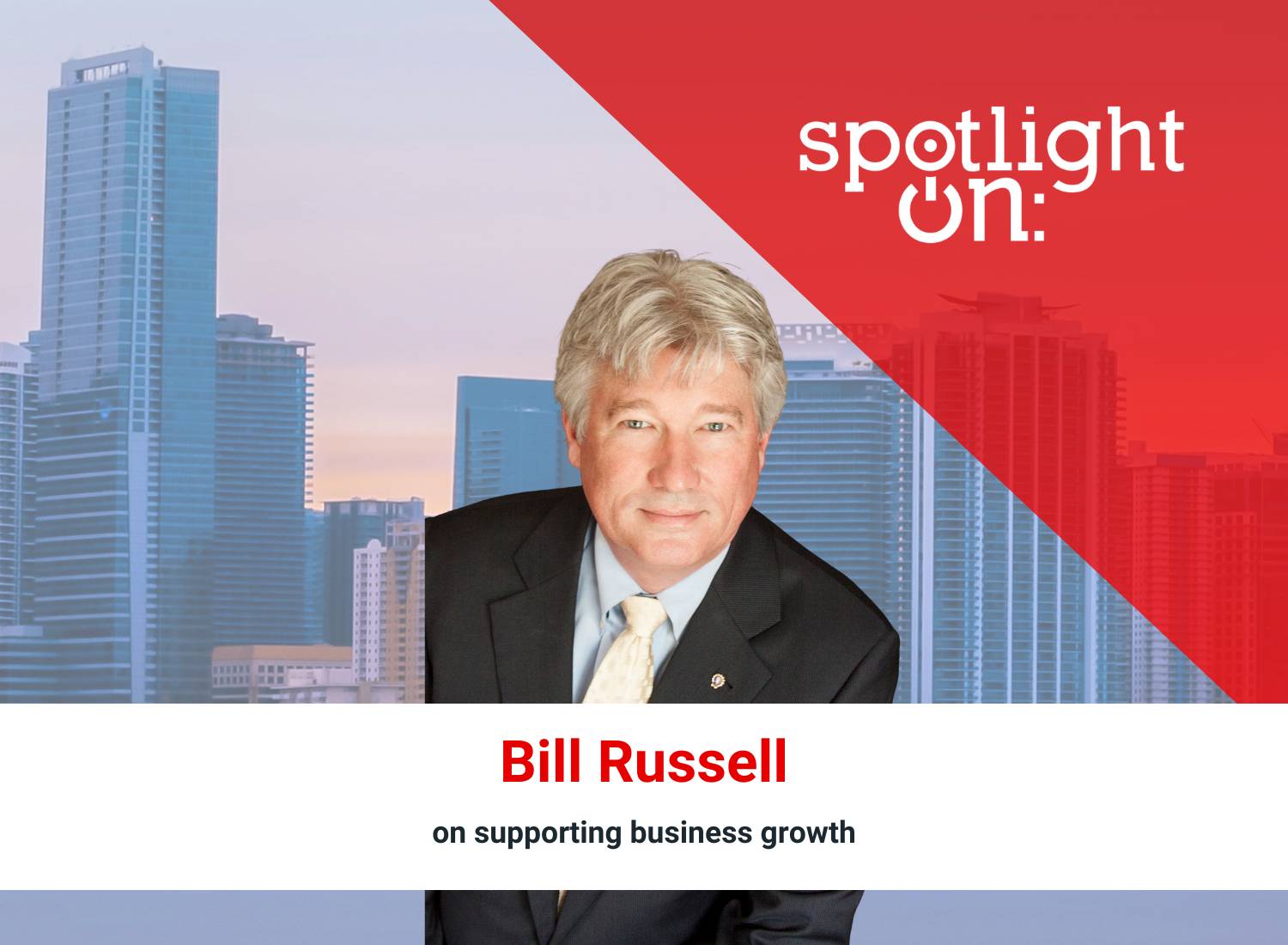
Spotlight On: Bill Russell, President & CEO, Lake Norman Chamber of Commerce

Bill_Russell_Spotlight_onDecember 2025 — In an interview with Invest:, Bill Russell, president and CEO of the Lake Norman Chamber of Commerce, discussed the chamber’s efforts in supporting growth for businesses in the region, including networking events and workforce development initiatives. “Over 30 years ago, businesses and corporations joined chambers because it was the community thing to do. It was considered a civic thing. Now, businesses choose to join chambers because of what they’re going to get back from it. Investing in the chamber of commerce is an investment in their business,” Russell said.


Join us at caa’s upcoming leadership summits! These premier events bring together hundreds of public and private sector leaders to discuss the challenges and opportunities for businesses and investors. Find the next summit in a city near you!


What recent changes have impacted your chamber and the business community?

Our chamber hosted 101 networking events, 39 professional development seminars, and 78 ribbon-cuttings this past year. That is an aggressive schedule for any chamber. In addition, we continued with our advocacy efforts, alongside our signature events.

In February 2025, we hosted an artificial intelligence seminar at the Cain Center For The Arts, with Meta as one of our sponsors. They said this was the first AI seminar in North Carolina by a business association. It was on how AI is starting to shape business decisions. It is not replacing people, but it is retooling people. We can use that to help market our businesses. I have a radio show every week, and now, I can use AI to polish my questions on certain subjects. In October 2025, we will hold the 24th annual business expo, which has sold out early. It’s our opportunity to showcase our businesses, so we’re looking forward to it.

What makes Lake Norman the place to grow a business within the Southeast?

I can’t think of a better place to work, live, and visit than the Charlotte region, and Lake Norman, in particular. It sometimes feels like being in the Garden of Eden. We have the lake lifestyle right here, with the largest man-made lake in the Carolinas, covering 520 miles of shoreline and four different counties. We’re less than two hours away from the mountains, and about three hours from the coast. There are sports teams, arts, and entertainment, like the Blumenthal Arts Center, available to residents. The weather is also spectacular, with all four seasons.

How has the chamber’s momentum evolved recently?

The Lake Norman Chamber of Commerce is a regional chamber of commerce with 850 members. Over 30 years ago, businesses and corporations joined chambers because it was the community thing to do. It was considered a civic thing. Now, businesses choose to join chambers because of what they’re going to get back from it. Investing in the chamber of commerce is an investment in their business.

We encourage people to support their businesses through the business directory in our relocation magazine. We have a visitor center where they can put their materials. We have programs like networking events, which is why 90% of our businesses join the chamber. They want to expand their contact base, and they know they can come to the events to meet like-minded businesses. So, hosting professional development seminars and similar events is extremely important. The chamber has the ability to be the voice for businesses, and we can advocate on their behalf. Oftentimes, when I meet with government representatives, they want to know what the chamber of commerce thinks about certain topics.

We have good contacts and relationships with our delegation, including our senior senator, Thom Tillis, who’s from Lake Norman.

What are your top priorities in supporting the next wave of regional growth?

We’re always playing catch-up in North Carolina when it comes to roads and schools. We build developments and businesses, and then, we decide to get the road. Getting the infrastructure in place seems to be secondary. Those are probably the primary drivers of concern for our local elected officials when they consider whether we have the infrastructure in place to support the wave of growth we’re facing.

Overcrowding in schools and on our roads is a good problem to have. I’ve been in communities that didn’t have that problem. Some places had the infrastructure, but they didn’t have other capacities to facilitate the growth. So, they didn’t have businesses or jobs there. Having congestion on your roads and overcrowding in schools can sometimes be symptoms of a rapidly growing community.

For example, the population of Huntersville was 3,000 people in 1990, and it’s approaching 70,000 in 2025. There are not many communities in the country facing that type of growth. We’re seeing that in multiple locations because more people want to grow their businesses and their families in Lake Norman.

What are the industries driving demand for Lake Norman?

We have a tremendous choice in healthcare here, and it’s a sector that has been growing stronger. Atrium Health recently opened a new hospital, and Lake Norman Regional Medical Center is now affiliated with Duke Health. We also have Novant Health’s presence in Huntersville. We get all the doctors, jobs, and healthcare choices that come with those. We are also seeing growing interest and presence from international companies, from Germany, Spain, and Asia, in making Huntersville their home.

How does the chamber support workforce development for the region?

We have an initiative called the Lake Norman Education Collaborative, which connects businesses with schools. One of its programs is called Journey 360, which takes high-school students, including those from charter schools, on a tour of five different industries. They can learn how the businesses operate, and what skills are needed to be in those businesses. Sometimes, the educators go on the tours to see what they need to teach in the schools.

Not every student is going to go from high school to a four-year college. They may decide to go to a technical school or straight into the workforce through an apprenticeship. Our partners include Southwire, NuBlue, and Champion Tire & Wheel, which sometimes bring some of these students into their facility and offer them job opportunities. We also host career days to expose students to a variety of professions.

What initiatives are you launching to support arts and culture?

We work closely with the Cain Center for the Arts to promote their wide range of acts. They have 400 seats for performances like the Charlotte Symphony, comedy acts, country and western music, and so on. They are going to have a business show, and we had our AI event there. One of the big sports that has been taking off for a while is pickleball, and all of our towns are getting involved in building new pickleball courts. Amateur sports are big in Lake Norman, including softball, swimming, diving, and tennis.

What are your top priorities for the next few years?

We’re going to work closely with our elected officials to make sure we have proper infrastructure, from the roads and public transit to schools, that will support businesses. Our focus is to make sure the infrastructure in place can support that growth. We will identify the business sectors we lack, so we can promote bringing them here. We want to make sure that people don’t have to travel far for their jobs. We also focus on education to produce a skilled workforce for the incoming businesses.

I’m fortunate to work at the Lake Norman Chamber of Commerce. When I started here in 1996, I did not think it likely that I would spend the rest of my career at one chamber. I can’t think of a better place to do what I do, though.

Want more? Read the Invest: Charlotte report.

Subscribe to Our Newsletters

"*" indicates required fields
Address*
Would You Like To Receive Our National Newsletter?*
Interests
Markets
This field is hidden when viewing the form

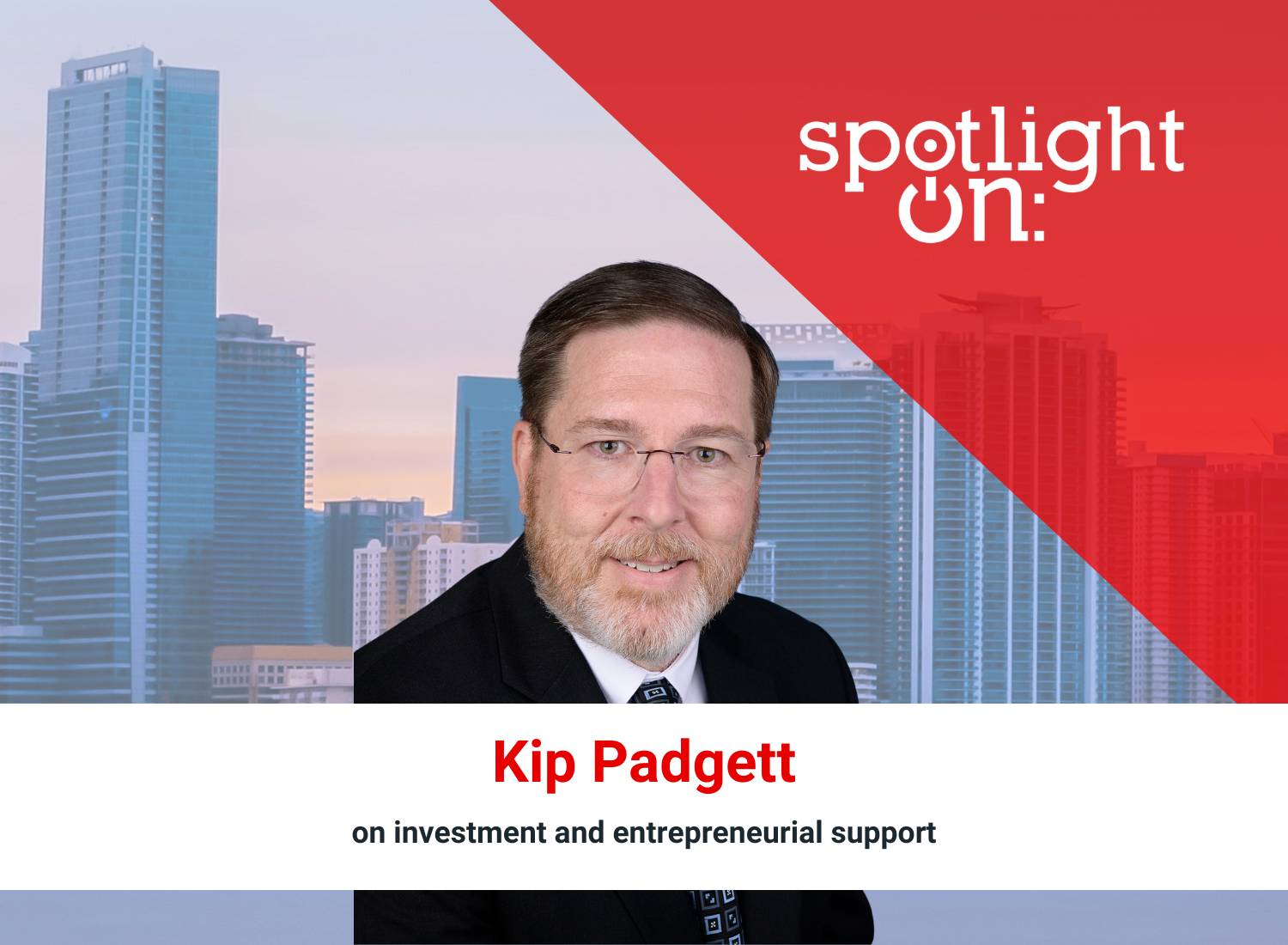
Spotlight On: Kip Padgett, Town Manager, Town of Wake Forest

Kip_Padgett_Spotlight_onDecember 2025 — In an interview with Invest:, Kip Padgett, town manager of the Town of Wake Forest, highlighted the town’s commitment to strategic growth through partnerships, infrastructure investment, and entrepreneurial support. “A key measure of success will be the number of businesses that choose to locate here. We’re investing in infrastructure and quality-of-life projects to support that goal,” Padgett said.


Join us at caa’s upcoming leadership summits! These premier events bring together hundreds of public and private sector leaders to discuss the challenges and opportunities for businesses and investors. Find the next summit in a city near you!


Reflecting on the past year, what major changes or developments have had the most meaningful impact on Wake Forest’s trajectory?

We’ve focused on supporting our business owners, as entrepreneurship is important to us. We support our local Rotary Club on an initiative called Launch Wake Forest. Through this program, the Rotary Club mentors aspiring business owners, helping them develop viable business plans. It’s a collaboration with Wake Tech and our town, and we’ve built upon it by launching the Founders Program.

The Founders Program supports entrepreneurs who already have established businesses, helping them refine their operations and skills. We bring in a successful entrepreneur as an Executive in Residence to mentor participants. We also collaborate with UNC Chapel Hill’s School of Business; one of their professors works closely with the entrepreneurs to tailor guidance to their needs.

At the end of the program, we host a pitch event similar to Shark Tank. Entrepreneurs present their ideas to a panel of judges, and I’m one of them. The winner receives a financial award to further develop their business.

What opportunities do you see right now to attract businesses to the region?

We’re always focused on being business-friendly and welcoming to new enterprises. We have both an economic development director and a downtown development director, and their mission is to support and attract businesses to Wake Forest. One of our key partnerships is with Southeastern Baptist Theological Seminary, which owns about 169 acres of mostly vacant land. We’re collaborating with them to market and develop this area, especially targeting commercial, retail, and office space.

Our development services team also plays a big role — when someone is interested in developing property here, we help streamline the process to make it as efficient as possible. Throughout the year, we support businesses via our Chamber of Commerce and various town-led initiatives.

What progress has been made on affordable housing, particularly considering labor shortages, rising costs, and supply constraints?

Affordable housing remains a challenge. To address this, the Board of Commissioners allocates one penny of the tax rate each year to build up an Affordable Housing Fund. This fund enables us to make strategic public investments that can help attract private development.

We’re exploring land assemblage opportunities and partnering with land trusts to encourage developers to include affordable housing components in their projects. But it’s difficult. As construction costs and supply chain issues persist, achieving affordability becomes harder. We’re trying to be strategic, assembling land and working with partners to fill the affordable housing gap as effectively as possible.

How has Wake Forest managed demands for roads, utilities, and public safety while preserving the town’s character?

Transportation is a huge focus for us, especially with all the growth we’re seeing. The Board of Commissioners allocated an additional penny and a half on the tax rate specifically for transportation initiatives. We also work closely with the North Carolina Department of Transportation (NCDOT) since they own many of our roads.

We’re concentrating on key corridors like Capital Boulevard and Ligon Mill Road, which are vital for future commercial development. Internally, we’re entering year three of a major street repaving initiative — about a $12 to $15 million investment to bring all municipal roads up to standard.

Looking ahead, we’re leveraging partnerships at the state and regional levels to bring more transportation projects to life, including improvements to the corridors I just mentioned.

How are you working with public and private leaders to bring this vision to life and attract more private investment?

The S-Line passenger rail project is a great example. We’re working with NCDOT, which has been successful in securing grants to upgrade the rail line, including a new passenger rail station in downtown Wake Forest.

They applied for additional grants but needed a local funding match, which we provided. That collaboration led to a successful grant award to help construct part of the train station. We also work closely with the Central Pines Regional Council, which brings together local governments to discuss and address regional issues. The S-Line has been in the works for years, and there’s a lot of excitement about it finally becoming a reality in the near future.

How are quality-of-life investments, like parks and community events, enhancing livability for both long-time residents and newcomers?

We host a number of popular events downtown. Our Parks and Recreation Department just wrapped up Boo Bash, our Halloween event, which brought in about 7,500 to 8,000 people.

Our marquee event is Friday Night on White. On the first Friday of each month from April through September, we close off downtown streets and bring in live bands. These events draw 12,000 to 15,000 attendees. It’s also an economic development strategy — people might window shop during the event and return later to make purchases, introducing them to all that downtown has to offer.

Joyner Park is our signature green space, and we continue to invest in greenways as well. We’re also constructing phases two and three of the Dunn Creek Greenway. Our residents value outdoor amenities, so expanding parks, trails, and green spaces remains a top priority.

What other initiatives are in the pipeline over the next few years that you’re most excited about?

We’re focused on completing key connections in our greenway system. Once we finish Dunn Creek and Smith Creek, we’ll have a continuous trail connection from Raleigh in the south to Franklin County in the north — right through Wake Forest.

We’re also building a new skate park alongside what is called a pump park. I didn’t know what it was at first, either, but it’s basically a bike course for racing and tricks. We hope it becomes a destination for skating competitions and attracts visitors. The facility will also include basketball courts and be located near Joyner Park, which already draws a lot of foot traffic.

How are you preparing for the growth that’s likely to follow the connection to Raleigh?

It’s a multifaceted approach. Many of our residents commute to Raleigh or RTP, so we’re focused on expanding local amenities like parks, greenways, and family-friendly spaces to enhance quality of life.

But we’re also looking at how to reduce commutes by creating more local job opportunities. That’s where our economic development strategy comes into play, including programs like the Founders Program. We want residents to launch and grow their businesses here instead of having to travel elsewhere for work.

How is performance measurement shaping outcomes across departments?

Everything we do ties back to our strategic plan, which the elected officials adopt. It outlines five key goals. Our annual budget is aligned with those goals, and we track performance metrics accordingly.

For example, we measure fire department response times — our department is ISO-rated 1, which is the highest rating and can result in lower insurance rates for commercial properties. We track police response times, how quickly building inspections are completed, and how efficiently the planning department processes development applications. It’s a full-circle process that ensures alignment between our strategic goals and daily operations.

Looking ahead to the next two to three years, what outcomes will define Wake Forest’s success, and what are your top priorities to achieve them?

A key measure of success will be the number of businesses that choose to locate here. We’re investing in infrastructure and quality-of-life projects to support that goal.

Transportation is a top priority, just like fiber internet was a few years ago. We completed a “middle-mile” fiber project by partnering with a private provider; we collaborated on jointly digging the trench and then separately installed both our municipal fiber and their commercial fiber. That partnership expanded access to neighborhoods and made fiber more available to businesses, particularly downtown and along major corridors.

We’re hoping to replicate that kind of success with transportation, working with NCDOT and pursuing public-private partnerships. For example, we’ve partnered with developers to complete road connections during construction projects, reimbursing them later. It’s often more efficient and cost-effective that way. We believe that small wins like these are essential to achieving our broader vision for Wake Forest.

Want more? Read the Invest: Raleigh-Durham report.

Subscribe to Our Newsletters

"*" indicates required fields
Address*
Would You Like To Receive Our National Newsletter?*
Interests
Markets
This field is hidden when viewing the form

Regional Review: How Nashville’s new infrastructure is powering global investment

INASe4_Banner_Transit_Alliance_of_Middle_Tennessee

Writer: Eleana Teran

NashvilleRegional Review is a year-end series from caa that looks at key developments in a focused industry throughout the year and sets the stage for what’s to come in the near term.

December 2025 Nashville infrastructure entered a defining year as major projects moved forward and transit planning gained speed. Rising costs and continued population growth intensified pressure across the region, pushing agencies to keep mobility aligned with Middle Tennessee’s expansion.


Join us at caa’s upcoming leadership summits! These premier events bring together hundreds of public and private sector leaders to discuss the challenges and opportunities for businesses and investors. Find the next summit in a city near you!


“We want to ensure every community has the infrastructure, sites, and quality-of-life assets to attract and retain companies,” said Lyndi Berrones, assistant commissioner for strategic initiatives at the Tennessee Department of Economic & Community Development, to Invest:.

Greater Nashville continues to grow faster than the nation. Between 2020 and 2024, the region added more than 136,000 residents, a 6.4% increase that pushed the metro past 2 million people. That pace outstripped the country’s overall 2.6% growth over the same period.

That growth is already straining the region’s transportation network. Recent reports show the metro added more than 30,000 residents in a single year, driving congestion higher and stretching daily commutes beyond typical travel times. In some cases, routine trips have expanded dramatically; the 80-mile drive between Clarksville and Murfreesboro can take up to three hours due to traffic delays.

These pressures point toward a key milestone achieved in November 2024, when Nashville voters approved the Choose How You Move referendum, establishing a dedicated half-cent sales tax for transit investments. 

“The half-cent sales tax will fund improved service delivery, extended hours, more frequent service, additional routes, and new transit centers,” Tom Turner, president and CEO of Nashville Downtown Partnership, told Invest:. “There’s funding for sidewalks, safer walking conditions, and multimodal lanes to support biking and other forms of movement. So we’ll gradually see more pedestrians, more bicycles, and more buses. What many people are eager to see is the modernization of our traffic signal network. Upgrading that technology will have a major impact.”

One year later, city officials have begun channeling that revenue into planning and early design work for expanded bus service, improved sidewalks, and upgraded signals along property corridors. The initiative marks Nashville’s first sustainable funding mechanism for public transit and a turning point in how the region approaches growth management.

Tracking progress and challenges

Since its approval, the plan’s implementation has advanced through incremental but visible steps. Collections for the program began in February 2025, and by July the surcharge had already generated about $68 million, exceeding the administration’s early estimate. An October 2025 announcement from the mayor’s office confirmed more than $100 million committed to capital projects, including signal upgrades and sidewalk installations on high-traffic corridors.
A follow-up release marking the program’s first anniversary outlined roughly $163 million in projects in active or completed work, such as the new queue-jump lane for buses on Murfreesboro Pike and a free-fare pilot for eligible residents.
While implementation is underway, the region remains under significant cost pressure that continues to complicate budgets and timelines. 

During the first half of the year, construction firms across Nashville reported rising costs tied to imported steel, aluminum, lumber and fasteners. One contractor estimated certain materials had increased between 30% to 50%.

The ripple effects extend well beyond raw materials. RLB Construction’s 1Q25 report, found the national average cost of construction rose 4.35% year-over-year, down from 5.86% the year prior. By the third quarter, the firm’s updated analysis suggested that although materials and labor remained key headwinds, cost escalation had begun to moderate across most U.S. markets.
Similarly, Cushman & Wakefield’s September 2025 review estimated that tariff-driven inputs could add about 9% to materials costs and 4.6% to total project expenses. With the Choose How You Move revenue still in early development and high-demand corridors competing for resources, Metro officials are expected to adopt phasing strategies and more granular procurement controls rather than assuming uniform delivery across all zones at once.

Private innovation meets public need

Alongside public investments, private-sector innovations are shaping how Nashville addresses mobility and congestion. Earlier this year, the State of Tennessee and The Boring Company unveiled plans for the Music City Loop, a privately funded, zero-emissions underground transit system that will connect downtown Nashville and the Convention Center to Nashville International Airport (BNA). The 10-mile system will be built under state-owned roadways, currently under design stage and expected to open at the beginning of 2027. 

The partnership represents a landmark step for the state, positioning Nashville as the first city outside of Nevada to move forward with an operational Loop system. The state emphasized that the project will be entirely privately funded, requiring no taxpayer dollars, and will comply with NFPA-130 fire and life-safety standards. Gov. Bill Lee described the collaboration as an example of responsible innovation that advances mobility and economic growth without relying on public funds.

Connecting growth and competitiveness

Transportation investment continues to shape Tennessee’s economic outlook, influencing how the state competes for business and talent. Improved mobility and airport access are reinforcing the region’s appeal to global investors, while new infrastructure strengthens its logistical and workforce advantages.

Berrones explained to Invest:, Nashville’s growing connectivity is expanding its global reach. Over the past year, new direct flights from Nashville to Iceland and Dublin have positioned the city as a more accessible gateway for transatlantic business. The state is now focused on a direct route to Asia, a priority driven by its growing network of Japanese and Korean companies.  

Those relationships are part of a much larger pattern. Since Gov. Lee took office in 2019, roughly 40% of all capital investment in the state has come from foreign-based companies. Tennessee is home to more than 1,000 international firms representing $49 billion in capital and employing over 160,000 workers statewide. The state has representatives in Germany, Japan, Korea, Italy, and the U.K., which play a central role in attracting new projects and supporting expansions.

That outreach has paid off in transformative ways. In Clarksville, global manufacturers such as Hankook Tire, LG Electronics, Shinhung Global, Dongwha Electrolyte and LG Chem have transformed the region into a hub for advanced industry

“Growth starts with a business-friendly state. Tennessee benefits from a strategic confluence of interstates, and our housing remains affordable compared to the rest of the country,” said Buck Dellinger, president and CEO of the Clarksville-Montgomery County Economic Development Council.

France’s Orano, which is developing a multi-billion-dollar nuclear facility in Oak Ridge, and companies like Kewpie from Japan and Craig Manufacturing from Canada expanding in the region, are examples of how international firms are not just investing in Tennessee but making it home.
As those projects accelerate, the state is also addressing foundational infrastructure gaps that determine where and how companies invest. “Power, water, and sewer are also critical. Companies won’t invest in a site, much less a community, if it can’t meet their future needs. That’s why we invest through CDBG and site development grants to help communities build out their infrastructure for sustainable growth,” said Berrones. “Transportation is another key factor. Beyond roads and highways, we’re focused on global connectivity.”

Want more? Read the Invest: Nashville report.

Subscribe to Our Newsletters

"*" indicates required fields
Address*
Would You Like To Receive Our National Newsletter?*
Interests
Markets
This field is hidden when viewing the form

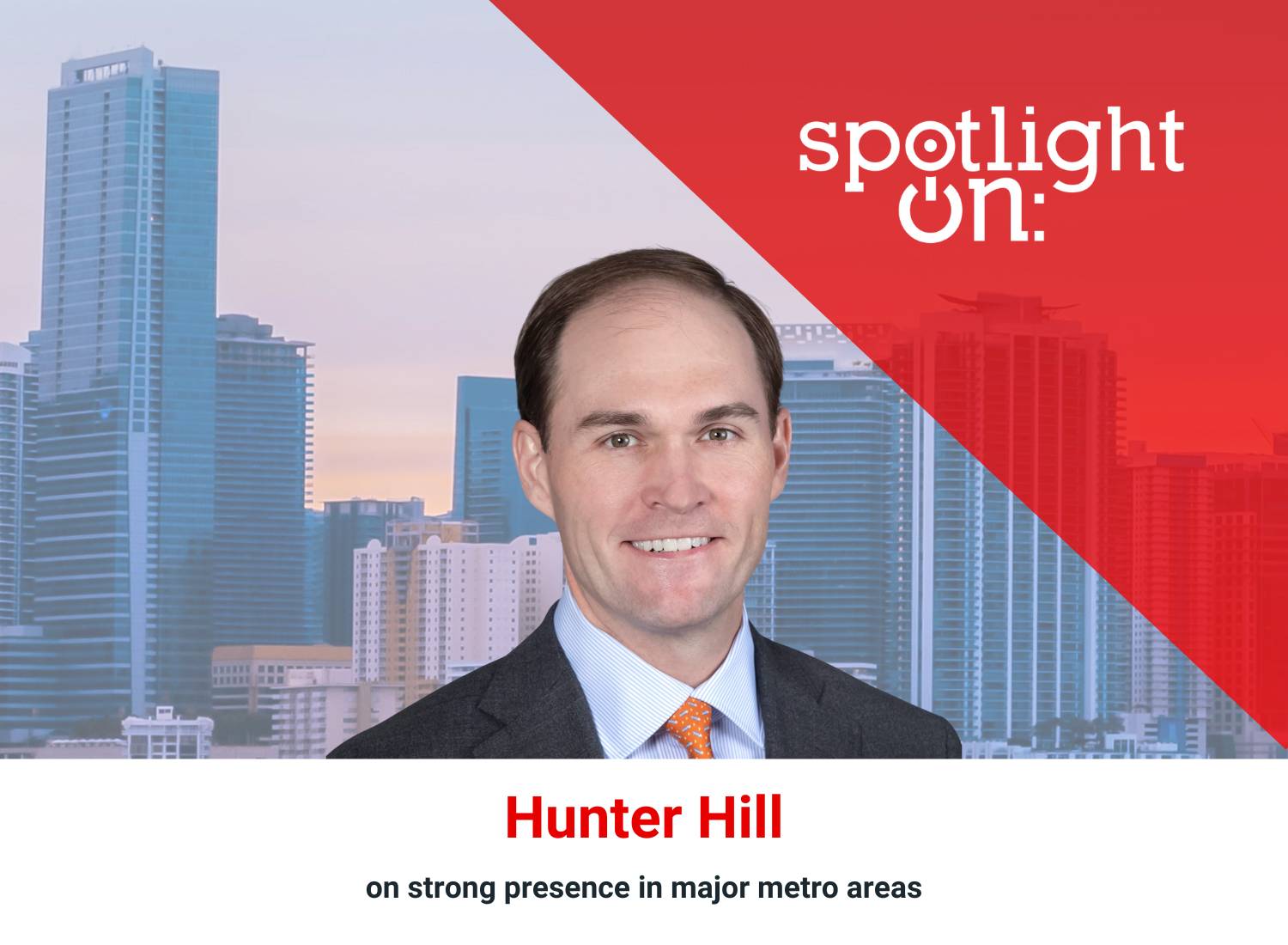
Spotlight On: Hunter Hill, South Central Regional President, First Horizon Bank

Hunter_Hill_Spotlight_onDecember 2025 — In an interview with Focus:, Hunter Hill, South Central Regional President for First Horizon Bank, discussed the bank’s growth strategy in Alabama and Georgia, emphasizing talent recruitment, technology investments, and community engagement. “Talent is the real differentiator in our industry,” he said.


Join us at caa’s upcoming leadership summits! These premier events bring together hundreds of public and private sector leaders to discuss the challenges and opportunities for businesses and investors. Find the next summit in a city near you!


What changes across the South Central region have shaped your view of the bank’s role in the local economy?

The biggest changes in the South Central region, which for us includes Alabama and Georgia, have centered on growth in major metro areas. We’ve established a strong presence in places like metro Atlanta and key Alabama markets and are well positioned to capitalize on the growth.

It all starts with people. Our top priority has been recruiting talent in those areas, especially Atlanta, which is by far our largest and most dynamic market in the region. We’re focused on building out a team of commercial, private, and retail bankers who have connectivity to the community and are committed to building long-term relationships with clients.

We’re always focused on raising awareness of our brand. In addition to marketing, we are dedicated to supporting nonprofit organizations, encouraging our bankers to serve on local boards, teach financial literacy, and actively engage in organizations and projects they are passionate about.

How would you describe the current tone among business clients, and how has that shifted from a year or two ago?

The economy still feels vibrant. Most of the people we’re talking to feel bullish about the outlook in their industries and in Atlanta overall. The feedback from both current and prospective clients has been overwhelmingly positive.

There’s ongoing growth in the number of people relocating to the area and in the number of businesses expanding or moving in. We’re focusing much of our attention on staying ahead of that growth by telling our story and demonstrating how we can support their expansion in a strong and growing economy.

How does First Horizon approach building client relationships today?

We begin by getting to know each client well. For businesses, we dig into their operations, challenges, and opportunities; and for individuals, we learn about their financial picture and long-term goals.

Once we have that foundation, we create a plan to help them reach those goals, which includes matching our services and products with their needs and expertise from our banking team. Technology plays a key role in that process. Clients today expect faster access to data and more efficient ways to move money. We’re making significant investments in technology to deliver those capabilities.

Security is also a top concern. Whether it’s an individual or a business, cybersecurity matters. We’re committed to safety and security for our clients while also supporting their progress.

What are some examples of your community involvement efforts in Alabama and Georgia?

Community involvement is a major priority for us. We want to be responsible corporate citizens in every market we serve, and that means showing up and engaging with causes that matter locally.

In Atlanta, we support a range of initiatives through our foundation. At the same time, we encourage our team to be hands-on with organizations they care about. Some of our closest partnerships are with Big Brothers Big Sisters, Junior Achievement, the Bobby Dodd Institute, and United Way.

These efforts include financial contributions and volunteer time from our associates. And while those are just a few examples, we’re connected to many other groups in the region. Across both Alabama and Georgia, we’re focused on making a positive, lasting impact through community involvement.

How is the bank approaching workforce and leadership development in the markets you serve?

Talent is the differentiator in our industry. We believe that having the best people in the field gives us a competitive edge. That may be true across many sectors, but in banking, where relationships matter, it’s especially crucial.

We want our bankers to understand their markets, stay current on industry trends, and help clients anticipate what’s ahead. Our goal is to be seen as trusted advisors. That can only happen when we have people who know their craft, understand their clients, and are able to provide meaningful advice.

We spend a lot of time recruiting. We meet with many candidates and are highly selective about who we bring onto the team. Once someone joins, they go through rigorous onboarding and continue their development through robust training programs. Every associate participates in this training, no matter how experienced they are. We believe everyone has room to grow.

Successful associates are curious and committed to continuous improvement. Our internal programs are designed to help them do just that.

What fundamentals make Atlanta such a strong place to do business?

Atlanta is one of the most vibrant cities in the country. It has a rich talent pool, a wide range of industries, and strong infrastructure. The airport alone plays a major role in attracting people and companies to the region.

This creates a dynamic environment that aligns well with what First Horizon offers to clients. One of our biggest strengths is our size. Atlanta is home to some of the world’s largest banks, along with many community banks and credit unions. We fall somewhere in the middle.

We have the scale to support businesses of all sizes, and we deliver that support with a hands-on, relationship-based approach. With more people moving in and businesses continuing to grow, Atlanta is a strong, evolving market — and one that we believe is a great fit for our model.

What are your top priorities for the region over the next three to five years?

One of our top priorities is growing our team. Our market share in Atlanta is still relatively small, so we see a lot of opportunity. That includes hiring more bankers and expanding our physical footprint. We’re looking at submarkets within Atlanta where we don’t currently operate but could have a presence in the future.

We’re also continuing to invest in technology. This is critical for the entire industry, and we want to lead in areas like fraud prevention and money movement capabilities. Clients expect fast, secure and efficient service. We’re focused on meeting and exceeding those expectations.

Another key priority is building awareness of our brand. We have a compelling story to tell, and we want to make sure more people hear it. Many people in Atlanta still don’t know who First Horizon is. We’re working to change that by expanding our visibility and reaching more people across the market.

Atlanta is also a key market internally. While my focus is primarily on the client-facing side, including commercial, private, and retail banking, we also have many associates based in Atlanta who support key internal operations across the company. We’ve been able to tap into the local talent base to strengthen these areas, and we plan to continue doing so as the city grows.

Where do you see the greatest opportunities for innovation or long-term industry impact?

The greatest opportunities lie in technology. Across the industry, there’s a strong push to improve digital tools, enhance cybersecurity and reduce fraud. We are investing in these areas to better serve and protect our clients.

Artificial intelligence is another area of focus. We’ve already introduced AI in several parts of the business to improve efficiency and prepare our teams for client meetings. AI also helps us identify client needs and flag potential risks based on money movement and behavioral patterns.

Technology and talent remain at the center of our strategy moving forward. Innovation will drive how we serve our clients, and having the right people in place will ensure that innovation delivers real value.

We also see a clear market opportunity in Atlanta. To take full advantage of that, we need to keep bringing in top talent. Atlanta is an attractive place for professionals, and we’re confident the market will continue to help us grow our team and our business.

Want more? Read the Focus: Atlanta report.

Subscribe to Our Newsletters

"*" indicates required fields

Address*
Would You Like To Receive Our National Newsletter?*
Interests
Markets
This field is hidden when viewing the form

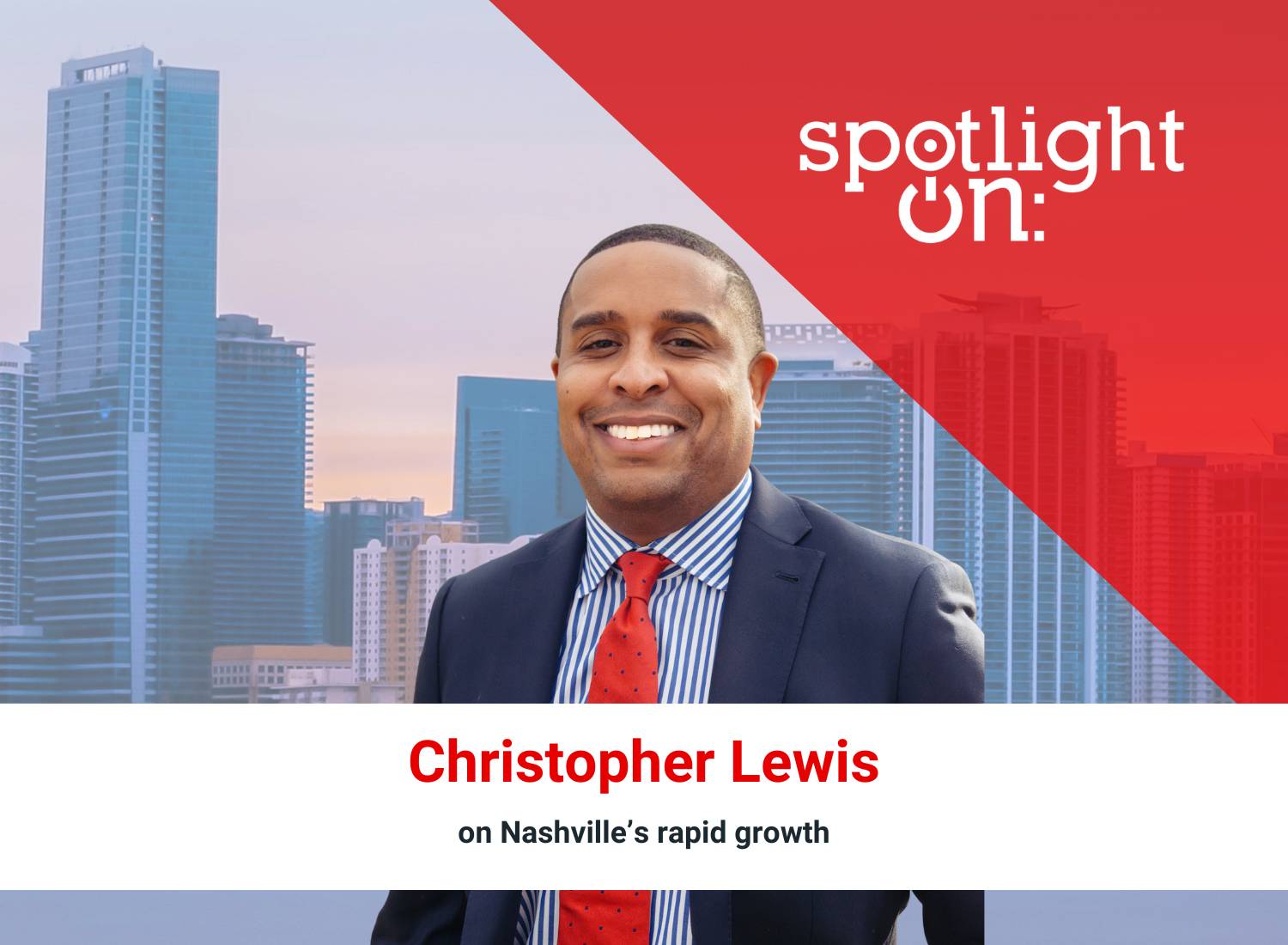
Spotlight On: Christopher Lewis, Founder & Managing Director, Greenwood Capital Advisors

Christopher_Lewis_Spotlight_onDecember 2025 — In an interview with Invest:, Christopher Lewis, founder of Greenwood Capital Advisors, shared how he’s bringing Wall Street expertise to Nashville’s middle market through full-service investment banking and strategic CFO support. “Our tagline is “Built for Founders, Forged on Wall Street.” We bring Wall Street-level sophistication to the middle market, but focused specifically on founders,” Lewis said.


Join us at caa’s upcoming leadership summits! These premier events bring together hundreds of public and private sector leaders to discuss the challenges and opportunities for businesses and investors. Find the next summit in a city near you!


How are you closing market gaps and evolving Greenwood Capital Advisors?

I worked on Wall Street for over a decade, doing about $25 billion in deals across different sectors, so I really got grounded in transactions in a sophisticated way. When I came back to Nashville, I ran a few smaller regional boutiques and noticed a gap in the market, both in skills and services. A lot of people who put themselves out there as investment bankers or business brokers weren’t really trained for the job. Many came from accounting or had sold their own companies but didn’t have the reps or depth of transactions needed to truly advise founders.

I also saw that most boutiques focus exclusively on M&A, which is the last thing you do as a business owner. There was a big gap in helping founders evolve to the point where they could sell for the highest value. Another gap was on the CFO side. Many clients didn’t have a CFO, or if they did, that person was more controller-based, looking backward, not forward.

I built Greenwood Capital Advisors to fill those gaps. We do full-service investment banking: M&A, capital raising, and capital structure advisory; however, we also have a strategic CFO service line that covers the other four key CFO functions: financial planning and analysis, investor relations, treasury work, and corporate development. Those are the strategic pieces that help founders run and grow their businesses better.

Because that combined approach can be hard to communicate, I developed what I’m calling the Dual Track model — we’re in the process of trademarking it. It combines strategic CFO-integration with investment banking into one service line. We embed as a fractional CFO a year to 36 months before a transaction, so we can build KPIs and strategic advantages that make our clients look better in the market. That reduces execution risk and improves valuations when they’re ready to sell or recap. The Dual Track model is a new evolution we’ve added to help clients understand and benefit from that combined approach.

Why did you bring this model to Nashville?

When I was working in New York, I remember mentioning Nashville for the first time and seeing people’s faces light up, that’s when I knew Nashville had arrived. I started coming home more, got a few clients here, and realized a few key things.

First, Nashville is growing very quickly. But second, there’s a gap in sophisticated business services — there are great law firms, healthcare companies, and infrastructure, but not much depth in business services like investment banking and CFO services.

Also, in big markets like New York, LA, or Chicago, the market share is already captured, so it’s tough to break in as an entrepreneur. Nashville, especially in investment banking and CFO services, is still open — there’s room to grow and gain market share.

Lastly, there’s a cultural aspect. Even with so many people moving here, Nashville is still a local town. People want to work with someone from here. So being both a Nashville native and New York-trained lets me bridge that gap. That combination helps me build trust with founders here in a way that outsiders can’t. That’s why I came home.

What challenges come with educating the local market?

There’s the challenge of being in investment banking generally, plus the challenge of being an entrepreneur in this space. Even though there’s a gap in the market, there’s a double-edged sword to that. Many founder-led, middle-market companies don’t fully understand what investment bankers do. Larger corporations get it, but founders often don’t.

There’s also a mistrust of investment bankers. Some people conflate private equity with investment banking because they’ve dealt with firms that combine them under one roof — “merchant banks” that might buy a company for cheap under the guise of advising. Others have dealt with business brokers or bad bankers who didn’t add value. So there’s skepticism about what we really do.

Our job is to solve strategic issues and execute strategic transactions. But if clients don’t trust that, they hesitate to accept the help we offer. That creates a huge educational component I didn’t expect. In New York, that part wasn’t necessary — everyone understood the value. Here, there’s a lot of education around what investment banking really is, how it’s different from private equity, and how we add value. That’s been a big challenge.

How do you guide clients through economic uncertainty, particularly the tariffs that have markets on edge?

Every situation is different depending on the sector, but broadly speaking, tariffs are often secondary to what our clients are focused on because the economy here is mostly service-oriented. Tariffs might impact their clients, which trickles down.

The bigger issue is the uncertainty related to communications in the media. For example, what’s going on with tariffs. Business leaders can plan for good or bad conditions if there’s certainty, but uncertainty causes people to pull back. That’s when talk of recession picks up.

For the Federal Reserve, the good thing has been the transparency around interest rate policy. That helps businesses plan. So my advice has mostly been to stay focused on what they can control, plan for possible changes, and remember that administrations like Donald Trump’s tend to be pro-business. Long term, tariffs are more of a negotiation tactic than a lasting policy.

What is your outlook and long-term vision for Greenwood?

I’m very positive about the outlook. Our biggest priority is education and helping founders really understand what we do and how the Dual Track model combines strategic CFO work with investment banking to create real value. Once they understand that, scaling will come naturally.

Greenwood was always intended to be the first part of a larger financial ecosystem I’m building. The goal is to build out five companies under the Greenwood brand: private equity, private credit, asset management, strategy consulting, plus what we’re doing now with investment banking and CFO services.

The vision is for Greenwood to be an international, world-class financial ecosystem that gives founders and high-net-worth individuals access to the kind of sophisticated services that are usually reserved for bigger players. That’s our ethos: providing access to services that help founders grow, create wealth, and build value long-term.

Want more? Read the Invest: Nashville report.

Subscribe to Our Newsletters

"*" indicates required fields
Address*
Would You Like To Receive Our National Newsletter?*
Interests
Markets
This field is hidden when viewing the form

A unified vision for San Antonio’s urban transformation

Writer: Mirella Franzese

San_Antonio_Panel_2November 2025 — As urban regions grapple with the dual challenges of expansion and preservation, San Antonio emerges as a model of cross-sector collaboration.


Join us at caa’s upcoming leadership summits! These premier events bring together hundreds of public and private sector leaders to discuss the challenges and opportunities for businesses and investors. Find the next summit in a city near you!


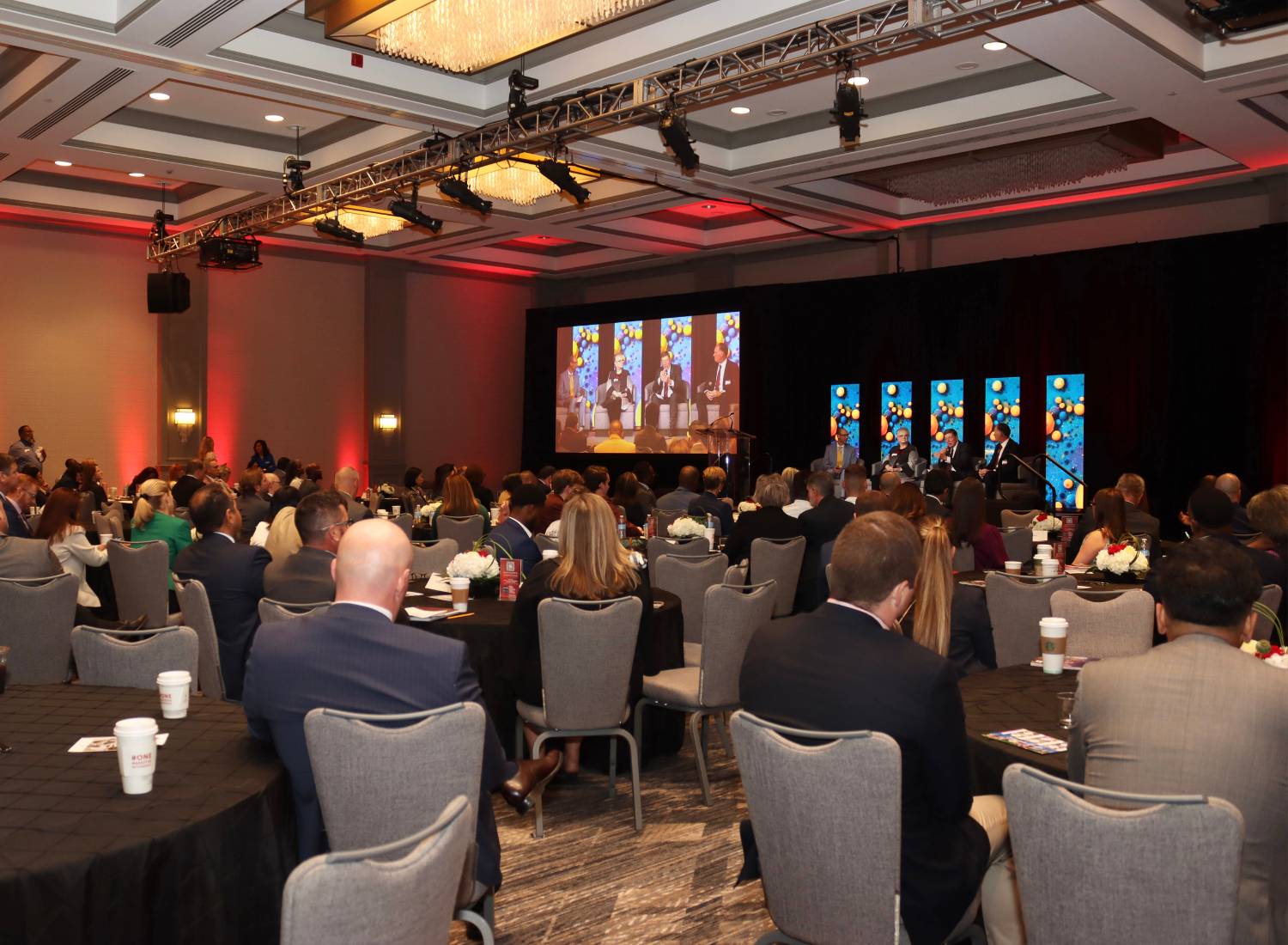
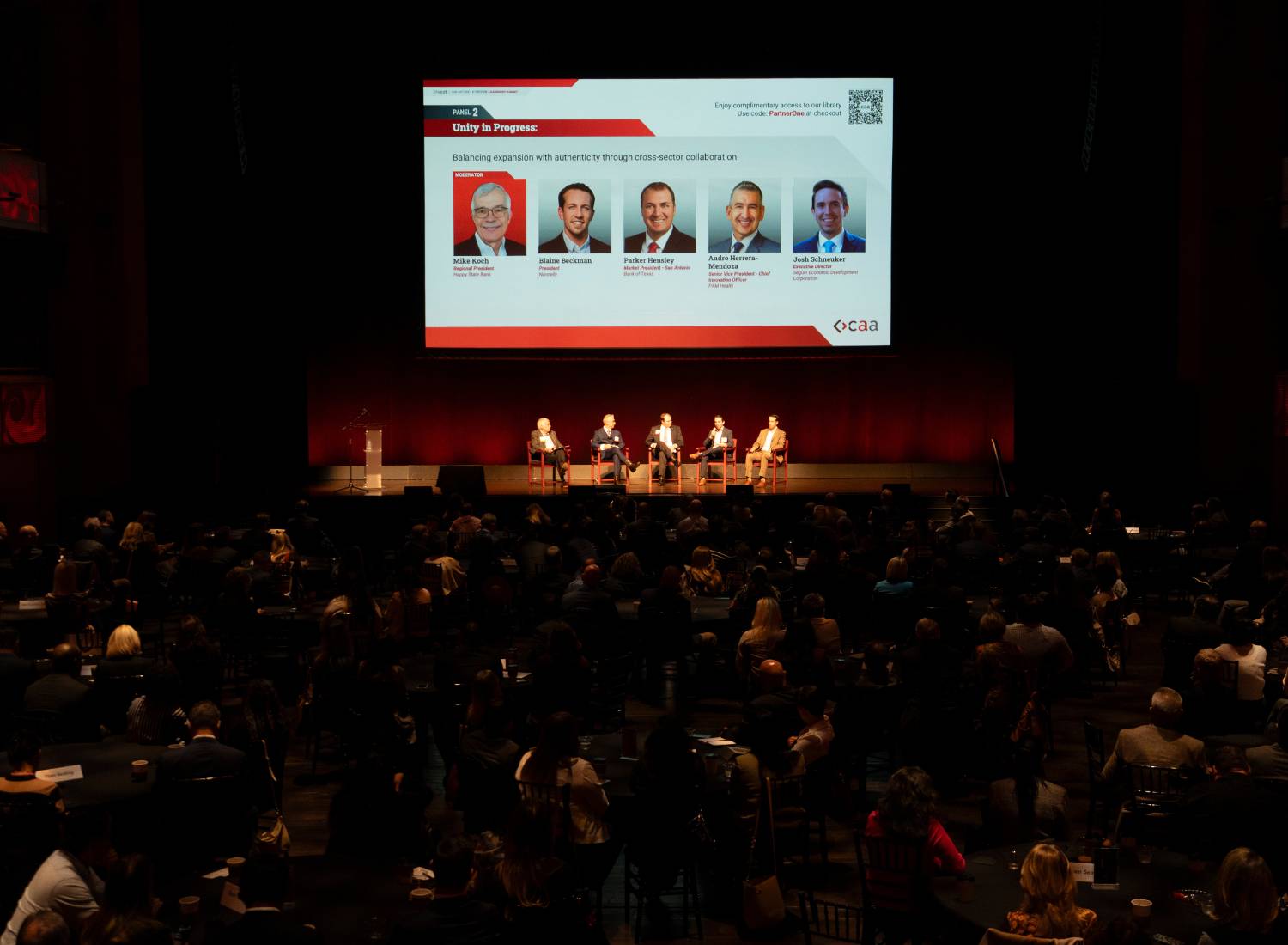
At the recent Invest: San Antonio Leadership Summit, leaders from construction, healthcare, and the public sector gathered to discuss the concept of “Unity in Progress,” focusing on how diverse sectors can come together to foster sustainable development while preserving the unique identity of the region.

“Balancing economic progress, quality of life, and the unique aspects of community are challenging for every region across the country, and San Antonio is no exception,” said panel moderator Mike Koch, regional president of Happy State Bank, to a room of 250 C-level executives.

San Antonio has been one of America’s most populous cities for years, rivaling the likes of bigger metros such as Chicago, Miami, and Phoenix. Yet, this rapid population surge brought on a wave of new development, transforming what was once considered a small, walkable town into a bustling metro area.

In the last ten years, the region’s economic output has grown by 40% — well above the national average of 28%, according to McKinsey & Company

But that growth, while positive, threatens to rewrite the make-up of the regional economy — which is where collaboration is making a difference, according to panelist Blaine Beckman, president of Nunnelly General Contractors. 

“We have to focus not just on the new product that we’re building, “ said Beckman, “but also the area we’re impacting.”  

For Beckman and his team at Nunnally, that means growing alongside the culture, the people, and the businesses that are already firmly rooted in the community. 

This collaborative approach was underscored by the recent approval of $1.5 billion development in the city’s downtown areas by San Antonio voters. This project, which Beckman described as “exciting”, encompasses a brand new entertainment district and stadium to house the city’s NBA team, the San Antonio Spurs.  

Additional plans for the development include an expanded convention center, a hotel tower, revamped Alamodome facilities, new retail spaces, residential lodgings, and upgraded infrastructure. 

“You have a group of people that want to make it better, and they want to work together to make it better,” said panelist Parker Hensley, market president for the Bank of Texas, about the spirit of partnership in San Antonio. “I think (collaboration) really is in the DNA of our city and it’s what makes us a little bit unique compared to some of the other mega cities in Texas.”  

Other large-scale collaborative projects are now on the horizon with the passing of Proposition 1, an amendment that will distribute $850 million for the construction of the new campus for the Texas State Technical College (TSTC)  in Seguin.

According to speaker Josh Schneuker, executive director at Seguin Economic Development Corporation, this endowment will support the growing needs of both future and existing industry in the area. 

“This project will ensure that both Seguin and the San Antonio region have the talent in place to remain economically competitive for the success of future industries,” he stated. 

The new TSTC campus will train the next generation of workers on essential skills, like manufacturing maintenance, welding, construction, and the trades, which remain in short supply. 

“That was really a collaborative effort between city, county, regional organizations, industry, and TSTC to get that institution here,” said Schneuker of the project. 

Beckman also observed that these types of projects bolster the regional workforce and help keep talent local — which is pivotal to preserving San Antonio’s cultural identity and “town feel”. 

“I think that one of the most important parts of making sure that we keep our fabric the same here in San Antonio is hiring locals,” he said, adding that Alamo City’s firms and workers are the ones who often invest in the community themselves. 

For Hensley, that level of local investment is what sets the city apart. “Authentic growth for San Antonio has always been defined and will continue to be defined as capital investment from people who understand our culture, who understand our community, and who are focused on the long-term growth of San Antonio,” he explained. 

https://www.youtube.com/watch?v=66V4Z6XQ_38

Want more? Read the Invest: San Antonio report.

Subscribe to Our Newsletters

"*" indicates required fields
Address*
Would You Like To Receive Our National Newsletter?*
Interests
Markets
This field is hidden when viewing the form

Regional Review: Tampa Bay tourism shows resilience

Writer: Melis Turku Topa

Tampa_BayRegional Review is a year-end series from caa that looks at key developments in a focused industry throughout the year and sets the stage for what’s to come in the near term.

December 2025 — Tampa Bay’s tourism sector entered 2025 with momentum, but also clearer signs of transition. Hillsborough County closed FY25 with more than $1.2 billion in taxable hotel revenue, marking its third consecutive year above the billion-dollar mark, supported by nine straight months of record performance and occupancy above 80%.


Join us at caa’s upcoming leadership summits! These premier events bring together hundreds of public and private sector leaders to discuss the challenges and opportunities for businesses and investors. Find the next summit in a city near you!


Even as the national lodging market softened, Tampa Bay continued to outperform peers in key revenue indicators and visitor spending.

According to Santiago Corrada, president and CEO of Visit Tampa Bay, it was not coincidental.

“Our success has been driven by a combination of strategic destination marketing and sales efforts, public-private collaboration, and Tampa Bay’s ever-evolving visitor experience. We’ve prioritized data-driven decision-making and launched innovative campaigns to keep Tampa Bay top of mind,” Corrada told Invest:.

Regional wins

That strategy played out across a busy year of headline events — from the NCAA Women’s Final Four and Country Thunder Florida to the Savannah Bananas and Gasparilla season — which helped activate demand across Tampa’s urban core, St. Pete-Clearwater’s beaches, and new districts like Midtown Tampa and Water Street. These events reinforced the region’s identity as a dynamic visitor economy, spreading impact beyond any single destination.

Collaboration emerged as a defining strength across the bay. As Brian Lowack, president and CEO of Visit St. Pete-Clearwater, emphasized in the latest edition of Invest: Tampa Bay.

“Collaboration with partners is another priority. We get to showcase how fantastic St. Pete-Clearwater is, but it’s our partners who create the experiences visitors love. Strengthening those partnerships is essential to our shared success.”

Preparedness becomes part of strategy

That spirit proved important following a disruptive storm season in 2024. Across Tampa Bay, 2025 underscored the sector’s resilience in the face of climate and policy shocks. Pinellas County’s bed tax collections ended FY24 about $4 million below despite hurricanes Helene and Milton disrupting beach visitation and damaging key venues like Tropicana Field. The ability to sustain near-record collections after major storms reinforced how central tourism has become to local tax bases and employment, and why proposed state legislation to redirect a large share of hotel tax revenues away from destination marketing toward property-tax relief has sparked strong pushback from Tampa Bay tourism leaders.

As resilience and preparedness took center stage, Visit Sarasota County President & CEO Erin Duggan noted how the storms shaped long-term strategy.

“We aim to build a more resilient and competitive future. Our most recent storm season underscored our vital role in communicating disaster preparedness best practices. As the saying goes, ‘Failing to prepare is preparing to fail.’”

That shift is reflected in new investments in Tampa Bay — including MOSI’s upgraded planetarium, Busch Gardens’ “Wild Oasis” realm, waterfront concepts on Rattlesnake Point, and niche lifestyle experiences that are expanding beyond traditional beach-driven demand. These efforts speak to a broader strategy: shaping visitor demand, not just chasing it.

However, not all challenges were local. In 2025, the federal immigration crackdown and rising visa-related costs dampened international visitation nationwide. Industry data already indicate softer overseas demand to Florida — particularly from European and Latin American markets — prompting local tourism organizations to track potential long-term impacts and shift focus toward experience-based and drive-market strategies.

Heading into the next year, Tampa Bay’s advantages remain clear: diversified demand drivers, event competitiveness, and a maturing regional approach to tourism. Yet sustaining growth will require continued collaboration, resilience, targeted investment, and proactive planning in the face of mounting policy and climate pressures.

Want more? Read the Invest: Tampa Bay report.

Subscribe to Our Newsletters

"*" indicates required fields
Address*
Would You Like To Receive Our National Newsletter?*
Interests
Markets
This field is hidden when viewing the form