



Spotlight On: Kelly Nierstedt, president of Orlando Health Orlando Regional Medical Center (ORMC) and senior vice president of the Orlando Region

Key points:

  • • Orlando Health is expanding rapidly across Florida and beyond while keeping complex care centralized at ORMC.
  • • Strategy focuses on mission-driven growth, seamless care networks, and expanding access through new facilities and telehealth.
  • • Workforce culture, AI integration, and proactive community-based care are key priorities for long-term success.
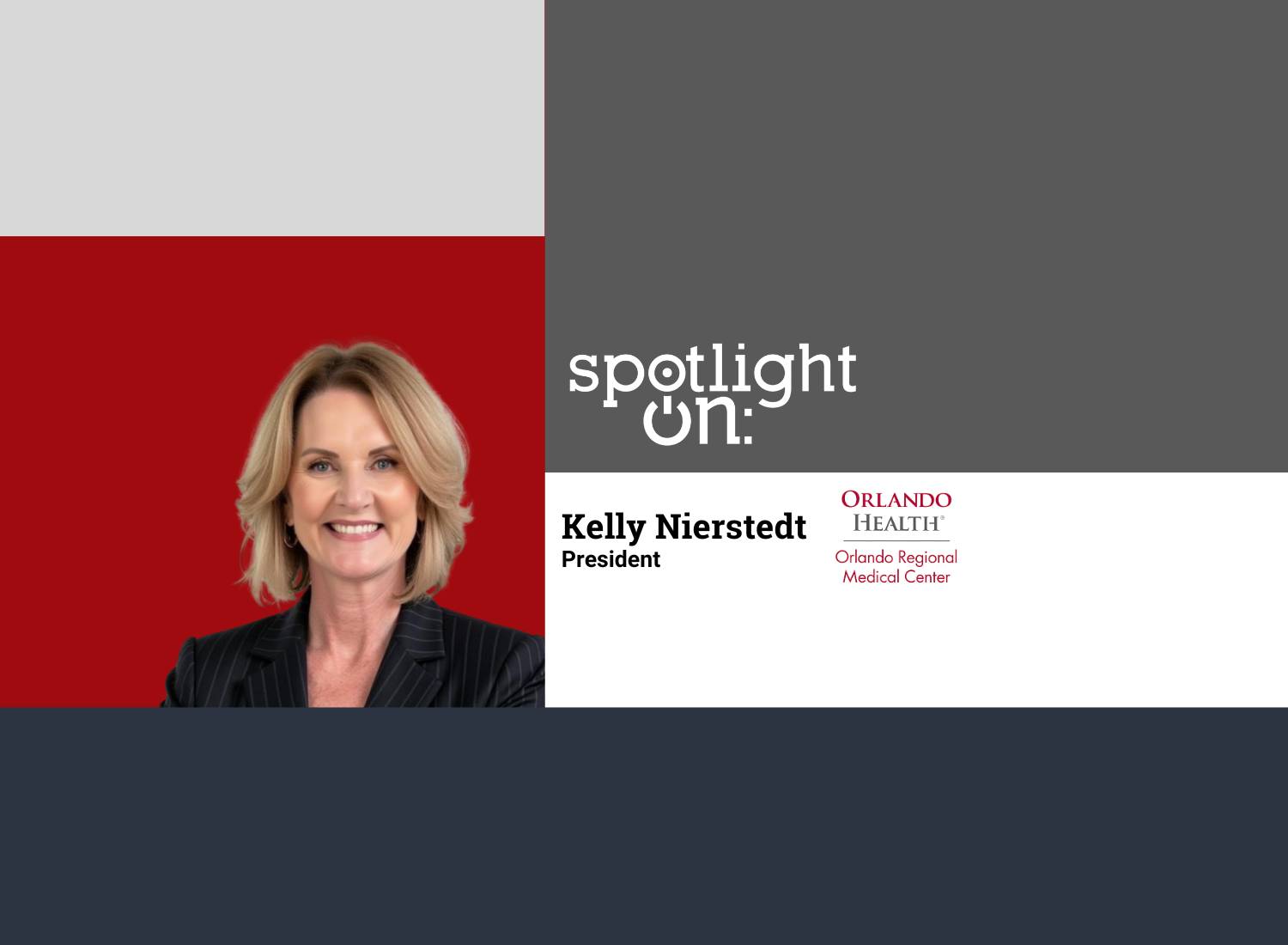
Kelly NierstedtMarch 2026 — In an interview with Invest: Kelly Nierstedt, president of Orlando Health Orlando Regional Medical Center (ORMC) and senior vice president of the Orlando Region, discussed Orlando Health’s rapid expansion and mission-driven growth. Over the past year, the health system has added new hospitals, expanded specialty institutes, and increased access points across Central Florida. “This is about bringing advanced care closer to where people live while keeping downtown as the destination for the most complex cases,” said Nierstedt.

What have been the most significant milestones and changes for Orlando Health over the past year?

It has been a year of tremendous growth. We purchased five hospitals in Alabama, our first expansion outside Florida and Puerto Rico, and three hospitals along Florida’s Space Coast. In one of those markets, we decided to sunset the existing hospital and build a new facility in Viera.

Closer to home, we opened a freestanding emergency department in Waterford Lakes on the east side of Orlando, serving a community that has long wanted Orlando Health services. 

We have also grown our specialty institutes: We opened a brand new, state-of-the-art expansion for the Orlando Health Digestive Health Institute downtown and brought services to the Tampa market. And the Orlando Health Jewett Orthopedic Institute, whose primary offices are in downtown Orlando, now has a presence on both the east and west coasts of Florida. All of this is about bringing advanced care closer to where people live while keeping downtown as the destination for the most complex cases.

As Orlando Health expands its footprint, what is the broader strategy for sustaining the system’s leadership?

When we look at opportunities to grow, Orlando Health does not grow just for the sake of growing. We are drawn to our mission to improve the health and quality of life of the individuals and communities we serve. If we do not believe we can live that mission in a given market, we will not go there. That is our true north.

ORMC is the hub of the system and the foundation of our history; this is where Orlando Health began more than 100 years ago. We expect ORMC to remain the destination for higher-level tertiary and quaternary services, while our community hospitals provide excellent care close to home.

Not every community facility can or should offer the most complex services. Our focus is on building the infrastructure that connects those local settings to ORMC so patients can move seamlessly when they need that higher level of specialization, especially as traveling into downtown becomes more challenging.

How is this demographic shift influencing demand for emergency, trauma, and specialized care, and how are you responding?

ORMC is the only Level One Trauma Center for adults in Central Florida, and Orlando Health Arnold Palmer Hospital for Children is the only Level One pediatric trauma center. The aging population adds new layers of complexity. Older adults need care that is designed specifically for their physiology and risks. We are developing programs geared toward older adults so that emergency, trauma, and inpatient services reflect best practices in geriatric care. These efforts are underway not only at ORMC but across the facilities where we care for patients.

What are the biggest industry-wide challenges you see in Central Florida’s healthcare landscape, and how are they affecting Orlando Health?

Workforce remains the most significant. Coming out of COVID, it became clear that we could not treat today’s workforce the way we did 20 or even five years ago. One of the most important things we have done is focus on culture and becoming a best place to work. When you create an environment where people want to be, you are better positioned to recruit and retain talent, and we are fortunate to have a strong pipeline of people who want to join the Orlando Health family.

During COVID, many systems relied heavily on temporary traveler staff. Orlando Health made a commitment early on that long-term dependence on travelers was not aligned with our culture. We instead focused on attracting and retaining permanent team members, and today, on our downtown campus, we have zero travelers. Understanding what makes a workplace meaningful for different age cohorts and backgrounds has been essential to sustaining that progress.

How is Orlando Health leveraging AI while preserving the human side of medicine?

AI is here — there is no way around that. At Orlando Health, we see AI as a tool to support our work, not a replacement for the human relationships at the heart of medicine. Clinically, AI supports diagnosis and screening across multiple specialties, helping clinicians identify and, in some cases, assist in diagnosing conditions more efficiently. But it is never the sole basis for care.

Operationally, AI helps improve efficiency in areas like the operating room by showing how supplies are used and where costs can be managed responsibly. AI gives us data; our people translate that into patient-centered decisions. That human touch will always be essential.

How are you strengthening community partnerships and expanding access to care across the region?

Access is one of the biggest challenges for healthcare systems as populations grow, and patients want to be seen quickly. Orlando Health has been intentional about placing access at the center of our strategy. Beyond expanding hospital footprints, we are adding freestanding emergency departments, urgent care centers, primary care practices and specialty clinics in the communities we serve.

We’ve extended hours beyond the traditional 9-to-5 model and now see patients in the evenings, on weekends, through telehealth and, in some cases, in the home. Telehealth proved its value during the pandemic. While it is not appropriate for every patient or circumstance, it works well for wellness checks, follow-ups and certain chronic care visits. Remote-monitoring devices—tracking blood pressure, blood sugar or cardiac rhythms—are another way we are closing access gaps, especially for patients with transportation barriers. Most people have a phone, and that connection enables us to reach more people where they are.

Looking ahead three to five years, what are Orlando Health’s top priorities?

Orlando Health has been part of this community for more than 100 years, and our priority over the next three to five years is to continue expanding care where we can make the most meaningful difference in a community’s health. We want to be the provider of choice, which means being proactive rather than reactive. Orlando is growing quickly, so we are evaluating where future growth will occur and establishing a presence ahead of that curve rather than waiting for communities to become healthcare deserts.

We also want to remain cutting-edge in how we care for diverse populations. Central Florida has a large Hispanic community, and our work with hospitals in Puerto Rico is one example of how we strive to better understand and serve that population here. Every decision we make is guided by our mission and our commitment to improving the health and quality of life of the individuals and communities we serve.

Want more? Read the Invest: Greater Orlando report.

Palm Beach is rethinking how we train the next generation

Key points:

  • • Education leaders are prioritizing adaptability, critical thinking, and soft skills to prepare students for an evolving workforce.
  • • Healthcare is rapidly integrating AI and data, while navigating challenges around adoption, ethics, and training.
  • • Collaboration between education and healthcare is key to building a future-ready workforce.

Palm BeachMarch 2026 — The future of work and healthcare is arriving faster than most institutions expected. In Palm Beach County, educators and health system leaders are grappling with how to prepare students and clinicians for a world still being shaped by AI, data and rapidly shifting workforce demands.

“Going beyond the curriculum is essential to preparing students for the future,” said Ralph Maurer, head of school at the Oxbridge Academy, at the Invest: Palm Beach 6th Edition Leadership Summit in early February. “Soft skills are more important than ever, and while hard skills remain necessary, teaching students to think independently is the real key.”

Watch Panel 2 of the Invest: Palm Beach 6th Edition Leadership Summit:


“Adaptability is essential today,” added Chuck Maddox, head of school at the Boca Prep International School. “We encourage students to be flexible and apply their skills across a variety of settings to prepare for an unpredictable future. That’s why we offer IB at every grade level. Through the IB program, we focus on developing self-management, research, critical thinking, and adaptability, skills that transcend the classroom and support success in every aspect of life.”

Watch Panel 3 of the Invest: Palm Beach 6th Edition Leadership Summit:

With breakthroughs in data analytics, AI, precision medicine, and digital tools, healthcare stands at a pivotal moment. These innovations also bring challenges, including ethical considerations, integration hurdles, workforce readiness, and equitable access. During the Invest: summit, Palm Beach healthcare and research leaders explored how technology can be applied thoughtfully, improving outcomes while strengthening the resilience of health systems for the future.

“Culture can be a barrier. Some industries are naturally resistant to change,” reflected Paul Testa, chief medical information officer at NYU Langone Health. “Patients and clinicians need to understand that the digital experience is a valuable way to receive care.”

Max Planck Florida Institute for Neuroscience Scientific Director and CEO David Fitzpatrick, who joined the panel discussion, talked about the ultimate goal of pushing the boundaries of scientific discovery. “I never imagined we’d have the tools we have today to see how neurons communicate,” said Fitzpatrick. “AI even traces its origins back to neuroscience. At the heart of innovation is curiosity and risk-taking.” 

While the healthcare industry is naturally cautious about adopting new technologies, it’s still an integral part of clinical care. “That’s why we’ve implemented programs in our graduate schools,” Lewis Nelson, dean of the Charles E. Schmidt College of Medicine at Florida Atlantic University, shared at the summit. “Ultimately, the goal is to safely and efficiently integrate new technologies to achieve the best patient outcomes. This applies across the healthcare landscape, from education to implementation.”

Interested in reading the Invest: Palm Beach 6th Edition report? Sign up today!

For complete conference panel discussions, tune in to our YouTube Channel.

Rodeo strengthens Houston economy before World Cup

Key points:

  • • The Houston Rodeo generates major annual economic impact, acting as a recurring driver for tourism and local business.
  • • New premium experiences and programming are expanding revenue and audience reach.
  • • The event supports agriculture, education, and serves as a test run for large-scale events like the 2026 World Cup.

HoustonMarch 2026 — The Houston Livestock Show and Rodeo returns March 2–22 with new premium hospitality, a concert-only finale, and expanded programming that reinforces its role as one of Houston’s most durable economic engines.

Now in its 94th year, the 21-day event at NRG Park generated more than $597 million in annual economic activity, with $326 million in direct regional impact in 2024. Attendance surpassed 2.7 million in 2025, the highest in event history. Unlike one-time mega events such as the Super Bowl, the Rodeo delivers this scale annually.

A recurring economic platform

Major sporting events create short-term spikes. The Rodeo operates as recurring infrastructure.

Officials state the event delivers an equal or greater impact than recent marquee events hosted in Houston, including the NCAA Final Four and the College Football Playoff National Championship.

Hotels, restaurants, transportation providers, and retailers benefit from a sustained three-week demand surge. Corporate suites and sponsorship activations drive additional spending across hospitality and event services.

For NRG Park, the Rodeo remains its largest and most complex tenant. The scale reinforces Houston’s position as a national sports and entertainment hub.

Concert-only finale expands yield

Country artist Cody Johnson will headline a concert-only performance March 22. It marks the fourth concert-only event in RODEOHOUSTON history.

No rodeo competition will precede the show. Grounds attractions remain open. Johnson is the first entertainer to perform on the final night since George Strait in 2022.

The format increases programming flexibility and maximizes stadium revenue on a non-competition day. The model mirrors strategies used by major arenas seeking to optimize calendar utilization.

Premium dining signals revenue diversification

The new 1932 Cattleman’s Club introduces a high-end, full-service restaurant concept at NRG Park in partnership with Fertitta Entertainment. Located outside NRG Stadium’s east entrance, the venue offers lunch, dinner, and late-night service.

The move reflects a broader industry shift toward experiential spending. Large-scale events increasingly rely on premium food and beverage to drive per-capita revenue growth. Hospitality operators view these buildouts as long-term brand extensions beyond the event window.

Leadership transition

Kyle Olsen was named chief show operations officer, as cited in an October press release by RodeoHouston. In the new role, Olsen oversees logistics, guest services, carnival operations, and production. 

The appointment comes as event operations grow more complex and security, broadcast, and experiential standards continue to rise. Olsen is replacing longtime executive Mike DeMarco, who is retiring after 34 years.

Agriculture remains the core sector tie

Beyond entertainment, the Rodeo anchors Texas’ agricultural economy. 

Junior livestock auctions routinely set six-figure records. In 2025, the Grand Champion Barrow sold for $501,000. The Grand Champion Steer record stands at $1 million.  

Auction proceeds flow directly to Texas 4-H and FFA exhibitors. The structure connects rural production with urban capital.

In 2026, the Rodeo will commit more than $30 million to educational initiatives, including more than $15.1 million in scholarships and more than $11.2 million to junior show exhibitors.

Since 1957, nearly 22,000 scholarships valued at more than $660 million have been awarded. More than 2,200 students currently attend 79 Texas colleges and universities on Rodeo scholarships.

The pipeline feeds institutions including Texas A&M University and Texas Tech University. Many recipients enter agriculture, energy, engineering, and veterinary sciences.

Entertainment diversification broadens market reach

Nine performers are first-time RODEOHOUSTON acts. First-time artists represent 43% of the 2026 lineup. Country performers account for 71%. Non-country artists represent 29%.

The lineup includes J Balvin and Pepe Aguilar for the third consecutive year of Latin representation. Genre expansion strengthens Houston’s international appeal.

A proving ground before the World Cup

Houston will serve as a host city for the 2026 FIFA World Cup, bringing global media, tourism and corporate investment to NRG Park and surrounding districts.

The Rodeo functions as an operational stress test.

For 20 days, NRG Park accommodates daily crowds exceeding 70,000, along with carnival traffic, corporate hospitality demand, and international visitors.

Transportation networks, public safety coordination, and hospitality operators gain live-event experience ahead of the World Cup influx.


Read more: How the 2026 FIFA World Cup Is driving infrastructure investment across US cities


Regional positioning

Houston’s economy is anchored by energy, healthcare, logistics, and advanced manufacturing. The Rodeo intersects with each.

Energy companies sponsor major event days. Hospitality groups expand premium offerings. Agricultural producers showcase livestock and genetics. Transportation networks absorb sustained visitor traffic.

The Rodeo reinforces Houston’s brand identity. It blends Western heritage with global entertainment. It channels capital into education.

As Houston prepares for the World Cup spotlight, leadership framed the event’s long-term value in the 2025 Impact Report.

“Our impact lasts far longer than just three weeks a year,” said Chris Boleman, president and CEO of the Houston Livestock Show and Rodeo, in the 2025 Impact Report.

Want more? Read the Invest: Houston report.
The invisible forces behind Nashville’s growth

Key points:

  • • Rapid population growth in Middle Tennessee is straining infrastructure, making utilities and connectivity key project drivers.
  • • Rising power demand, especially from data centers and AI, is increasing pressure on electricity systems and planning.
  • • Workforce shifts and technology are reshaping development, requiring earlier coordination across sectors.

NashvilleMarch 2026 — Middle Tennessee is growing at a pace that is straining the systems built to support it. Between 2020 and 2024, the Nashville metropolitan area added more than 136,000 residents — a 6.4% gain — pushing demand for housing, commercial space and the infrastructure required to service both.

But supply isn’t keeping up. Developers and project teams say that gaps in electricity, water, transportation and digital connectivity are increasingly determining where — and whether — new projects move forward.

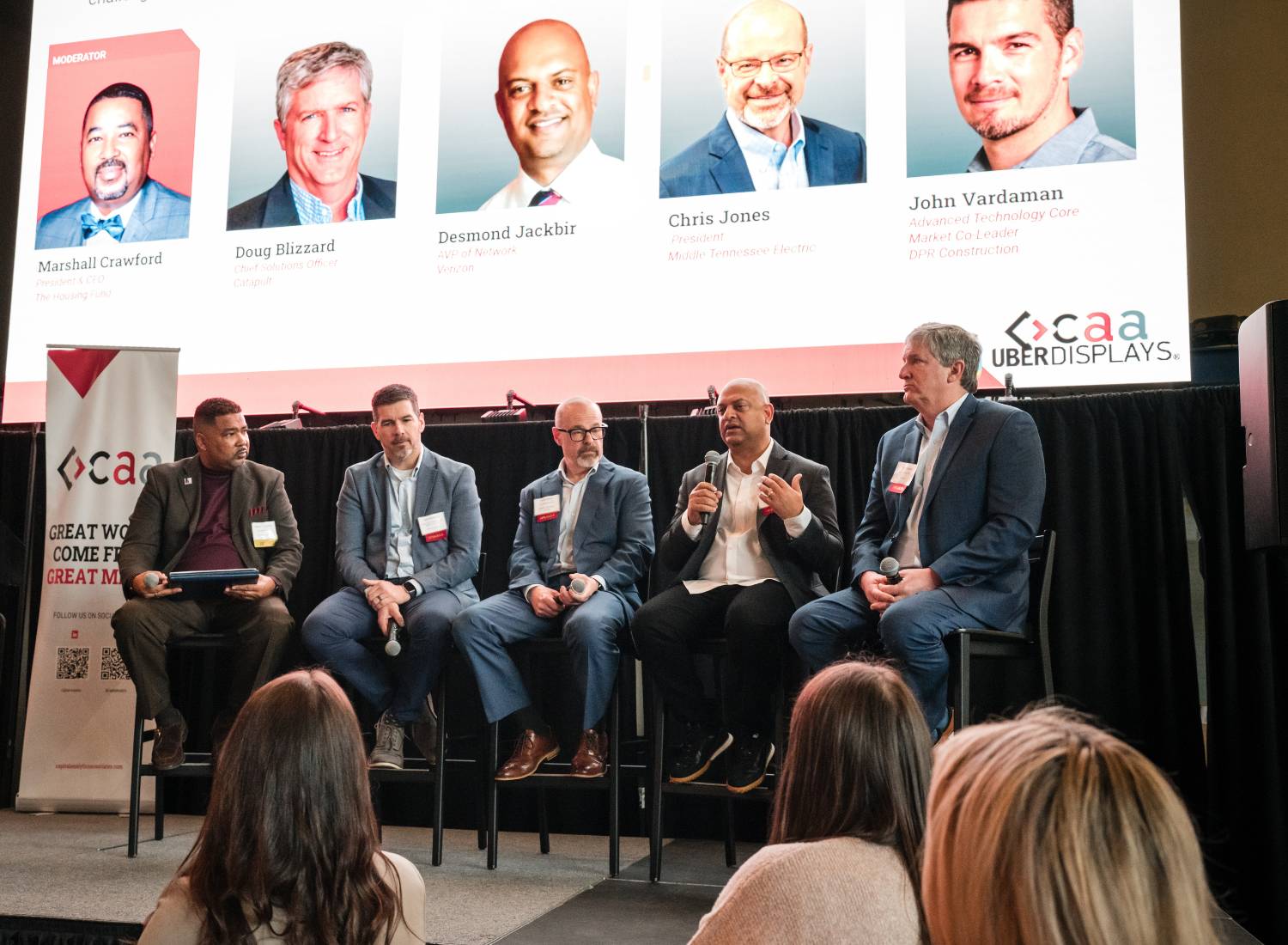
“If the infrastructure is not there, the project is on hold, full stop,” said John Vardaman, advanced technology core market co-leader at DPR Construction, speaking during the Invest: Nashville 4th Edition Leadership Summit at the Bridgestone Arena in early March. “If there is no predictability around what infrastructure is available and when it will be available, that affects everything.” 

Connectivity and power demand

As development expands, infrastructure systems that once operated in the background are becoming central to planning decisions. “Today, people expect connectivity to be available everywhere. Reliable network access has essentially become a baseline requirement,” said Desmond Jackbir, AVP of network at Verizon. Developers are increasingly incorporating connectivity infrastructure during the earliest design phases of projects, allowing properties to support technologies such as biometric access, automated retail environments, and advanced wireless networks. 

Electricity capacity is also emerging as a critical issue as data centers and artificial intelligence infrastructure increase demand for power. “We need more generation overall, not just locally but across the entire system. Electric utilities also need to focus on maintaining the infrastructure that already exists while continuing to modernize it,” said Chris Jones, president of Middle Tennessee Electric. 

After remaining relatively flat for much of the past decade, electricity demand in the United States is expected to rise sharply as data centers expand to support AI and cloud computing. Across the nation, data centers consumed roughly 183 terawatt-hours of electricity in 2024, representing more than 4% of the country’s total power consumption. By 2030, that demand is expected to grow by 133% to about 426 terawatt-hours.

Individual facilities can require enormous amounts of power. A typical hyperscale data center focused on AI can consume as much electricity as 100,000 households, a scale that will continue to push utilities and developers to coordinate infrastructure planning earlier in the development process. 

“We should want an abundance of power,” added Jones. “If we make the right investments, then the opportunities people are talking about, especially around AI and data centers, can come here with confidence.”

Workforce and technology

Infrastructure planning is also being shaped by changes in how companies organize work and deploy technology. 

“This is the moment to actively rethink how, when and where work gets done,” said Doug Blizzard, chief solutions officer at Catapult. “Every time a person leaves, it is an opportunity to rethink that position, rethink the work itself, rethink whether AI can be used and rethink different types of rewards and incentives.” 

Employers are navigating multiple structural changes at once, including demographic shifts and evolving expectations around flexibility. Earlier projections suggested gig workers could make up nearly 50% of the U.S. workforce, reflecting a shift toward project-based employment models, up from about 36% in 2023.

“For anyone involved in infrastructure planning, it is important to keep those workers in mind, because they all add demand and mobility, but not necessarily in the same way traditional workers do. They may not be tied to one place, and they are often much more mobile,” Blizzard said. 

As demand for power, connectivity and logistics capacity continues to grow, infrastructure planning is becoming a more central part of development strategy. Developers increasingly evaluate land availability, zoning, utility capacity, transportation access and digital infrastructure alongside workforce availability and shifting employment patterns when determining whether projects can move forward at scale.

For large projects, those decisions often require coordination across utilities, technology providers, workforce planners and local governments well before construction begins.

“These projects are so much more complex now, and so much more interconnected,” said John Vardaman, advanced technology core market co-leader at DPR Construction. “Success really depends on having the right team together from the start.”

Interested in reading the Invest: Nashville report? Sign up today!

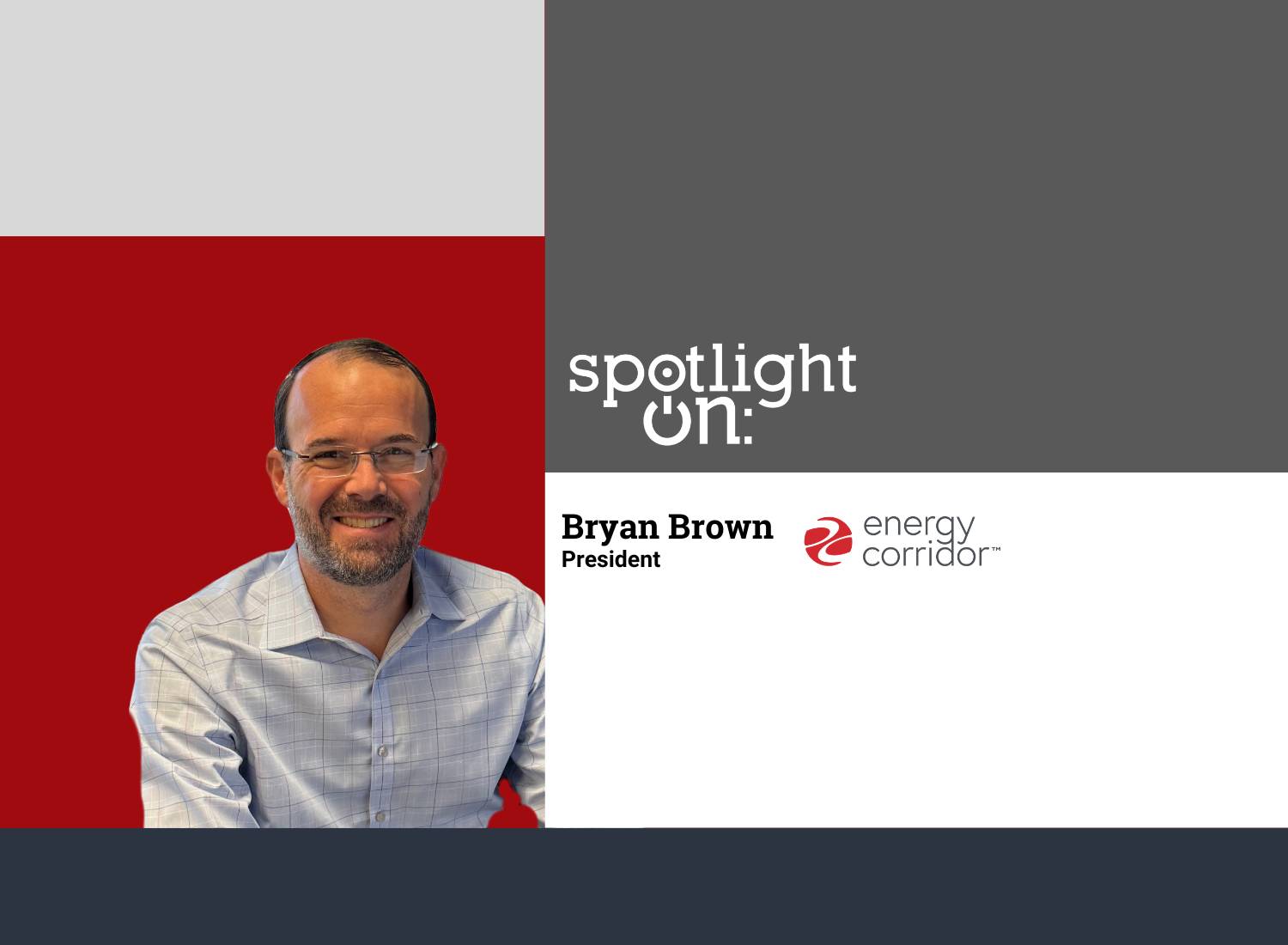
Spotlight On: Bryan Brown, President, Energy Corridor District

Key points:

  • • The Energy Corridor is benefiting from strong energy investment, driving office demand and outperforming national trends.
  • • Growth is supported by high-quality office space, strong workforce access, and increasing residential development.
  • • Public safety, infrastructure, and partnerships are key to maintaining long-term competitiveness and investor confidence.

Bryan BrownMarch 2026 —Invest: spoke with Bryan Brown, president of the Energy Corridor, about Houston’s sustained momentum, why the district continues to outperform national office trends, and how quality, workforce access, and long-term planning are shaping its next phase of growth. “The underlying investment climate in Texas is really yielding dividends,” Brown said.

What have been the most important changes you’ve seen in the Energy Corridor over the past year that directly affect business investment and growth?

If you start with the big picture, Texas and the broader Gulf Coast economy have been incredibly strong. Politics aside, some of the policy shifts at the federal level have reopened energy investment in Texas, and Houston and our ports have benefited tremendously. The level of commerce across the region is really second to none.

I’ve been in Houston for four decades, and this is probably as hot as I’ve ever seen it. That momentum has absolutely flowed into the Energy Corridor. Our core tenant base is energy-focused, and those companies have benefited from both private investment and state-level economic development efforts that continue to attract new businesses to Texas. When you combine companies relocating with companies already here expanding, it’s been a tremendous year. As a native Houstonian, it’s been exciting to watch.

Houston’s office vacancy rate has dropped while many other markets have struggled. What is driving that performance?

The underlying investment climate in Texas is really yielding dividends. We’ve been fortunate in the Houston region to avoid the severe vacancy challenges seen elsewhere, but even within Houston, there are differences by submarket.

What’s remarkable is that our overall office valuations actually increased last year, while many markets were struggling just to stay flat. That’s a strong indicator of demand. A big driver has been the flight-to-quality trend. The Energy Corridor has a high concentration of Class A office space, which is exactly what tenants are seeking right now.

There’s also significant federal and state funding flowing into the region to attract companies. Our role as a district is to support that momentum by staying closely connected to property owners and reinforcing the value we provide, from safety to cleanliness to placemaking. Houston is a massive city, but within our 2.4 square miles, we want companies to feel they’re in a distinctly well-managed environment.

How is the Energy Corridor planning for future housing needs to support continued business growth?

One of the most interesting developments recently was the conversion of a former office tower near BP’s campus into 101 Class A apartments. That project was delivered last September, and it’s performing well.

We also have another multifamily development that broke ground in December and is expected to deliver in early 2027. Multifamily has been strong, and while it’s hard to predict how long that cycle lasts, we do expect future growth to be primarily multifamily rather than single-family.

Looking ahead, there may be room for condominiums, which would be a new product for the district. I wouldn’t be surprised to see something like that emerge over the next three to five years as the district continues to balance office, residential, and supporting retail uses.

Workforce access has long been a strength of the Energy Corridor. How does that advantage continue to shape investment decisions?

Our people are absolutely our greatest strength. We recently updated our land use and demographics study, and the data reinforced just how powerful our workforce access is. More than half of the professional scientists, mathematicians, engineers, and computer scientists in Houston live within a 25-minute drive of the Energy Corridor, and 71% of our residents within that same area have a postsecondary credential — from technical associates to PhDs. 

That proximity is a major advantage for employers and employees alike. In a city known for long commutes, having reasonable access to work is a meaningful quality-of-life benefit. Happy employees are productive employees, and that ultimately supports business performance. The depth and accessibility of our talent pool continue to be a major draw.

How are companies leveraging the area’s STEM talent pool to support expansion and innovation?

Energy companies tend to be guarded about what they’re developing, but we know they’re continuing to invest heavily in talent. With work visa processes becoming more challenging, many companies are relying more on local talent, which Houston is fortunate to have in abundance.

That dynamic also encourages highly skilled professionals to relocate to areas like the Energy Corridor, especially when companies are willing to compete for talent. The concentration of STEM expertise remains one of the district’s strongest assets.

Public safety and cleanliness are often deciding factors for site selectors. How do those services factor into your value proposition?

They’re foundational. Landscaping and cleanliness are two of the most visible ways we signal that the Energy Corridor is a special place. We invest in irrigated medians, high-quality landscaping, and daily maintenance crews that keep the district looking cared for and professional.

Public safety is equally critical. We contract with a local constable precinct to provide dedicated patrol coverage, with at least one officer in the district 24/7. That presence helps deter property crime and gives tenants confidence.

We’ve invested in Flock license plate reader cameras to help law enforcement identify stolen vehicles or other flagged activity in real time. We also offer grant assistance to help commercial property owners invest in their safety equipment, such as better lighting and surveillance. All of this reinforces the idea that the district is actively managed and that safety is taken seriously.

How do partnerships help the district address challenges that no single organization could solve alone?

Partnerships are essential. While we have a strong budget funded by property owner assessments, it’s not enough to address everything on our own. We work closely with Harris County Precinct 4, the city of Houston, and a range of nonprofit and community partners.

One example is our parks. Although we’re within the city, our parks are owned and operated by the county, so collaboration is critical for programming and security. Another major win was securing a federal grant through Congressman Wesley Hunt’s office to improve underpass lighting beneath the Katy Freeway, addressing safety concerns in darker areas.

We also work closely with nonprofits and faith-based organizations to address community needs, including occasional unhoused individuals passing through the district. These partnerships allow us to extend our impact well beyond what we could do alone.

What differentiates the Energy Corridor from other Houston submarkets when companies are evaluating long-term investment decisions?

One key distinction is that we’re a suburban office district, which appeals to companies that have already decided downtown isn’t the right fit for them. Houston is fortunate to have several suburban nodes, but the Energy Corridor stands out because of its concentration of high-quality office and residential space.

The flight-to-quality trend has been sustained, not temporary, and we have the product that tenants are looking for. Geographically, the west side of Houston has consistently performed better for office than the east side, which is more industrial. Being close to talent, having modern assets, and offering a well-maintained environment give us a strong competitive position.

Looking ahead three to five years, what types of investment would you most like to see increase in the district?

I expect continued office growth, supported by broader energy and economic trends that favor Texas and Houston. At the same time, the district is well-positioned to become more balanced, with additional multifamily development and potentially condos, along with supporting retail and dining.

Houston doesn’t have traditional zoning, so development is largely market-driven. That means our role is to stay nimble and be ready to support property owners as opportunities emerge. Overall, I’m optimistic. We’re positioned for growth, and we’re prepared to adapt as the market evolves.

What recent milestone best reflects the district’s long-term stability and stakeholder confidence?  

One of the most important milestones for us recently was passing our 10-year service plan. That agreement, which requires approval from property owners representing more than 50 percent of the district’s commercial value, provides long-term stability and confidence that we can continue delivering on our mission. Getting that completed was a major achievement for the organization and sets us up well for the decade ahead. 

The District punches far above its weight. We provide incredible services in public safety, public realm, economic development, transportation, and so much more, and we do it at literally pennies on the dollar. We leverage a small assessment to do big things. After Hurricane Beryl, for example, while many other parts of the city struggled to reopen, we had our streets cleared and our businesses opened within 24 hours thanks to the District’s efforts. No single business, no matter how large, could have accomplished that alone. Decision-makers realize the value that being in the District brings.

We are particularly proud of the fact that our plan passed with the approval of nearly 60% of our property holders, representing over $2 billion in commercial real estate. That more than almost anything else speaks to the quality and value the District provides and is a huge testament to the confidence our stakeholders have in our team and the value we provide.

Want more? Read the Invest: Houston report.

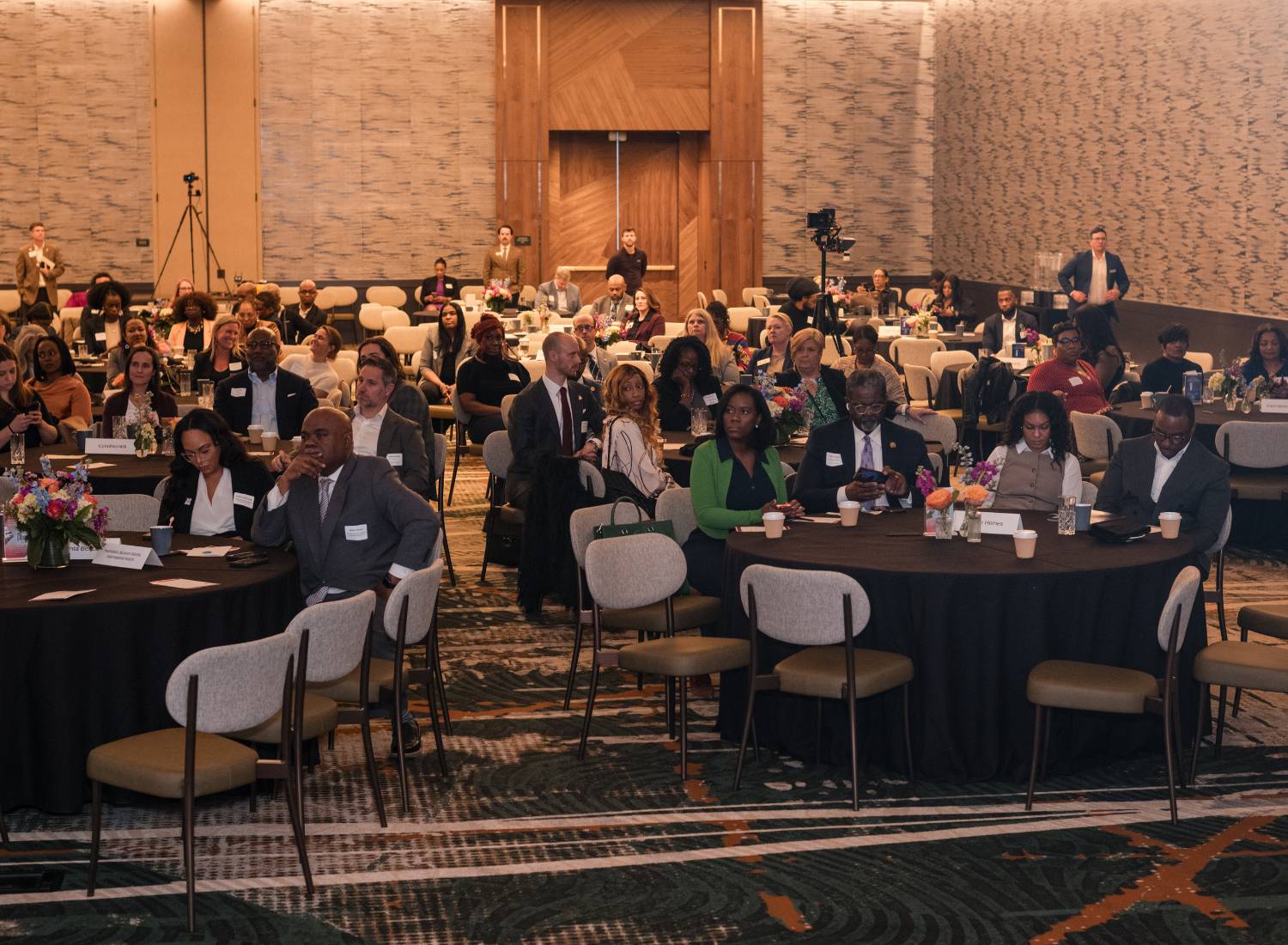
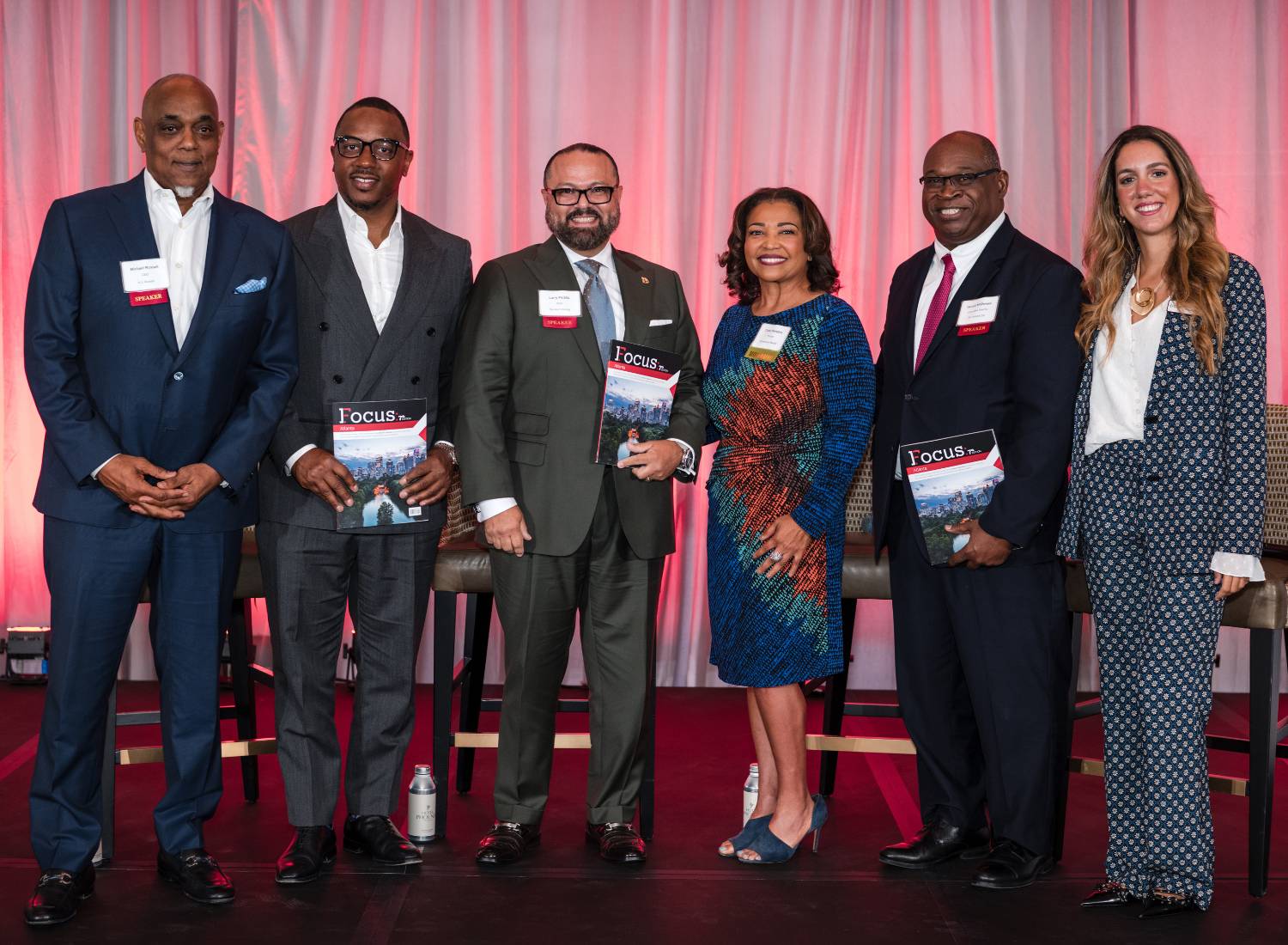
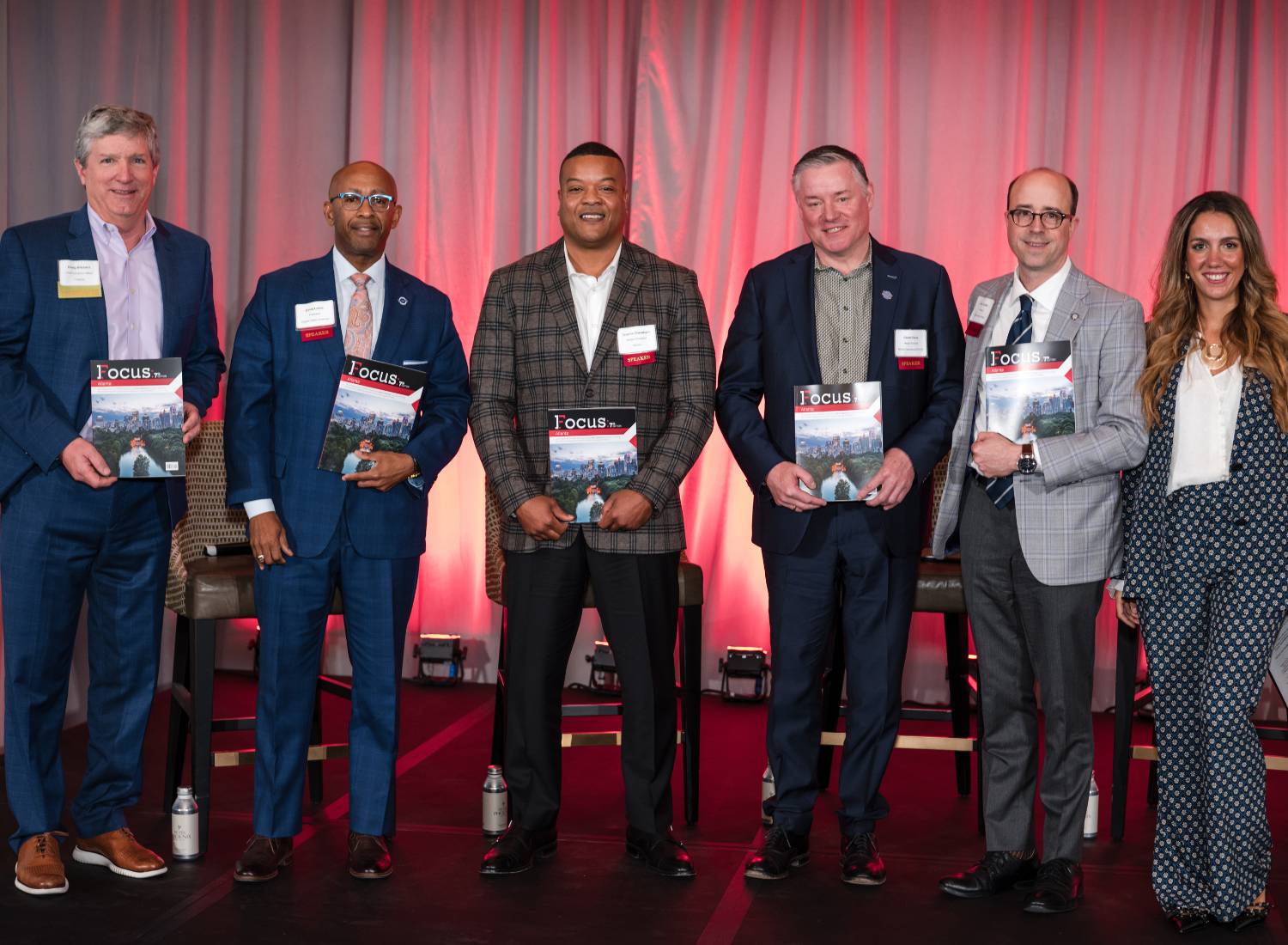
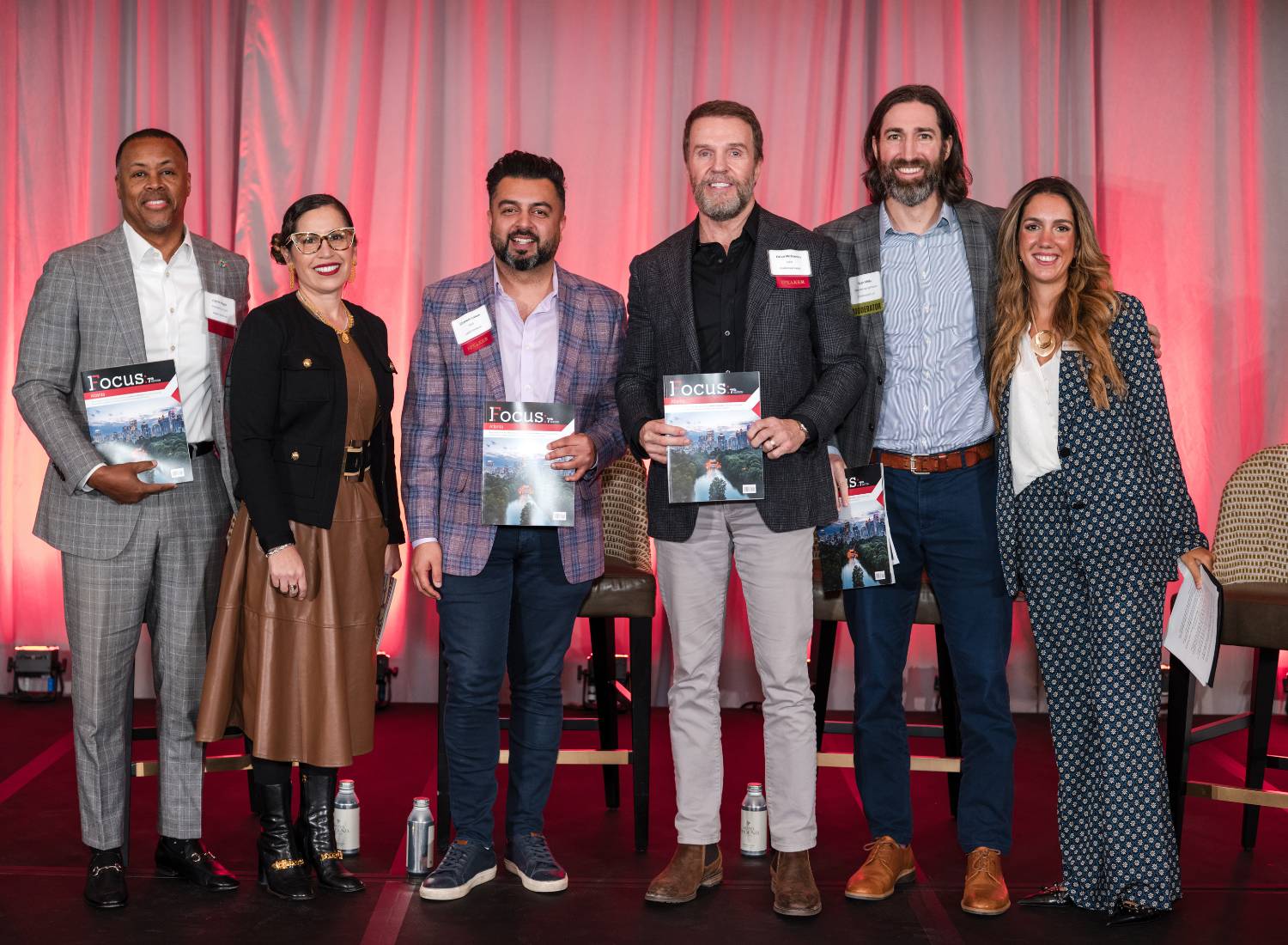
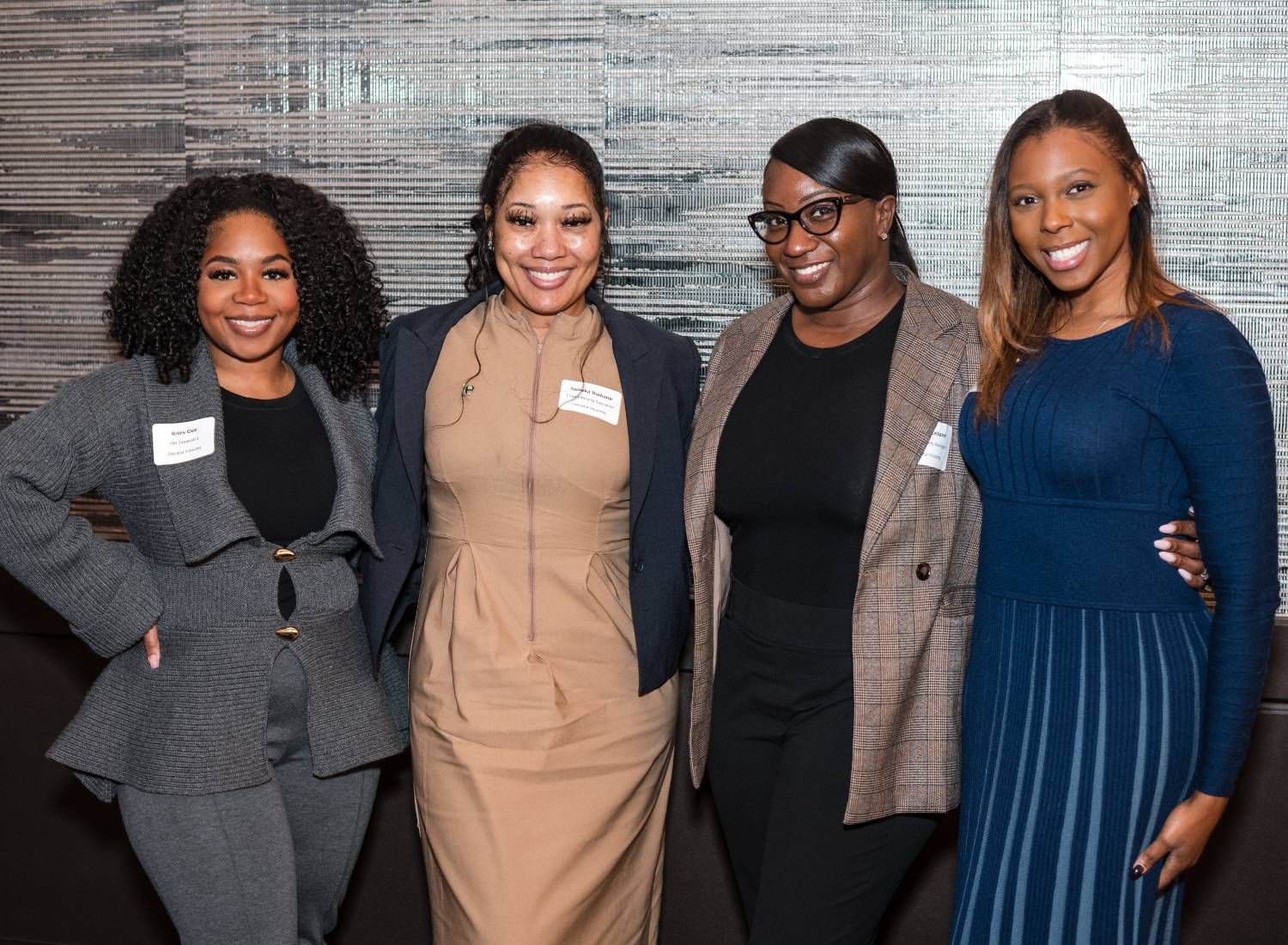
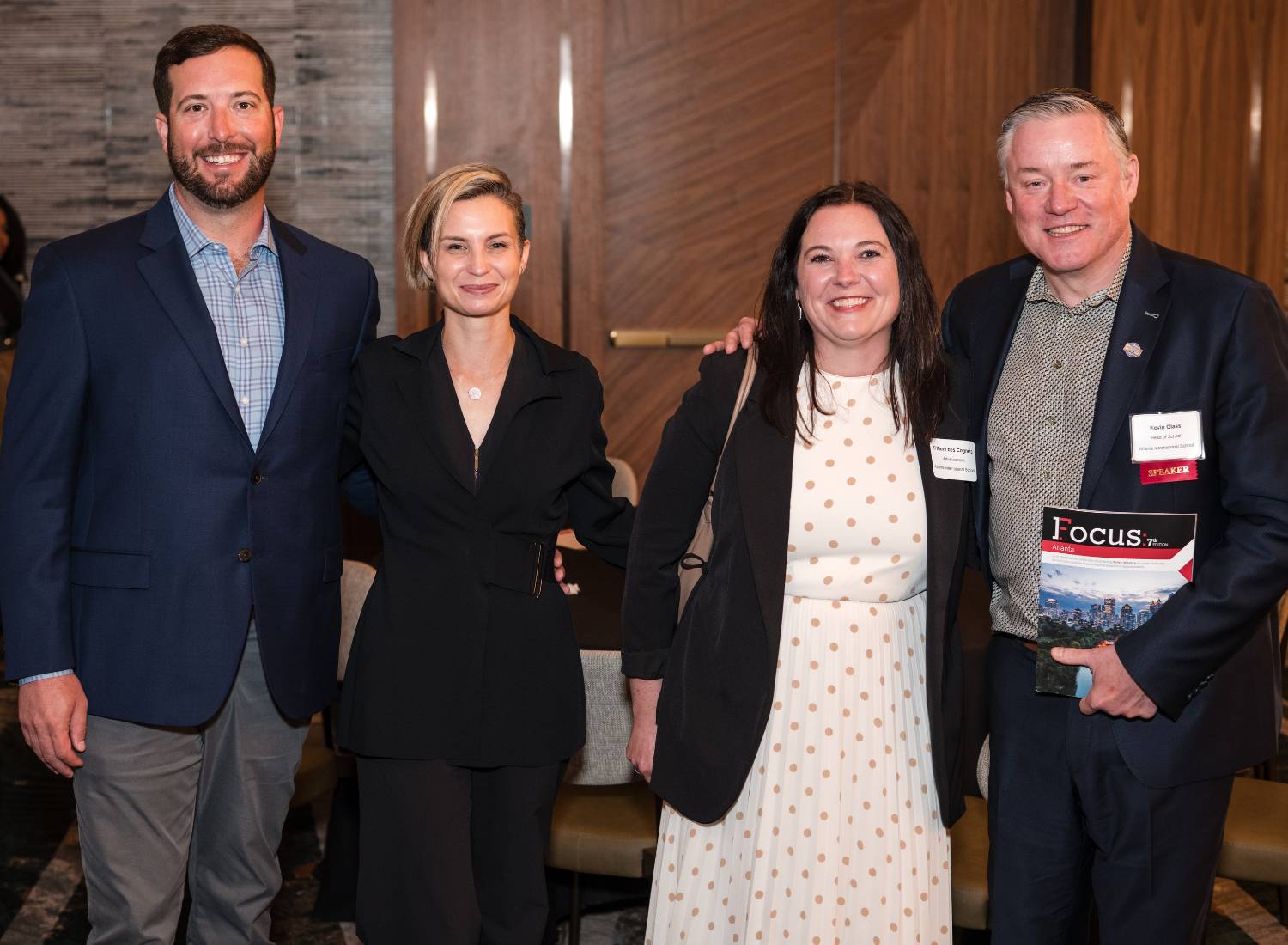
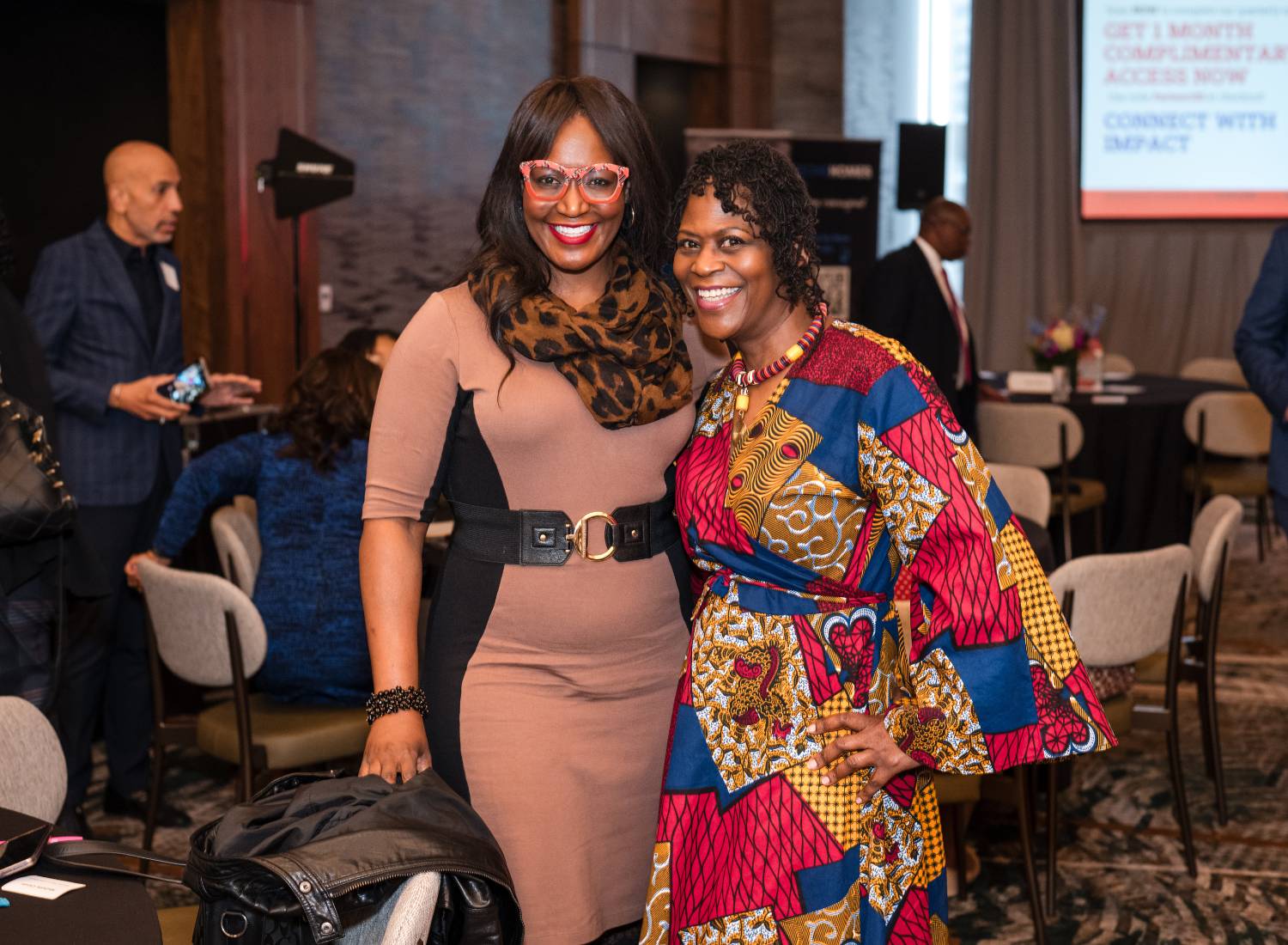
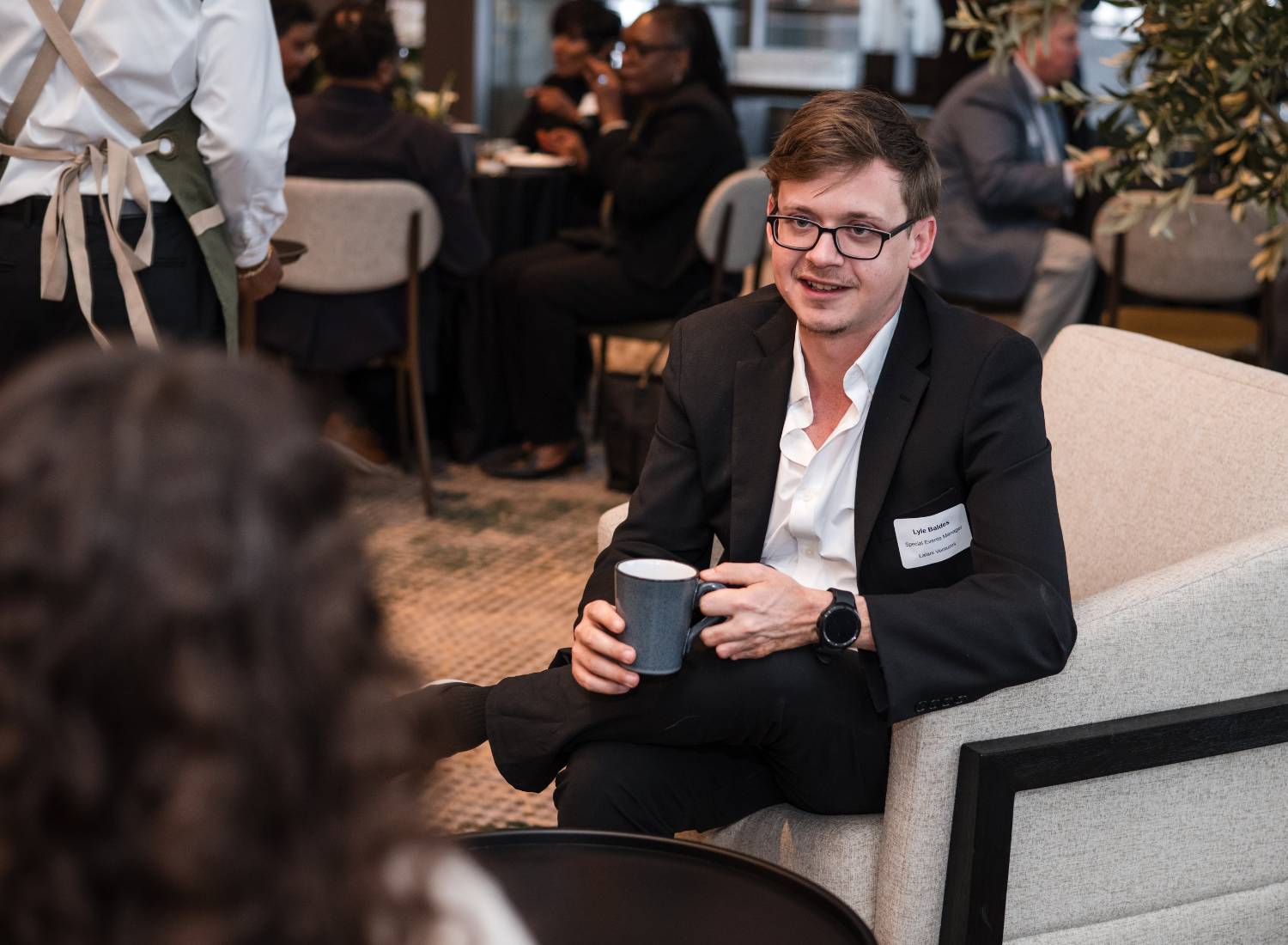
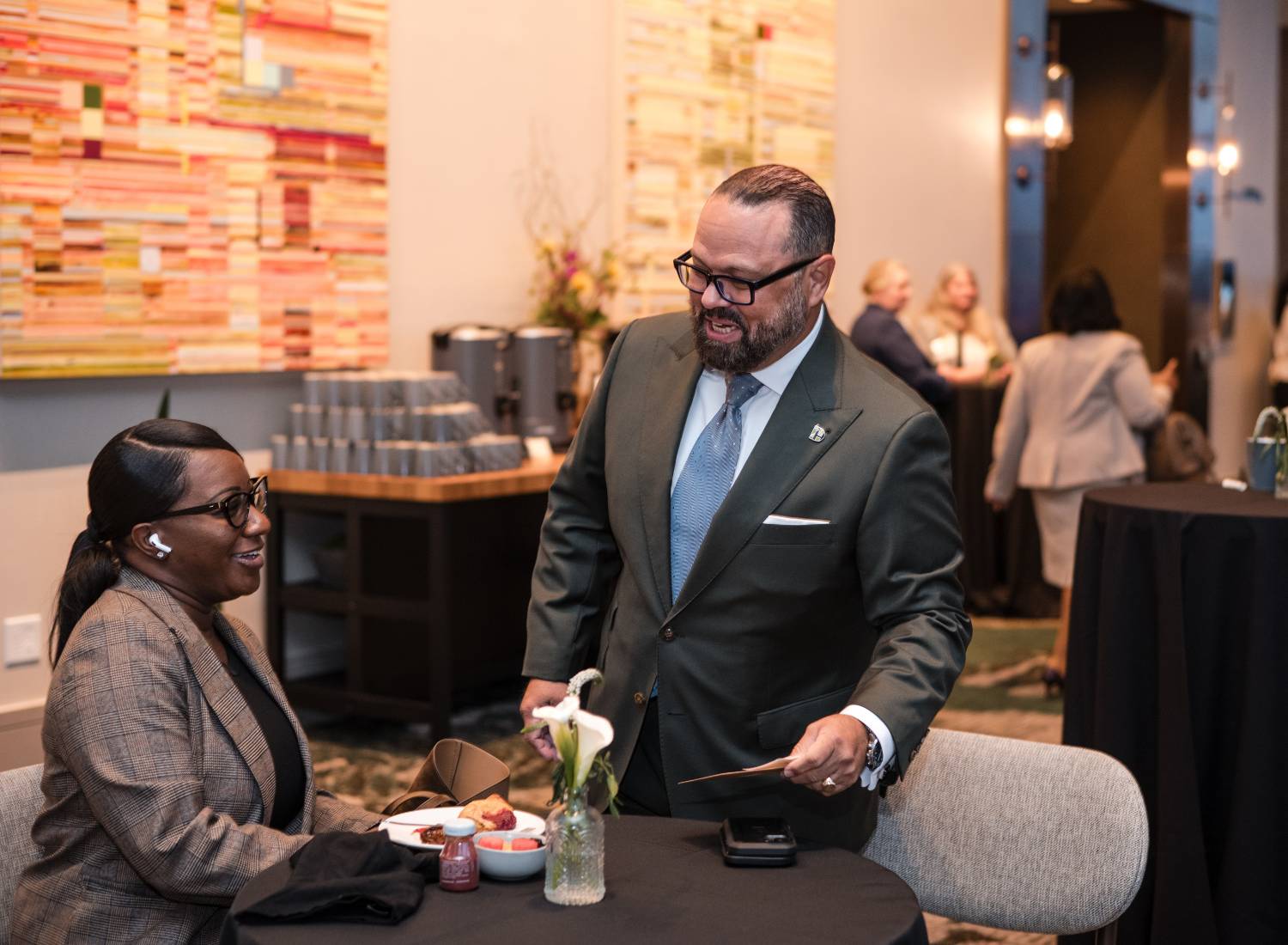
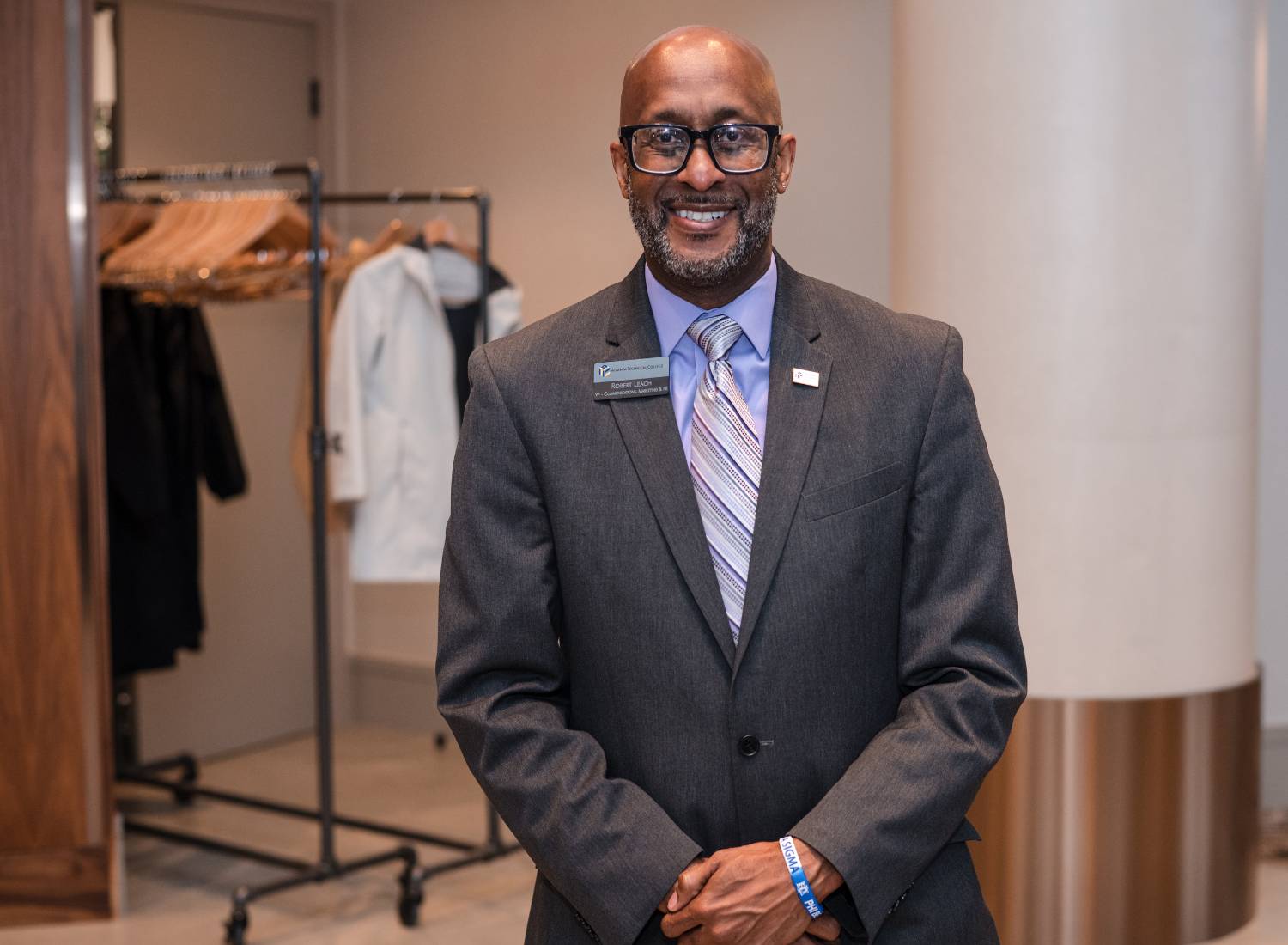
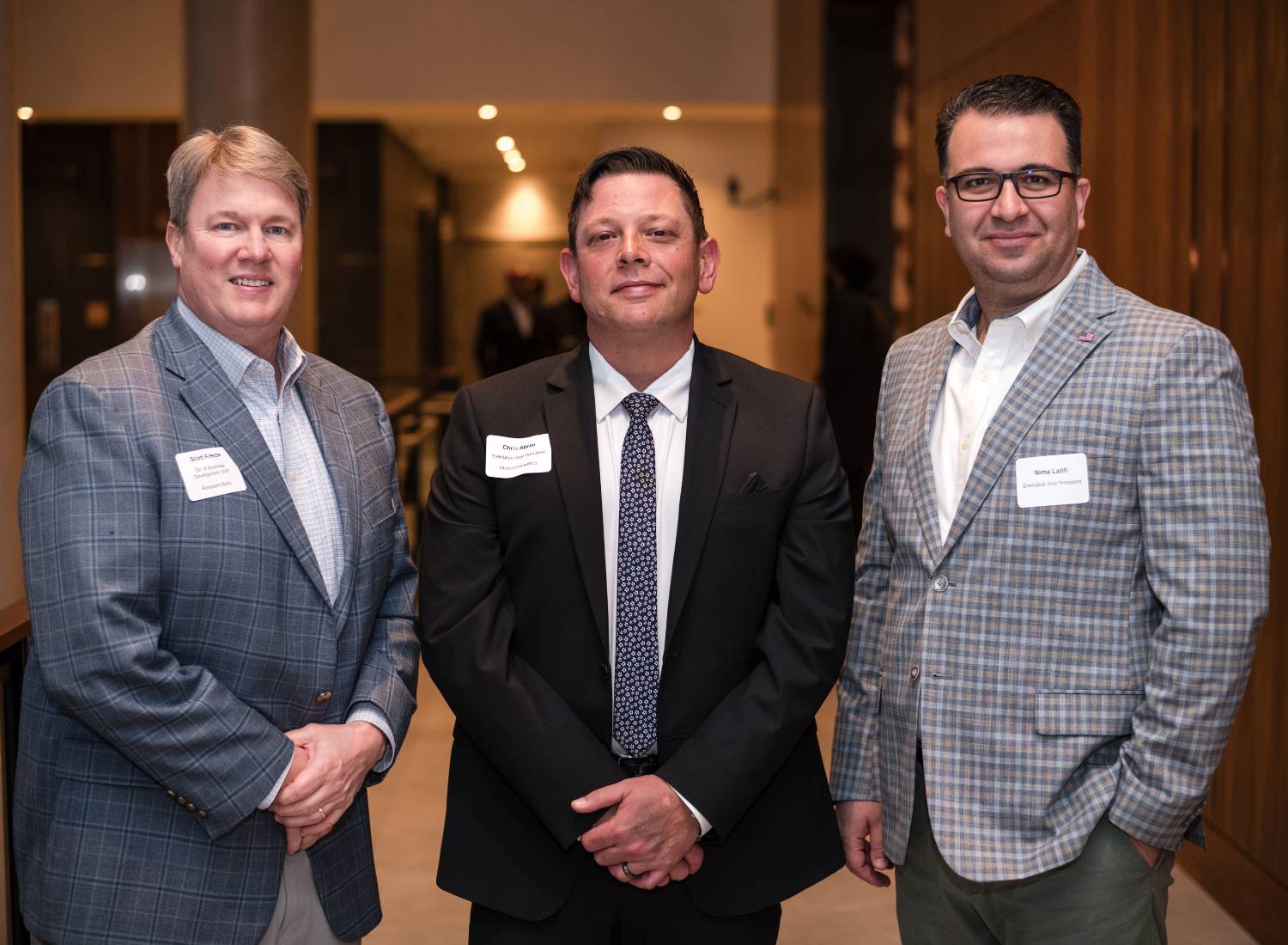
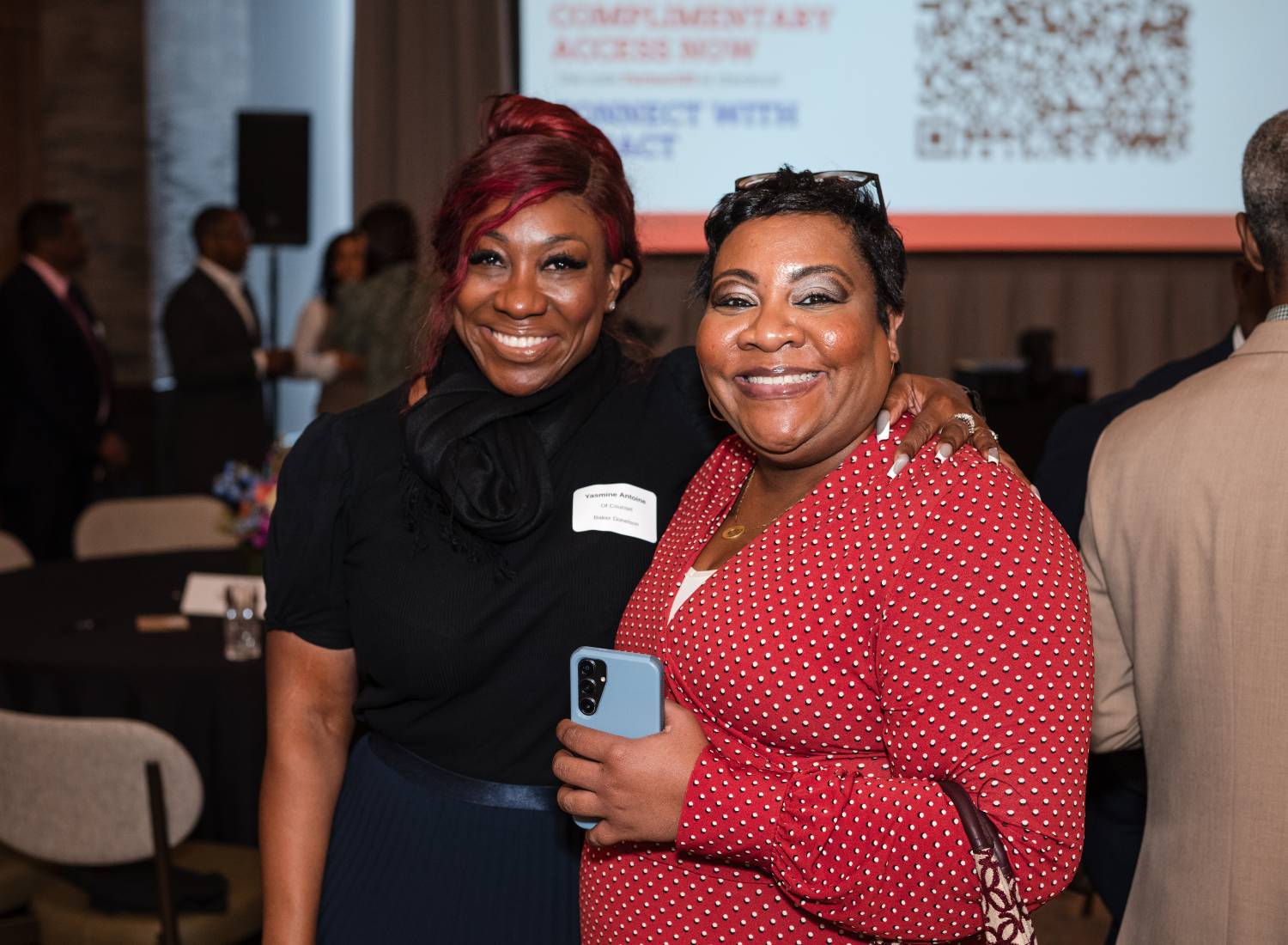
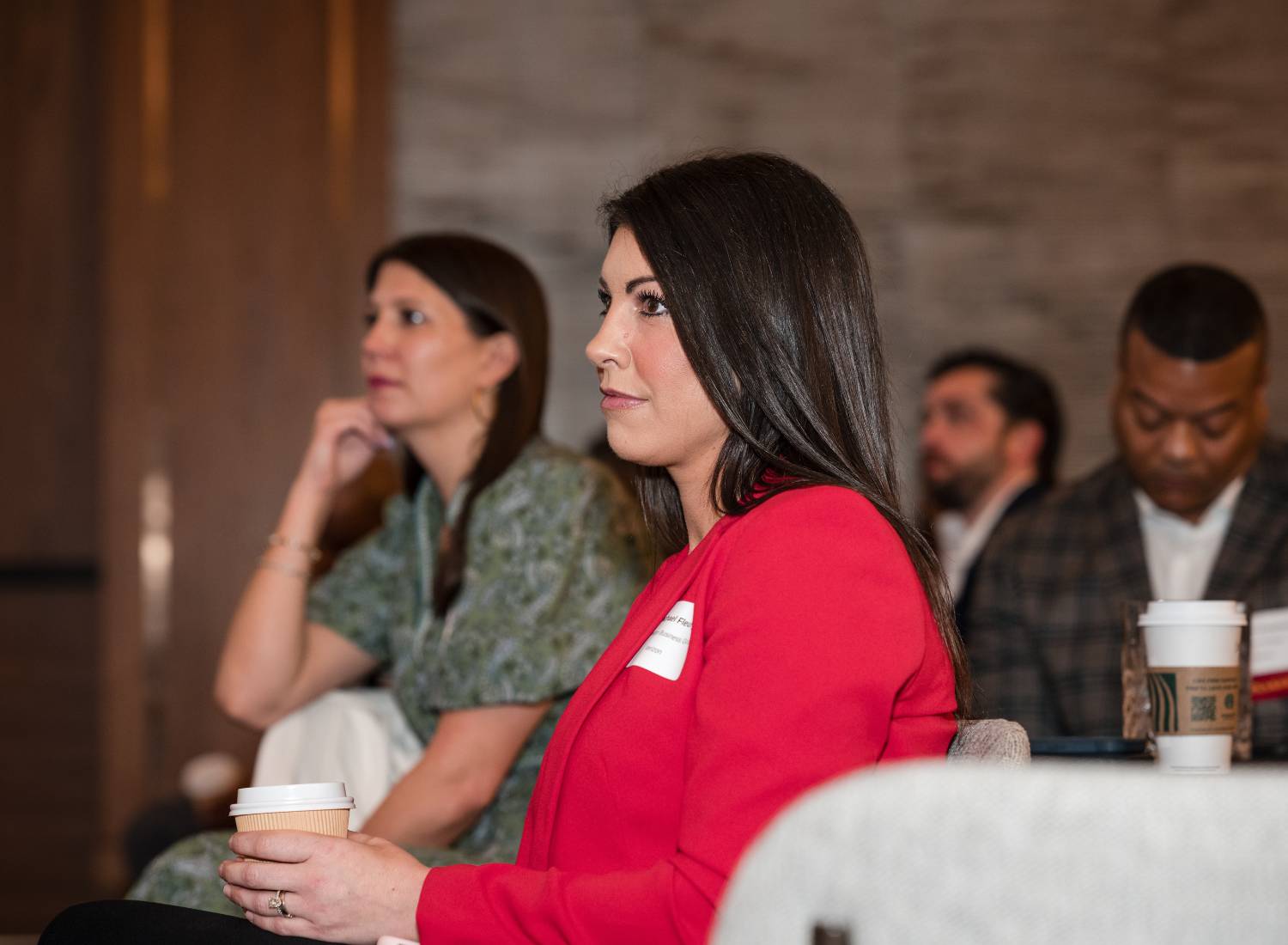
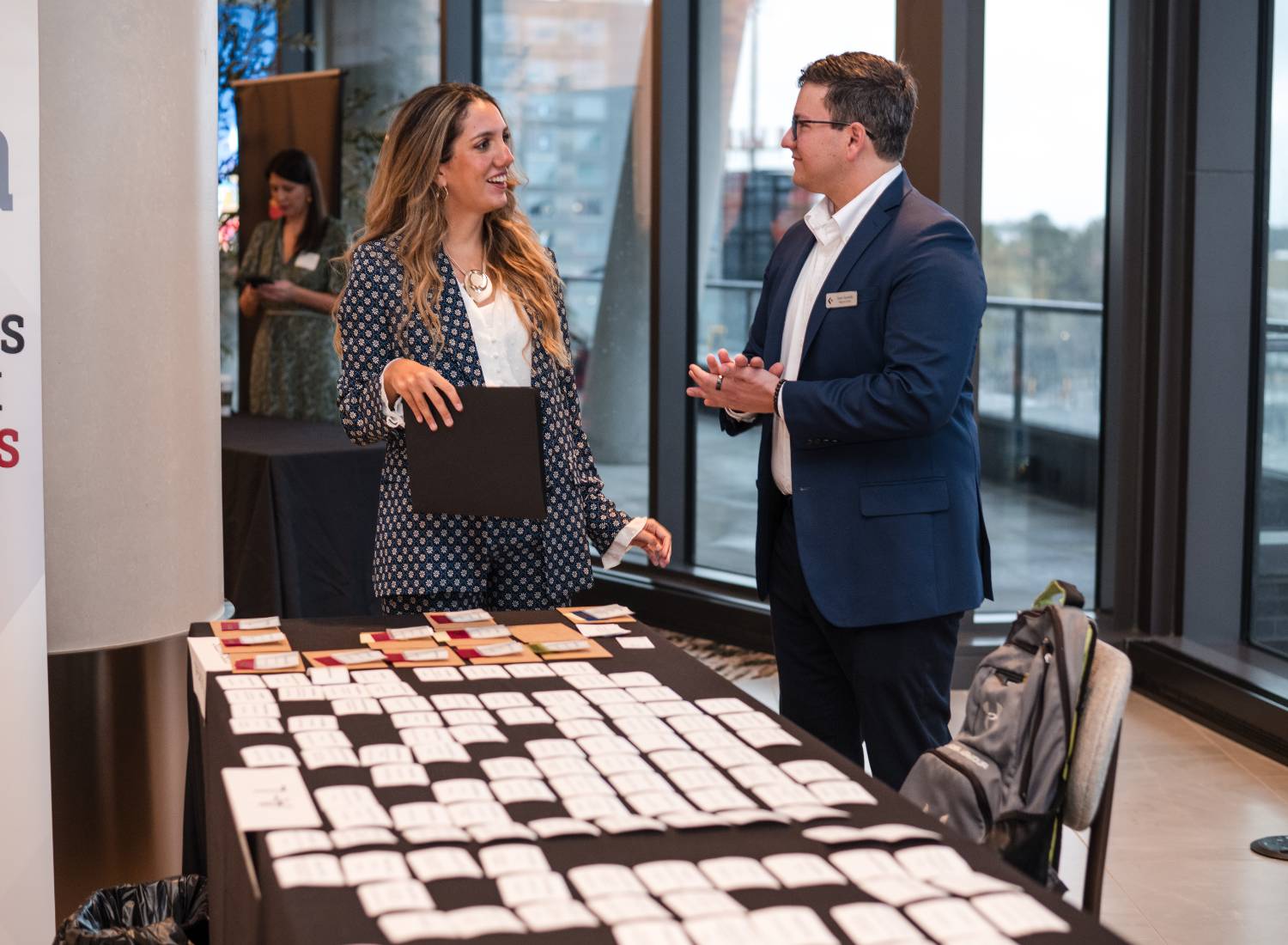
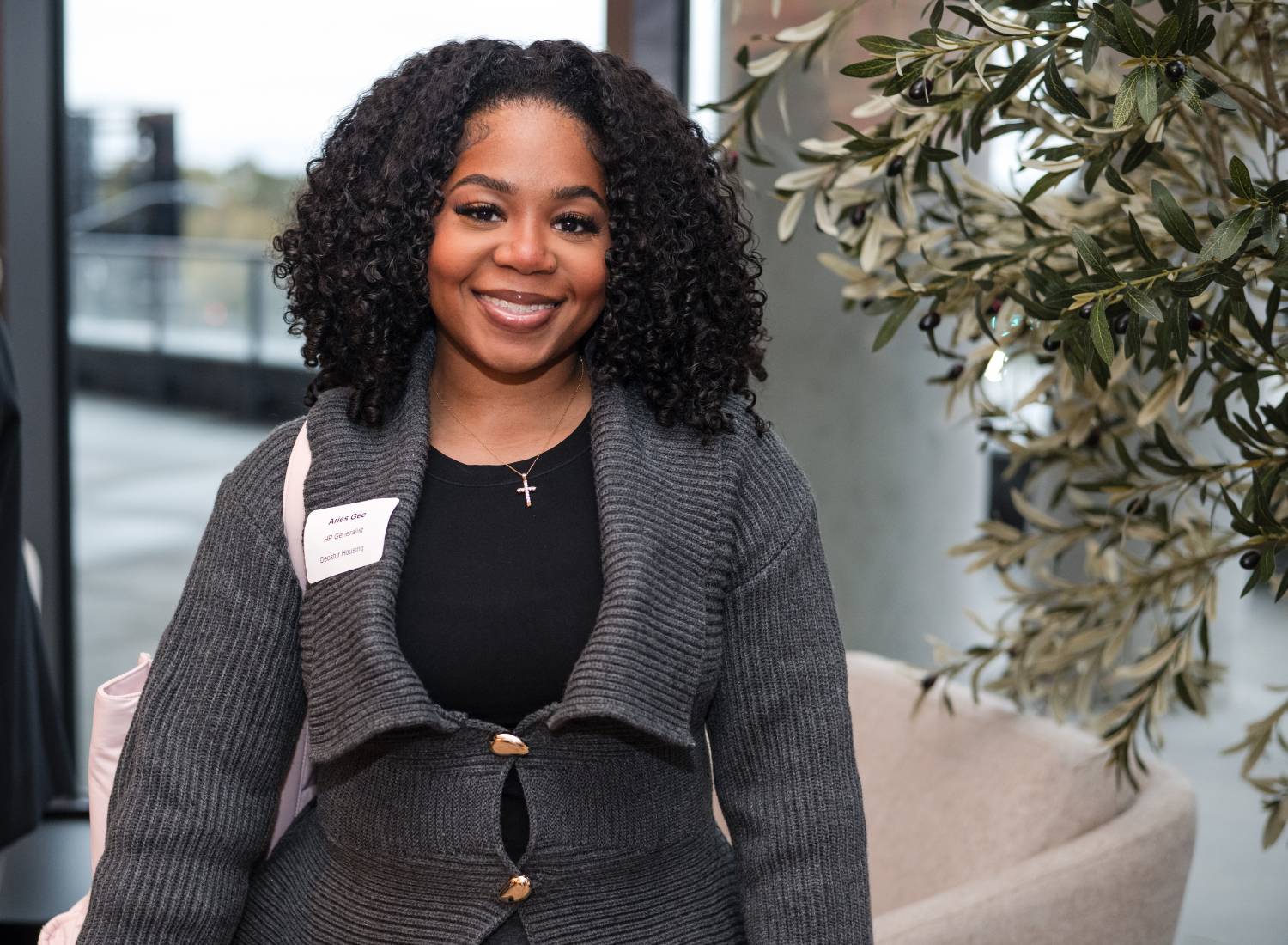
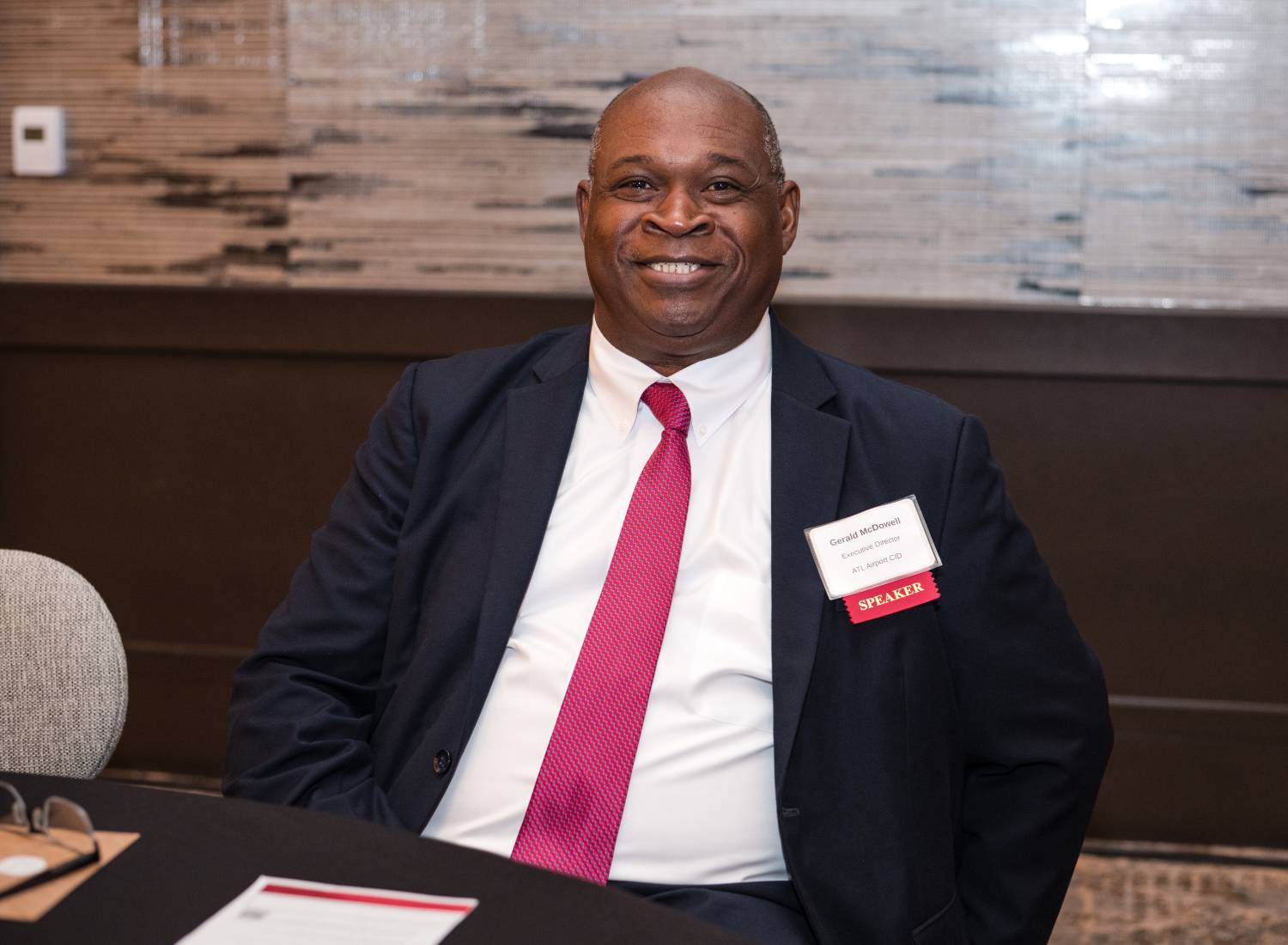
Focus: Atlanta 7th Edition Leadership Summit – Photo Gallery

Take a look at all the photos and videos from Focus: Atlanta 7th Edition Leadership Summit!

Stay tuned for the summit videos here.

Atlanta Atlanta Atlanta Atlanta Atlanta Atlanta Atlanta Atlanta Atlanta Atlanta Atlanta Atlanta Atlanta Atlanta Atlanta Atlanta Atlanta Atlanta Atlanta Atlanta

How South Florida reflects a broader shift in corporate growth strategy

Key points:

  • • Corporate expansion is becoming more selective, with greater focus on costs, risk, and workforce availability.
  • • South Florida remains competitive, with Broward attracting cost-conscious firms despite moderated demand.
  • • Talent pipelines, infrastructure, and sector specialization are shaping where future growth concentrates.

South FloridaMarch 2026 — South Florida continues to attract corporate attention, but it is also emerging as a bellwether for how growth strategies are changing nationally. As relocation activity cools, companies are becoming more selective, placing greater emphasis on regulatory environments, operating costs, access to skilled labor and overall risk when evaluating where to expand.

“Risk tolerance is definitely lower today,” David Duckworth, principal of the capital markets group at Avison Young, said to Invest: Greater Fort Lauderdale. “Investors are more focused on weighted average lease terms because longer WALTs reduce the need to re-lease space in a period of uncertainty. They’re also underwriting much lower rent growth than in the past.”

The Florida Council of 100 launched its Ambition Accelerated campaign earlier this year, introducing it during a Wall Street Journal Invest Live event in West Palm Beach. The initiative presents Florida’s Gold Coast as a unified business corridor directed at executives and investors evaluating where to expand next.

A more selective expansion cycle

After several years defined by migration and remote work, site selection decisions are becoming more cost sensitive. Industry data point to a more measured phase of corporate location decisions, with Site Selection Group reporting fewer headquarters relocations than during the early-2020s surge, while CBRE finds that large occupiers are prioritizing expansions and renewals within markets where they already operate.
Florida ranks among the top five states for overall tax competitiveness and remains one of the largest states without personal income tax, according to the 2026 State Tax Competitiveness Index. Corporate tax rates are also below the national median, a factor that continues to weigh heavily in long-term operating models. 

At the local level, governments across South Florida have pointed to streamlined permitting and licensing processes for commercial and industrial projects as part of their business development strategy, with the City of Fort Lauderdale’s economic development office citing coordinated review and expedited approvals as tools to reduce development timelines.

Broward County has benefited from this recalibration in an uneven way. As firms reassess space needs and staffing models, the county has continued to capture leasing activity tied to cost-conscious occupiers, even as overall demand has moderated. Broward’s newer Class A properties have maintained stronger occupancy and achieved higher asking rents, despite office vacancy rising to 12.3% in late 2025 due to move-outs from older buildings. Office leasing reached roughly 1.2 million square feet last year, down year over year but broadly in line with pre-pandemic norms, reflecting activity concentrated in selective submarkets rather than broad-based expansion.

Land constraints continue to shape the county’s development profile. “Broward County is extremely built-out… This is a mature infill market with no large-scale expansion opportunities, even as the population continues to grow,” Duckworth said.

A broader look at South Florida’s commercial real estate market shows strong interest across Miami, Fort Lauderdale and West Palm Beach, even amid shifting economic conditions. According to reporting from the Miami Association of Realtors, commercial sales volume in the region’s four major asset categories climbed steadily through the first three quarters of 2025, with nearly $10 billion in transactions, the strongest pace since 2022, driven by investor activity in office, industrial, retail, and multifamily sectors. The association noted that office transactions alone approached $2 billion over that span, representing a 42% increase in sales volume year over year, the largest gain among the region’s major commercial property types.

Infrastructure continues to factor into those decisions. Port Everglades ranks among the nation’s top container ports, and Fort Lauderdale-Hollywood International Airport has expanded nonstop service to major domestic business hubs. Those assets support firms managing regional operations, logistics, and client travel, even when headquarters functions are based elsewhere.

Labor supply is shaping decisions as much as incentives

Workforce availability has become a central constraint in growth planning. Labor supply dynamics are increasingly influencing corporate decisions, as firms contend with tighter labor markets alongside cost considerations. Research from the OECD points to rising skill mismatches and persistent shortages across advanced economies, while Federal Reserve data show that both job growth and labor force growth slowed through mid-2025, helping explain why unemployment changed little over that period. Hiring slowed across most industries, with most net job gains concentrated in education and health services. On the supply side, labor force growth weakened as immigration flows declined and labor force participation edged lower, particularly among younger and older workers.

Employer surveys reflect similar conditions at the firm level. A recent analysis from human resource consulting firm SHRM finds that nearly one-third of U.S. job openings remain difficult to fill, even as overall hiring activity has moderated.

Against that national backdrop, South Florida’s labor profile reflects a different set of dynamics. Florida ranked second in the nation for net domestic migration, trailing only Texas. In Broward County, 55% of new movers are under the age of 44, pointing to continued inflows of early-career professionals and young households. Downtown Fort Lauderdale has also seen population growth among young families with children, contributing to a broader working-age base.

Local education and training systems are responding directly to employer demand. “Workforce innovation also remains central,” said Howard Hepburn, superintendent of Broward County Public Schools, noting that the district is expanding technical and career-focused programming to meet those needs. “Industries are telling us they’re losing highly skilled workers to retirement and need replacements.”

Education trends reinforce that supply. Emerging data suggest that college enrollment in Florida continued to rise in fall 2025, with preliminary figures indicating roughly a 3% increase from the prior year. That pipeline supports sectors such as healthcare, finance, engineering, and logistics.

What’s next 

Across the Miami–Fort Lauderdale–West Palm Beach corridor, competition is becoming more internal than national. Commercial real estate sales across Southeast Florida reached roughly $16 billion in 2025. Activity was distributed across Miami-Dade, Broward, and Palm Beach counties, reflecting continued investor participation across asset types.

Miami continues to attract global capital. Venture capital investment in the Miami metro area totaled more than $5 billion in recent years, and cross-border investment remains a defining feature of the market’s office and multifamily sectors.

Palm Beach County remains closely tied to financial services and private wealth management. Finance and insurance among the county’s largest employment sectors. Over the past several years, hedge funds, private equity firms, and family offices have expanded their presence in the area. 

Greater Fort Lauderdale’s position within that corridor is shaped by a broader industrial base. The county’s employment is spread across logistics, aviation, marine industries, healthcare, and professional services. That mix has supported steady absorption across sectors rather than reliance on a single driver.

The “Ambition Accelerated” campaign presents the corridor as a collective growth engine. In practice, Miami, Palm Beach, and Greater Fort Lauderdale operate with different strengths and industry concentrations. Companies looking at South Florida are weighing those differences as much as statewide incentives. In a slower expansion cycle, clarity around sector depth and operating costs can matter more than scale alone. Where activity concentrates next may ultimately depend on how each county’s economy fits a firm’s specific needs.

Want more? Read the Invest: Greater Fort Lauderdale report.

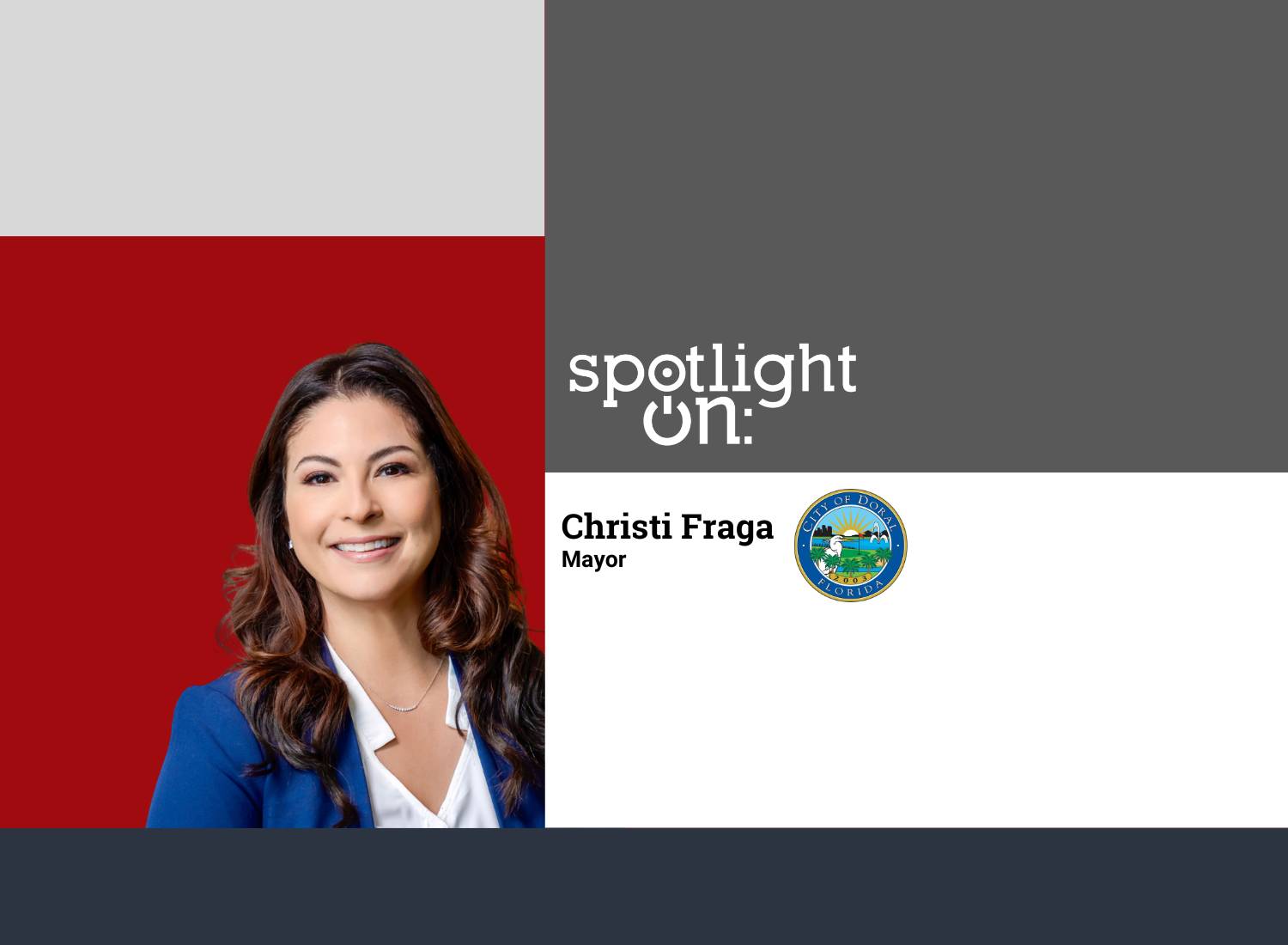
Spotlight On: Christi Fraga, Mayor, City of Doral

Key points:

  • • Doral is focusing on defining its identity while balancing growth, quality of life, and business-friendly policies.
  • • Public safety remains central, supported by proactive policing, visible presence, and community engagement.
  • • Long-term strategy prioritizes affordability and diversified revenue to reduce reliance on property taxes.

Christi-Fraga-1024x751 1March 2026 — Invest: sat down with Christi Fraga, mayor of the city of Doral, to discuss the city’s evolving identity, public safety strategy, and long-term fiscal planning. “At this stage, our focus is on defining Doral’s identity and what we want to be known for,” Fraga said.

How would you describe your core vision for Doral, and which strategic priorities have guided your administration’s work over the past few years?

Doral has grown into an established community. There was a time when you could say Doral and people would ask where it was, but today the city is recognized across Miami-Dade County for both business activity and quality of life.

Location has been an advantage for us. We are centrally positioned in the county, and we have a strong tax makeup with a healthy balance of commercial and industrial development alongside residential neighborhoods. That mix helps us sustain services while staying focused on affordability and efficiency.

Our work has also been guided by a straightforward idea: residents should be able to live, work, learn, and play in their own city. We have invested in parks and programming, and Doral Central Park has become a regional destination for sports and community events. We are also seeing growth in dining and entertainment, which matters because for years, residents felt they needed to leave Doral to find that social component. Today, places like Doral Yard and a growing mix of restaurants are helping strengthen community life and keep activity here at home. Increasingly, residents do not have to leave Doral.

At this stage, our focus is on defining Doral’s identity and what we want to be known for. Part of that is protecting the basics, including strong schools, safe neighborhoods, and responsive city services. Part of it is making sure that when a business wants to open or expand, the city is a partner and bureaucracy is not a barrier.

This year, Doral also has a chance to showcase itself on a larger stage, with the G20 Summit coming to the city. I see that as an opportunity to highlight the broader economic strength of Miami-Dade, including the commercial and industrial sector that serves as an engine for the county.

Across all of it, our principles stay consistent: transparency, accountability, fiscal responsibility, and a people-first approach. If decisions check those boxes and clearly serve the public benefit, we move forward.

Public safety is a top focus, with specialized initiatives and a visible presence throughout the city. How do these efforts improve safety and residents’ sense of security?

Public safety is our No. 1 priority. Residents should feel secure in their daily lives, and businesses should feel confident that their investment is protected, especially in high-traffic commercial areas.

A big part of our success comes down to proactive leadership in the police department. Our chief is visible and hands-on. He is out in the community and sees concerns firsthand, which makes it easier to respond quickly and effectively.

We have built targeted initiatives around the issues residents consistently raise. One example is traffic enforcement. We created an aggressive driving unit focused on reducing dangerous behavior and preventable accidents, including distracted driving. We have also enforced quality-of-life issues that affect how people experience the city, such as illegal parking in handicapped spaces and fire lanes.

We also emphasize community policing and communication. Officers engage with residents and businesses, and the department puts out information consistently so people understand expectations and safety priorities. That communication matters because education and enforcement work best together.

Visible presence is another component. We maintain police coverage in parks and commercial corridors, and during peak hours, we station officers at major entrances and exits of the city, including key highways and corridors. We also keep officers in parks not only for enforcement, but to connect people to resources when they are vulnerable or in need of support, so issues are addressed early and responsibly. The message is simple: Doral takes safety seriously, and people can expect consistent enforcement.

The outcome has been lower levels of property crimes that concern residents, including vehicle-related theft trends that have affected South Florida more broadly. Our approach is that if someone comes to Doral to commit a crime, they should expect to be caught.

Doral’s communications strategy has drawn attention for being highly engaging and unconventional. Why has that approach been effective?

People are consuming information differently than they did even a few years ago. If the goal is to inform residents, you need to deliver important messages in a way that actually reaches them.

We have found that purely traditional government messaging does not always get the engagement it should, even when the information benefits residents. So we have worked to tell the city’s story in a more modern format, including using trends when they are appropriate and tasteful. We build the message first, then choose the format, so public safety campaigns, city updates, and community reminders remain clear even when the delivery is creative. There is a fine line for government, and we are mindful of it, but the priority is engagement.

When we connect an important message to a format people are already watching, we see higher views and stronger participation. The point is not entertainment for its own sake. The point is that residents absorb the information, remember it, and act on it when needed.

What are your biggest goals for Doral over the next few years, and how do you see the city evolving?

Affordability is one of the biggest challenges facing Miami-Dade County and South Florida. We are seeing young professionals question whether they can stay here long-term, especially when they want to start families. That impacts workforce retention and the long-term strength of the community.

One of the ways we respond as a city is by keeping taxes as low as possible without sacrificing services. We have consistently lowered our millage rate, and Doral currently has the lowest rate in Miami-Dade County. The goal is to ease the burden on taxpayers while maintaining high-quality parks, public safety, and core services.

At the same time, cities have to think carefully about long-term sustainability. Many residents do not realize that municipalities do not receive a share of sales tax. Our primary revenue sources are property taxes, utility taxes, franchise fees, and permits and licensing. Property taxes remain a major portion of the budget, and costs rise every year, from insurance and utilities to supplies and employee benefits.

That reality led us to look at the city more strategically and identify ways to develop revenue-generating assets that also serve a public purpose. We acquired 10 acres of land to expand what the city can do in the future. One concept we are pursuing is affordable senior living, which meets a need we do not currently address well and can also support city revenue over time.

We are also moving forward with a project at Doral Central Park that includes a parking garage and additional retail and civic space that can be leased. It will address parking needs during major events while creating new, recurring revenue for the city.

These are long-term decisions intended to reduce reliance on property taxes and protect services over time. The broader goal is balance: maintain quality of life, stay business-friendly, keep public safety strong, and build a financial model that can support the city as costs rise.

Want more? Read the Invest: Miami report.

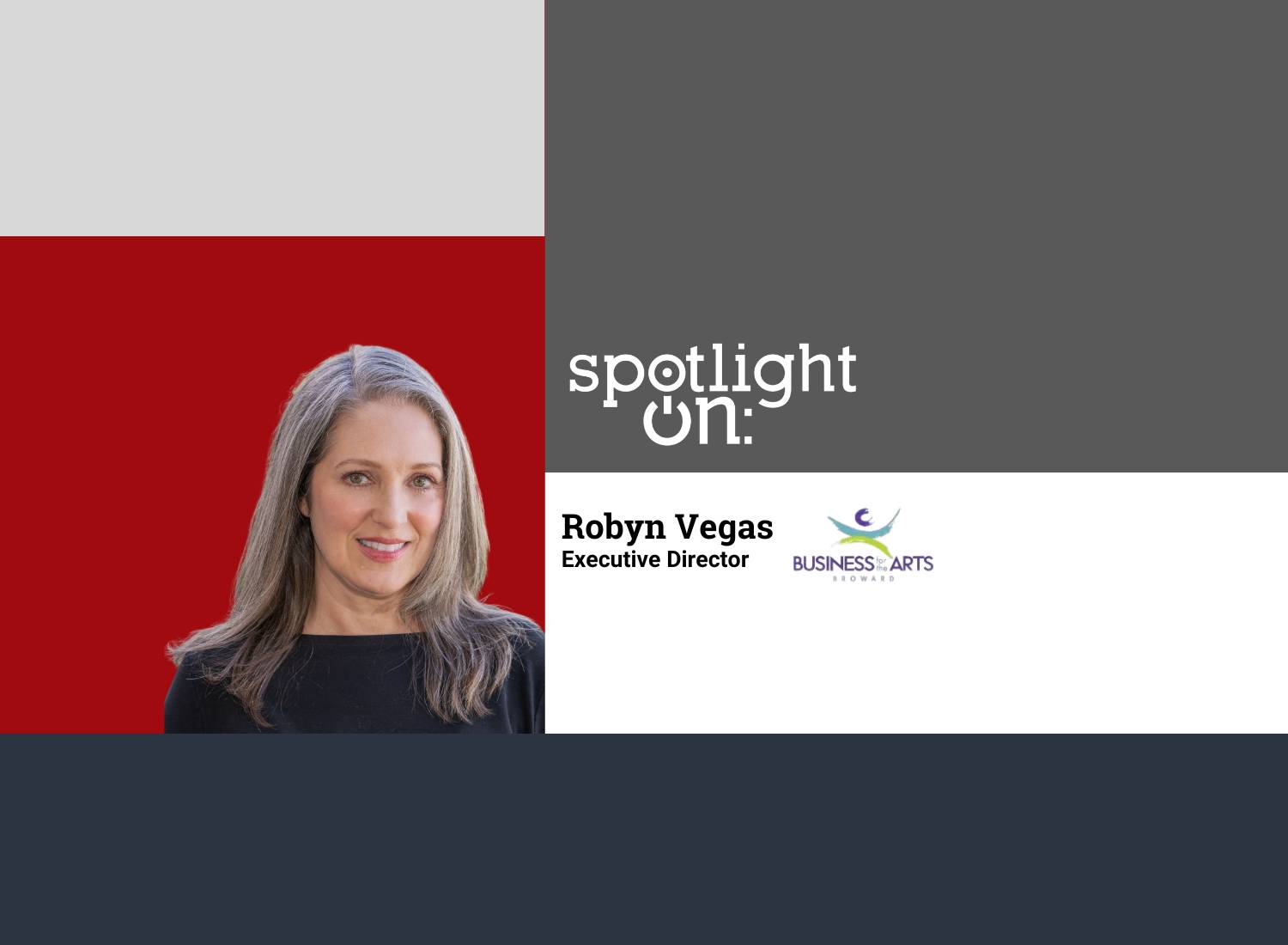
Spotlight On: Robyn Vegas, Executive Director, Business for the Arts Broward

Key points:

  • • Arts and culture are increasingly viewed as economic drivers that support talent attraction and quality of life in Broward County.
  • • Programs like Art in the Workplace and public murals strengthen employee engagement and community connection.
  • • Funding challenges remain, but expanding public art and artist development are key priorities for the region’s cultural growth.

Robyn VegasMarch 2026 — Invest: spoke with Robyn Vegas, executive director of Business for the Arts Broward, about how arts and culture support Broward County’s economy, talent attraction, and quality of life. “The business community is recognizing that investment in the arts supports employee satisfaction, quality of life, and the region’s ability to attract new businesses,” Vegas said.

How has the role of the arts in regional economic development in Broward County evolved over the past few years?

When I first moved to Broward County, there weren’t as many arts offerings. Over the 25 years I’ve been here, there’s been a huge boom in the arts across South Florida, and specifically in Broward.

People are noticing more murals and public art, more events, and more performances. We’re also seeing more recognition for the cultural offerings we already have, and an influx of artists and creatives, including people moving from Miami-Dade into Broward. It’s an exciting time for the arts in Broward. 

From a business perspective, are companies viewing arts as an investment and part of business strategy, rather than a philanthropic add-on?

BFA’s mission is educating the business community that the arts are an economic driver. One example I share often is Boeing’s headquarters relocation from Seattle. They considered Chicago and Dallas. Dallas offered stronger financial incentives, but Boeing chose Chicago, and one of the reasons they cited in the New York Times was Chicago’s cultural offerings. They wanted employees to have a great place to live and enjoy amenities, including arts and culture.

I also hear this locally. At a presentation in Broward County, Senator Steven A. Geller said one of the first questions he gets from businesses considering Fort Lauderdale and Broward is about cultural offerings. Do you have a theater? Opera? Music? Performances? What do you have going on? This illustrates that arts and culture are becoming part of the decision-making conversation.

The business community is recognizing that investment in the arts supports employee satisfaction, quality of life, and the region’s ability to attract new businesses.

How do programs like Art in the Workplace and public art initiatives influence employee engagement, retention, and company culture?

We view the arts as essential to a thriving organization and community — not as an optional add-on. The arts play a critical role in supporting mental health and well-being, and they have a unique ability to bring people together in ways few other activities can.

Through our Art in the Workplace program, we embed an artist directly within a business and invite employees to participate in a hands-on creative experience together. You might see the CEO working side-by-side with someone from finance or HR, all equal at the table. The experience breaks down hierarchies, re-energizes participants, and engages a different part of the brain — supporting higher-level thinking, creativity, and problem-solving.

Our public art program is centered on accessibility and community connection. Launched in 2021, it is designed to make art a shared, everyday experience. 

In 2024 and 2025, with the support of Wayne and Lucretia Weiner, we expanded this effort through a Mural Mentorship program that provides hands-on training in both the creative and business aspects of public art. The goal is to build confidence, strengthen artistic voice, and create real opportunities for the next generation of muralists.

The first mentorship mural was completed at Broward Health Hospital on a 250-foot-long curved wall. The response has been overwhelmingly positive from visitors, employees, and the broader community. Many have shared that the space feels more welcoming and compassionate, with artwork that reflects the hospital’s core values.

Ultimately, our goal with public art is to unite people and celebrate what’s happening in the community in a way that feels inclusive, human, and inspiring.

What challenges are arts and cultural organizations facing right now, and how do those challenges ripple into the broader local economy?

The arts are part of the economy here, and they generate significant activity. For our organization alone, last year we paid roughly $450,000 to artists, nonprofits, and creatives in Broward County. That money goes right back into the local economy.

Most of our arts and cultural nonprofits rely on state and government funding, which has been reduced. Now more than ever, there is a great need for everyone to step up and ask their elected officials to support the arts at every level. When organizations have to scale back programs, this is felt not only by their audiences and participants, but also throughout the local economy. 

Let’s take a mural project, for example. People often think it’s just the artist and the wall building owner, but a mural project involves a wide ecosystem: lift companies, pressure cleaning, priming, protective coatings, sign companies, sponsors, catering for ribbon cuttings, photographers and videographers documenting the work, marketing support, lawyers writing contracts, storage rentals, hardware stores, paint companies, and more.

Since 2021, we’ve completed about 20 mural projects, and across those projects we worked with 99 different businesses, vendors, artists, nonprofits, and organizations. It touches a whole community of businesses and professionals. So when funding is reduced, the ripple effect is real and widespread.

What opportunities do you see for the arts to play a larger role in shaping Broward County’s economic future?

I’m seeing more leaders recognize that the arts are thriving and that their cities want to be part of that growth. Some cities have had arts advisory boards and public art initiatives for years, and now others are asking how they can build that infrastructure, too.

From our perspective, Business for the Arts Broward is at a high growth point. More people are stepping forward to value the arts as integral, not an optional luxury. I’ve also had conversations with elected officials on both sides of the aisle, and they agree the arts matter. The opportunity is to keep that momentum going and keep the spotlight on arts and culture as an essential part of Broward’s future.

What are your top priorities for the organization over the next three to five years?

We continue to expand public art and murals because they are one of the most accessible forms of cultural expression — available to everyone, regardless of background or income. Our approach is intentional: we place murals throughout Broward County in partnership with cities and community organizations, ensuring that art reaches a wide range of neighborhoods and public spaces.

One of our key initiatives is the Lead with Love mural project, a partnership with the Community Foundation of Broward and artist Cey Adams. The project consists of nine murals spelling the word “love,” installed across nine different cities. Four murals have been completed so far, with additional installations planned over the next several years. These works are strategically placed in diverse settings, from downtown districts and business corridors to neighborhoods that historically have not received the same level of investment.

One mural that left a lasting impression is located at Kingsley Park in Plantation. The park had been underutilized for years, and as part of the city’s revitalization efforts, the mural became the final element installed before the park reopened. During the painting process, neighbors gathered to watch and asked, “They’re doing this for us?” At the ribbon cutting, residents even requested small pieces of the ribbon as keepsakes — a powerful reminder of how meaningful these moments can be when communities feel seen and valued.

Building on this momentum, we are launching the inaugural BFA Art Walls Mural Fest at the end of February. The festival will feature 12 Florida artists paired with 12 Broward arts and cultural nonprofit organizations. Each artist will create a pop-up mural on an 8×8 wooden wall inspired by their nonprofit partner. After the festival, the artworks will be installed at the nonprofits’ own locations. The goal is to create a free, community-centered event that also highlights the vital work being done by arts and culture organizations across Broward. We envision this mural festival growing into a signature cultural event for South Florida.

With funding from Wayne and Lucretia Weiner, BFA launched its Mural Mentorship Program in 2025, reinforcing our commitment to artist development as a core priority.

Many artists are eager to pursue mural work, which can be a meaningful and sustainable source of income, but lack the portfolio or practical experience required to compete for large-scale public art commissions. The mentorship program was designed to bridge that gap. Each year, we select five artists who have completed between zero and five murals and guide them through a three-month, paid training program focused on the business and execution of public art, including pricing, scaling, and project management.

The inaugural mentorship mural was completed at Broward Health in 2024. In 2025, we expanded the program with a new cohort in partnership with the Florida Purchasing Agency, culminating in a highly dynamic mural in Lauderdale-by-the-Sea. Programs like this broaden access to professional opportunities for local artists while strengthening the talent pipeline that supports high-quality public art throughout the county.

What is your strategy to market the organization and connect with the business community in Broward County?

We use email marketing, social media, and LinkedIn to reach the business community directly. I also give presentations at meetings around the region, including with organizations that are closely connected to economic development.

We also rely heavily on our board. We have a strong board presence with leaders from local businesses, and when board members share what we’re doing with their networks, it brings new attention and audiences to our events and programs.

Want more? Read the Invest: Greater Fort Lauderdale report.

On the rise: Female leaders break barriers in commercial RE

Key points:

  • • Women are gradually increasing their presence in commercial real estate, though leadership representation remains limited.
  • • Mentorship, professional networks, and organizations like CREW are helping expand opportunities and leadership pathways.
  • • Workplace changes, including technology and flexible work models, are opening new avenues for women across the industry.

Female leadersMarch 2026 — In the male-dominated commercial real estate sector, female leaders are steadily expanding their presence across development, brokerage, finance, construction, and property management. There’s still a long way to go, but momentum is on their side.

Industry data shows that progress has been gradual. According to CREW Network’s 2025 Benchmark Study, women make up about 38% of the commercial real estate workforce, a figure that has remained relatively unchanged for nearly two decades. Representation at the highest levels, in particular, is limited, with women holding only about 9% of C-suite positions across the industry.

Despite these structural challenges, the influence of women in commercial real estate continues to grow. Industry research shows that mentorship, access to professional networks, and leadership development opportunities play a critical role in advancing women’s careers. For many professionals, organizations such as CREW Network provide those pathways by fostering business connections, delivering industry research, and supporting more than 14,000 members worldwide through networking and leadership initiatives.

At the same time, the industry itself is evolving. Hybrid work, new technologies, and shifting investment strategies are reshaping how commercial real estate professionals collaborate and deliver value to clients. These changes are also opening new opportunities for women to build careers, lead projects, and influence decision-making across the sector.

Women leaders in commercial real estate, including Heidi Swygert, senior vice president and Southeast region project services leader at Transwestern and 2025 president of CREW Atlanta; Josie Correa, 2025 board president of CREW Miami; and Nancy Manning, founder of CREW Tampa Bay, shared their perspectives with Invest: on leadership, mentorship, and the evolving opportunities for women in the industry.

Heidi Swygert, Senior Vice President & Southeast Region Project Services Leader, Transwestern; 2025 Chapter President, CREW Atlanta

The concept of a universal, one-size-fits-all approach to the workplace is no longer viable. Remote work remains a significant topic and has evolved into what many describe as “focused work,” where professionals make strategic decisions about when and where they work depending on collaboration needs, individual tasks, or fieldwork.

Technology plays an important role in making this model successful. The integration of digital tools allows teams to maintain continuity between in-person and remote work while improving efficiency and ensuring that everyone has equal access to information and opportunities.

Women continue to increase their influence and visibility across the commercial real estate industry. Today we see women in leadership roles across brokerage, development, construction, investment, design, finance, property management, and corporate real estate. Organizations like CREW help create mentorship opportunities, professional development pathways, and allies who support women’s advancement.

As a woman who has had the opportunity to sit at many male-dominated tables, I feel a responsibility to bring other women along with me. The real magic happens when women and men collaborate, because we complement each other’s strengths.

Josie Correa, 2025 Board President, CREW Miami

CREW Miami creates opportunities for members to build relationships that eventually lead to business. Many of our programs and events bring women together through educational forums, site tours, and networking experiences that allow professionals to connect in meaningful ways.

A lot of times, the way you get to a business opportunity is by first building that relationship. When members work together consistently through committees or events, trust develops. That trust often becomes the foundation for collaboration and future deals.

Mentorship is another important component. Each year we pair mentors with emerging professionals who are earlier in their careers. While the formal program lasts a year, many of those relationships continue long afterward and become lasting professional connections.

Commercial real estate has historically been male-dominated, but that is changing. We are seeing more women entering the field and pursuing careers not only within firms but also as developers, investors, and industry leaders. Seeing that level of ambition and participation is incredibly encouraging.

Nancy Manning, Founder, CREW Tampa Bay

There were very few women in commercial real estate when many of us started our careers. Informal networks often formed around activities like golf or drinks after work, and those environments were not always spaces where women were invited or included.

Expanding participation meant ensuring that women had a seat at the table. Inclusion has also meant recognizing the importance of representation across diverse backgrounds, including women of color from a variety of communities and professions.

Today, more women than ever are participating in the industry. Changes in workplace flexibility, including the ability to work remotely and stay connected through digital platforms, have helped many women continue their careers without needing to step away and restart.

The goal has always been the advancement of women in the industry and recognition of what they accomplish. The question moving forward is how the next generation of women will build on that progress and address the challenges that lie ahead.

Want more? Read the Invest: reports.