



Spotlight On: Robyn Vegas, Executive Director, Business for the Arts Broward

Key points:

  • • Arts and culture are increasingly viewed as economic drivers that support talent attraction and quality of life in Broward County.
  • • Programs like Art in the Workplace and public murals strengthen employee engagement and community connection.
  • • Funding challenges remain, but expanding public art and artist development are key priorities for the region’s cultural growth.
Robyn VegasMarch 2026 — Invest: spoke with Robyn Vegas, executive director of Business for the Arts Broward, about how arts and culture support Broward County’s economy, talent attraction, and quality of life. “The business community is recognizing that investment in the arts supports employee satisfaction, quality of life, and the region’s ability to attract new businesses,” Vegas said.

How has the role of the arts in regional economic development in Broward County evolved over the past few years?

When I first moved to Broward County, there weren’t as many arts offerings. Over the 25 years I’ve been here, there’s been a huge boom in the arts across South Florida, and specifically in Broward.

People are noticing more murals and public art, more events, and more performances. We’re also seeing more recognition for the cultural offerings we already have, and an influx of artists and creatives, including people moving from Miami-Dade into Broward. It’s an exciting time for the arts in Broward. 

From a business perspective, are companies viewing arts as an investment and part of business strategy, rather than a philanthropic add-on?

BFA’s mission is educating the business community that the arts are an economic driver. One example I share often is Boeing’s headquarters relocation from Seattle. They considered Chicago and Dallas. Dallas offered stronger financial incentives, but Boeing chose Chicago, and one of the reasons they cited in the New York Times was Chicago’s cultural offerings. They wanted employees to have a great place to live and enjoy amenities, including arts and culture.

I also hear this locally. At a presentation in Broward County, Senator Steven A. Geller said one of the first questions he gets from businesses considering Fort Lauderdale and Broward is about cultural offerings. Do you have a theater? Opera? Music? Performances? What do you have going on? This illustrates that arts and culture are becoming part of the decision-making conversation.

The business community is recognizing that investment in the arts supports employee satisfaction, quality of life, and the region’s ability to attract new businesses.

How do programs like Art in the Workplace and public art initiatives influence employee engagement, retention, and company culture?

We view the arts as essential to a thriving organization and community — not as an optional add-on. The arts play a critical role in supporting mental health and well-being, and they have a unique ability to bring people together in ways few other activities can.

Through our Art in the Workplace program, we embed an artist directly within a business and invite employees to participate in a hands-on creative experience together. You might see the CEO working side-by-side with someone from finance or HR, all equal at the table. The experience breaks down hierarchies, re-energizes participants, and engages a different part of the brain — supporting higher-level thinking, creativity, and problem-solving.

Our public art program is centered on accessibility and community connection. Launched in 2021, it is designed to make art a shared, everyday experience. 

In 2024 and 2025, with the support of Wayne and Lucretia Weiner, we expanded this effort through a Mural Mentorship program that provides hands-on training in both the creative and business aspects of public art. The goal is to build confidence, strengthen artistic voice, and create real opportunities for the next generation of muralists.

The first mentorship mural was completed at Broward Health Hospital on a 250-foot-long curved wall. The response has been overwhelmingly positive from visitors, employees, and the broader community. Many have shared that the space feels more welcoming and compassionate, with artwork that reflects the hospital’s core values.

Ultimately, our goal with public art is to unite people and celebrate what’s happening in the community in a way that feels inclusive, human, and inspiring.

What challenges are arts and cultural organizations facing right now, and how do those challenges ripple into the broader local economy?

The arts are part of the economy here, and they generate significant activity. For our organization alone, last year we paid roughly $450,000 to artists, nonprofits, and creatives in Broward County. That money goes right back into the local economy.

Most of our arts and cultural nonprofits rely on state and government funding, which has been reduced. Now more than ever, there is a great need for everyone to step up and ask their elected officials to support the arts at every level. When organizations have to scale back programs, this is felt not only by their audiences and participants, but also throughout the local economy. 

Let’s take a mural project, for example. People often think it’s just the artist and the wall building owner, but a mural project involves a wide ecosystem: lift companies, pressure cleaning, priming, protective coatings, sign companies, sponsors, catering for ribbon cuttings, photographers and videographers documenting the work, marketing support, lawyers writing contracts, storage rentals, hardware stores, paint companies, and more.

Since 2021, we’ve completed about 20 mural projects, and across those projects we worked with 99 different businesses, vendors, artists, nonprofits, and organizations. It touches a whole community of businesses and professionals. So when funding is reduced, the ripple effect is real and widespread.

What opportunities do you see for the arts to play a larger role in shaping Broward County’s economic future?

I’m seeing more leaders recognize that the arts are thriving and that their cities want to be part of that growth. Some cities have had arts advisory boards and public art initiatives for years, and now others are asking how they can build that infrastructure, too.

From our perspective, Business for the Arts Broward is at a high growth point. More people are stepping forward to value the arts as integral, not an optional luxury. I’ve also had conversations with elected officials on both sides of the aisle, and they agree the arts matter. The opportunity is to keep that momentum going and keep the spotlight on arts and culture as an essential part of Broward’s future.

What are your top priorities for the organization over the next three to five years?

We continue to expand public art and murals because they are one of the most accessible forms of cultural expression — available to everyone, regardless of background or income. Our approach is intentional: we place murals throughout Broward County in partnership with cities and community organizations, ensuring that art reaches a wide range of neighborhoods and public spaces.

One of our key initiatives is the Lead with Love mural project, a partnership with the Community Foundation of Broward and artist Cey Adams. The project consists of nine murals spelling the word “love,” installed across nine different cities. Four murals have been completed so far, with additional installations planned over the next several years. These works are strategically placed in diverse settings, from downtown districts and business corridors to neighborhoods that historically have not received the same level of investment.

One mural that left a lasting impression is located at Kingsley Park in Plantation. The park had been underutilized for years, and as part of the city’s revitalization efforts, the mural became the final element installed before the park reopened. During the painting process, neighbors gathered to watch and asked, “They’re doing this for us?” At the ribbon cutting, residents even requested small pieces of the ribbon as keepsakes — a powerful reminder of how meaningful these moments can be when communities feel seen and valued.

Building on this momentum, we are launching the inaugural BFA Art Walls Mural Fest at the end of February. The festival will feature 12 Florida artists paired with 12 Broward arts and cultural nonprofit organizations. Each artist will create a pop-up mural on an 8×8 wooden wall inspired by their nonprofit partner. After the festival, the artworks will be installed at the nonprofits’ own locations. The goal is to create a free, community-centered event that also highlights the vital work being done by arts and culture organizations across Broward. We envision this mural festival growing into a signature cultural event for South Florida.

With funding from Wayne and Lucretia Weiner, BFA launched its Mural Mentorship Program in 2025, reinforcing our commitment to artist development as a core priority.

Many artists are eager to pursue mural work, which can be a meaningful and sustainable source of income, but lack the portfolio or practical experience required to compete for large-scale public art commissions. The mentorship program was designed to bridge that gap. Each year, we select five artists who have completed between zero and five murals and guide them through a three-month, paid training program focused on the business and execution of public art, including pricing, scaling, and project management.

The inaugural mentorship mural was completed at Broward Health in 2024. In 2025, we expanded the program with a new cohort in partnership with the Florida Purchasing Agency, culminating in a highly dynamic mural in Lauderdale-by-the-Sea. Programs like this broaden access to professional opportunities for local artists while strengthening the talent pipeline that supports high-quality public art throughout the county.

What is your strategy to market the organization and connect with the business community in Broward County?

We use email marketing, social media, and LinkedIn to reach the business community directly. I also give presentations at meetings around the region, including with organizations that are closely connected to economic development.

We also rely heavily on our board. We have a strong board presence with leaders from local businesses, and when board members share what we’re doing with their networks, it brings new attention and audiences to our events and programs.

Want more? Read the Invest: Greater Fort Lauderdale report.

On the rise: Female leaders break barriers in commercial RE

Key points:

  • • Women are gradually increasing their presence in commercial real estate, though leadership representation remains limited.
  • • Mentorship, professional networks, and organizations like CREW are helping expand opportunities and leadership pathways.
  • • Workplace changes, including technology and flexible work models, are opening new avenues for women across the industry.

Female leadersMarch 2026 — In the male-dominated commercial real estate sector, female leaders are steadily expanding their presence across development, brokerage, finance, construction, and property management. There’s still a long way to go, but momentum is on their side.

Industry data shows that progress has been gradual. According to CREW Network’s 2025 Benchmark Study, women make up about 38% of the commercial real estate workforce, a figure that has remained relatively unchanged for nearly two decades. Representation at the highest levels, in particular, is limited, with women holding only about 9% of C-suite positions across the industry.

Despite these structural challenges, the influence of women in commercial real estate continues to grow. Industry research shows that mentorship, access to professional networks, and leadership development opportunities play a critical role in advancing women’s careers. For many professionals, organizations such as CREW Network provide those pathways by fostering business connections, delivering industry research, and supporting more than 14,000 members worldwide through networking and leadership initiatives.

At the same time, the industry itself is evolving. Hybrid work, new technologies, and shifting investment strategies are reshaping how commercial real estate professionals collaborate and deliver value to clients. These changes are also opening new opportunities for women to build careers, lead projects, and influence decision-making across the sector.

Women leaders in commercial real estate, including Heidi Swygert, senior vice president and Southeast region project services leader at Transwestern and 2025 president of CREW Atlanta; Josie Correa, 2025 board president of CREW Miami; and Nancy Manning, founder of CREW Tampa Bay, shared their perspectives with Invest: on leadership, mentorship, and the evolving opportunities for women in the industry.

Heidi Swygert, Senior Vice President & Southeast Region Project Services Leader, Transwestern; 2025 Chapter President, CREW Atlanta

The concept of a universal, one-size-fits-all approach to the workplace is no longer viable. Remote work remains a significant topic and has evolved into what many describe as “focused work,” where professionals make strategic decisions about when and where they work depending on collaboration needs, individual tasks, or fieldwork.

Technology plays an important role in making this model successful. The integration of digital tools allows teams to maintain continuity between in-person and remote work while improving efficiency and ensuring that everyone has equal access to information and opportunities.

Women continue to increase their influence and visibility across the commercial real estate industry. Today we see women in leadership roles across brokerage, development, construction, investment, design, finance, property management, and corporate real estate. Organizations like CREW help create mentorship opportunities, professional development pathways, and allies who support women’s advancement.

As a woman who has had the opportunity to sit at many male-dominated tables, I feel a responsibility to bring other women along with me. The real magic happens when women and men collaborate, because we complement each other’s strengths.

Josie Correa, 2025 Board President, CREW Miami

CREW Miami creates opportunities for members to build relationships that eventually lead to business. Many of our programs and events bring women together through educational forums, site tours, and networking experiences that allow professionals to connect in meaningful ways.

A lot of times, the way you get to a business opportunity is by first building that relationship. When members work together consistently through committees or events, trust develops. That trust often becomes the foundation for collaboration and future deals.

Mentorship is another important component. Each year we pair mentors with emerging professionals who are earlier in their careers. While the formal program lasts a year, many of those relationships continue long afterward and become lasting professional connections.

Commercial real estate has historically been male-dominated, but that is changing. We are seeing more women entering the field and pursuing careers not only within firms but also as developers, investors, and industry leaders. Seeing that level of ambition and participation is incredibly encouraging.

Nancy Manning, Founder, CREW Tampa Bay

There were very few women in commercial real estate when many of us started our careers. Informal networks often formed around activities like golf or drinks after work, and those environments were not always spaces where women were invited or included.

Expanding participation meant ensuring that women had a seat at the table. Inclusion has also meant recognizing the importance of representation across diverse backgrounds, including women of color from a variety of communities and professions.

Today, more women than ever are participating in the industry. Changes in workplace flexibility, including the ability to work remotely and stay connected through digital platforms, have helped many women continue their careers without needing to step away and restart.

The goal has always been the advancement of women in the industry and recognition of what they accomplish. The question moving forward is how the next generation of women will build on that progress and address the challenges that lie ahead.

Want more? Read the Invest: reports.

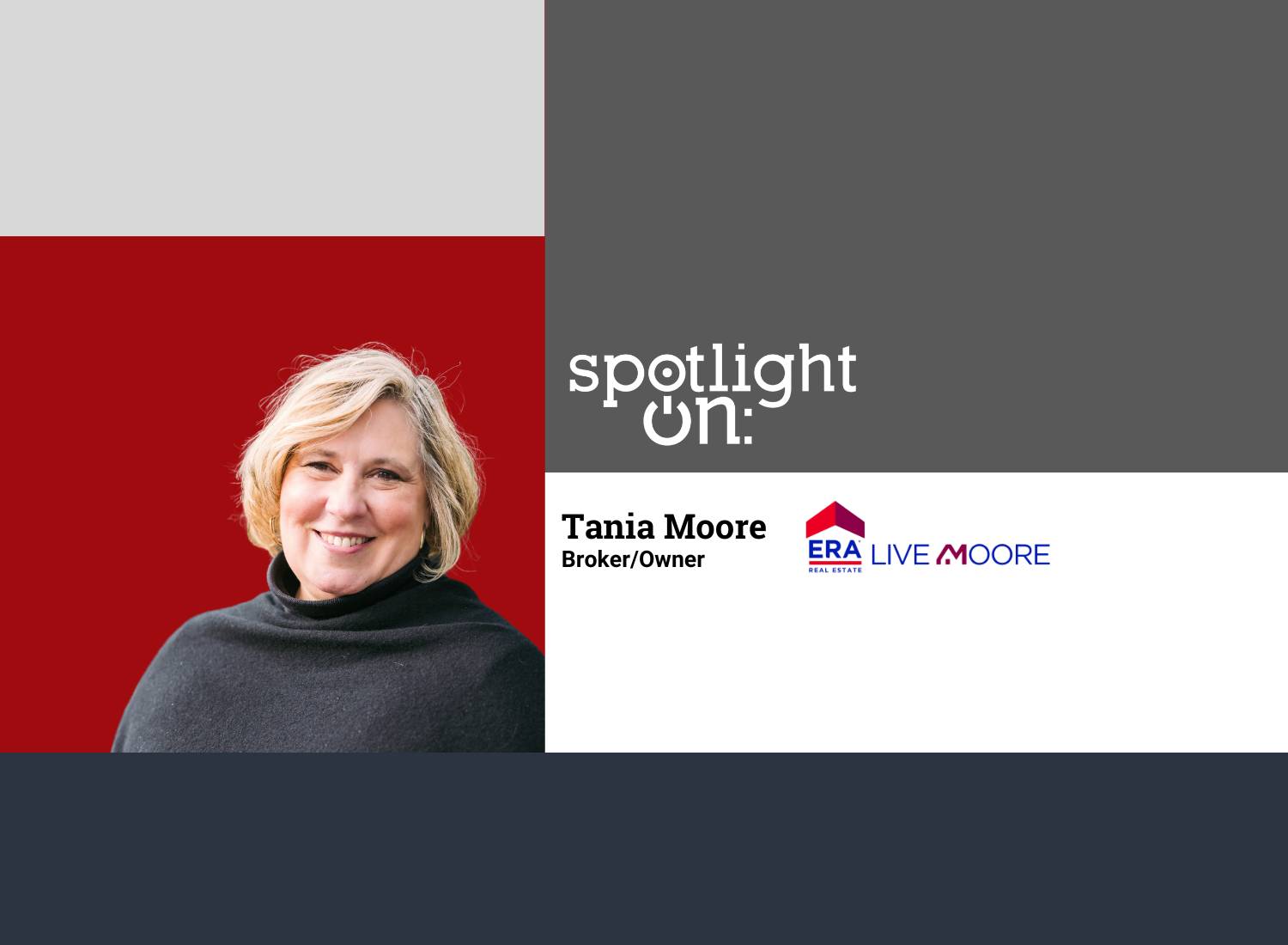
Spotlight On: Tania Moore, Broker/Owner, ERA Live Moore

Key points:

  • • Charlotte’s housing market remains steady, with rising prices, competitive demand, and increased activity in new construction.
  • • ERA Live Moore is scaling statewide from its Charlotte hub, combining local expertise with technology and agent development.
  • • Relationship-driven service and community engagement are central to building trust and long-term growth.

Tania MooreMarch 2026 — Invest: spoke with Tania Moore, president and owner of real estate brokerage ERA Live Moore, about Charlotte’s housing market, the brokerage’s growth strategy across North Carolina, and the role of community engagement in building long-term trust. “Our real estate license is a gift, and it allows us to work with people in the greatest emotional and financial investment of their life,” Moore said.

Charlotte closed 2025 with modest sales growth. What trends are you seeing in the housing market, and how is ERA Live Moore responding?

2025 was an interesting year. After a stretch where transactions slowed, Charlotte finished the year with roughly 3% higher home sales than in 2024. The average price point is hovering around $500,000, which reflects how durable demand has been.

One trend we’re watching is new construction. In some pockets, new homes are coming in more affordably than resale, and builders are using incentives to help buyers manage monthly payments. Toward the end of the year, we also saw rates move closer to that magic number of 6%, which helped bring some buyers off the sidelines.

At ERA Live Moore, our focus is on helping buyers and sellers navigate these shifting conditions with clarity and confidence. Our agents understand the market, which allows us to provide them with thoughtful and expert guidance. Buyers have steadily been entering the market following the mid-6% rate shift, making that space more competitive and underscoring the importance of having a trusted advisor to navigate the home-buying or selling journey. 

The market remains competitive, but it is also more nuanced than it was during the peak. ERA Live Moore agents are educated in the trends and spend time studying the market and advising clients so they can make informed decisions based on the current actual conditions. 

What role does Charlotte play in the brokerage’s growth strategy across North Carolina?

Charlotte plays a central role in our growth strategy. It is our largest market and serves as the operational hub for ERA Live Moore across North Carolina. From here, we support a network of nine offices statewide, stretching from the coast in Jacksonville to the mountains in Asheville, with nearly 500 agents serving communities across the state. 

The depth of our presence in Charlotte allows us to build momentum where many of our initiatives, leadership development, and marketing strategies are piloted before being implemented in our other markets. That approach allows us to stay innovative while ensuring that the best ideas and resources benefit both our clients and agents throughout North Carolina. 

What makes Charlotte such a magnet for continued growth?

Charlotte attracts people because it offers a balance that is becoming harder to find in many major cities. It has a strong economy and real career opportunities, yet it still feels livable and welcoming. For many people relocating from higher-cost markets, Charlotte provides the chance to enjoy the advantages of a major metro while still finding attainable housing and a high quality of life. In recent years, the city has grown well beyond its banking roots, with continued expansion in healthcare, technology, and arts & culture. These industries continue to bring new employers and talent to the region. 

As a business owner, I’ve had the privilege of watching Charlotte evolve into one of the most dynamic cities in the country. People are drawn not only to the opportunity here, but to the lifestyle. You can live in Charlotte and still be just a few hours from the mountains or the coast, which is a unique advantage North Carolina offers. I’m proud to have ERA Live Moore headquartered here and to empower so many people to realize their homeownership dreams while finding their place in the community. 

Where are buyers starting their searches today, and what channels are most effective for reaching them?

Most buyers begin their search online. They want quick access to listings and a clear sense of what’s possible within their budget and preferred neighborhoods. Some national platforms can create confusion with limited local context and outdated information. That’s where our strong local knowledge becomes essential. We invest in technology that strengthens that relationship and improves the experience for both buyers and sellers. Our agents use tools like RealScout to create personalized home searches that stay current and allow clients to interact directly with listings while staying connected to their agent’s guidance. We find that when technology is used the right way, it makes the process more transparent and responsive, and ultimately more successful for our clients. 

Are you seeing any shifts in what kinds of homes people are buying right now?

New construction is driving a lot of purchases right now. Builders can offer incentives and provide inventory that isn’t always available in the resale market. We also see activity across product types, from first homes and townhomes to luxury properties. We believe great representation starts with understanding the communities we serve, and our agents work across a wide range of neighborhoods and price points to support clients at every stage of homeownership.

How do you balance company branding with helping agents build their own personal brands?

Real estate is a relationship industry. Our agents build their businesses through the trust they develop with clients and their communities, and we encourage them to show up authentically and consistently in those relationships. Their database and sphere of influence are their most valuable assets. Our role is to support them with the tools, marketing resources, and coaching that help them grow their personal brands while delivering an exceptional experience for their clients. When agents succeed in building strong relationships and providing thoughtful guidance, it strengthens both their individual reputation and the reputation of the company as a whole.

How are you supporting agent education as the industry changes?

Real estate is evolving quickly, particularly in how consumers search for homes and evaluate information online. Advances in technology and AI-driven search are changing how buyers and sellers find and interpret housing information, so education is a major priority for us at ERA Live Moore. We invest in both in-house training and ERA’s national education programs to ensure our agents stay ahead of those shifts and can knowledgeably guide clients. 

We are a Ninja Selling excellence organization, which reflects our commitment to a relationship-first approach. We provide in-house coaching and bring in respected market experts like the National Association of Realtors’ Economist Jessica Lautz, so our agents stay informed on housing trends and can translate that insight into practical guidance for buyers and sellers.

How do you stay competitive as national firms and institutional players become more visible?

One of the ways we stay competitive is by combining strong local expertise with the reach of a much larger network. ERA Live Moore is an ERA franchise, which connects us to a global platform through Compass International Holdings. That affiliation creates a powerful referral network and international reach that benefits our clients, particularly those relocating into or out of markets like Charlotte.

At the same time, our strength remains deeply local. Our agents represent 25 countries, and 14 languages are spoken within ERA Live Moore. That diversity helps us meet clients where they are and build trust across a wide range of communities.

When agents can clearly explain what is happening in the market and what it means for a client’s specific situation, people remember that. In the end, competence, relationships, and trusted guidance are what continue to set great agents apart.

Community engagement is clearly important to you. How does that connect to your business strategy?

Community engagement is our “Why.” It’s a huge part of ERA Live Moore’s vision and values, and a particular passion of mine. It’s an incredibly meaningful way to build trust while doing work that matters, assisting buyers and sellers in the communities we serve across the state

I’ve recently begun collaborating with Vicky Mitchener of Dickens Mitchener, through the Homeowners Impact Fund, a 501(c)(3) focused on supporting initiatives that address homelessness in our community. One example is Moore Place, Charlotte’s first Housing First model, which provides permanent supportive housing for people experiencing chronic homelessness. It is a shining example of what can happen when the community works together.

This spring, we’re hosting an event featuring Kathy Izard, an award-winning author and speaker who has helped bring transformation to Charlotte in homelessness, housing, and mental health, helping to raise $10 million as part of the fundraising campaign connected to Moore Place. We’ll also raise funds for A Roof Above, which owns Moore Place, and we’ll run a collection drive to create Fresh Start kits for tenants who are transitioning and may not have resources.

These initiatives serve the community, but they also give agents an authentic reason to engage their spheres and stay connected in a values-based way.

What are your top goals for ERA Live Moore in Charlotte over the next few years?

Charlotte continues to grow, and I believe ERA Live Moore has an opportunity to grow alongside it and throughout our major markets. Over the next several years, I would like to expand our agent community from roughly 500 to 1,000 professionals across North Carolina. But growth for us has always been about more than numbers. It’s about attracting agents who share our commitment to excellence and to collaboration and providing clients with impeccable service. 

I believe a real estate license is a privilege. Our agents are invited into some of the most meaningful financial and emotional decisions people will ever make, and we take that responsibility seriously. When we focus on education, relationships, and guidance, we earn the opportunity to support clients through many stages of their lives. 

Ultimately, my goal is to continue building a company where agents thrive, clients feel well served, and homeownership remains within reach for more people. At ERA Live Moore, We Empower Dreams Through Real Estate℠ and we couldn’t be prouder to serve the Charlotte market and beyond.

Want more? Read the Invest: Charlotte report.

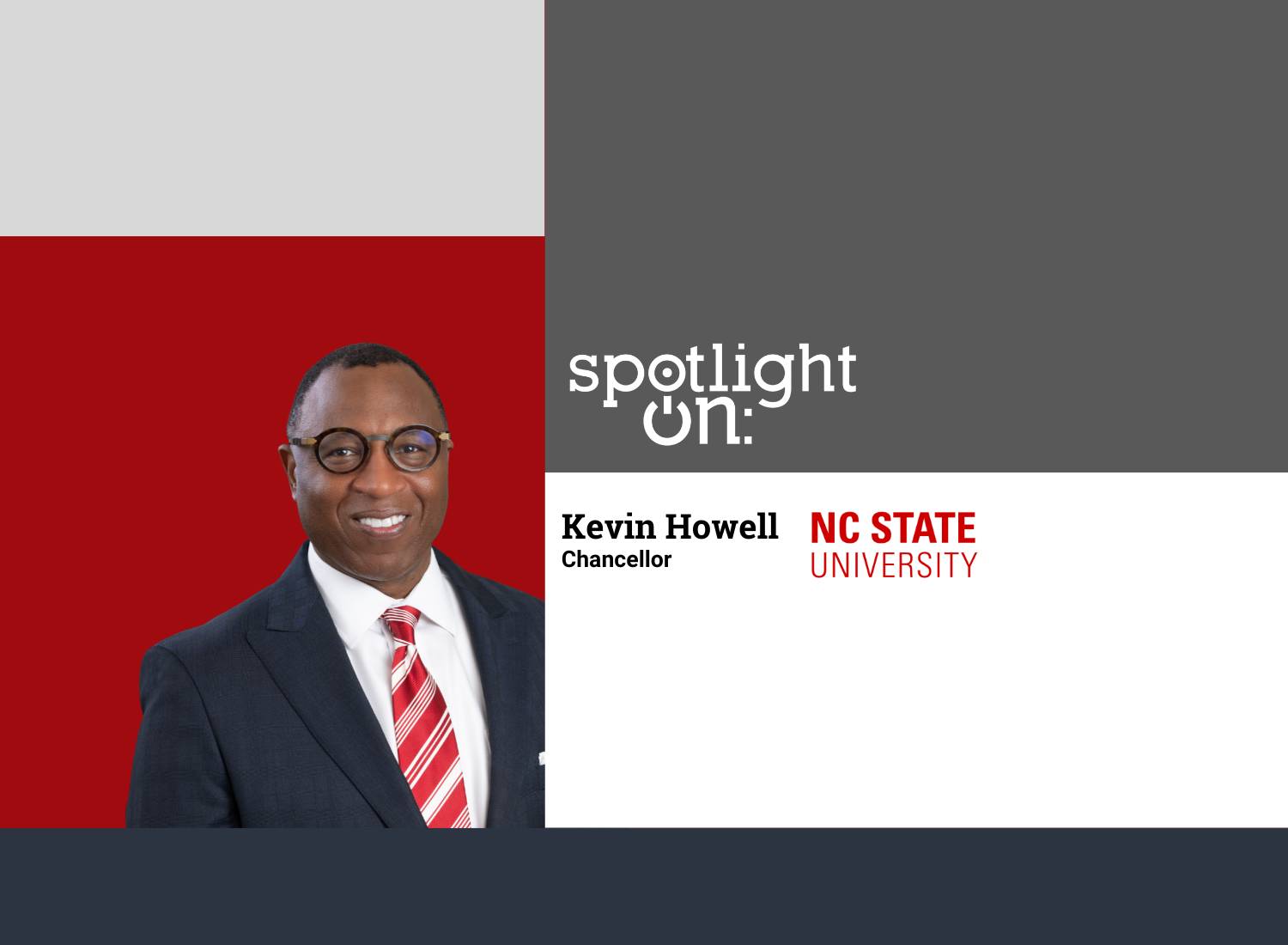
Spotlight On: Kevin Howell, Chancellor, North Carolina State University

Key points:

  • • NC State is strengthening research alignment with workforce needs while expanding access through programs like Wolfpack Connect.
  • • Partnerships with industry and Centennial Campus help bridge education, research, and real-world job readiness.
  • • Higher education remains central to economic growth, with a focus on ROI, talent development, and statewide impact.

Kevin HowellMarch 2026 — Invest: spoke with Kevin Howell, chancellor of North Carolina State University, about how higher education, research, and workforce alignment are shaping North Carolina’s long-term competitiveness. “Does higher education matter? It’s the biggest question we have to answer,” Howell said.

What have been some of the key changes and trends you’re seeing in higher education, and how are they shaping the university’s direction and long-term growth?

From NC State’s perspective, we’re closely monitoring activity at both the state and federal levels. Policy changes and agency decisions can have real implications, particularly for a research-intensive university like ours.

Strengthening our research administration and translating how NC State researchers are making an impact in our state, nation, and world are top priorities. Our new vice chancellor for research, Dr. Krista Walton, is working to sharpen our focus on how research supports economic growth, legislative priorities, and workforce needs. We are looking carefully at where our research efforts can have the greatest impact, including work connected to the Department of Defense and other initiatives that help expand our portfolio.

At the same time, we’re navigating enrollment dynamics that affect higher education nationally. There is strong competition for students, and universities are recruiting harder. We see this as an opportunity to expand access, particularly for talented students coming through the state’s community colleges. That focus led to the launch of Wolfpack Connect, which creates guaranteed pathways to an NC State degree.

International students also remain an important part of our campus. We continue to recruit globally, recognizing that international perspectives strengthen our academic community and help prepare students for an interconnected workforce.

Through all of this, we’ve remained committed to research and innovation. We believe the work happening at NC State strengthens the economy and prepares students for the jobs of tomorrow.

How do you see the bridge between research and workforce development, and what role does NC State play in driving North Carolina’s competitiveness?

Our total enrollment stands at over 40,000 students. What I’m really proud of in that number is that we educate more North Carolinians than any other university. NC State is a key driver of North Carolina’s workforce pipeline.

The companies in North Carolina today operate in highly competitive environments. Whether it’s artificial intelligence, advanced manufacturing, agriculture, or life sciences, they expect graduates who can contribute immediately. Our goal is that when students graduate from NC State, they are ready to go to work.

Our faculty play a critical role in that equation. They are leading research in areas such as wearable electronics, advanced semiconductors, quantum computing, and energy systems to name just a few. These aren’t abstract academic exercises. They directly connect to companies creating jobs across the state, including in rural communities.

Centennial Campus, our premier research park, which is home to over 70 different companies, is central to how we bridge research and workforce development. It allows students to learn in their classrooms, work alongside industry partners, and gain real-world experience all before they graduate. Many students leave NC State already embedded in the professional ecosystem they helped build.

What is the university doing to expand access and affordability for students, including through Wolfpack Connect?

Wolfpack Connect is one of the initiatives I feel strongly about. Too often, students complete an associate degree and are unsure about what comes next. This program creates clarity. 

Students who complete an Associate in Arts or Associate in Science and maintain a certain grade point average at any of North Carolina’s 58 community colleges now have a defined pathway to a bachelor’s degree at NC State. The program reduces uncertainty, encourages completion, and opens doors for students who may not have initially seen themselves at a large four-year institution.

The program includes more than 100 majors across multiple colleges, with clear academic expectations designed to ensure students are prepared for success once they arrive on campus. Since launching the program, I’ve traveled across the state meeting with community college leaders to strengthen those partnerships as we collectively expand opportunity.

How are you working with local businesses and organizations to support workforce transitions and interdisciplinary research?

Centennial Campus serves as a hub for collaboration between industry, faculty, and students. Companies work directly with our professors, which strengthens their operations while enriching our academic programs. Faculty bring those experiences back into the classroom, helping students understand how theory translates into practice.

We also collaborate closely with economic development organizations, chambers of commerce, and state elected leaders. These relationships are critical to recruiting companies and ensuring the workforce pipeline aligns with employer needs.

Interdisciplinary collaboration is another priority. The challenges facing our economy don’t fit neatly into one discipline, so we’re bringing faculty together across colleges to work on shared problems. That approach strengthens research outcomes and prepares students to work in complex, cross-functional environments.

Looking ahead, how do you see the role of higher education evolving, and what does that mean for North Carolina’s economic future?

Does higher education matter? It’s the biggest question we have to answer. We have to be clear about the value of a four-year degree and what it means for individuals, families, and communities. At NC State, we’re proud to be recognized by Princeton Review as the No. 9 public university for value, and by the UNC System as delivering a 12:1 average lifetime return on investment. These recognitions reflect the quality of our faculty, the strength of our students, and the outcomes our graduates achieve.

Demand to attend NC State remains strong. We receive tens of thousands of applications for each incoming class, along with a significant number of transfer students. What matters most to me is who those students are. We enroll first-generation college students, students from economically distressed counties, military-affiliated students, and students from across North Carolina and around the world.

When someone earns an NC State degree, the impact extends beyond the individual. It affects families, neighborhoods, and future generations. That’s why we have to do a better job telling the story of higher education and why it matters.

To sustain that impact, we must recruit and retain outstanding faculty. Supporting our scholars is essential if we want to remain a leading research university and continue preparing students for jobs that may not even exist yet.

We’re also committed to collaboration with our state’s elected leaders. The NC General Assembly provided funding for “Engineering North Carolina’s Future,” a state legislative initiative designed to expand the College of Engineering by adding 4,000 students, over 100 faculty members, and upgrading facilities. This partnership with the state is critical to meet the growing workforce demand for engineers and computer scientists in North Carolina.

Serving as chancellor of NC State is an honor. I’ve seen firsthand how this institution transforms lives, including my own. Our mission, our research focus, and our culture of think and do position NC State to play a central role in the economic prosperity of North Carolina today and into the future.

Want more? Read the Invest: Raleigh-Durham report.

Suddenly facing uncertainty, US tourism is changing gears

Key points:

  • • International travel to the U.S. remains uneven, with arrivals declining in 2025 amid geopolitical tensions and shifting perceptions.
  • • Domestic and business travel continue to stabilize the tourism sector despite weaker international demand.
  • • Destinations are adjusting strategies by expanding air connectivity and focusing more on regional tourism.

TourismMarch 2026 — After several years of slow recovery following the pandemic, the outlook for international travel in the United States has become increasingly complicated. Global political tensions, including the war in Iran, and shifting travel perceptions have introduced new uncertainty to the tourism landscape.

It’s bad news for an industry that  was expecting a surge of global visitors thanks to major events like the FIFA World Cup and the nation’s 250th anniversary. Recent trends suggest that international arrivals remain uneven, prompting tourism leaders and businesses to adjust their strategies, including a greater emphasis on regional tourism.

“Today’s geopolitical climate, especially stemming from decisions being made in Washington, D.C., is affecting international travel to the United States,” said Joseph Marinelli, CEO at Visit Savannah, in an interview with Focus: Atlanta. “Organizations like ours must remain nimble and flexible with our marketing strategies to continue reaching audiences regionally, nationally, and globally,” he added.

Mixed Signals

International arrivals to the United States declined during 2025, highlighting the challenges the sector continues to face. Figures from the National Travel and Tourism Office show that overseas visitation fell 7.7% year over year in September 2025 and remained down through the final months of the year. By October, total international arrivals reached 5.8 million visitors, a 5.7% decrease compared with the same month in 2024 and still below pre-pandemic levels.

Despite the overall slowdown, demand varies significantly by region. Travel from several countries, including Japan, South Korea, Colombia and Israel, increased during late 2025, indicating that international interest in the United States remains strong in certain markets.

Mexico has been one of the most consistent sources of visitors. Roughly 3 million travelers arrived by air from Mexico through August 2025, and cross-border travel by car rose by 13% during the same period.

Domestic Demand 

While leisure travel from overseas has fluctuated, the broader tourism sector has remained relatively stable thanks to domestic travel and business activity.

Domestic travel demand continued to support the sector, while overall travel spending rose slightly year over year. However, international inbound travel and short-term rentals declined by 4.2%, highlighting the ongoing gap between domestic recovery and international arrivals.

Business travel has also helped stabilize the market. The United States remained the top destination for global business travelers during the first half of 2025, accounting for 15% of all international business air bookings worldwide. Travel between Canada and the United States held steady, with the United States representing nearly 80% of outbound business trips taken by Canadian travelers.

Tourism Leaders Adjust Strategies

Across the country, tourism leaders say these mixed trends are shaping how destinations approach growth and investment, but many remain optimistic.

In a conversation with Invest: New Jersey, Stephen Dougherty, executive director of the South Jersey Transportation Authority, said expanding air connectivity remains an important strategy for attracting visitors.

“We are working to expand air service, partnering with Spirit Airlines and American Airlines,” Dougherty said. “We are seeing growth in inbound travel, which is exciting as it brings more visitors to the area.”

Airports and tourism agencies are also planning for long-term demand, even as international arrivals fluctuate. Nicole Martz, CEO of Orlando Sanford International Airport, said the region continues to see opportunities to expand international routes and strengthen its role in global travel.

“We are so excited about the outlook, and there is so much opportunity ahead of us,” Martz said to Invest: Greater Orlando. “We can provide additional air services to the community and further expand international air traffic.”

For hospitality operators, maintaining a balance between visitor segments has helped sustain demand. Juan Laginia, general manager of InterContinental Houston, told Invest: Houston, that diversified travel patterns are strengthening the industry.

“What stands out is that demand has been steady across leisure, business, and group travel,” Laginia said. “Most segments are performing well, and that balance matters because it creates a healthier, more resilient business model.”

Local Tourism Gains Attention

At the same time, some destinations are shifting focus toward regional tourism while international travel fluctuates. In Warren County, New Jersey, for example, lower international arrivals have encouraged more nearby visitors to explore regional destinations.

“International travel is down, encouraging more local tourism,” said Art Charlton, director of Explore Warren County Tourism Partnership for Invest: New Jersey. “People can come here to get away somewhere nearby.”

While international travel to the United States remains slow in several markets, industry leaders remain cautiously optimistic about the long-term outlook. Major global events scheduled over 2026 are expected to draw global attention back to the United States.

For now, tourism organizations across the country are navigating a complex travel landscape shaped by global events, economic conditions, and evolving traveler expectations. As destinations continue investing in infrastructure, connectivity and visitor experiences, many leaders see the current moment not as a setback, but as a transition period in the ongoing recovery of international travel in the United States.

Want more? Read the Invest: reports.

Cathay Dawkins, President & Chairman, Charlotte-Mecklenburg Black Chamber of Commerce

Cathay DawkinsInvest: sat down with President and Chairman of the Charlotte-Mecklenburg Black Chamber of Commerce, Cathay Dawkins, to discuss the chamber’s plans under its new leadership to grow an already-burgeoning member base, the opportunities and challenges that Black business owners face, and how the chamber contributes to community engagement in the region.

What are your primary goals as the new chairman of the Charlotte Mecklenburg Black Chamber of Commerce?

I’ve been a member of the chamber for about 14 years but I’m more known for my role on the Black Business Council (BBC). I started the BBC because I wanted to see more community engagement from the chamber. Now, with my experience from running the BBC, I think we can bring a new dynamic to the chamber. We’re going to be way more community-involved and public-facing. Sometimes, chambers can seem disconnected from the businesses they represent. We want to be right there with the business owners, meeting them where they are. The chamber will be tangible and accessible for all small business owners. 

 How do you plan to measure the economic impact of Black-owned businesses within the region?

We are going to conduct an impact study. This study will focus specifically on Black businesses in Charlotte, the county and the state. The city of Charlotte is also doing an impact study for all small businesses, and we are involved in that survey. There will be two impact studies in the next year that will show the value of small businesses, including Black-owned businesses. From the data we gather, we can demonstrate the true impact of these businesses.

Some of the metrics we’re looking at include the contribution of Black-owned businesses to the overall economic impact in key sectors like tourism, trade, retail and construction. We also want to track their growth over the last 10 years, five years, three years and one year. Since COVID, there have been a lot of new businesses, so we want to ensure we capture data from those periods. We’re also doing a survey asking business owners about their needs and challenges.

What are some of the specific resources and opportunities that the chamber plans to use to support Black-owned businesses?

We are really focused on technical assistance. We’re providing in-house business development workshops and training. We’re also partnering with organizations like the Urban League and other chambers like the Carolina LGBT Chamber. We’ll also announce some collaborative projects focused on business development and economic impact. Our engagement plan involves reaching out to churches, fraternities and sororities that have many Black businesses and professionals. We’re creating partnerships with these organizations to increase our presence.

We also plan to visit salons and barbershops and be present at grand openings and other community events. We want business owners to know we truly have their backs. Community engagement is crucial because the community needs to see Black businesses giving back. We’re requiring all businesses to do volunteer hours. This includes corporate members and small businesses. We’re also doing a quarterly day of service to show the community that we are invested.

What are some of the challenges that many Black-owned businesses face today, and how is the chamber addressing those?

One of the biggest challenges is access to capital, but another significant challenge is the lack of technical support. Many small businesses wear multiple hats, and if they’re not tech-savvy, they can be left behind, especially with the rapid advancements in AI. My biggest concern is that businesses need both capital and technical support to level up. We are focusing on providing business and technical assistance.

Every Member meeting will have a business development component. We’re partnering with companies like Google and Microsoft to provide technical assistance. We also have business owners capable of training others. Our mentorship program, in partnership with the NASDAQ Entrepreneurial Center, will offer guidance and technical assistance. We have government partnerships that will be announced soon.

How is the chamber advocating for its businesses and promoting political engagement among its members?

One of the first things I did was create a U.S. government policy director position, filled by Vinay Brady, a professor at UNC Charlotte and a business owner. We wanted someone to guide us on policies at the local, state, and federal levels. We’re ensuring that we are informed about policies and that our Members are aware and can advocate for themselves. By showing government officials that the Black Chamber represents a significant number of business owners, we can influence policy changes more effectively.

What specific projects or initiatives have you been particularly proud of since you took on your new role?

I’m proud of always working hard and staying focused. I didn’t aim to become the chairman, but now that I am, I’m excited about the change and innovation that’s happening. One significant initiative is our focus on AI, which will be a game-changer for Black businesses. We’re making sure business owners are equipped with AI. We’re also hosting quarterly networking mixers in partnership with organizations like TRULIANT and USA Think. These mixers connect corporations, business owners and local organizations.

How do you envision the future of Black-owned businesses in Charlotte, and what role will the chamber play in shaping that future?

I see a global impact for Black-owned businesses. Charlotte is a significant financial hub, and any impact here can ripple globally. We need to elevate the conversation and show how our efforts create global impact. By packaging and showcasing this, we can change the game for Black businesses in Charlotte and beyond. The Black Chamber will play a crucial role in this transformation by providing support and creating opportunities for global engagement.

Want more? Read the Invest: Charlotte report.

James Gelfand, General Manager, The Citrus Club

James GelfandMarch 2026 — In an interview with Invest:, James Gelfand, general manager of The Citrus Club, emphasized the club’s lasting importance as a hub for Orlando‘s business community — a space where professional and social worlds overlap. “People need connections,” Gelfand said. “They thrive when they can sit across a table from someone, share a coffee or a cocktail, and have a real conversation.”

How would you describe The Citrus Club’s role in Orlando’s business ecosystem today?

For 55 years, the Citrus Club has been a cornerstone of the Orlando community, proudly operating from the same downtown location while supporting the city we call home. Many of our founding members remain active today, and we see it as our duty to honor their legacy while continuing to grow and adapt.

Our membership is remarkably diverse, representing virtually every industry. Members join for many reasons, but at the heart of it all is one common goal — connection.

I often describe the club as a “third space,” an office away from home where work and social life naturally blend. Some members treat it as their remote office, while others come for private meetings, networking, dining, or special events. With private rooms, dining areas, event venues, and even a fitness center, the club offers much more than amenities—it cultivates relationships.

People have an innate need for connection. They flourish when they can share a meal, a conversation, or a cup of coffee across a table. That sense of togetherness has remained constant through the years, and it’s what continues to make the Citrus Club such an essential part of Orlando’s business and social fabric.

What achievements or milestones stand out from the past year?

One of our greatest successes has been the steady growth of our membership. Each month, we welcome new members, and it’s especially encouraging to see a younger generation joining the club. Their energy and fresh perspectives are vital to our continued relevance and growth, ensuring the Citrus Club remains vibrant for years to come.

Another major milestone has been the resilience and strength of our community after the pandemic. We’ve successfully brought people back to the club and revived the face-to-face connections that so many missed. Walking through the restaurant and seeing our Board of Governors dining with new and younger members is incredibly rewarding — it’s mentorship and relationship-building happening before my eyes. That sense of connection is one of the most fulfilling aspects of what we do.

The Citrus Club is also truly multigenerational. We have families where a founding member joined decades ago, followed by their children, and now even their grandchildren are active members. That continuity shows we’re doing more than preserving a legacy — we’re expanding it for future generations.

How have member expectations and engagement evolved as Orlando continues to grow?

What’s become most apparent is that people crave both flexibility and genuine connection. As Orlando continues to grow, professionals, entrepreneurs, and organizations are seeking spaces where they can collaborate, work, and form meaningful relationships. The Citrus Club is uniquely positioned to meet that need, offering programs and events that cater to nearly every demographic within our membership.

The influx of younger members has brought a new level of excitement and energy. I often say, “young puppies make old dogs young again,” and that spirit is alive throughout the club. Our events showcase a vibrant blend of ages and industries, creating an atmosphere that fosters mentorship, fresh ideas, and strong cross-generational relationships.

At the same time, members still value familiarity and personal attention. They want to feel recognized and appreciated — to walk into a place where the staff knows their preferences and where they can seamlessly transition from a meeting to a meal to a social gathering. In a world that’s increasingly fast-paced and fragmented, that sense of belonging and continuity is more meaningful than ever.

How has hybrid and remote work influenced the value proposition of the club?

Hybrid and remote work have transformed how people connect — and in many ways, they’ve made what we offer even more valuable. While technology has enriched our lives, it has also distanced us from the power of face-to-face conversation. You simply can’t replicate emotion, trust, or genuine connection through a screen.

The Citrus Club provides a welcoming space where members can network, conduct business, and socialize in person. That’s increasingly important for professionals who work remotely and don’t want to spend every day at home, or who find traditional offices too hectic. Here, they can choose the environment that suits their needs — whether it’s a quiet room for a video call, a meal with a colleague, or a lively event with fellow members.

What we offer bridges the practical and the personal. We provide the tools and technology members rely on, but more importantly, we create the atmosphere that fosters real relationships. In today’s fast-changing business world, that human connection is a true competitive edge.

What trends are shaping the private club and business hospitality sector?

Technology and communication are at the heart of how we operate. As part of the Invited network — which includes nearly 200 country and city clubs nationwide — staying connected across multiple platforms is essential. We reach our members through our website, flyers, weekly emails, texts, and other tools to keep them informed and engaged. Within the club, we’ve invested in reliable Wi‑Fi and strong audio-visual capabilities so members can work efficiently, host meetings, and run events with ease.

Still, technology can only go so far. What truly sets us apart is personalization. You can communicate through multiple channels and still find that someone missed a message—that’s where our exceptional frontline team makes the difference. They’re attentive, experienced, and deeply engaged, and they represent one of our greatest strengths.

I’m also fortunate to work alongside an outstanding culinary team and front-of-house staff. After nearly five decades in the hospitality and club industry, I can genuinely say I feel lucky to work with people who show up every day committed to creating exceptional experiences. In a private club setting, that level of care and attention to detail is everything.

How important is community engagement to the club’s long-term strategy?

Community impact is at the heart of who we are. The best way for the Citrus Club to grow and evolve is by actively engaging with Orlando — building relationships across diverse groups and supporting the city we’re proud to call home. This commitment runs through every part of our organization, from our sales and private events teams to our food and beverage staff and our engaged membership.

One of the most rewarding aspects of my career has been watching the club give back. We support a wide range of organizations and causes, from Make‑A‑Wish to the ballet, opera, and Philharmonic. We host programs like Dining on the Mayflower, where we provide meals before Thanksgiving, and we participate in initiatives such as blessing bags, Sleep in Heavenly Peace, and golf tournaments that benefit local veterans.

Each month, we also host a Citrus Social featuring a local nonprofit, bringing its representatives to the club to connect directly with our members. Twice a year, we take that even further with a charity expo, where nearly 40 nonprofits come together in one evening. Members have the chance to meet them, learn about their missions, and decide how they’d like to contribute. This kind of hands‑on engagement not only enriches our community—it strengthens the bond between the club and the city we serve.

What is your outlook for The Citrus Club and Orlando over the next three to five years?

I’m confident the Citrus Club will thrive well beyond the next three to five years, and the path forward is clear. Our focus must remain on building relationships, expanding our connections across Orlando’s diverse communities, and continuing to serve as a hub where business, civic, and social leadership converge.

Orlando’s future is exceptionally bright. The city continues to attract new residents, businesses, and investment each year, fueling remarkable economic growth. What stands out most is the collaborative spirit among Orlando’s leaders, planners, and business community—they work together rather than in isolation. That sense of partnership is a big reason the city continues to evolve so successfully.

The Citrus Club is proud to be part of that progress. We’re deeply invested in Orlando’s future and committed to supporting both our members and the broader community. With continued energy, creativity, and purpose, I believe the coming years will be strong ones — for the club, for our members, and for the city we’re honored to serve.

Want more? Read the Invest: Greater Orlando report.

Josie Correa, 2025 Board President, CREW Miami

Josie CorreaMarch 2026 — Invest: sat down with 2025 Board President for CREW Miami Josie Correa to discuss how the organization is expanding opportunities for women in commercial real estate through mentorship, education, and relationship-driven growth. Correa said CREW’s impact is rooted in trust built over time. “A lot of times, the way you get to that business opportunity is by first building that relationship,” she said.

How does CREW Miami’s approach to business networking help members build meaningful commercial real estate opportunities in the Miami market?

CREW Miami does this in many ways, primarily through the variety of programs and events we organize. These are designed to bring women together, and in many cases, nonmembers as well. Some events are more experiential, like hard-hat tours, while others are educational, such as economic development forums that focus on what is happening in the marketplace.

Every event includes a networking component, and those opportunities allow members to build relationships with one another. Over time, those relationships often lead to business opportunities. Another important component is our mentorship program, along with smaller-scale events like dine-arounds, where small groups gather for dinner and connect in a more personal setting.

That relationship-building is critical because a lot of times, the way you get to that business opportunity is by first building that relationship. We also see this happen through committee involvement. When members work together consistently, trust develops, and that trust often leads to future collaboration and business.

What strategies does CREW use to support leadership development among its members, and how do those opportunities translate into real-world career progress?

One of the main strategies is our mentorship program. Each year, we pair up five to seven mentors and mentees. The program is free, and mentors are typically professionals with extensive industry experience. They provide guidance and support to members who are earlier in their careers.

Although the program is structured to last one year, many of these relationships continue long after. I have heard from participants who still maintain those connections years later. CREW serves as the starting point for relationships that grow well beyond the program itself.

We also offer scholarships each year, typically awarding between two and four to women pursuing careers related to commercial real estate. These may be undergraduate, graduate, or law students. In addition to financial support, recipients receive a complimentary CREW Miami membership and are encouraged to participate in the mentorship program.

Beyond that, CREW Network hosts leadership summits twice a year. We offer full scholarships for members or students to attend, covering conference fees, airfare, lodging, and incidentals. These experiences provide hands-on leadership training and exposure to industry leaders who share their personal and professional journeys.

How do these initiatives help bridge the gap for emerging professionals in the region?

It comes down to access and support. The resources we provide are often the people within CREW. Through both CREW Miami and CREW Network, members have access to job postings, career opportunities, and professional connections across the industry.

Just as important is the caliber of professionals involved. Many CREW members hold senior leadership or C-suite roles, and they serve as mentors and examples for women who are just entering the industry or looking to advance.

Because of the relationships built through CREW, members have people they can call when they are looking for guidance, navigating a career transition, or seeking their next opportunity. At its core, CREW functions as a support system that helps women move forward with confidence.

How do you see CREW evolving its offerings in response to changes in the commercial real estate landscape, particularly in a market like Miami?

We have always prioritized bringing together women who are leaders and trailblazers in South Florida, and that will continue. Education is also a major focus, particularly as new sectors and trends emerge.

For example, we have an upcoming program focused on data centers, which is a growing topic nationally. While it may not yet be a major sector in South Florida, it could become more relevant in the future. We are always looking ahead at areas like AI, emerging asset classes, and shifting market dynamics.

Another area of growth is experiential programming, including more hard hat tours and site visits. These give members the opportunity to see projects come to life. Everyone in commercial real estate plays a role in a project, but many professionals never see the finished result. These experiences help connect the work to tangible outcomes.

Beyond networking and events, how does CREW define success for its members and the broader commercial real estate community in South Florida?

One way I think about success is through something I call CREW First. Women do not always talk openly about the deals they do together, but those stories matter. CREW First is about highlighting referrals and collaborations that originate within the organization.

At our events, we sometimes invite members to share examples of referrals that turned into real opportunities. Those stories demonstrate the tangible value of the network. Success is also about access. CREW Miami includes professionals from every segment of commercial real estate, making it possible to keep business within the network.

Ultimately, success is measured by how we help one another grow. Are we referring business? Are those referrals turning into opportunities? Are members advancing professionally as a result of their involvement? Those outcomes matter.

How do you see commercial real estate shifting as more women continue to enter the industry?

Commercial real estate has historically been male-dominated, but that is changing. More women are entering the industry and building long-term careers. We see that reflected in our scholarship applications. This year, we received 16 applications, compared to our usual five or six, and the quality was exceptional.

These applicants represented a wide range of disciplines and demonstrated strong academic performance and leadership. CREW Network has helped shine a light on commercial real estate as a viable and rewarding career path for women. Many start by working within firms, but long-term, they aspire to become developers, investors, and leaders who bring projects to life.

Seeing more women pursue those goals is incredibly encouraging, and CREW is proud to be part of that progress.

Want more? Read the Invest: Miami report.

Spotlight On: Ali Mohammed, Regional Vice President & General Manager, Four Seasons Resort Orlando at Walt Disney World Resort

Key points:

  • • Four Seasons Resort Orlando maintains its luxury leadership through strong service culture and consistent team excellence.
  • • Ongoing ownership investment supports property upgrades and long-term growth.
  • • Demand remains strong from high-net-worth families and multigenerational leisure travelers.

Ali MohammedMarch 2026 — In an interview with Invest:, Ali Mohammed, regional vice president and general manager of Four Seasons Resort Orlando at Walt Disney World Resort, discussed how service culture and ongoing investment are reinforcing the resort’s leadership position in Orlando’s luxury hospitality market. “Guests come to luxury hotels expecting high-quality facilities, food, and accommodations. What truly brings them back is how they feel during their stay,” Mohammed said.

What operational, cultural, or strategic factors contributed to the resort being named the best hotel and resort at Walt Disney World Resort by U.S. News & World Report for 2026?

We are very proud of that recognition, particularly because we have maintained this designation for 12 consecutive years. Many hotels may achieve an award once, but sustaining that level of recognition over time requires consistency, discipline, and a team that is deeply committed to excellence.

The foundation of that success lies in our people. I have been with Four Seasons for 26 years and worked in 16 different properties around the world. While every location has its own strengths, the quality of the team members we have in Orlando is truly exceptional. Their pride in representing the brand and their understanding of the responsibility that comes with it are what differentiate the experience here.

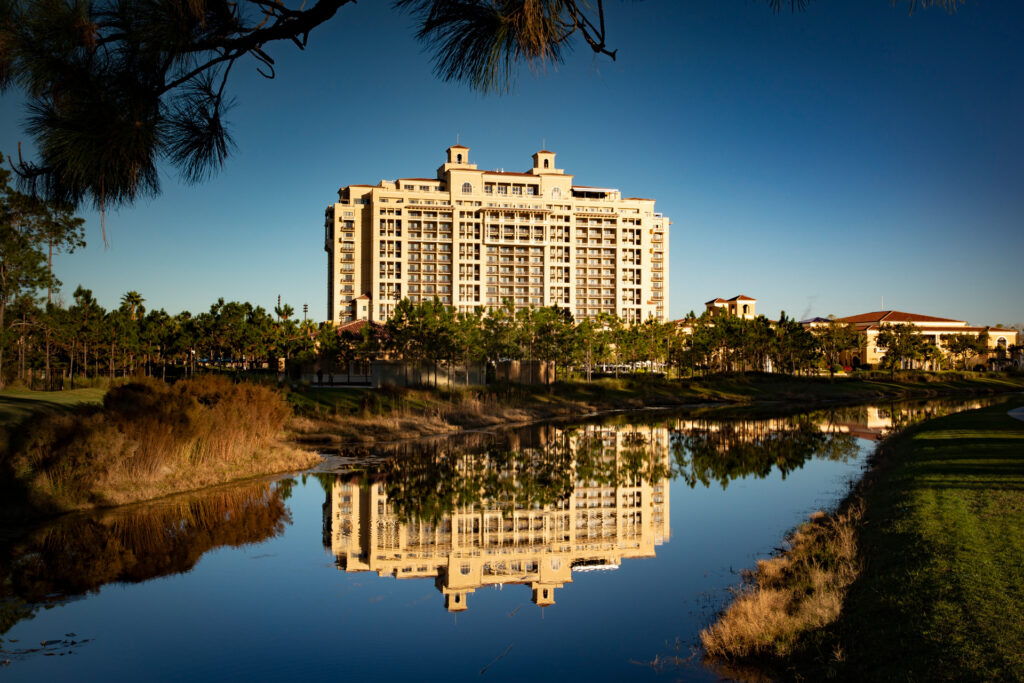
Four Seasons Orlando
The Four Seasons Resort Orlando at Walt Disney World Resort

Our hiring philosophy also plays a major role. At Four Seasons, we always say that we hire for attitude and train for skill. We look for individuals who naturally embody hospitality and service. Technical skills can always be taught, but genuine warmth, empathy, and attentiveness cannot. Once those individuals join the team, we provide extensive training to ensure they understand the Four Seasons standard and how to deliver it.

Ultimately, guests come to luxury hotels expecting high-quality facilities, food, and accommodations. What truly brings them back is how they feel during their stay. The emotional connection created by the team is what defines the Four Seasons experience.

The physical product also contributes significantly. Our resort offers a premium experience that is unique within the Orlando market. Although we are located within Walt Disney World Resort, we have created what many guests describe as an oasis away from the intensity of the parks.

The property sits on approximately 250 acres and includes features such as multiple pools, a five-acre water park with a lazy river, an adults-only pool, tennis courts, and an 18-hole golf course with a dedicated clubhouse and restaurant. We also offer six dining outlets, including Capa, our Michelin-starred Spanish steakhouse, as well as a full-service spa with 18 treatment rooms.

The service culture and the physical environment create a distinctive experience that sets the resort apart.

How does the recent $1.1 billion ownership transaction influence the resort’s long-term strategy and capital investment priorities?

We have always been fortunate to work with strong ownership partners, and our new ownership group continues that tradition. They are already familiar with the Four Seasons brand and own several luxury properties within the portfolio, so the partnership begins with a clear understanding of what makes these properties successful.

From my perspective as the property leader, a large part of my role is ensuring alignment between ownership and the Four Seasons brand. Fortunately, our new partners share a long-term vision for the property and recognize both its current success and its future potential.

The resort is currently performing at a very high level financially and operationally. We are one of the largest properties in the Four Seasons portfolio in terms of revenue and team size. Managing a property of this scale while maintaining the intimate service culture that defines the brand is one of our biggest challenges.

Our new owners understand that maintaining leadership requires continuous reinvestment. As a result, we anticipate exciting changes ahead, with enhancements to come. The goal is to ensure that the resort continues evolving while preserving the unique character that guests value.

Equally important is the investment in our people and culture. Our ownership group recognizes that long-term success depends not only on facilities but also on the team members who deliver the experience every day. Their commitment to supporting training, tools, and team development is one of the reasons I am particularly excited about this partnership.

How are shifts in luxury travel influencing the type of guests visiting the resort?

Orlando is the most visited destination in the United States, welcoming approximately 75 million visitors annually. Because of that scale, the destination supports a wide range of market segments, from midscale travel to high-end luxury experiences.

At Four Seasons Resort Orlando, our business mix has remained remarkably consistent over the years. Approximately 60% of our business comes from leisure travelers and 40% from group and corporate events. Within the leisure segment, our focus is primarily on high-net-worth families and luxury travelers.

Our  property often commands a significantly higher rate than other properties in the Orlando market, which means we must consistently demonstrate the value behind that pricing. Guests choose us because of the service, privacy, and unique environment we offer.

Four Seasons Resort Orlando at Walt Disney World Resort

One of the most rewarding trends we see is the growth of multigenerational travel. Families often visit the resort when their children are young and return years later with teenagers or even grandchildren. Over time, the property becomes part of their family tradition.

It is not uncommon for team members to recognize guests who first visited as small children and are now returning as young adults. That sense of continuity and emotional connection is extremely meaningful for both the guests and the team.

While leisure travel remains our primary segment, corporate groups and executive retreats are also an important part of the business. The key is maintaining the right balance between the two segments so that each can thrive without compromising the overall guest experience.

Four Seasons Resort Orlando at Walt Disney World Resort

How do partnerships with Disney and the broader Orlando community enhance the guest experience and economic impact of the resort?

One of the aspects I value most about Orlando is the collaborative spirit among businesses in the destination. Rather than competing aggressively with one another, many organizations work together to strengthen the region as a whole.

We maintain close relationships with Visit Orlando and with leaders across hospitality, transportation, and tourism-related industries. The shared objective is to grow the destination and ensure that Orlando remains attractive to travelers from around the world.

Our partnership with Disney is particularly special. We are the only non-Disney-owned hotel located within Walt Disney World Resort that carries the Disney name as part of our official title: Four Seasons Resort Orlando at Walt Disney World Resort.

That relationship reflects the strength of both brands. Disney recognizes the value that Four Seasons brings by attracting the highest-end segment of travelers, while we benefit from being integrated into one of the most recognized entertainment destinations in the world.

This collaboration extends into many aspects of the guest experience. For example, we offer a Disney character breakfast, which is typically exclusive to Disney-owned properties. We also have a Disney Planning Center available in the hotel to help guests organize their park visits.

In addition, the resort is located within Golden Oak, Disney’s luxury residential community, which provides a level of exclusivity and privacy that is unique in the destination.

Because both brands hold themselves to extremely high standards, the partnership creates a powerful synergy. Our team must meet not only the Four Seasons standard but also the expectations associated with Disney. That dual responsibility challenges us to continuously elevate our performance. It allows us to create experiences for guests that simply cannot be replicated elsewhere in Orlando.

Images provided by Four Seasons Resort Orlando at Walt Disney World Resort

Want more? Read the Invest: Greater Orlando report.

Spotlight On: Linda Ward, President & CEO, Gulfside Healthcare Services

Key points:

  • • Gulfside Healthcare Services expanded into Hillsborough and Pinellas counties, extending hospice and palliative care across Tampa Bay.
  • • The organization is addressing reimbursement pressures and regulatory changes across post-acute care.
  • • Workforce recruitment, retention, and service access in underserved communities remain key priorities.

Linda WardMarch 2026 — Linda Ward, president and CEO of Gulfside Healthcare Services, sat down with Invest: to discuss the organization’s strategic expansion across Tampa Bay, its commitment to underserved communities, and the evolving regulatory landscape shaping post-acute care. “Key trends in healthcare across the entire continuum, from acute to post-acute care, are increasingly focused on quality, compliance, regulatory risk mitigation, and fraud prevention. Whether you’re part of a healthcare system or a rehabilitation facility, it’s critical to stay informed about evolving regulations and understand what is expected of us,” Ward noted.

Over the past year, what significant shifts have most impacted Gulfside, and how have you adapted the organization’s strategy or operations in response?

We’ve experienced significant internal shifts here, driven by growth and change. Over the past year, we secured two certificates of need, first in Hillsborough County and most recently in Pinellas County. We’re now proudly serving the tri-county area of Tampa Bay. We are embracing the entire Tampa Bay market with our hearts, hands, expertise, love, care, concern, and compassion. While that might sound hokey, it’s truly what people want and need. They want to feel cared for and know they have consistency, continuity, compassion, and expertise, and I’m deeply passionate about delivering that.

Championing the team at Gulfside is my top priority. Everyone here is incredible. They work hard, strive for excellence, and deserve recognition for their efforts. This past year has been exhausting due to the pace of our expansion, building a new care center, opening two campuses, and converting to a new electronic health record system. These have been major undertakings.

Externally, the biggest challenge in healthcare right now is reimbursement and regulatory change. On the home health side, we’ve seen more than a 16% decrease in reimbursement over the past six years. That’s a significant hit. Even as a nonprofit, we must generate a surplus to sustain our business lines, and that’s been a struggle. However, growth in other service areas and ongoing advocacy for increased palliative care reimbursement are helping to balance things on the post-acute side of healthcare.

Economically, one of the most critical issues we’re watching is the carve-out of the Medicare Part A benefit for hospice. Hospice has been exempt from managed care reimbursement for the past 20 years, but if that carve-out ever changes, it could result in up to a 10% annualized revenue decrease. We’re always projecting for that possibility, based on the broader shifts happening in healthcare

.How is Gulfside engaging with rural and minority communities to ensure equitable access to hospice and palliative care?

Pasco County was once a predominantly rural area, and although it has become more urban over time, many communities here remain underserved. At Gulfside, we’ve been committed to serving rural populations in Pasco for decades. In my 21 years with the organization, I’ve seen firsthand that the need still exists. When patients are underserved or when gaps in care emerge, a certificate of need (CON) can be pursued to expand services. In our Hillsborough County application, we identified underserved, underinsured, and uninsured populations using a variety of indicators. We’ve since begun serving those patients and will follow the same approach in Pinellas County.

Many of these individuals live in low-income senior housing, receive subsidized home support, or reside in communities with limited access to care. Minority groups are often among the most underserved, many are unfamiliar with hospice or hold misconceptions about what it offers. That’s why education is a key part of our outreach. We’re working to help these communities understand how hospice can improve quality of life and overall health outcomes. We officially began serving Hillsborough County on Aug. 18 and currently care for about 25 patients. Our focus is on reaching rural areas and minority populations, and we’re committed to expanding access and awareness in every community we serve.

How is Gulfside approaching workforce development, training, and staff retention? 

If you had asked me two years ago, I would’ve told you we were struggling significantly with staffing. There was a high number of vacancies, and the nationwide nursing shortage, currently at 41%, continues to be a major challenge. In the Tampa Bay market, I believe the shortage still hovers around 18%. Despite that, Gulfside has built a reputation for excellence in staffing and retention. We work hard to stay competitive with salaries, but that’s just the baseline. The real question is: What can Gulfside do differently? How can we be creative and strategic in building a retention foundation that encourages people to stay and grow with us?

The community has seen our growth, and there’s a natural curiosity building. Word is getting out. That’s thanks to a unified effort across human resources, clinical leadership, operational leadership, and our public relations team. Together, we’re reaching the market through a mix of conventional and unconventional strategies. When you invest in outreach, you get results.

One initiative that has made a big impact is our biweekly in-person hiring fairs. Many organizations moved away from these events. We did too for a while, but about 18 months ago, we brought them back to help fill 30 to 50 positions in Hillsborough before opening. Since then, we’ve hired more than 100 employees in just six months. These hiring events are thoughtfully executed. Our clinical and operational leaders attend the events, greeting candidates with refreshments and warmth. HR meets with attendees and directs them to individual interviews with team leaders. It’s a full-circle experience.

We also have an exceptional recruitment team. One of our nurse recruiters is a former Army nurse, and I’ve never worked with anyone like her. She’s dynamic, compassionate, and builds lasting relationships with candidates. Some still ask about her years later. Heather’s work on the PR side has been transformative. She’s elevated our visibility through media, advertising, and strategic messaging, all while listening closely to what our team needs. It’s been a godsend. Once people experience Gulfside, once they feel the culture and the care, they want to be here. It’s a true team effort, using every communication tool at our disposal to reach the right people in the right way.

What key trends are you watching most closely right now? 

Key trends in healthcare across the entire continuum, from acute to post-acute care, are increasingly focused on quality, compliance, regulatory risk mitigation, and fraud prevention. Whether you’re part of a healthcare system or a rehabilitation facility, it’s critical to stay informed about evolving regulations and understand what is expected of us. These changes add significant operational demands.

One recent development is the HOPE Tool, which was introduced for hospices on Oct. 1. Although its implementation is currently paused due to the government shutdown, it represents a much higher standard of documentation and reporting. This tool will likely require additional staffing to meet its complex requirements. Failure to comply could result in reimbursement changes and regulatory penalties. Compliance is becoming the central theme in healthcare, especially as managed care continues to push for more efficient spending and reduced waste. This shift is one of the most impactful trends we’re all navigating, regardless of our role or setting within the industry.

As you look ahead to the next two to three years, what key priorities or goals are guiding Gulfside Healthcare Services? 

Our focus moving forward is to maximize the utilization of hospice care, remain the provider of choice in Pasco County, and become the provider of choice in Hillsborough and Pinellas counties. At the same time, we’re committed to sustaining a strong, healthy, and satisfied workforce and hope to increase retention and reduce turnover.

The past 18 months have been marked by significant expansion. Because of that, I believe it’s important not to pursue additional growth in the immediate future. This is a time for concentrated effort. We must ensure we meet all of our projected goals, adhere to budgetary guidelines, keep our units filled, and prevent other providers from entering any of our three service territories. Achieving this will require hard work, dedication, and strategic focus. We have plenty on our plate, and I believe we should hold off on further expansion for at least the next two years.

Want more? Read the Invest: Tampa Bay report.