




Key points:
- • The Houston Rodeo generates major annual economic impact, acting as a recurring driver for tourism and local business.
- • New premium experiences and programming are expanding revenue and audience reach.
- • The event supports agriculture, education, and serves as a test run for large-scale events like the 2026 World Cup.
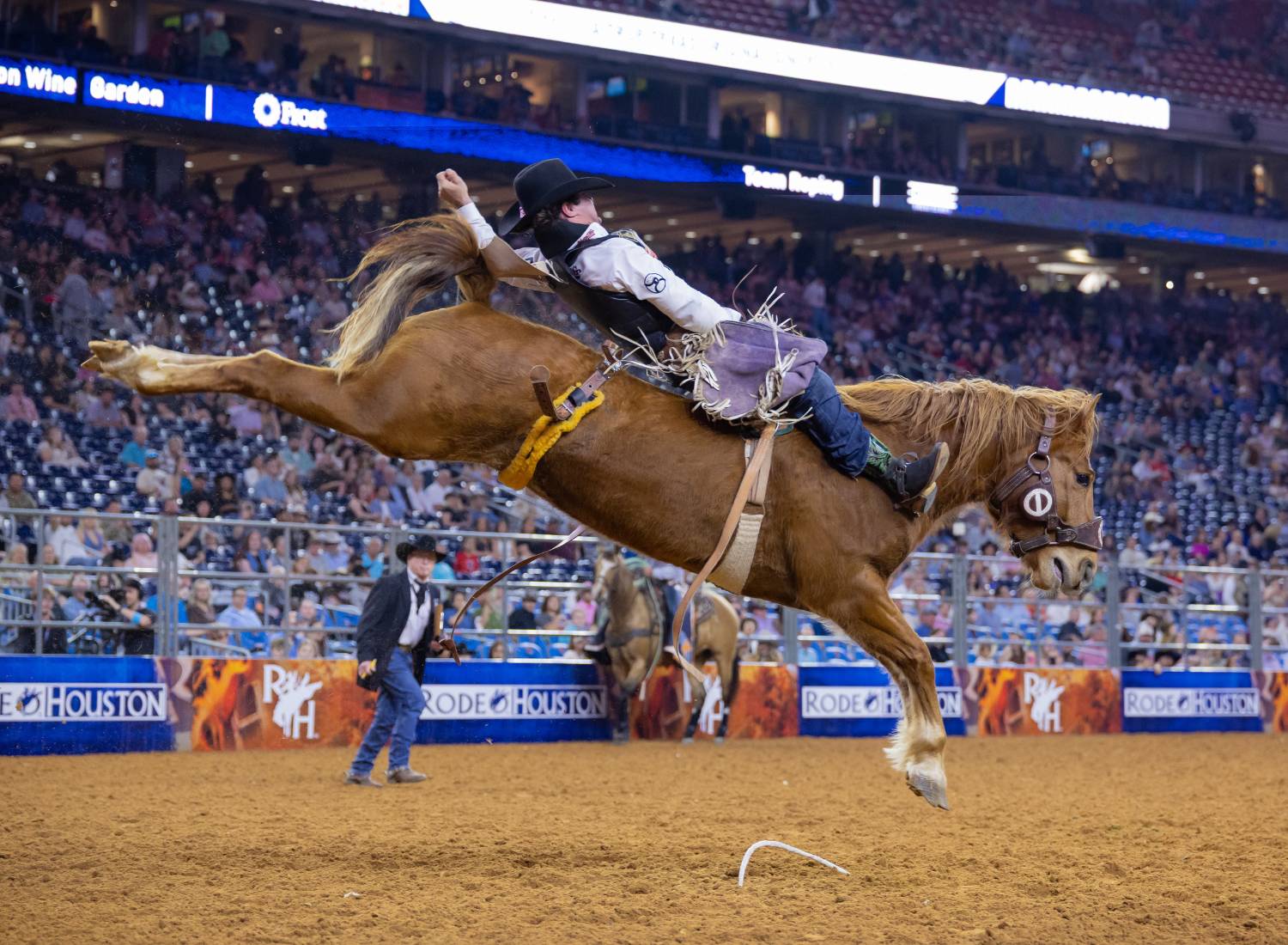 March 2026 — The Houston Livestock Show and Rodeo returns March 2–22 with new premium hospitality, a concert-only finale, and expanded programming that reinforces its role as one of Houston’s most durable economic engines.
Now in its 94th year, the 21-day event at NRG Park generated more than $597 million in annual economic activity, with $326 million in direct regional impact in 2024. Attendance surpassed 2.7 million in 2025, the highest in event history. Unlike one-time mega events such as the Super Bowl, the Rodeo delivers this scale annually.
A recurring economic platform
Major sporting events create short-term spikes. The Rodeo operates as recurring infrastructure.
Officials state the event delivers an equal or greater impact than recent marquee events hosted in Houston, including the NCAA Final Four and the College Football Playoff National Championship.
Hotels, restaurants, transportation providers, and retailers benefit from a sustained three-week demand surge. Corporate suites and sponsorship activations drive additional spending across hospitality and event services.
For NRG Park, the Rodeo remains its largest and most complex tenant. The scale reinforces Houston’s position as a national sports and entertainment hub.
Concert-only finale expands yield
Country artist Cody Johnson will headline a concert-only performance March 22. It marks the fourth concert-only event in RODEOHOUSTON history.
No rodeo competition will precede the show. Grounds attractions remain open. Johnson is the first entertainer to perform on the final night since George Strait in 2022.
The format increases programming flexibility and maximizes stadium revenue on a non-competition day. The model mirrors strategies used by major arenas seeking to optimize calendar utilization.
Premium dining signals revenue diversification
The new 1932 Cattleman’s Club introduces a high-end, full-service restaurant concept at NRG Park in partnership with Fertitta Entertainment. Located outside NRG Stadium’s east entrance, the venue offers lunch, dinner, and late-night service.
The move reflects a broader industry shift toward experiential spending. Large-scale events increasingly rely on premium food and beverage to drive per-capita revenue growth. Hospitality operators view these buildouts as long-term brand extensions beyond the event window.
Leadership transition
Kyle Olsen was named chief show operations officer, as cited in an October press release by RodeoHouston. In the new role, Olsen oversees logistics, guest services, carnival operations, and production.
The appointment comes as event operations grow more complex and security, broadcast, and experiential standards continue to rise. Olsen is replacing longtime executive Mike DeMarco, who is retiring after 34 years.
Agriculture remains the core sector tie
Beyond entertainment, the Rodeo anchors Texas’ agricultural economy.
Junior livestock auctions routinely set six-figure records. In 2025, the Grand Champion Barrow sold for $501,000. The Grand Champion Steer record stands at $1 million.
Auction proceeds flow directly to Texas 4-H and FFA exhibitors. The structure connects rural production with urban capital.
In 2026, the Rodeo will commit more than $30 million to educational initiatives, including more than $15.1 million in scholarships and more than $11.2 million to junior show exhibitors.
Since 1957, nearly 22,000 scholarships valued at more than $660 million have been awarded. More than 2,200 students currently attend 79 Texas colleges and universities on Rodeo scholarships.
The pipeline feeds institutions including Texas A&M University and Texas Tech University. Many recipients enter agriculture, energy, engineering, and veterinary sciences.
Entertainment diversification broadens market reach
Nine performers are first-time RODEOHOUSTON acts. First-time artists represent 43% of the 2026 lineup. Country performers account for 71%. Non-country artists represent 29%.
The lineup includes J Balvin and Pepe Aguilar for the third consecutive year of Latin representation. Genre expansion strengthens Houston’s international appeal.
A proving ground before the World Cup
Houston will serve as a host city for the 2026 FIFA World Cup, bringing global media, tourism and corporate investment to NRG Park and surrounding districts.
The Rodeo functions as an operational stress test.
For 20 days, NRG Park accommodates daily crowds exceeding 70,000, along with carnival traffic, corporate hospitality demand, and international visitors.
Transportation networks, public safety coordination, and hospitality operators gain live-event experience ahead of the World Cup influx.
Read more: How the 2026 FIFA World Cup Is driving infrastructure investment across US cities
Regional positioning
Houston’s economy is anchored by energy, healthcare, logistics, and advanced manufacturing. The Rodeo intersects with each.
Energy companies sponsor major event days. Hospitality groups expand premium offerings. Agricultural producers showcase livestock and genetics. Transportation networks absorb sustained visitor traffic.
The Rodeo reinforces Houston’s brand identity. It blends Western heritage with global entertainment. It channels capital into education.
As Houston prepares for the World Cup spotlight, leadership framed the event’s long-term value in the 2025 Impact Report.
“Our impact lasts far longer than just three weeks a year,” said Chris Boleman, president and CEO of the Houston Livestock Show and Rodeo, in the 2025 Impact Report.
Want more? Read the Invest: Houston report.