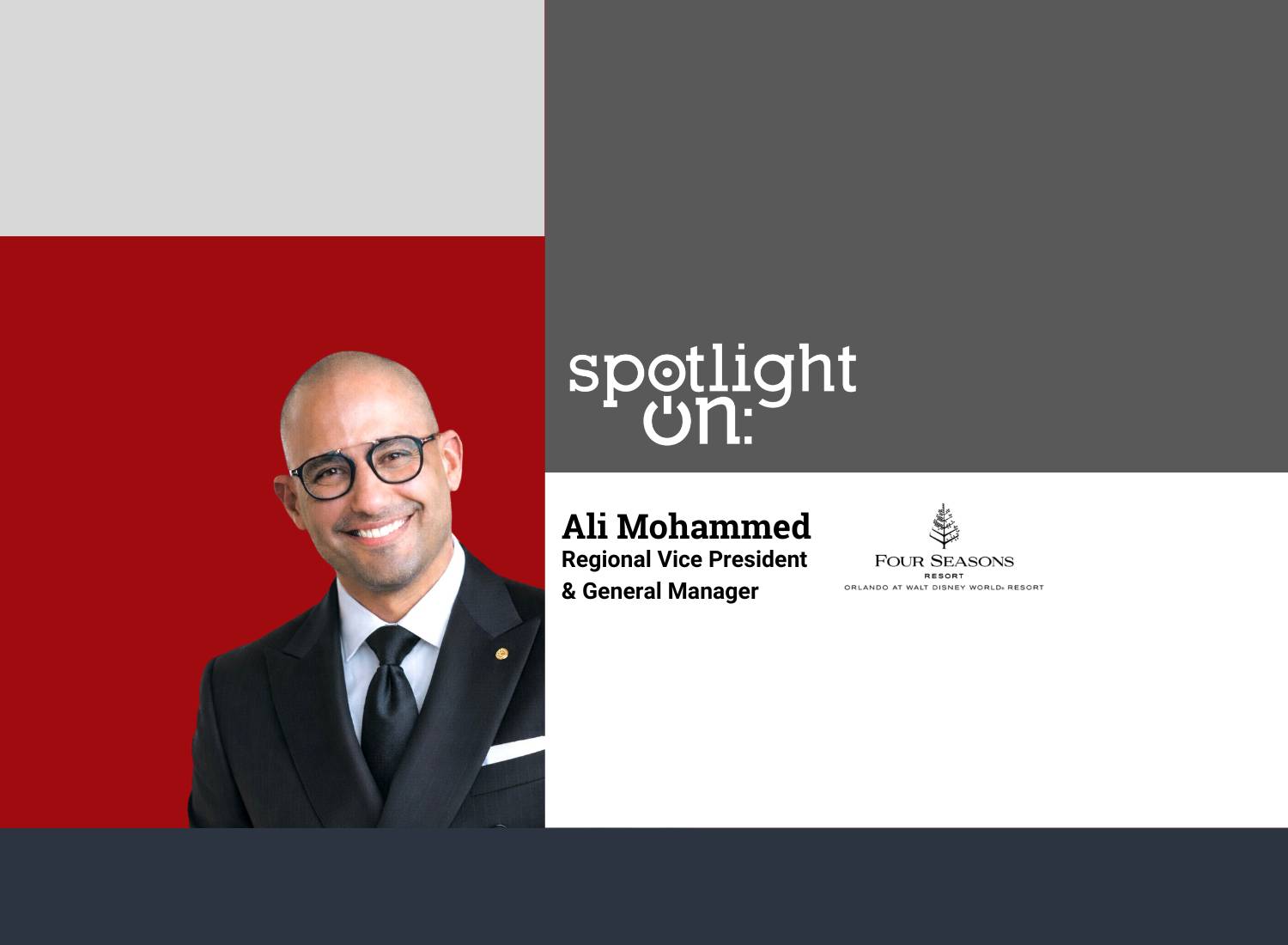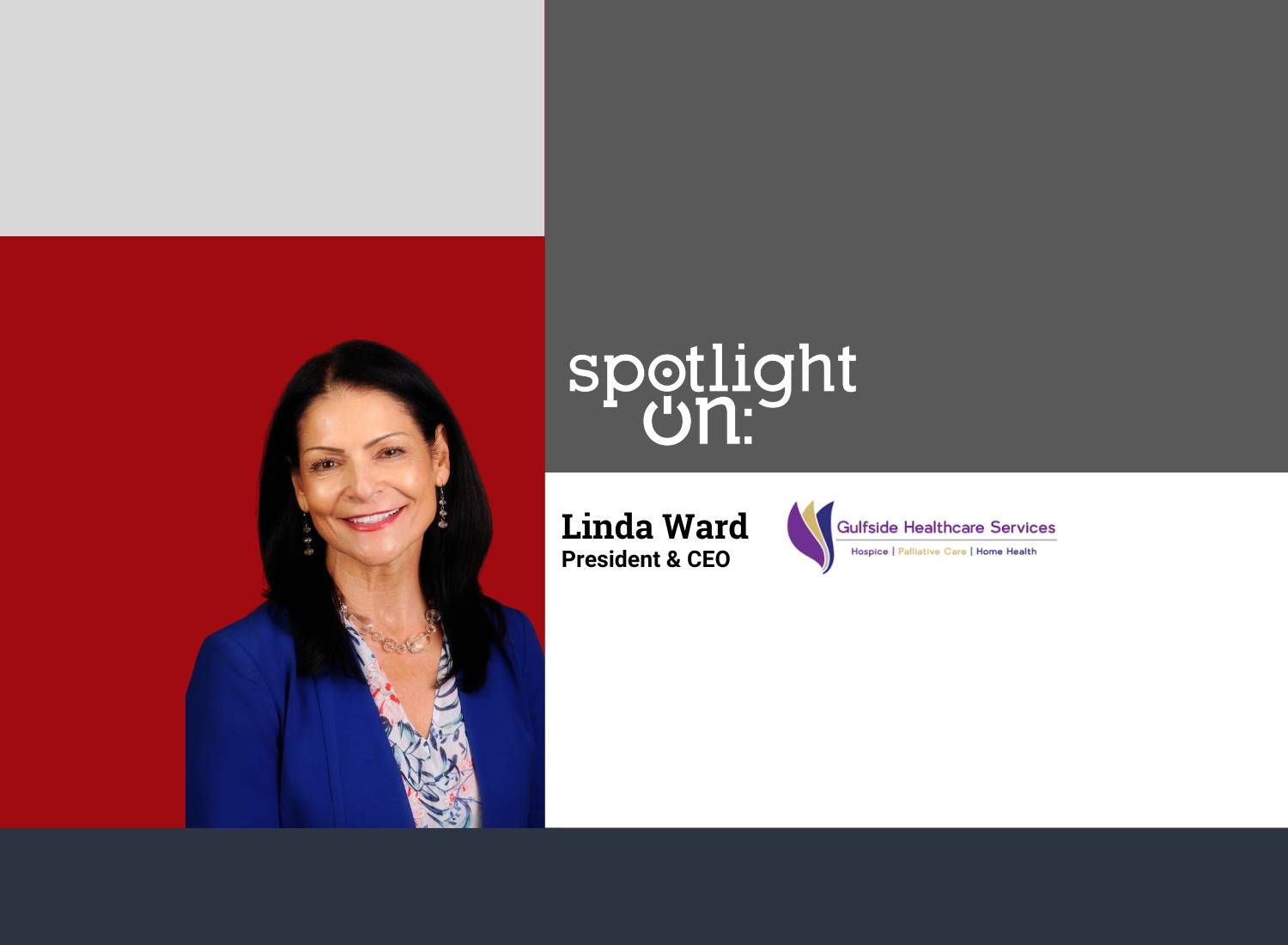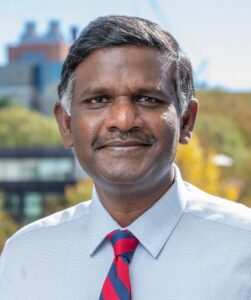





Erin Silk, President and CEO, Sarasota County EDC

Erin SilkMarch 2026 — In an interview with Invest:, Erin Silk, president and CEO of Sarasota County EDC, detailed the region’s remarkable growth and strategic initiatives fueling its economic expansion. “The outlook for Sarasota County is very strong and progressing rapidly, which is truly exciting,” Silk said. She highlighted the powerful combination of significant in-migration of talent and targeted efforts in high-potential sectors like the ocean economy, also emphasizing the uniquely collaborative local business environment as a key accelerant for innovation and partnership.

Looking back over the past year, what changes or initiatives have most shaped the EDC’s focus and strategy, and what are your main goals moving forward?

We have positive momentum in Sarasota, with an influx of new residents, including experienced founders and entrepreneurs from places like Silicon Valley. People are drawn to our quality of life, excellent schools, and higher education. This attracts expertise and industries not typically associated with Sarasota.

We launched an initiative with Mote Marine Laboratory and Aquarium, particularly its new Mote SEA education center and aquarium, which opened recently. It offers interactive labs for children, providing hands-on learning in ocean technology, marine science, and AI for every student in Sarasota and Manatee counties. This supports our ocean economy initiative, aiming to make our region the Silicon Valley of the blue economy.

Mote’s research, including coral restoration, red tide mitigation, antibiotic resistance, and cancer cell research, is licensable, and we’re working to attract companies to commercialize it locally. Mote’s redevelopment project will add 95,000 square feet of research and development space.

Additionally, our tech talent is growing, with Sarasota ranked as the fastest-growing MSA and top for 25- to 34-year-old in-migration in Florida. To harness this, we’re launching a digital tech and innovation hub next week, showcasing tech companies, funding, venture capital, and meetups to grow our ecosystem.

How do you view Sarasota County’s economic competitiveness?

LendingTree ranked the Sarasota-Manatee metropolitan statistical area as the No. 3 fastest-growing metro in the country. In the past 10 years, Sarasota County has created 6,500 new businesses, 38,000 new jobs, and added almost $10 billion in GDP growth. Our economy is on a fast track, fueled by an in-migration of talent and workforce.

The Tampa Bay Partnership ranked Sarasota County No. 1 in Florida for young professional in-migration among 25- to 34-year-olds. Hire A Helper ranked us No. 1 in the United States for net college-educated workforce. Lightcast reported us as No. 7 for talent attraction and No. 5 for high-earning job growth.

It’s an exciting time for the Tampa Bay region, with similar positive trends in Tampa and St. Petersburg. We’ve more than doubled the number of tech companies in the Sarasota-Manatee region, and average tech wages have risen from around $60,000 in 2020 to between $120,000 and $130,000. This reflects more expertise, experience, and technical jobs, which is great news for our community as it creates strong career pathways and high-paying opportunities.

How is the EDC collaborating with local partners to strengthen the talent pipeline?

Sarasota’s small-town feel fosters remarkable connectivity, allowing us to advance initiatives quickly. Most residents aren’t originally from here, bringing diverse expertise and experience from elsewhere. This makes them highly invested in our community and eager to participate and give back in ways I haven’t seen in other places.

Businesses from other regions often note Sarasota’s unique level of cooperation. For example, we recently hosted a tech and innovation event highlighting companies that launched or received investment here. Five partners — the EDC, Bridge Angel Group, CEO Forum, Suncoast Venture Studios, and Ro Brady Design — are collaborating to bring our members together. We want them to mingle, share ideas, launch projects, and invest in one another.

Sarasota lacks territorial barriers; people are open to collaboration, creating a vibrant environment for innovation and partnership.

What’s your outlook for Sarasota County’s economy over the next two to three years, and what goals and priorities will guide your approach?

The outlook for Sarasota County is very strong and progressing rapidly, which is truly exciting. We will continue to attract an educated, qualified workforce and families drawn to our exceptional quality of life. Our mission is to elevate Sarasota’s brand to major hubs like Silicon Valley and New York City, where people seek the lifestyle we offer. This vibrant momentum ensures a robust economy, as we actively promote our community’s unique appeal to those looking for a high quality of life.

Want more? Read the Invest: Tampa Bay report.

Spotlight On: Juan Laginia, General Manager, InterContinental Houston

Key points:

  • • Travel demand in Houston is balanced across leisure, business, and group segments, supporting steady hotel performance.
  • • Guests increasingly expect personalized and experiential stays rather than just accommodation.
  • • Houston’s medical center, cultural districts, and major venues continue to drive diverse travel demand.

Juan Laginia spotlight onMarch 2026 — Invest: spoke with Juan Laginia, general manager of the InterContinental Houston, about shifting traveler expectations, experiential luxury, and how Houston’s economic mix is shaping demand across leisure, business, and group segments. “Demand has been steady across leisure, business, and group travel. We are not seeing a single segment outperform while others lag. Most segments are performing well, and that balance matters because it creates a healthier, more resilient business model,” Laginia said.


Join us at caa’s upcoming leadership summits! These premier events bring together hundreds of public and private sector leaders to discuss the challenges and opportunities for businesses and investors. Find the next summit in a city near you!


Over the past year, what changes in travel demand or guest behavior have had the greatest impact on InterContinental Houston’s performance?

This past year has been a strong but disciplined period of growth for IHG as a global company, reflecting a broader recovery and maturation across the hospitality industry. What stands out is that demand has been steady across leisure, business, and group travel. We are not seeing a single segment outperform while others lag. Most segments are performing well, and that balance matters because it creates a healthier, more resilient business model.

From a company standpoint, IHG continues to strengthen its brands and expand its global footprint. That is happening through continued development and also through new brand acquisitions that broaden our portfolio and capture new consumer preferences. We also continue to see growth in key geographies, which helps reinforce IHG’s position as one of the most global hotel companies in the world.

At the same time, industry travel experts are reporting that travel volume has returned to pre-2019 levels. The difference is in how people are traveling and what they expect. Travelers are prioritizing personalization, value, and experiential travel, and that last piece is the trend with the most momentum. It is no longer just about going to Houston, New York, Los Angeles, or Miami. It is about what you will experience while you are there.

That mindset shows up in both leisure and business travel. People want the trip to feel more intentional. They want the hotel to help shape the experience, not just provide a room. And in markets like Houston, it has been encouraging to see the resurgence of domestic travel and convention demand, which strengthens performance for properties that can serve multiple segments.

How do you scale that level of personalization for guests while operating a large, high-volume luxury property?

We are proud of the transformation we have made across several areas of the hotel to adapt to what travelers value now. We completed a renovation of the hotel lobby, our Naturalist Bar, and the Club InterContinental Lounge. We also relaunched our Mediterranean restaurant called Ayla. These investments are not just about aesthetics. They are about creating spaces that help people connect to the destination and feel like their stay has meaning.

We have also taken steps that address wellness and comfort in a more targeted way. We partnered with Pure Wellness to offer an entire floor of guest rooms designed to provide an additional layer of anti-allergenic protection. The rooms include surface treatments, additional air purification, and extra filtration in the shower system to reduce exposure to chlorine or other allergens. For guests who are sensitive to allergies, or for anyone who wants an extra level of protection while traveling, those rooms offer a meaningful option.

Another initiative is the Concierge Gallery, which is a newer feature for InterContinental hotels and something we are among the first to implement. The idea is to open up a space in the lobby that serves as a point of discovery for local culture. It helps connect guests to Houston through curated recommendations and partnerships. Guests can learn about local businesses, activities, and experiences that reflect what the city actually is, not just what a list online might suggest.

That matters because personalization is not simply giving guests more choices. It is having curated, relevant options based on who the guest is and what they are trying to do. Everyone has Google. A guest can search for a restaurant and get a recommendation. But what they do not get from a search result is context.

For example, there may be a restaurant that looks perfect online, but it does not take reservations and the line can be an hour or more. If you are traveling as a couple, you might be willing to wait. If you are traveling with two hungry kids, that is not a great plan. That kind of insight is what our team can provide.

We rely on experienced staff, including a chef concierge and a broader team of insiders, to help guests make the most of the time they have. Maybe they have one breakfast with family on a business trip. Maybe they have a narrow window before a concert or a game. Our goal is to help them have the best possible experience in the time available.

Business trips do not look the same as they did ten years ago. Guests are trying to squeeze in an extra day for leisure or carve out time for a dinner or breakfast outside the business agenda. They want something for themselves. Hotels that can help connect guests to those experiences are better positioned for where travel is going.

How does the hotel’s location near the medical center, cultural districts, and major venues influence your business mix and long-term strategy?

Location is important in hospitality. When you look at a map of Houston, we are strategically located in a way that connects guests to several key parts of the city. We are close to major shopping and business districts, and we are also positioned near the port and other regional drivers that impact travel and group movement.

Most importantly, we are in the heart of the medical center area. The Texas Medical Center is the largest medical center in the world, and the amount of activity there is constant. You have hospitals, research institutions, and educational organizations operating at scale every day. There is demand from patients and families, but there is also significant demand from the business side. The medical center is a major business district by itself, and it drives travel from researchers, healthcare executives, medical device and pharmaceutical partners, educators, and trainees.

Each hospital is linked to an educational institution, so you often see teaching partnerships and training programs that bring people to Houston for extended periods. That creates a long-stay component and a steady flow of professional travel, as well as periodic surges tied to conferences, major meetings, and medical events.

But the area is about more than medical business. Within a short distance, you also have the Museum District, major universities, Hermann Park, the Houston Zoo, and major venues like NRG Stadium, which we tie into not only by proximity but by offering unique food and beverage experiences that become an extension of their event. That means a guest can come for medical or business reasons and still have easy access to cultural and entertainment experiences. For us, that expands the business mix and supports a long-term strategy built around serving multiple guest needs at once, which is increasingly what travelers want.

How is the InterContinental continuing to evaluate sustainability and update processes accordingly?

Sustainability is no longer optional. Years ago, companies might ask about green initiatives, and it was a plus if you had them, but it was not always expected. That has changed. Today, sustainability is directly aligned with guest expectations and investor expectations. At IHG, our environmental work is guided by the Journey to Tomorrow framework, which addresses carbon reduction, water stewardship, and responsible sourcing, among other priorities. For hospitality, that means being proactive about how we operate and how we contribute to long-term goals that matter to travelers, partners, and the community.

What makes you optimistic about 2026 for IHG and the industry?

Looking ahead, IHG expects continued system growth, strong conversions, and solid performance. The hospitality industry is projecting steady growth in 2026, with luxury and experiential segments outpacing other segments. In Houston, we are well positioned for moderate but steady growth supported by business travel and major sport and entertainment events.

We are seeing that people are spending money again on experiences. In the past, someone might have thought twice about a concert or a special exhibit. Now, more travelers are choosing those moments. And when you are located near venues, museums, and cultural districts, you can support that demand in a meaningful way.

Overall, we are entering the next year with strong momentum. We have a resilient platform, and we are aligned with the evolving demands of modern travelers, particularly in high-growth markets like Texas and Houston.

Want more? Read the Invest: Houston report.

Face Off: 29 corporate moves highlight Tampa Bay’s accelerating growth

Key points:

  • • Tampa Bay and Sarasota are seeing strong population growth, business relocations, and rising tech employment.
  • • Investments in AI, research, and education are strengthening the region’s innovation ecosystem.
  • • Leaders say the main challenge is managing growth, including affordability, infrastructure, and workforce needs.

Craig_Richard_Erin_Silk_face_off_Tampa_Bay_business_growthMarch 2026 — Tampa Bay’s economic base has expanded rapidly in recent years, emerging as one of the fastest-growing large metro regions in the Southeastern United States. 

The Tampa–St. Petersburg–Clearwater area now tops 5.2 million residents, with population growth outpacing national averages and projections pointing to continued expansion through 2030 — led by migration, business relocation, and job creation. In 2025, the region ranked among the leading Florida metros for private-sector job gains, with notable growth in health care, education, manufacturing, and information services. Meanwhile, Sarasota–Manatee has seen population rise by more than 14% in the past five years, alongside a sharp rise in tech employment and average wages and continued in-migration of young professionals.

Across the region, more than 29 corporate relocations or expansions were announced over the past year alone, including Geico’s announcement last March of a 190,000-square-foot three-building Tampa campus tied to 1,000 new jobs. To the south, Sarasota County has added 38,000 jobs and nearly $10 billion in GDP growth over the past decade, while ranking among the nation’s fastest-growing metros and top destinations for young professional in-migration.

As affordability, infrastructure, and workforce alignment dominate metro conversations nationwide, the region’s economic development leaders argue that Tampa Bay’s challenges are more about keeping up with growth. Craig Richard, president and CEO of the Tampa Bay Economic Development Council, and Erin Silk, president and CEO of the Sarasota County EDC, discussed with Invest: Tampa Bay on how they are translating growth into long-term competitive advantage.

What has defined the region’s economic momentum over the past year?

Craig RichardCraig_Richard_face_off_Tampa_Bay_business_growth

In spite of all the national uncertainty, we’ve had a really good year. We saw more than 29 companies announce either relocations or expansions in the Tampa area. That level of activity has generated a tremendous amount of interest from the private sector and reinforced the narrative that Tampa is a growth market.

We had some significant announcements, like GEICO committing to employ about 1,000 people in our market and leasing roughly 190,000 square feet of office space in Westshore. That’s a major lease in today’s national office environment.

Tampa is an outlier in the national economy. We are one of the few metros with single-digit office vacancy in downtown, and our job growth and GDP are still moving in the right direction. We’re bucking a lot of the national macro trends.

Erin_Silk_face_off_Tampa_Bay_business_growthErin Silk

We have positive momentum in Sarasota, with an influx of new residents, including experienced founders and entrepreneurs from places like Silicon Valley. People are drawn to our quality of life, excellent schools, and higher education.

In the past 10 years, Sarasota County has created 6,500 new businesses, 38,000 new jobs, and added almost $10 billion in GDP growth.

We’ve more than doubled the number of tech companies in the Sarasota-Manatee region, and average tech wages have risen from around $60,000 in 2020 to between $120,000 and $130,000.

How are you aligning innovation and talent to strengthen long-term competitiveness?

Richard: The whole idea behind our catalyst initiatives is to identify trends where Tampa can truly compete and where we have a clear competitive advantage. AI, digital infrastructure, and other advanced technologies are great examples.

The University of South Florida recently opened the Bellini College of Artificial Intelligence, Cybersecurity and Computing. When a nationally recognized university makes that kind of investment, it sends a strong signal that this region is serious about producing talent in the sectors that will matter for the long term.

When you combine an existing track record of successful companies with educational institutions that are investing in aligned programs, it gives us a powerful foothold.

Our education partners are not on the sidelines — they are at the table with us.

Silk: Our ocean economy initiative aims to make our region the Silicon Valley of the blue economy.

Mote’s research, including coral restoration, red tide mitigation, antibiotic resistance, and cancer cell research, is licensable, and we’re working to attract companies to commercialize it locally.

Sarasota lacks territorial barriers; people are open to collaboration, creating a vibrant environment for innovation and partnership.

What challenges must be addressed to sustain inclusive, resilient growth?

Richard: In many ways, our challenges look like those of other major metros: affordability, skills gaps, and infrastructure — both transportation and digital.

When you peel back the layers, these are growth challenges. I’ve told our leadership and anyone who will listen that I would rather have growth challenges than challenges related to decline.

Our ability to bounce back quickly showed the market that Tampa is ready for these kinds of shocks. Downtown was up and running within days — in some cases within 24 hours.

Our top priority is executing our strategic plan. This organization is known as a results-oriented organization. We get things done.

Silk: The outlook for Sarasota County is very strong and progressing rapidly, which is truly exciting.

Our mission is to elevate Sarasota’s brand to major hubs like Silicon Valley and New York City, where people seek the lifestyle we offer.

Businesses from other regions often note Sarasota’s unique level of cooperation… We want them to mingle, share ideas, launch projects, and invest in one another.

Want more? Read the Invest: Tampa Bay report.

Craig Richard, President & CEO, Tampa Bay Economic Development Council

Craig RichardMarch 2026 — In an interview with Invest:, Craig Richard, president and CEO of the Tampa Bay Economic Development Council, discussed how Tampa Bay is bucking national headwinds with strong job growth, major corporate commitments, and a clear strategy around innovation and resilience. Richard also emphasized that Tampa’s challenges are growth challenges — affordability, skills gaps, and infrastructure — rather than those of decline, and that the EDC’s mandate is execution. “This is one of the most diverse areas in the country, and making sure all of our citizens and communities have access to opportunity is a key priority,” he said.

What changes over the past year have had the biggest impact on the EDC and the region’s momentum?

In spite of all the national uncertainty, we’ve had a really good year. We saw more than 29 companies announce either relocations or expansions in the Tampa area. That level of activity has generated a tremendous amount of interest from the private sector and reinforced the narrative that Tampa is a growth market. We had some significant announcements, like GEICO committing to employ about 1,000 people in our market and leasing roughly 190,000 square feet of office space in Westshore. That’s a major lease in today’s national office environment.

On the industrial side, companies like OrderlyMeds, a pharmaceutical manufacturer, leased about 50,000 square feet and are hiring around 100 new jobs here. NXTPoint Logistics announced a 193,000-square-foot, state-of-the-art logistics center in the county. Taken together, those projects speak to the growth and momentum we are seeing. Tampa is an outlier in the national economy. We are one of the few metros with single-digit office vacancy in downtown, and our job growth and GDP are still moving in the right direction. We’re bucking a lot of the national macro trends.

How will the Future Ready Strategic Action Plan and your catalyst initiatives translate into near-term impact?

The whole idea behind our catalyst initiatives is to identify trends where Tampa can truly compete and where we have a clear competitive advantage. AI, digital infrastructure, and other advanced technologies are great examples. When you look at what’s happening locally, we are well positioned. The University of South Florida (USF), for example, recently opened the Bellini College of Artificial Intelligence, Cybersecurity and Computing. When a nationally recognized university makes that kind of investment, it sends a strong signal that this region is serious about producing talent in the sectors that will matter for the long term.

At the same time, we already have companies here that are national leaders in these spaces. ReliaQuest, OPSWAT, Rapid7 — these firms have invested heavily in Tampa and built successful operations. When you combine an existing track record of successful companies with educational institutions that are investing in aligned programs, it gives us a powerful foothold. Our plan is to lean into those strengths, help grow and expand those sectors, and make sure the EDC is out front telling that story to prospective investors.

How are you working with education and training providers to strengthen local talent pipelines?

Our education partners are not on the sidelines — they are at the table with us. Many of the leaders of our higher education institutions serve on our board and sit shoulder to shoulder with us as we decide how to position our programs for the opportunities in the marketplace. That ranges from two-year degrees and certificates at Hillsborough College to technical and advanced degrees at USF and the University of Tampa.

We work with leaders like Dr. Ken Atwater, president of Hillsborough College, to make sure programs and credentials reflect what employers actually need, whether it’s upskilling existing workers through certificates or preparing students for cutting-edge roles in AI and cybersecurity. When you have that caliber of leadership hearing directly from the EDC about where the opportunities are, and you have them adjusting curricula and offerings accordingly, it makes us much more competitive as a region.

What broader trends are you watching, and how do you balance short-term responsiveness with long-term positioning?

It really comes back to preparing talent to take advantage of the opportunities that are emerging. Innovation is key. When you look across the educational programs in our region, they put us in a strong position to respond to new trends, especially in technology. At the same time, we’ve had to confront questions around resiliency, particularly after last year’s storms. There was quite a bit of concern and hand-wringing, and understandably so.

But our ability to bounce back quickly showed the market that Tampa is ready for these kinds of shocks. Downtown was up and running within days — in some cases within 24 hours — after those storms. We know how these events work, we know how to prepare, and we’re actively hardening our infrastructure to support that resilience going forward. We also have leadership in key areas with real experience in resiliency planning. All of that is part of the long-term positioning. We want investors to see Tampa as a safe, resilient place to put capital and as a place with the talent base to support their businesses over the long haul.

What are the most pressing challenges facing the region today?

In many ways, our challenges look like those of other major metros: affordability, skills gaps, and infrastructure — both transportation and digital. When you peel back the layers, these are growth challenges. I’ve told our leadership and anyone who will listen that I would rather have growth challenges than challenges related to decline. 

That said, we cannot be complacent. We need to stay on top of these issues so they don’t become disadvantages. We have to make sure there is enough affordable housing for our workforce. We have to keep our educational institutions tightly linked with employers so we are teaching the skills that match the jobs that are actually available. And we have to invest in infrastructure, whether that’s transportation networks or the digital backbone needed to support innovation and technology, which are increasingly pervasive in every sector. Those are critical areas we have to be prepared for, and the good news is that both our elected and business leadership are very aware of them and actively engaged.

How does the EDC engage with communities, municipalities, and industry to drive inclusive, collaborative growth?

Our strategic plan is built around a three-pronged approach. The first piece is business development, which will always be at the core of what we do. The second is talent development. We know that without talent, we cannot be successful in business development. The third piece is placemaking — asking what our talent needs in order to be attracted to and stay in this community. A great sense of place is essential. That includes making sure areas that have not historically received the same level of investment as others get more attention. 

We work to help direct investment into disadvantaged communities so they, too, can benefit from economic opportunities. Inclusiveness is one of Tampa’s hallmarks. This is one of the most diverse areas in the country, and making sure all of our citizens and communities have access to opportunity is a key priority. To do that, we engage with community organizations, municipalities, and industry partners to make sure growth is not just strong, but broad-based.

What are your top priorities for the EDC and the region over the next two to three years?

Our top priority is executing our strategic plan. That’s why we call it an action plan — it’s about doing, not just planning. This organization is known as a results-oriented organization. We get things done. As we execute that plan, it calls on us to lead in some areas and to support in others. We lead where it’s necessary, and we support other organizations that are working to position Tampa as a premier business destination.

Collaboration is essential. We work closely with educational institutions, regional partners, and elected officials, and we partner on the initiatives required to move our area forward. Leadership, collaboration, and results are really the hallmarks of the EDC. That’s how we intend to keep Tampa Bay competitive, investment-ready, and moving in the right direction in the years ahead.

Want more? Read the Invest: Tampa Bay report.

Spotlight On: Mary Sol González, President & CEO, Hispanic Heritage Chamber of Commerce

Key points:

  • • The chamber is helping Hispanic-owned businesses adopt technology and prepare for new manufacturing opportunities.
  • • Entrepreneurs mainly need access to capital, information, and business support.
  • • The organization is expanding regionally and building international connections.

Mary Sol González spotlight onMarch 2026 — Invest: spoke with Mary Sol González, president and CEO of the Hispanic Heritage Chamber of Commerce, about how the organization is helping Hispanic-owned businesses embrace technology, respond to manufacturing shifts, and access new opportunities across Broward and Palm Beach counties. “We want to build a business community that is educated, that is ready, and that is well-connected.”


Join us at caa’s upcoming leadership summits! These premier events bring together hundreds of public and private sector leaders to discuss the challenges and opportunities for businesses and investors. Find the next summit in a city near you!


How would you describe the key shifts you’re seeing in the Hispanic business landscape?

I see these trends not only in the Hispanic community, but in the business community in general. The biggest shift is toward technology. AI is one of the most significant trends, and it’s also a major focus for the U.S. government. A lot of the investments being made in our communities are geared toward technology, so for us, the natural move was to support our members in becoming more qualified and confident in that space.

That’s why we are hosting our first technology summit, TechRise 2025, with panels on AI, quantum, and other tools, along with an expo featuring members who work in the technology sector. At the same time, we are graduating our first cohort of LEAP, our digital growth program. The goal is to close the digital divide by educating our members and making them more technology-ready for the opportunities ahead.

Another major trend is the movement of manufacturing back to the United States. People used to think of manufacturing as very manual, but today it’s highly technology-driven, with sophisticated systems and processes. Florida has benefited from strong economic development offices that are attracting these companies, and we work closely with them in Broward and Palm Beach counties. 

Our role is to help members with certifications, understanding the bidding process, and becoming supply chain–ready so they can respond quickly to new opportunities.

We want to build a business community that is educated, ready, and well-connected. That’s why we see ourselves as a bridge organization — connecting members, resources, and communities. It’s also why we expanded this year beyond Broward County to include Palm Beach County. There is a real need for regional collaboration, and that is where we are heading as we look to 2026 and beyond. Our digital growth cohort is also helping us create a digital community, with participants not only in our counties but also in places like Colombia and Mexico. They share a common certification and language around technology, which means the opportunities for connection are now truly borderless.

What needs or challenges are you hearing most often from entrepreneurs and small business owners across Broward and Palm Beach?

The first is access to capital. Many of our business owners need to invest in technology, in their operations, and in their own capability growth. That requires resources, so we work directly with partners like the SBA, banks, and nonprofit organizations such as Prospera that focus on business owners. A very important partnership is with JPMorgan Chase through its Coaching for Impact program, which offers one-on-one mentoring for both clients and non-clients. Through the chamber, we help connect qualified businesses to that program so they can receive education and expert guidance.

The second need is information. There are many resources available, but our members often don’t know where to find them, how to access them, or how to apply. Our partnerships with the small business and economic development organizations in Broward, led by Maribel Feliciano, and in Palm Beach County, led by Axel Miranda, are essential. Together, we help members understand how to become certified, how to do business with the county, and how to navigate opportunities with larger government entities. On our new website, we are building out a resources section to share information on grants, new businesses entering the market, supplier opportunities, and certification pathways, so members can stay informed in one place.

The third need that has emerged strongly is mental wellness among business owners. The stress they experience day after day affects not only how productive and effective they are in their operations but also their lives and families. You cannot talk about true success if you don’t at least work toward a healthier balance, even if that balance sometimes feels like a utopia. We heard many members say there are not enough hours to grow a business, care for a family, serve the community. and volunteer.

In response, we created a wellness committee to address these issues and tap into experts within our ecosystem. We have a strong partnership with Florida Blue, and we hosted our first mindfulness session at their facility. Behavioral health is not always a central focus for chambers of commerce, but we believe it has to be addressed if we want sustainable, long-term growth for our members and their teams.
Given the strong momentum in Broward County, what are your members looking for most today — expansion, collaboration, access to new markets?

We see different needs depending on the tier of membership. Among our small businesses, the priorities are access to capital, how to expand, and how to grow in a sustainable way. Many are already thinking beyond their home county because they understand that regional expansion opens up more opportunities. I’ve also noticed, especially in the last three to four months, that small businesses are forming what I like to call “little coalitions.” They are joining forces and offering bundled services so they can serve larger corporations together. It’s a smart way to grow and allows them to scale in partnership rather than in isolation.

For our larger members and corporations, I also see a strong trend toward expansion and technology adoption. They are becoming more tech-savvy, implementing new platforms, updating websites, adding chatbots, and integrating tools that allow them to communicate with clients more effectively and in real time. They also want to stay informed about the economic and political environment, which in the U.S. can change minute by minute.

To support that, we work through our Government Affairs and Economic Development Committee and maintain strong partnerships with the U.S. Hispanic Chamber of Commerce and the Florida State Hispanic Chamber of Commerce. Through those relationships, we keep our businesses informed about what’s happening and what may affect them. For example, we have an upcoming roundtable with the Federal Reserve Bank focused on economic perspectives for 2026, which is of great interest to our larger companies.

What are your top priorities for the chamber over the next few years?

Our vision for the future is very clear. We want to continue positioning ourselves, as I mentioned at the beginning, as the chamber that is the bridge between the members, the resources, and the different communities. That is how we want to be known. At the same time, we are very focused on being a technology-forward chamber of commerce. Our digital growth cohort is central to that, and we are already expanding it. In this graduating cohort, we have participants from Colombia and Mexico who took the program remotely, and we will continue to grow that digital presence.

We have also started to welcome our first international members. Through initiatives like the International Commerce Committee, we are working with businesses outside the U.S. that want to connect with our market. Our goal is twofold: to strengthen our presence in Broward and Palm Beach counties and to serve as a bridge for companies that either want to do business in the U.S. or are exploring relocation and satellite offices here.

All of this is possible because of the ecosystem we have built through our board of directors and partner organizations. Our board members come from many different countries and bring their own networks and ecosystems to the table. Economic development offices and other partners refer businesses to us — including large companies in sectors like energy that are considering relocation — and we help connect them into our community. That ecosystem is what allows us to keep expanding the chamber’s footprint while staying true to our mission of connection and inclusive growth.

Want more? Read the Invest: Greater Fort Lauderdale report.

Spotlight On: Orlando Roche, Market President, First Horizon

Key points:

  • • First Horizon combines a relationship-driven model with the scale to deliver integrated banking, wealth, and advisory services.
  • • Strong wealth, trust, and family office demand is rising in Miami as global capital and high-net-worth families relocate to South Florida.
  • • The bank is investing heavily in technology, AI, and cybersecurity while maintaining a client-focused service model.

Orlando Roche spotlight onMarch 2026 — Invest: spoke with Orlando Roche, market president of First Horizon, about how the bank combines a relationship-first model with the scale to deliver wealth, commercial, and digital capabilities across South Florida. “At the end of the day, the difference between banks is the way you service clients. Everybody has the same products, so it really comes down to the relationship and the experience,” Roche said.


Join us at caa’s upcoming leadership summits! These premier events bring together hundreds of public and private sector leaders to discuss the challenges and opportunities for businesses and investors. Find the next summit in a city near you!


How does First Horizon enhance client engagement and deliver more personalized solutions across private, business, and retail banking?

At the core, we are a relationship bank, and we’re focused on helping clients wherever they need us. One thing that makes us a little unique is our size and how we’re structured. We’re close to $85 billion in assets, so we’re approaching that $100 billion mark. At the same time, we run it much like a community bank.

In many large banks, someone in my role wouldn’t exist. I’m a market president, and the lines of business report to me. That structure makes it easier to ensure private banking, wealth management, and commercial banking work together to find the right solution for a client. In larger institutions, where everything is separated by line of business, you can end up with silos, and sometimes you don’t operate as efficiently in meeting a client’s overall needs.

We work to build the relationship, and we try to lead as thought leaders. We do financial planning and other work that adds value beyond what we sell. The goal is to understand what the client is trying to accomplish and bring the right people together to support them.

Wealth management and private banking are key offerings for First Horizon. What initiatives are underway to deepen those services?

That has been at the core of what we’ve done for a long time. We take care of companies and firms as they grow, but we also focus on the individuals behind those businesses. We have a strong wealth management offering and trust platform, and we also have a strong financial planning group that adds value, including retirement planning and long-term guidance.
We also provide family office services, and we’re seeing meaningful demand for those capabilities in Miami and South Florida. There’s been a significant amount of wealth moving into the region, and Miami has been a major destination. Early on, some of that was driven by tax considerations. Today, we’re also seeing people bring businesses and investment activity with them, which creates more complex planning needs.

Miami has always been international, but it has become more global in its mix of clients and capital. We’re seeing growth from a wide range of geographies, and that’s why we’ve continued building a model that can support multigenerational families with banking, planning, trust, and advisory needs under one roof.

How is First Horizon leveraging digital platforms, technology, and other tools to modernize banking services and improve operational efficiency for clients locally?

At the end of the day, the difference between banks is the way you service clients. Everybody has the same products, so it really comes down to the relationship and the experience.

Technology is now a major part of service. Clients want answers on their phone. They want to make transfers, access information, and manage services quickly and securely. The bank has been investing heavily in technology. In the last year, we put more than $100 million into improvements that were needed, and we’re continuing to expand those capabilities.

AI is also going to impact every industry. We see it as a tool to help us be more efficient and to provide a better quality of service. We’re using it internally in different areas, and I don’t view it as something that has to replace people. I view it as something that can make people more successful at what they do.

In a rapidly evolving financial landscape, how do you balance innovation with risk management and cybersecurity to protect clients?

It’s critical. Fraud across the banking industry is rampant, and attacks come from many directions. Technology is a major factor in protecting the bank and protecting our clients, and we’re continuing to invest to maintain strong safeguards.

But it’s not only technology. Education matters, too, because a lot of the time, the way criminals get information is through phishing and other tactics that rely on human error. Banks are hard to attack directly, so bad actors often try to attack clients instead. That’s why we spend time training and advising clients on best practices, while also strengthening our own systems and controls.

As a regional bank with the capabilities of a larger institution, how do you differentiate First Horizon from competitors?

For a bank of our size, we have a lot of expertise across a wide range of services. We can help with residential mortgages, commercial mortgages, and C&I lending, and we continue to grow our commercial business. We also have specialty groups, including asset-based lending, a franchise group, a medical group, and commercial real estate capabilities.

The key is how you deliver. Clients don’t operate in silos, and they don’t want their bank to operate that way either. A client might own a company, invest in real estate, manage liquidity, and have treasury management needs all at once. Our job is to understand the full picture and bring together the right capabilities so the client gets a coordinated solution, not a fragmented one.

Given current economic and market conditions, what are some of the major financial concerns you are hearing from business clients, and how is the bank addressing these?

There was a period where uncertainty was the dominant theme. Even experienced operators weren’t sure what the rules of engagement were, and there were questions about tariffs and how different policy outcomes could affect business decisions.

That uncertainty caused some paralysis. Clients debated whether it made sense to invest, expand facilities, or make long-term commitments when they didn’t know what the next set of conditions would look like. Over time, people started to recognize it’s a process. Something may start high, but then it gets adjusted because, at the end of the day, there’s negotiation.

As that became clearer, we started seeing activity return. I see more confidence and forward motion, even though there are still issues under the surface. Our role is to stay close to clients, help them plan through uncertainty, and structure financing and liquidity in a way that supports the opportunities they want to pursue.

How do you cultivate and retain top talent, and what cultural qualities do you see as essential for success in market leadership?

If I had to narrow it down, this business is about people. Even with technology, it comes down to having the right team. If you have the best people, you usually win.

You need to be genuine, and you need a culture that cares about associates. A lot of organizations say clients first, and clients matter, but I put associates first in every decision I make. If you care about people and your team, and you have happy associates, you’re eventually going to have happy clients.

We invest in people through training and development, and we believe in giving opportunities internally so people can grow. That matters for retention, and it’s a big reason associates have stayed with us through mergers and acquisitions. That continuity is a real differentiator.

Looking beyond the bank, what stands out to you about Miami’s evolution, and where do you see both the opportunity and the challenge?

Miami is changing fast. I was born in Cuba and came to Miami at 13, so I’ve watched the city evolve over a long period of time. It’s becoming a global city with growing influence.

With growth comes challenges. Infrastructure has to keep pace, and traffic is an obvious example. Those quality-of-life issues have to be addressed if Miami is going to sustain its momentum.

I also think it’s important to invest in the community. We spend time giving back, and that matters to us. Personally, I sit on several boards, including FIU, and education is important. I also sit on the board of Baptist, which is a major health system in South Florida. We try to give back to the community that provides a lot for us, and that’s part of responsible leadership here.

Want more? Read the Invest: Miami report.

South Florida’s electric flying taxi plans gaining momentum

Key points:

  • • Electric air taxis (eVTOLs) are being tested in South Florida as a potential solution to regional traffic congestion.
  • • Companies like Archer Aviation plan short flights linking Miami, Fort Lauderdale, Boca Raton, and West Palm Beach.
  • • While promising faster, cleaner travel, widespread adoption depends on regulatory approval and infrastructure development.
Taxis
Photo from Archer Aviation Inc.

March 2026 — Electric flying taxis are emerging as a bold potential solution to South Florida’s persistent traffic congestion and limited public transportation options. According to the Miami Herald, companies around the world are racing to bring this technology to market, and many see South Florida as an ideal testing ground. Prototypes have already been showcased in Miami for business executives and investors, highlighting sleek aircraft designs that promise to save time while moving aviation in a more climate-friendly direction.


Join us at caa’s upcoming leadership summits! These premier events bring together hundreds of public and private sector leaders to discuss the challenges and opportunities for businesses and investors. Find the next summit in a city near you!


These aircraft, known as electric vertical takeoff and landing vehicles, or eVTOLs, resemble a cross between a small jet and a drone. They use rotors for vertical lift, run entirely on batteries, and do not require runways. Designed for regional trips under 100 miles, they typically operate between 1,000 and 5,000 feet. Unlike traditional helicopters that rely on jet fuel and generate significant noise, eVTOLs are quieter and emissions-free in flight.

Manufacturers claim these aircraft could dramatically cut commute times. Trips that take 60 to 90 minutes by car could shrink to 10 to 20 minutes in the air, according to ePlane AI. A flight between Fort Lauderdale and Miami, for example, could take about 13 minutes, cruising at speeds around 150 miles per hour. Early adopters are expected to be affluent residents and business executives in Miami, with fares initially comparable to premium ride-hailing services. According to the Wall Street Journal, billionaire developer Stephen Ross is backing a plan for roughly $200 flights between Miami and nearby cities, positioning the service as competitive with luxury ground transportation but far faster.

Stephen Ross is working with aerospace company Archer Aviation to build a network of launch pads across South Florida, reflecting his belief that new mobility technology could unlock economic and real estate value in a region long burdened by gridlock.

“Our partnership with Archer marks a pivotal step in expanding South Florida’s regional connectivity through cutting-edge technology,” said Stephen Ross, CEO of Related Ross, in a press release. “We are integrating Archer’s electric vertical takeoff and landing aircraft into our flagship locations across South Florida, including the Hard Rock Stadium in Miami, Related Ross developments in West Palm Beach, and Apogee Club in Hobe Sound. We’re excited to embrace a forward-thinking vision that transforms how people and businesses move across the region.”

According to the press release, Archer Aviation has announced plans for a Miami-area air taxi network connecting Miami, Fort Lauderdale, Boca Raton, and West Palm Beach with 10 to 20-minute electric flights. The network would also link Miami International Airport, Fort Lauderdale–Hollywood International Airport, and Palm Beach International Airport, along with other regional hubs. Partnerships with Related Ross and the Magic City Innovation District aim to develop vertiport infrastructure, while Hard Rock Stadium and Apogee Golf Club could integrate their existing helipads into the system.

“Think Miami Beach all the way up to West Palm Beach. Connecting Miami, Fort Lauderdale, Boca, West Palm Beach altogether. And really try and help people get around much easier,” said Adam Goldstein, CEO of Archer Aviation, as cited by CBS News.

Florida officials are signaling support. During a mobility panel in Coral Gables, Florida, Department of Transportation District Secretary Daniel Iglesias highlighted state investment in infrastructure, including the nation’s first aerial testing facility at SunTrax in Orlando. At the federal level, an executive order directed the Federal Aviation Administration to collaborate with companies on pilot programs for flying car trials, according to the Miami Herald.

“The state of Florida is actually positioning itself to be a leader in the nation when it comes to developing this type of technology,” said Iglesias, as cited by the Miami Herald.

Still, challenges remain since eVTOLs must undergo rigorous federal certification, and questions persist about energy efficiency, environmental impact, and market scalability. While they represent a promising innovation, widespread adoption will depend on overcoming regulatory, infrastructure, and technical hurdles.

Want more? Read the Invest: Miami report.

Spotlight On: Andrew Griffin, Regional Executive, First Bank

Key points:

  • • First Bank is expanding its loan and deposit base in Charlotte, supported by strong collaboration between commercial and retail banking teams.
  • • Charlotte’s population growth and diversified economy continue to drive demand across real estate, technology, and services.
  • • The bank is investing in technology, talent development, and community engagement to support long-term regional growth.

Andrew Griffin spotlight onMarch 2026 — Invest: spoke with Andrew Griffin, regional executive at First Bank, about how the bank is scaling in Charlotte, what clients are asking for, and where talent, technology, and community investment intersect. “Our commercial bankers and our retail bankers really partner together to help our clients,” Griffin said.


Join us at caa’s upcoming leadership summits! These premier events bring together hundreds of public and private sector leaders to discuss the challenges and opportunities for businesses and investors. Find the next summit in a city near you!


Looking back on the past year, what changes, shifts, or strengths have had the greatest impact on First Bank, how you operate, and the region as a whole?

We were able to grow our loan book substantially during the past year. Here in Charlotte, we positioned ourselves as one of the few banks that were able to take care of our clients, expand certain segments of our commercial loan book, and continue identifying new, attractive, and profitable prospects. It has been a tremendous year for us and for the Charlotte region within First Bank overall.

Our net interest margin continues to expand, and we believe it will continue to improve with rate decreases, which are likely going forward. We also continue to diversify our base here in Charlotte, not only on the loan side but on the deposit side, and that is a key metric we track closely.

A big part of our success in Charlotte is how our teams work together. Our commercial bankers and our retail bankers partner together well to assist our clients. That level of collaboration is something I have not always seen elsewhere, and it is part of our winning formula at First Bank.

We are also fortunate to have experienced bankers and a high-touch customer service model. Not only were we able to retain deposits, but we were also able to grow them. Our low-cost deposit base enables us to grow our loan book and expand our net interest margin. Our Charlotte region continues to lead the way for the bank in that regard.

In 2025, we relocated our Ballantyne branch to a more visible and accessible location, which has been successful. We are also considering moving other branches to more visible sites in 2026. These investments reinforce our commitment to the Charlotte region and position First Bank as a strong, long-term player in the local banking community.

What makes Charlotte and the broader region you oversee an ideal base for First Bank’s growth strategy?

Charlotte is the economic engine of North Carolina, and I would argue it also drives much of Upstate South Carolina. At First Bank, we view Charlotte as the tip of the spear when it comes to lending. This region typically leads the bank in production and growth, which ultimately drives net income.

It is the combination of location, opportunity, and the experience of our bankers here. We have strong credit partners and a solid client mix. Those factors together make Charlotte the place where First Bank should lead in terms of growth and profitability.

How are you seeing current business sentiment among your clients across the metro area? What are they optimistic or concerned about?

Client sentiment across most industries is positive. We are fortunate to be in the Southeast and in the Charlotte market specifically. People continue moving here every day, which supports our clients, the broader economy, and both commercial and retail banking.

Key industries driving our success include real estate, technology, services, and much of manufacturing. Our clients are increasingly focused on payment solutions and treasury services, so we spend significant time investing in those areas.

On the concern side, fraud is a major issue across financial services. As money moves faster, fraud tends to follow, and we invest heavily to protect our clients and the bank.

Overall, the economy remains strong in Charlotte. We talk with our clients constantly and see their financial performance, which continues to perform well. Interest rates quickly moved higher in the recent cycle, forcing banks to adapt. We navigated that environment well and were early in seeing net interest margins stabilize and then increase again. Today, we are lending aggressively, and our balance sheet is positioned well as rates begin to move lower.

What banking products or services are clients seeking most, and how are you adapting to meet those needs?

We focus on a balance of branch presence, digital capabilities, and service enhancements. We know we are not going to outbranch the largest banks, so we are selective with locations and emphasize convenience and accessibility.

At the same time, we invest heavily in technology, including treasury services, online banking, deposit solutions, bill pay, and user experience. When paired with experienced bankers, it becomes a winning formula.

We do not shy away from complex financial situations or industries. We have the products and services to meet those needs, but more importantly, we have bankers who know how to apply them effectively.

How do you assess the banking talent pool in Charlotte, and how are you planning for the future?

It is a competitive market, but there is strong talent available. That said, the talent pool is aging, and there is a gap in the 30- to 40-year-old range, which presents challenges.

We are fortunate to attract experienced bankers with strong reputations and established books of business. At the same time, we invest heavily in internal development. We bring in analysts, expose them to the business, and evaluate who has the ability to move into banking roles over time.

We want younger team members to shadow experienced bankers and learn the business. Thoughtful succession planning benefits clients, bankers, and the institution as a whole.

Where are you focused on growing over the next few years?

We do not see major gaps in our offerings, but we are constantly enhancing them. One example is relocating our corporate commercial lockbox operations to Charlotte, which improves access and service for clients.

Beyond that, we will continue investing in technology and adding experienced bankers. That approach has worked for us, and it is how we compete and win.

What impact are you seeing from First Bank’s community and financial literacy efforts?

Community involvement is central to who we are. Many of our bankers and associates serve on local boards, and we are deeply engaged across the region.

Programs like First at Work provide financial education to employees at businesses we serve. We also maintain educational resources on budgeting, homeownership, credit, and entrepreneurship.

Our Power of Good community impact program supports education initiatives and nonprofit organizations across the Carolinas. These efforts reflect our identity as a community bank headquartered in North Carolina.

Want more? Read the Invest: Charlotte report.

Spotlight On: Richard Bryant, Founder & CEO, Capital Investment Companies

Key points:

  • • AI and new technologies are reshaping financial services, pushing middle-market firms to stay nimble and efficient.
  • • Capital Investment Companies is focusing on generational transition, mentoring younger advisers, and expanding its talent pipeline.
  • • The firm plans to grow its family office and advisory platform to capture generational wealth transfer opportunities.

Richard Bryant spotlight onMarch 2026 — In an interview with Invest:, Richard Bryant, founder and CEO of Capital Investment Companies, said that staying nimble and embracing innovation, especially around artificial intelligence, is key to remaining competitive in the middle-market financial sector. “The biggest change, which is probably the same answer you’re hearing from everyone, is artificial intelligence and how it’s impacting our business. It’s all about not getting left behind,” Bryant said.


Join us at caa’s upcoming leadership summits! These premier events bring together hundreds of public and private sector leaders to discuss the challenges and opportunities for businesses and investors. Find the next summit in a city near you!


Over the past 12 months, what have been the most significant changes for Capital Investment Companies?

The biggest change, which is probably the same answer you’re hearing from everyone, is artificial intelligence and how it’s impacting our business. It’s all about not getting left behind. That’s definitely the main thing.

Another major development is my son joining the firm. That has been a great addition for us and me, personally. Capital Investment Companies now manage over $9 billion. While that may not seem massive compared to the industry giants, it’s substantial for a middle-market player like us. To stay competitive, especially in the middle market, you need to be nimble, attentive, and consistent. I’ve been doing this for 42 years, and that adds up to a lot of days showing up and staying relevant.

We’re also getting younger, which I find energizing. I think of Capital like a puzzle that’s worked from the inside out: there are no boundaries, just continuous expansion. That puzzle is growing not only in size but in youth. Some of my senior advisers are aging out. We oversee roughly 190 brokers across 13 states, most of whom are independent. Some of them are nearing retirement, so a big part of my focus has been on passing the torch to the next generation. That transition has actually been one of the more rewarding parts of the job over the last few years.

How is Capital Investment Companies leveraging technologies like AI or data-driven platforms to streamline operations and enhance the overall client experience?

As a mid-tier firm in a rapidly evolving industry, we must be cautious not to overreact to every new tech product that comes our way, and there are a lot. I get weekly emails promoting the “next big thing” for our reps or our firm. I usually save them and review them when the time is right, especially since we have so many vendors — companies like BlackRock and First Trust — that think ahead on our behalf. We have also recently formed a Technology Committee composed of advisers, management, and compliance individuals.

I’ve realized I don’t want to be on the leading edge of innovation. The flow of new tools is relentless. Still, we’ve adopted a few technologies recently that have helped. Some of these apps can record a client meeting, transcribe it, summarize the conversation, and even flag emotional cues, such as if the client appears tense. One app can even schedule follow-ups automatically. These tools have been game-changers, especially for independent advisers without support staff. They’ve improved productivity by over 50% in some cases.

That’s crucial because in this industry, you’re expected to “know your customer,” and taking notes all day can wear you down. It’s a great business with strong earning potential, but staying sharp is essential, and IT helps us do that.

We don’t yet fully grasp where AI will ultimately take us. Markets have been booming lately, and we’re helping people take advantage of the opportunities at hand, but we also know a pullback is coming. That’s inevitable.

What has been your approach to managing the generational divide, and have you noticed any distinct differences in how the various generations operate in the workplace?

It’s almost like being a parent to these younger professionals. They definitely expect more from their jobs, their leadership, and the technology they work with. I have employees from multiple generations, and they all engage in different ways. I even have a nephew in his mid-40s who didn’t know what iTunes was for the longest time. Meanwhile, younger and older generations around him did.

We’ve developed a mentoring program with NC State University in Raleigh, and we’re bringing in interns from their College of Management. These students are bright, eager, and they want to learn. Youth is definitely being served in the Raleigh-Durham area, with schools like NC State, Duke, and UNC producing some impressive talent. Personally, I’m partial to NC State — the students from there are hard workers and don’t have the entitlement mentality that we encounter at times.

They’re also highly tech-savvy. When we bring someone in to help with our digital footprint or marketing collateral, they can execute it in no time. Meanwhile, we’re still debating to what extent we want to implement. They help to push us forward, and if you don’t listen to them, they may leave. This generation tends to “job hop” until they find something that really clicks.

However, the market’s shifting. With AI-related layoffs happening, job security is back in focus. People are holding on tighter to the jobs they have. I was shocked when I saw that Amazon laid off 14,000 people. It made me wonder, where were they even working? All we see are the delivery trucks and apps, but clearly, there’s much more behind the scenes.

It’s unsettling, especially with government layoffs too. But I remember the 2008 recession, and people found ways to land on their feet. New industries emerged out of necessity. American ingenuity always finds a way.

When it comes to Gen Z, how are you seeing them approach wealth creation and investing?

Platforms like Robinhood have empowered Gen Z to be self-sufficient investors. But that self-sufficiency only lasts until the stakes get higher. I read a stat that said nine out of 10 Americans with more than $500,000 to invest believe they’ve done — or would do — better with a financial adviser. That tells you something. Once people accumulate real wealth, they want someone else to manage it because it’s overwhelming, and they already have full-time jobs.

My younger son is a perfect example. He’s got his own trading account. He’s doing his thing. And a lot of people are, until something goes wrong. I remember during the last crash, everyone, from waiters to bartenders, had some “hot” penny stock. But when the downturn hit, many of them lost everything. That’s how it goes. Investing can feel like gambling for some, but it shouldn’t be treated that way.

The reality is that if you buy, hold, and stay disciplined, you can average 10% to 15% annually and benefit from long-term capital gains, which are taxed less. I’m seeing more of this long-term mindset emerging in younger investors now. It’s as if they’re starting to resemble their parents in their investment behaviors. When we find people like that, we try to bring them into the firm because they’re the future. 

Looking ahead two to three years, what is your vision for Capital Investment Companies, particularly in the Raleigh market?

We will continue to build out our family office offering. We already provide a wide range of services — stocks, bonds, insurance, annuities, managed money, alternative investments, real estate — you name it. But I want to better define and market our Ensemble Platform, especially for the next generation.

I’d love for our younger team members to help shape how this looks, to make it something their peers can relate to. We’re in the middle of a massive generational wealth transfer, and we need to meet that moment with a clear, compelling offering. We have access to world-class services because of our size and independence, and I want to make sure people know that.

One big challenge is public perception. Some potential clients think we’re too big for them. I’ve had people say, “I only have $500,000, so I didn’t think you’d be interested.” Well, I’ll take that any day. We need to do a better job getting the word out about who we are and who we serve. We’ll also continue leveraging technology to improve our operations and client experience. 

On a personal note, I’m focused on legacy. At 66, some people are asking if it’s time for me to retire, but I don’t think that way. My dad was active well into his 90s. I’ve spent 42 years building this company, and I want the Capital name to stay on the building. I’m not looking to cash out. I want to make it even better for my family and the team that’s helped build it.

Want more? Read the Invest: Raleigh-Durham report.

Spotlight On: Stephanie Conners, CEO & President, BayCare Health System

Key points:

  • • BayCare is expanding its academic mission and services, including proton therapy, behavioral health access, and virtual hospital care.
  • • The system is investing heavily in workforce development, residency programs, and employee well-being to address growing demand.
  • • A $2.9B growth plan aims to expand capacity and strengthen access across West Central Florida’s healthcare ecosystem.

Stephanie Conners spotlight onMarch 2026 — Invest: spoke with Stephanie Conners, CEO and president of BayCare Health System, about the system’s evolution into the region’s largest academic health system and its people-first strategy. As BayCare deploys $2.9 billion in growth capital and expands services from proton therapy to virtual hospital care, Conners is clear that the strategy starts with the workforce. “Our people are our greatest asset, and we need to ensure that we continue to invest in them, because if we invest in our people, then the care that’s delivered is truly extraordinary,” Conners said.


Join us at caa’s upcoming leadership summits! These premier events bring together hundreds of public and private sector leaders to discuss the challenges and opportunities for businesses and investors. Find the next summit in a city near you!


Over the past year, what major changes have most impacted BayCare, and in what ways?

BayCare has been very busy. We have solidified our position as the largest academic health system in West Central Florida, driven by a clear obligation to care for patients from their first breath to their last and to close gaps in access as healthcare becomes more complex. Our new partnership with Northwestern Medicine will accelerate our academic mission and our journey toward delivering the world-class care we believe this community deserves, supporting research, education, and clinical trials while elevating the level of care available close to home.

We also celebrated the arrival of the region’s first proton therapy accelerator, featuring the latest technology. No one in West Central Florida currently has access to proton therapy, and while others are exploring it, BayCare made the decision to embark on this major investment so that our patients have access to advanced cancer treatments when the accelerator goes live in spring 2026. 

Another key focus has been behavioral health. We have long been the region’s largest provider of behavioral health services because we see mental health as essential to total health, and we recently opened the first urgent care for behavioral health in Pasco County to meet people where they are. 

Finally, our commitment to safety, service, quality and cost has produced the best performance year in our 28-year history. The majority of our eligible hospitals hold Leapfrog “A” safety ratings, and we take great pride in being known for clinical excellence and high reliability.

How is BayCare attracting and developing talent, especially nurses and clinical staff, in such a competitive labor environment?

This topic is so important because our success starts and ends with our people. Our team members are our greatest asset and the heartbeat of our organization, so everything we do is built around them. I lead a team of roughly 34,000 individuals, and we are very intentional about giving every person the runway to be the best version of themselves, because when our people can work to their maximum potential, the organization achieves its maximum potential.

We invest heavily in well-being, not just for nurses but for all team members. Our vision is to be the best place to work, practice and receive care, and the many external accolades we receive as a best place to work are meaningful because they come from our people and reflect how our culture supports their ability to plan, grow and thrive here.

Tying back to our academic mission, we are also making ambitious investments in physician and clinical training. Patients come for physicians and stay for extraordinary care, so we are focused on both. We are among the fastest-growing residency programs in the country and expect to train more than 650 residents by 2029, with the clear intention of retaining as many as possible to meet the region’s future healthcare needs. We are proactively addressing physician competition by being the best place to practice and by prioritizing physician and advanced practice provider well-being. Strong physician leadership across the organization helps align our workforce strategies with the services our communities need and sustains a resilient culture in a complex environment.

What broader trends, such as behavioral health demand, value-based care, and telehealth, do you see as most influential, and how are you navigating them?

We look at care through the lens of the right place, right time, and right provider. On one end of the spectrum, our academic mission requires us to care for the sickest of the sick, manage advanced disease processes and provide the medical talent and infrastructure to support that level of care. Equally important is the care we deliver outside the hospital.

We are building a continuum that spans from quaternary care to outpatient and home-based medicine, supported by remote patient monitoring, advanced analytics and virtual interactions. We have already stood up a virtual hospital model that allows appropriate patients to remain in their homes, close to loved ones, where they can heal mentally as well as physically, while still receiving hospital-level care.

Our mission is to improve the health of all we serve, and the only way to live that mission is to provide the access our communities need. The work we are doing is not about gaining a competitive edge; it is an obligation. Many individuals and communities will never seek care in a hospital, so we need to bring care to them, where and when they need it, if we truly want healthier communities.

What are the biggest challenges BayCare is navigating today?

The changing climate in healthcare is at the core of many of our challenges. Clinically, our first priority is making sure access is available. Demand for physicians and other clinicians continues to rise, particularly in a growing state like Florida, which is why training the physicians of the future is so important. We must have talented individuals prepared to care for expanding and aging populations while navigating pressures from rising costs, insurance dynamics and workforce shortages. Even as we earn accolades as a great place to work and practice, we cannot relax our efforts to sustain that reality, because the well-being of our communities depends on the well-being of our people.

Capacity constraints across our facilities are another major factor, and we are committing about $2.9 billion in growth to close gaps in care. Those investments span the continuum and are designed to ensure that from first breath to last breath, people can access the services they need while we maintain fiscal strength. Market competition is intense, and there are many new entrants across our communities. We believe healthcare leaders have to grow in ways that are smart and grounded in community needs. BayCare contributes close to $500 million a year in community benefit programs, and we regularly conduct community health needs assessments to keep our efforts aligned with evolving priorities.

As the region continues to evolve, how are your strategic priorities evolving with it? What are your top goals for the next two to three years?

Our top priority, always, is our people, and that will be my answer 10 times out of 10. Our people are our greatest asset, and we need to ensure that we continue to invest in them, because if we invest in our people, then the care that’s delivered is truly extraordinary. When we get that right, we can deliver extraordinary care while managing smart, sustainable growth.

Strategically, we are aligning our financial planning with our growth agenda so that BayCare is as stable, or even more stable, in the future as it is today. Our pledge to invest $2.9 billion through 2030 to expand services is central to fulfilling our mission to improve the health of all we serve and to support a stable healthcare ecosystem as demand increases. We have also embarked on what we call BayCare 2.0, reflecting our status as a solely community-owned, independent health system. That structure gives us the freedom to think big, close gaps and innovate in ways that go beyond bricks and mortar.

Our 34,000 team members deliver care and live, work and play in the communities we serve. Being the largest health system in West Central Florida comes with a profound obligation: to support them as members of the BayCare family while they support our patients. Looking ahead, our focus is on aligning every effort around delivering highly compassionate care, grounded in clinical excellence. That will remain our North Star as the region and the healthcare landscape continue to evolve.

Want more? Read the Invest: Tampa Bay report.