






Spotlight On: Ashley Allen, Executive Director, Houston Community Land Trust
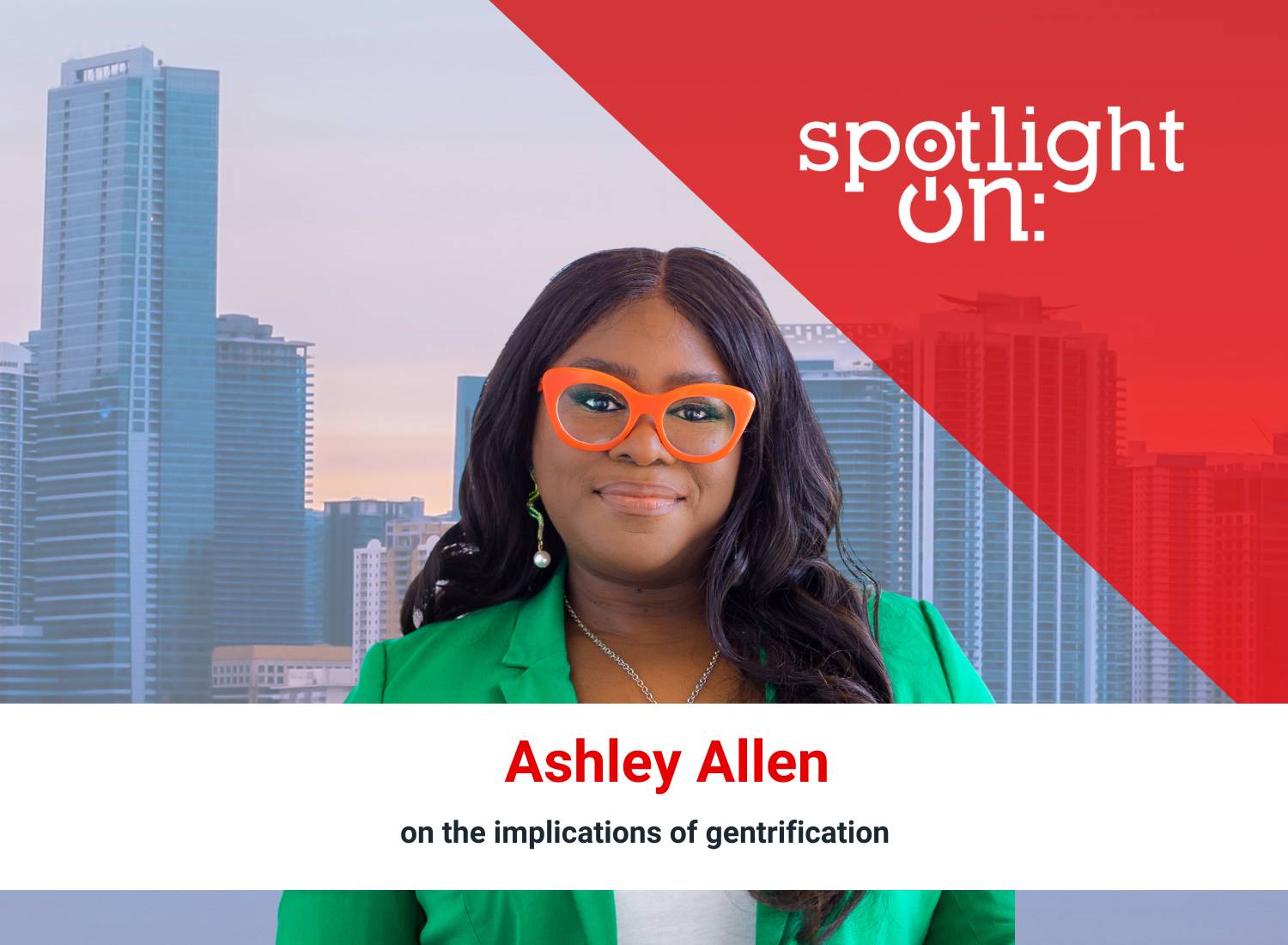 September 2025 — Ashley Allen, Executive Director of the Houston Community Land Trust, sat down with Invest: to discuss the extreme challenges the housing market has been facing regarding affordability, the implications gentrification is having on the cultural identity and affordability of neighborhoods, and how the Houston Community Land Trust is working to address these issues. “We stabilize the housing costs in a way that protects the community, as well as the individual,” Allen said.
Reflecting on these past two years, what shifts have you seen in the Houston housing market that have had the biggest impact on the Houston Community Land Trust?
We have experienced extreme challenges over the past two years with high interest rates. Affordability has become something that Houston is newly grappling with. In the past, we felt comfortable being seen as an affordable city, and we have not been proactive in protecting that affordability. Rentals and housing for purchase have been extremely high. Right now, to afford the median house price in Houston, you need to make almost $100,000 a year. Most people in Houston are not making that, and the actual median income is around $74,000. There is a huge gap between what people are earning and what they need to be earning to afford homes here.
I do not believe that we are addressing the root cause of that problem. We cannot build our way out of this affordability crisis. Putting more units on the ground will not address this issue. We have seen more permits being given to multifamilies; however, these buildings are typically for class A buildings and are not affordable for most renters. We are increasing downpayment assistance but not dealing with the affordability aspects, such as high insurance prices and high property taxes. This is where the Houston Community Land Trust comes in. We stabilize the housing costs in a way that protects the community, as well as the individual.
One of the biggest shifts we have seen with the current local administration is a focus on homelessness; however, we have a strong system that does that. The Coalition for the Homeless helps to transition individuals from encampments to more permanent housing, but that is not always helpful if, on the back end, we are creating housing systems that create more homeless individuals. We need to stabilize the housing we have to prevent people from becoming homeless. Creating extremely unaffordable housing puts people at risk of becoming homeless. We must identify the root cause of this issue and use the tools we have to address it. Houston is in a prime position because we have a community land trust, land bank, CDCs, and CRCs. We have people who know how to build quality, affordable units, but I believe we need to do a better job of using those tools and being more open to innovation.
How are you adapting your work in communities that are gentrifying to maintain affordability, cultural identity, and economic opportunities for longtime residents?
As a true community land trust, we realize the community focus model, and we believe it is important to listen to what the people are saying, so we can create programming around that. In December, we expanded to affordable rentals. We bought our first rental property, which has enabled us to support those purchasing homes, as well as address the rental crisis and help stabilize neighborhoods. Gentrification has resulted in a lot of these neighborhoods’ identities and cultures being erased. Expanding how we protect and preserve properties is key.
The community land trust model is about putting people in homes and supporting them on the back end. Making sure that the investments being put into these properties and homes are being maintained is important. Gentrification is made easier when properties are deteriorating. Speculators come in and say that they can help to revitalize the community, give a low-ball offer, and flip the properties into $500,000 townhomes that many current residents can’t afford. It is the responsibility of the Community Land Trust to maintain the quality of affordable homes while also keeping them affordable.
Another way we address this is through our preservation and rehab programs. People are losing their family homes because of the high land appreciation and rising taxes. We have worked with families that want to stay in their neighborhoods but are at risk of being displaced due to gentrification and the rapid appreciation of homes around them. Putting their homes in the Community Land Trust helps to stabilize their taxes and pass equity to their family. We want to continue to expand our rehabilitation programs so we can help more families protect their legacy.
Are there any specific policy changes that could help the Land Trust scale faster?
We are not partnering with the city at the moment, but I believe they should allow buyers to use down payment assistance through the CLT model. The taxes need to be stabilized, and there needs to be more post-purchase support so homeowners do not lose their homes when challenges arise. We need to create permanent affordability, not just longer affordability periods. The city’s programs should allow CLT eligibility to ensure long-term price stability to ensure we are not just getting people in homes but keeping them in their homes. People need more options because salaries often only grow 1% to 2% yearly, while property taxes rise by up to 10%. Chapter 42, which passed about a year ago, allows for more density and housing typologies which support affordability. The Trust plans to use it to create pocket communities with traditional aesthetics that align with neighborhood character.
Are there any upcoming projects underway for the Houston Community Land Trust?
We have been able to acquire our first rental building project and are working on two more rehabs. We are also reviewing proposals for our new small-footprint homes under Chapter 42. We aim to break ground on this by early Q1 2026. We have been partnering with Prairie View A&M’s architecture school and TSU’s urban planning students to align designs with ordinances and community needs.
Being a part of the International Center for CLT Board of Directors, are there any fresh ideas from other cities that you are hoping to integrate into Houston?
I recently attended the International Social Housing Festival in Dublin. Major European cities use CLTs as essential affordable housing tools. I would like to see Houston become more accepting of the community land trust. Texas cities like Fort Worth, Denton, San Antonio, and Dallas have recently started or are forming CLTs. Texas should have about 10 in the next year, so we are making strides statewide. The CLT model can go beyond housing to include community development: commercial spaces, third spaces, and resources for local businesses. Europe has done a good job of using the CLT for larger community development, and I would like us to do that more here in Texas.
How have partnerships been key for the Houston Community Land Trust?
Part of the Community Land Trust model is stewardship. We offer homeowner workshops on maintenance, construction, and insurance basics, among others. We partner with professionals in these areas so our homeowners are getting the information they need to be successful in homeownership. We are working on finalizing our resource guide so that our homeowners have businesses they can call when they need repairs or maintenance, so partnerships with quality contractors are vital. We welcome land donations, which can be used as a tax write-off, and we ensure that the land is used to support the community and create long-term permanent affordability. We are always actively seeking partners who can build affordably and with quality, and recognize that profitability and positive community impact can coexist.
In what ways is housing considered to be an economic imperative?
I recently saw a New York Times piece featuring 16 bipartisan mayors agreeing that housing affordability must be addressed urgently. Housing is an economic issue, not just a social one. Houston must avoid the mass workforce exits seen on the coasts by ensuring people can afford to live and work here. I truly believe that housing is a major issue in all cities, even those that are deemed “affordable.” Building more alone is not the answer. There is a need for collaboration between business and housing leaders to keep Houston competitive and livable.
For more information, please visit: