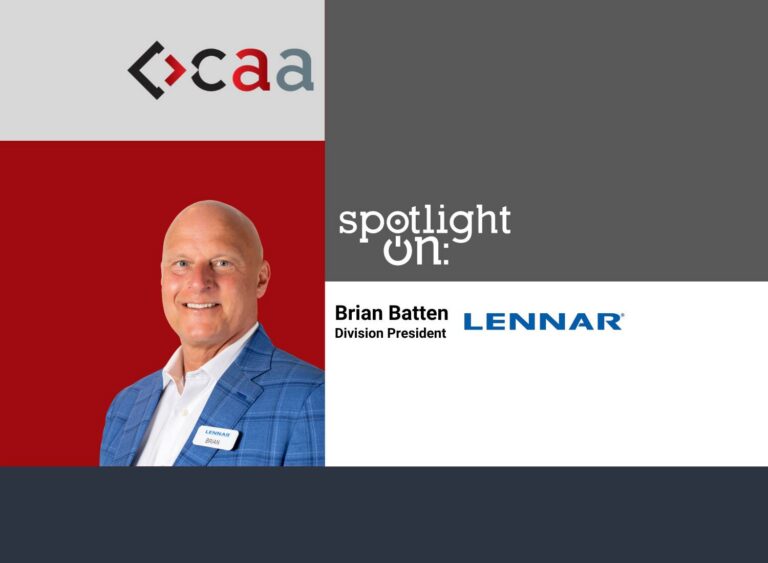




Spotlight On: Brian Batten, Division President, Lennar
Key points:
- Demand for affordable and first-time buyer homes remained strong despite rates staying higher for longer.
- Lennar leaned on volume, incentives, cost discipline, and AI to protect affordability and sustain momentum.
- High land costs and execution pressure are driving deeper alignment with sellers, trade partners, and talent.
 February 2026 — Invest: spoke with Brian Batten, division president of Lennar, about what it takes to keep delivering homes in a market defined by elevated land costs, tight affordability, and interest rates that have not provided the relief many expected. “We kept expecting rates to drop, or some kind of major shift to happen, and we really did not see that. What we did see was that demand stayed, particularly for affordable homes and for first-time homebuyers. So the demand is there, and it is real,” Batten said.
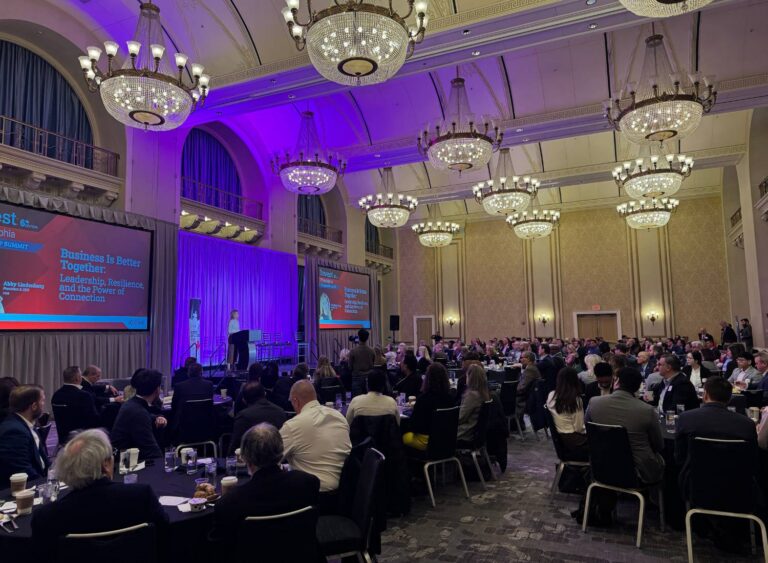
Join us at caa’s upcoming leadership summits! These premier events bring together hundreds of public and private sector leaders to discuss the challenges and opportunities for businesses and investors. Find the next summit in a city near you!
What key changes over the past year have most impacted your operations, and in what ways?
Over the past 12 months, the biggest change was that the market did not get the catalyst many people were expecting. We kept expecting rates to drop, or some kind of major shift to happen, and we really did not see that. What we did see was that demand stayed, particularly for affordable homes and for first-time homebuyers.
So the demand is there, and it is real. Early in 2025, we focused on how to capture that demand. We made a decision to push volume, keep building at our desired pace, and not revise any of our guidance in terms of what we said we were going to deliver. There was still a lot of uncertainty around rates and affordability, but we did not want to lose momentum.
With that approach, we were willing to use margin as kind of our shock absorber, as we have said as a company before. We just continued to push volume, and we were one of the few builders in Tampa, and across the country, to maintain our volume.
What recent developments or initiatives stand out for you the most in Tampa Bay, and what impact are you seeing so far?
A few things stand out, and they all connect back to affordability and execution. As a company, we have leaned into AI and technology in practical ways that support the business. We are using AI as a coaching tool for our NHCs, our new home consultants. We have also used it in marketing to make sure we are finding the right buyers and delivering a clear message about what we are offering.
At the same time, we have been offering strong incentives over the past year or two to move the needle and meet demand. The demand is there, but affordability is the issue, so the incentives have helped bridge the gap for buyers while the market works through higher-rate conditions.
Internally and externally, we have focused on cost. We have tried to go attack everything we can on a cost basis. That includes renegotiating current land opportunities we already have, renegotiating with our trade partners to lower their costs, and looking at our internal structure to see how we can get more efficient.
All of that is aimed at one outcome: getting our costs down so we can meet the affordability plea in the market. When affordability is stretched, the details matter, and we have been disciplined about pulling the right levers to keep delivering homes at a pace that matches demand.
Apart from technology and AI, what housing or consumer trends do you see most influencing in the Tampa Bay market?
Affordability is the biggest trend, and it touches everything. For the first-time homebuyer, we need to get home prices and the monthly payment down to a point where it is affordable for the majority of people.
As the economy continues to do what it does, we want to be the mainstay in the economy where people know you can always get an affordable payment. We do everything we can to make that monthly payment competitive, and ideally better than the average rental market out there.
If you can get an apartment with a deposit, first and last month, and then your monthly rent, we want to do everything we can to be in alignment with getting the monthly payment on a home to a similar level. That is what makes homeownership realistic again for people who are weighing the decision.
The value proposition of homeownership is still powerful. With a home, you get a garage, you get a yard, you get equity, and you get ownership. So the focus becomes how to make that payment work, and how to remove friction so the first-time buyer can step into that opportunity.
What are the biggest challenges facing home builders in Tampa Bay today?
Land cost is still high, and it is a constant focus. It all starts with land, so we need land sellers to contribute and come along with us. We want their pricing to be in alignment with today’s world, not five years ago during the COVID boom when prices were going through the roof. We need to bring pricing down.
That is why we meet with land sellers early and often. We want to make sure we are bringing them along in the discussions of where the market is, what we have to do to meet affordability, and what it means for pricing assumptions going forward.
We also focus heavily on alignment with trade partners. We consistently meet with our trade partners and our land sellers to make sure they hear the message often: here is where we are today, here is what we are doing this quarter and next year, and we need you to come alongside us and share in the restructuring of cost to get affordability down.
Another major priority is building the right team to execute in a challenging environment. One of the biggest wins I have had as a division president is bringing on great people to the Tampa team. We have added strong land acquisition leaders, development leaders, and sales leaders. We have built an unbelievable team in Tampa, and that matters because the market is moving fast, the cost structure is under pressure, and the ability to adapt comes down to talent and leadership.
How are you approaching talent attraction and workforce development within the Tampa division today?
This is where Lennar, and the Tampa division, stands out. We are in homebuilding, but we are in the people business. At the end of the day, we build and sell homes for people, and it all starts with the people we have at the division at every level.
I have focused on making sure the leaders around me have the same mission and the same mindset about how we operate. We do monthly goals together, business and personal. I need to know what they want to accomplish that month, business and personal, and I am there to support them in going to accomplish those things.
In turn, they have their teams, and they do business and personal goals with them as well. That creates alignment. Everybody is in alignment with what the division wants to do for the year and each month, and then we go granular to each person and ask, what do you want to accomplish this month that supports our yearly goals?
That structure strengthens leadership, improves accountability, and helps people grow with the business. When you have clarity in goals and consistent support, you build a culture where people want to stay, contribute, and develop, and that is a competitive advantage in a market like Florida.
Looking ahead, what are your key goals and priorities for Lennar’s Tampa division over the next year?
A key priority is strengthening our team and building alignment around clear targets. I just went through a first round with my team over the past week, and we set one-year and three-year goals.
We start with division goals. Our division goal is to sell and close a certain amount of homes in 2026. Our fiscal year ended at the end of November, so we are already into our new fiscal year. We also have goals for land. Here is the amount of land we want to purchase and get under contract in 2026, and here is our purchasing goal for 2026.
Then we connect that to individual growth and leadership development. For each of my team members, I want to understand their career goals for 2026, what they want to accomplish, and how I can support them in that role. It is about getting those goals in alignment with the division so we can accomplish what we need to for the company in 2026.
Want more? Read the Invest: Tampa Bay report.