

Spotlight On: Christopher Kenney, Principal, Strada
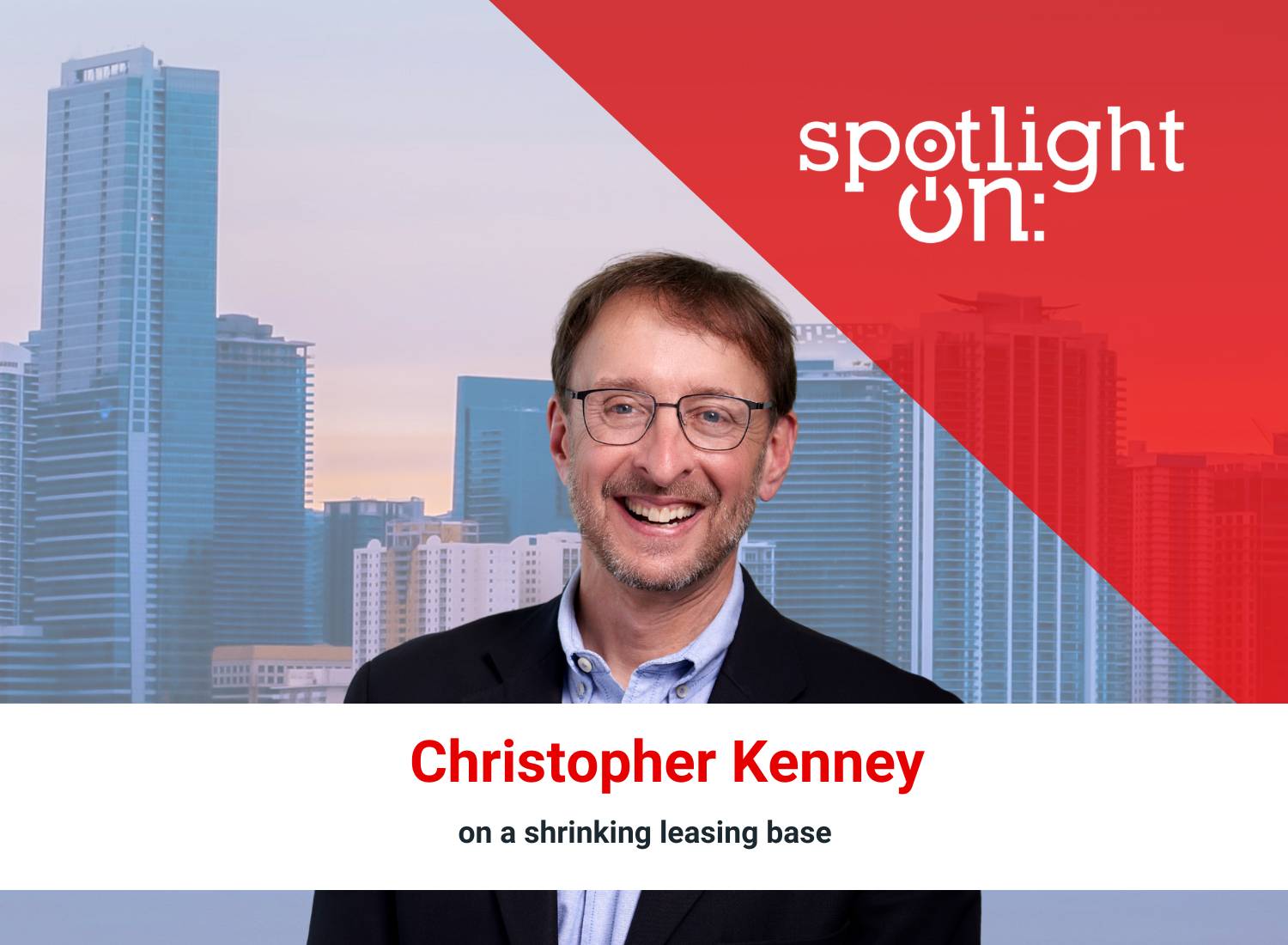 September 2025 — In an interview with Invest:, Christopher Kenney, principal at Strada, discussed how the firm is navigating uncertainty through diversification, innovation in lab and public space design, and a forward-looking approach to AI and sustainability. “We’re trying to understand the changes and get ahead of them,” Kenney said.
What types of projects does your firm focus on?
We’re a diverse company, which has helped us stay somewhat insulated from the current economic climate, though not completely. We work in life sciences, residential, adaptive reuse, preservation, and we also design for both higher education and K–12 schools. We have interior design and landscape architecture practices, and we specialize in exhibit design and other offerings. About three years ago, we opened an office in Chapel Hill and are established in that market, which still seems strong, particularly on the life sciences side.
How is Strada supporting life science startups?
A lot of our life science work focuses on the commercialization of ideas. Entrepreneurial researchers typically reach out to us when they are seeking space outside of university settings. We help them evaluate potential space, plan their new lab and office, and support them during leasing processes, and of course, we design their new space. We just completed a major lab for the Wistar Institute in Philadelphia: the new Center for Advanced Therapeutics. It’s emblematic of the kind of work we’re doing — modern, technically advanced facilities designed to support cutting-edge science.
What major trends or challenges are you seeing in commercial real estate?
The commercial real estate sector has been deeply impacted by political and economic shifts. Access to financing has become unstable, and borrowing has become more difficult. Changes in immigration policy have reduced the construction labor force, and there’s been a troubling loss of intellectual capital as scientists leave the United States or avoid coming here altogether. That’s a major challenge not just for life sciences, but for commercial real estate broadly. However, the most significant issue is a shrinking leasing base. Developers consistently report a lack of entrepreneurial scientists able to sign leases. While pharmaceutical manufacturing is still growing, space needs for research and early-stage science have dropped off sharply.
Colleges and universities are also in a transitional period. Many have recently completed large capital projects, new science centers, museums, and similar facilities. Now, with reduced federal funding and a looming demographic cliff, they’re entering a retrenchment phase. The number of students entering higher education is declining, which reduces the need for new space. We’re seeing universities focus on using their existing space more efficiently. That includes consolidating departments and reducing their physical footprints.
How are evolving technologies and demographic shifts influencing the way institutions plan and use space?
AI is reshaping how science is done. Tasks that used to require physical lab work — people at benches conducting experiments, can now often be done computationally and even “outsourced” to remote robotic facilities. This shift changes space needs dramatically. Just a few years ago, the buildings we designed were around 70% wet lab space and 30% office space. Now, clients are asking for the reverse: 40% wet lab and 60% office space, to support AI-driven experimentation. That’s a major shift in lab design and planning.
How is your firm adapting to shifting demands in the built environment and to broader economic uncertainty?
The COVID pandemic significantly accelerated the pace of office-to-residential conversions. Many office buildings that once housed a 9-to-5 workforce are being converted into housing to meet increased residential demand. We’re actively working on many of these projects. One standout example is a project we worked on for seven years: the adaptive reuse of a depression-era neo-classical power plant on the Delaware River. The developer renamed it The Battery. It’s a massive building, about 600,000 square feet, now home to apartments, an athletic facility, two hotels, offices, and a wedding venue. It’s a striking example of giving a former industrial site a new purpose. It’s a strange time. We’re trying not to be reactive. Instead, we’re working to understand the changes and get ahead of them so we can advise clients effectively. The goal is to help them position themselves for success in an environment that’s rapidly changing and inherently unstable.
What is Strada’s approach to sustainability in design and construction?
The most sustainable thing anyone can do in construction is not to build a new building. As an architect, that’s a tough thing to admit, but it’s true. Sustainability experts often say that “the most sustainable building is the one you don’t build.” Converting an existing structure for reuse has significantly less environmental impact than new construction, so from the start, that’s a positive move. Another trend we’re seeing is developer interest in all-electric buildings instead of the traditional fossil fuel-fired boiler in the basement. This is beneficial for a couple of reasons: it reduces carbon emissions at the point of use and draws power from an increasingly low-carbon grid. While the transition isn’t complete, electricity is becoming more affordable. From there, sustainability initiatives become more granular: improving building envelopes, reducing water consumption, infiltrating stormwater, and similar strategies. A lot of the residential conversion work we do involves historic properties. Projects like The Battery use historic tax credits administered by the National Park Service. That creates a balancing act. Some preservation methods, like keeping original windows or uninsulated walls, don’t align with sustainability goals. However, if too many changes are made, and historic fabric is damaged or destroyed, developers risk losing those tax credits. Lastly, sustainable design often costs somewhat more than simply producing inexpensive buildings. We’re frequently engaged in economic discussions with developers about what the right balance is for a given project.
How do you approach designing spaces that foster community and shared experience?
The name Strada reflects our urban mission. When the firm was founded, the partners chose “Strada,” meaning street, as our name to highlight our focus on the urban environment. We are especially interested in public spaces and street-level experiences, where daily life and human interaction take place. We put a strong emphasis on creating gathering places that encourage community. In a world dominated by screens, designing spaces where people can be together is more relevant than ever. The goal isn’t just aesthetic beauty, but to create environments where meaningful experiences happen, places where people can connect, celebrate, and share. This requires considering a wide range of stakeholders. We strive for a thoughtful combination of retail, hospitality, and public amenities. Making successful public spaces requires dialogue and deep engagement, with each participant contributing something valuable to the outcome.
How do you see technology impacting the architectural profession?
One major factor is AI. It’s already reshaping how we work, and its influence will only grow. AI will change not just the services we provide, but how we deliver them. Traditional contract documents will likely give way to digital models. So, we’re watching closely, trying to understand these shifts and help our clients prepare. Over time, many of the technical parts of our work will be handled by AI. That doesn’t mean we become irrelevant, but the role of the architect will change. AI is excellent at organizing, selecting, and refining information. What it struggles with is the unique creative spark — the human element that drives original ideas. That’s where we continue to have a role. We need to hold onto the human aspects of design while navigating a changing technological landscape.
What is your outlook for Strada and the industry in the next few years?
Looking ahead to the end of 2026, I expect continued turbulence. That doesn’t necessarily mean a downturn, but rather a prolonged period of uncertainty. With funding sometimes disappearing overnight, our clients in higher education and life sciences have been hit especially hard, making long-term planning very difficult. That said, the diversity of our practice helps us maintain a degree of stability. We’re not expecting rapid growth, but I do believe we’ll remain steady through this period. At the same time, it’s an opportunity to pause, reflect, and understand where the industry is heading. This is a rare moment to step back, observe the changes happening around us, and consider how to respond strategically. Instead of being caught in a constant reaction cycle, we’re taking time to think, plan, and position ourselves for the future. That includes staying attuned to industry shifts, adapting to client needs, and understanding emerging technologies. It’s about being thoughtful, forward-looking advisors, not just architects responding to requests. That’s the mindset we’re bringing to this unusual and unpredictable period.
For more information, please visit: