


Spotlight On: Jacqueline Cusack, Executive Director, Roxborough Development Corporation
Key points:
• Roxborough is managing growth through zoning and community input to preserve its small-town identity.
• Targeted commercial strategies aim to strengthen Ridge Avenue while attracting the right mix of businesses.
• Partnerships with developers, nonprofits, and public leaders are driving thoughtful, corridor-wide revitalization.
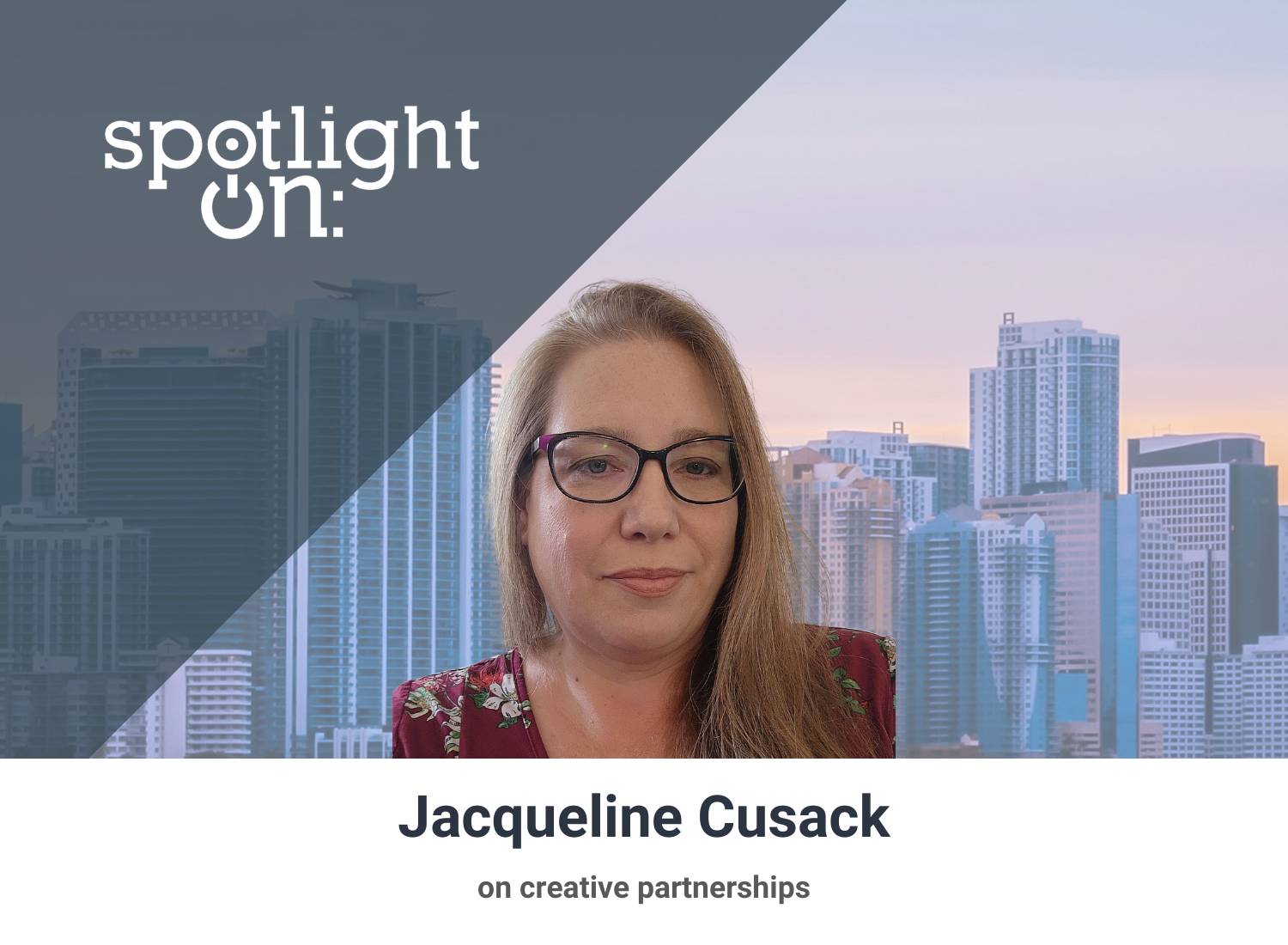 January 2026 — In an interview with Invest:, Jacqueline Cusack, executive director of the Roxborough Development Corporation, discussed the neighborhood’s identity, development priorities, and creative partnerships to support growth. “Every project we take on is aimed at strengthening the corridor while keeping the neighborhood’s identity intact,” Cusack said.
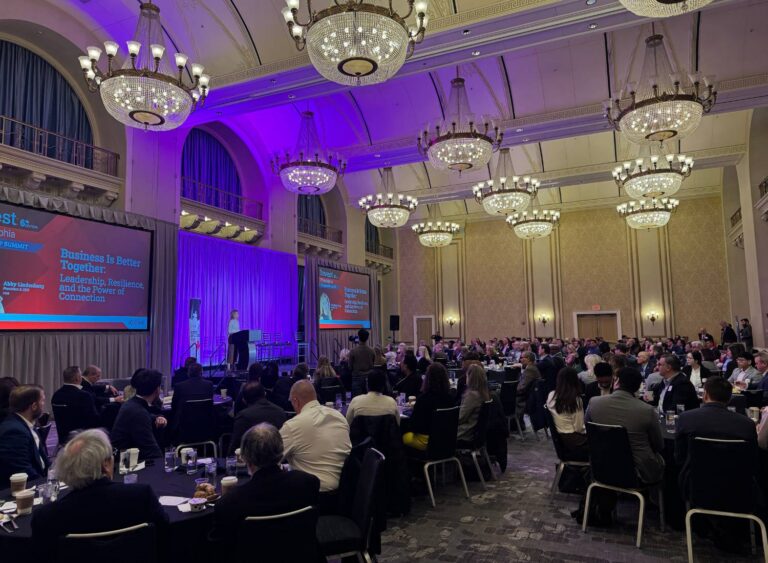
Join us at the Invest: Philadelphia 6th Edition Leadership Summit! This premier event brings together hundreds of Philadelphia’s business and regional leaders to discuss the challenges and opportunities for businesses and investors. Buy your ticket now!
What changes have had the biggest impact in the district, and how are they influencing your approach over the near term?
The biggest change in Roxborough, and likely across the city, is development. Roxborough sits in the northwest corner of Philadelphia and is one of its greenest neighborhoods. During and after 2020, many residents sought places with more space, trees, and walkability while staying within the city, and Roxborough met that need.
We’ve been working to balance new development with preserving the small-town character that defines the area. It’s the kind of neighborhood where walking two blocks can take 45 minutes because everyone stops to talk. That sense of community is a core part of Roxborough’s identity.
Some recent projects raised concerns among long-term and newer residents about the pace and type of development. In response, we collaborated with the city’s Streets and Planning Departments to create the Ridge Avenue Neighborhoods Overlay District, passed last summer. It addresses issues like parking and building height, reflecting the community’s desire for thoughtful growth.
Roxborough’s topography adds to the challenge. The neighborhood sits on an ancient ridge, so a building that appears four stories tall from the front may rise to seven stories in the back. We also introduced a Victorian Thematic District Overlay to protect the area’s many historic homes. Incorporating them into new development is welcome; tearing them down unnecessarily is not.
Our apartments remain full, showing continued demand. We still have room for growth, but we want it to be intentional and consistent with the neighborhood’s character.
How are you maintaining Roxborough’s identity while supporting commercial development?
I refer to Roxborough as a group of neighborhoods, made up of micro-districts like Wissahickon, Shawmont, and Germany Hill, each with its own identity. Part of our role is preserving that identity as development continues. We’ve changed how we talk about the area, using the term “Roxborough neighborhoods” and putting the 19128 zip code on marketing and merchandise to make it feel more inclusive.
The commercial corridor stretches 2.5 miles along a steep hill, which naturally breaks it into three zones. Few people walk the entire stretch, so we are working on wayfinding signage and strategies to help connect these areas.
Another focus is helping property owners attract the right types of businesses. We have many breakfast and lunch spots, but most close by 3 p.m. Only a few restaurants stay open past 4 p.m., limiting evening foot traffic. Without that, it is hard to support other types of retail. On top of that, many buildings are not set up for restaurants. They lack gas lines and appropriate plumbing. To address this, we are working with developers to include restaurant-ready spaces in new buildings. One recent project committed to preparing two retail spaces for food service, which is a significant step.
Every project we take on is aimed at strengthening the corridor while keeping the neighborhood’s identity intact.
What makes Roxborough an appealing place for developers or investors compared to other parts of Philadelphia?
Our zoning overlay has made it harder to do by-right construction, but that doesn’t mean we’re against development. It just means we want it done well.
When developers approach us, I explain that RDC is not the only stakeholder. The Ridge Avenue overlay was created through collaboration with five registered community organizations, which include both longtime and newer residents. If a project needs a variance or falls outside existing zoning, we encourage developers to engage with the community. Residents are not unreasonable; they want to be part of the process and see developments that reflect their values.
My job is to make sure developers stay at the table and connect with the right people to get things done. A great example is the project at 6174 Ridge Avenue. Their by-right plan would have interfered with our pocket park. But because they came to us early, we found a compromise. We lost one mural but are gaining two new ones. The courtyard is expanding, and the new retail will feature 14-foot windows.
Roxborough’s smaller buildings and uneven terrain often result in sub-grade windows. Taller, more visible storefronts are key to attracting strong tenants. We tell developers to come with an open mind. The community isn’t blocking development. It’s asking for projects that serve real needs.
How are you approaching partnerships to strengthen the district?
My approach has been shaped by my background and long-standing network in Philadelphia. I worked in this space in 2014, left for the beer industry, and returned to find the Philadelphia BID Alliance had formed during COVID. It now brings together all 16 BIDs and city officials twice a month to share resources and recommend vendors, which improves coordination and advocacy.
I’ve also strengthened our board by recruiting members who can actively support our goals. When I found out a Pennsylvania Restaurant and Lodging Association executive lived nearby, I reached out. They joined the board and have helped restaurants navigate permitting and health regulations while also assisting with recruitment.
I’ve been going to less traditional networking events, like industry happy hours, to meet restaurateurs and promote Ridge Avenue. We need more restaurants, but the ones we have are strong. One brewery has been featured on the Food Network and recognized by the Great American Beer Festival. A local Tibetan restaurant has been James Beard–nominated and may soon earn Michelin recognition. Still, the area often flies under the radar, so raising visibility is part of the work.
We’re lucky to have engaged city and state leaders. Councilmember Curtis Jones Jr. is a great supporter of our beautification and infrastructure projects and his chief of staff is on our board and helps navigate city processes. State Representative Tarik Khan is a strong advocate for Roxborough and Northwest Philadelphia. Partnering with them, along with chambers of commerce, and business organizations, has been key to RDC’s momentum.
Looking ahead, what are your top priorities for the next three to five years?
We’ve divided the corridor into three sections: upper, central, and lower. Most of our current focus is on the central district, which has the highest concentration of foot traffic. The upper section is more car-centric, while the lower is more dispersed, with businesses appearing in clusters.
We’re working to extend central’s momentum outward. One early move was bringing our cleaning team in-house, which saved money and allowed us to add staff. Maintaining a 2.5-mile corridor, especially in fall with heavy leaf accumulation, requires consistent attention. We’re also expanding our beautification program and planning staggered capital investments, with a central project in 2025 and a lower section project in 2026. With 2026 being a major year both locally and nationally, we’re preparing for that now.
A continuing challenge is securing funding beyond assessments. As more BIDs form, competition for limited grants increases. Rising median incomes from development can also impact eligibility. We are pursuing the Main Street Matters designation for Ridge Avenue, which would bring added resources and allow us to hire a corridor manager to support all three sections.
We are also coordinating with the city and state on infrastructure improvements, since Ridge Avenue is a state road. Pedestrian and bicycle safety is a high priority. The corridor is nearly classified as a high-injury network, with narrow streets and heavy truck traffic. Balancing those needs is essential.
We’re also updating our strategic plan and returning to RDC’s roots as a community development corporation. That means deepening relationships with neighborhood institutions and nonprofits.
We get frequent requests for donations and sponsorships and want to offer sustainable support. Much of our outreach happens through festivals, which we aim to keep net neutral, so they don’t rely on BID or real estate funds. This year, we fiscally sponsored another organization for the first time, setting aside part of our event sponsorships for their use. That came from our event budget, not our general fund. We hope to turn that into a recurring program to support more nonprofits in the future.
Want more? Read the Invest: Philadelphia report.
Subscribe to Our Newsletters
"*" indicates required fields