






Tampa Bay’s deep dive into the blue economy

 November 2025 — With a coastline spanning more than 400 square miles and a maritime legacy that runs deep, Tampa Bay is turning its waterfront into a launchpad for innovation, commerce, and global connection.
Join us at caa’s upcoming leadership summits! These premier events bring together hundreds of public and private sector leaders to discuss the challenges and opportunities for businesses and investors. Find the next summit in a city near you!
The ocean economy — also referred to as the blue economy — includes maritime transport, ship-building, container logistics, marine science, coastal tourism, and related technologies. In Florida, this sector supports wages in the tens of billions of dollars and hundreds of thousands of jobs. In Tampa Bay, the mix of a major diversified port, robust research institutions, and growing innovation clusters creates a distinctive advantage.
At the heart of the region’s transformation is Port Tampa Bay. In October 2025, the port confirmed that the project to deepen the main 42-mile channel from 43 feet to 47 feet and widen to 500 feet is moving into design and preconstruction engineering, with full construction anticipated in FY28.
“We are going to make 60 additional acres of land that didn’t exist before that can be future berths and terminals to bring in more cargo … It’s super exciting,” Port Tampa Bay Vice President of Engineering Patrick Blair said, as cited by Spectrum News.
The economic implications are far-reaching, from larger vessels and cargo throughput to stronger logistics linkages and a competitive edge in global shipping.
“The deepening of Port Tampa Bay’s shipping channels will bring prosperity, jobs and a positive economic impact to our region, all while having a limited environmental impact. A deeper shipping channel helps to strengthen the domestic supply chain and increases our global competitiveness. This is a moment of celebration for the port, our maritime community and partners and Tampa Bay as a whole,” said Paul Anderson, President & CEO of Port Tampa Bay, as cited by the U.S. Army Corps of Engineers.
Beyond cargo and logistics, Tampa Bay is also emerging as a hub for marine science, technology, and coastal enterprise. The region’s concentration of research talent and innovation supports next-generation activity — from ocean sensor systems and data analytics to marine robotics and advanced port operations.
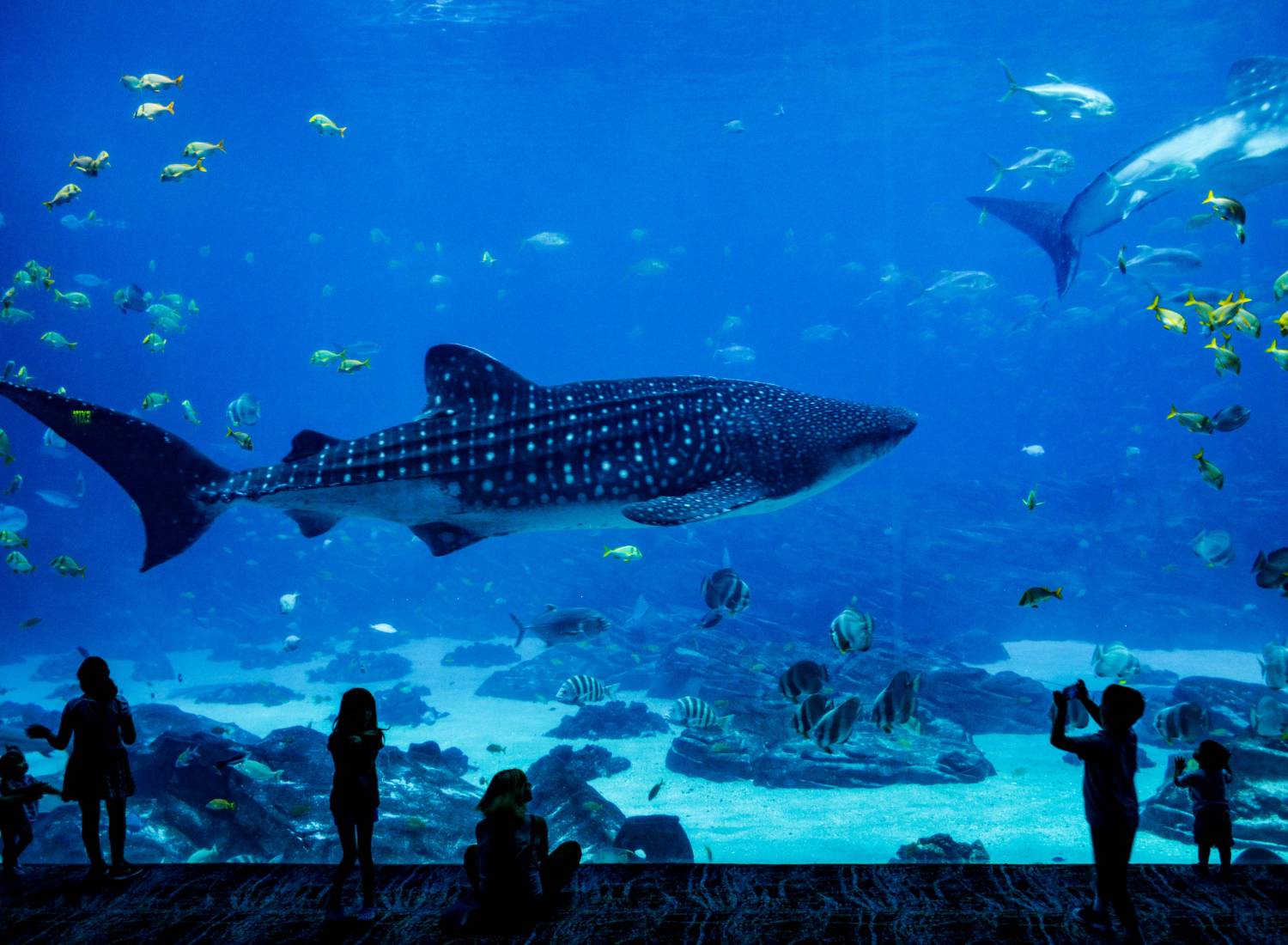
One local anchor institution is the Florida Aquarium in Tampa’s downtown, which presents itself as much more than a visitor attraction. Through its Coral Conservation Program and Apollo Beach Conservation Campus, the aquarium collaborates with the University of South Florida’s College of Marine Science and the University of Florida’s Institute of Food and Agricultural Sciences (UF/IFAS) on coral research, reef restoration, and educational outreach. These partnerships reflect Tampa Bay’s growing role as a center for applied marine science and innovation.
Further expanding the region’s marine science presence, the new Mote Science Education Aquarium (Mote SEA) opened in Sarasota in October 2025, marking one of the most significant investments in ocean research and public education on Florida’s Gulf Coast. The $130 million, 146,000-square-foot facility, located at Nathan Benderson Park, is designed to connect the public directly with cutting-edge marine science conducted by the Mote Marine Laboratory.
The aquarium features advanced exhibits on ocean ecosystems, marine robotics, and coral restoration, and it serves as a living laboratory linking Mote’s scientists with visitors, students, and industry partners.
“We wanted to create more than a place to see marine life, we wanted to ignite curiosity, inspire creations and celebrate the power of science. We are all here today to celebrate achieving this vision together.” said Michael Crosby, president and CEO of Mote Marine Laboratory & Aquarium, as cited by WWSB.
The opening strengthens Tampa Bay’s broader blue-economy corridor, connecting research, education, and innovation along Florida’s west coast.
Want more? Read the Invest: Tampa Bay report.
Subscribe to Our Newsletters