
Spotlight On: Dana Markham, Principal, Pine Crest School
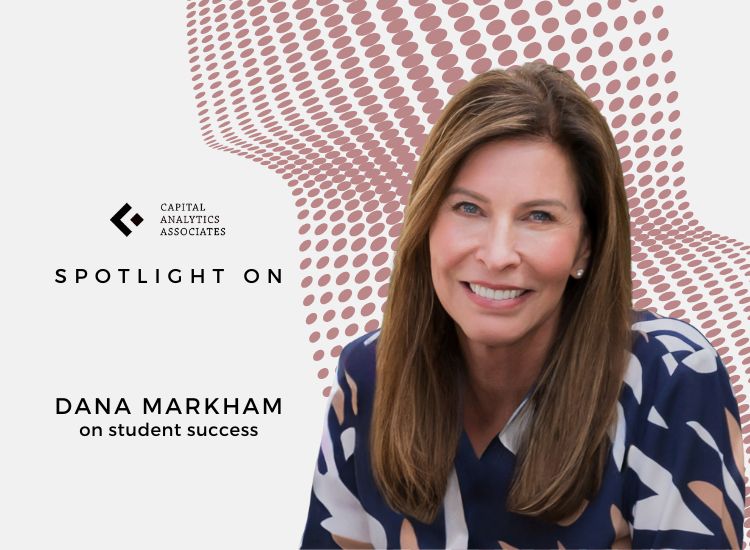 January 2025 — In an interview with Invest:, President Dana Markham shared the recent innovations spearheaded by Pine Crest School to invest in the success of their students. She described how Pine Crest focuses on modernizing their academic programs, not only to adjust to the rapidly changing labor landscape, but also to ensure the continued success and growth of the communities within Greater Fort Lauderdale.
Could you describe a few milestones achieved by Pine Crest School?
We are now in our 90th year of education with 2,704 students across two campuses. Our Boca Raton campus serves students in pre-kindergarten through grade eight, and our Fort Lauderdale campus services students in pre-kindergarten through twelve. We have 200 teachers holding advanced degrees and 660 employees overall, with over 10,000 alumni worldwide, around 2,000 of which live and work in Broward County. Pine Crest has a $94 million endowment to support faculty recruitment, retention, and financial aid, and we give over $9 million to financial and inclusion aid, which is important for our families who demonstrate need.
We focus intently on financial aid and inclusion aid, as well as competitive, application-based high school programs in science research, social entrepreneurship, and talented writers. Our PreK-12 programs include computer science, innovation, and social-emotional curriculum. We’re pioneering research collaborations with the University of Chicago and the London School of Economics. Currently, we are also formalizing an entrepreneurial curriculum from PreK-12, and our program is unique for starting education that early. We’ve incorporated AI and virtual reality in each grade’s computer science curriculum and intend to expand our research university partnerships, both domestically and internationally.
Last year was highly positive in many aspects — our teachers and faculty were incredibly creative, and we saw great achievements and advancements. Interest from both prospective faculty and families was high. One result of Florida’s population boom is a rise in private school enrollment. Broward County private school numbers have increased from 15% to 16.2%, a trend that is stronger here than in other states, and we expect this growth to continue.
Could you expand on Pine Crest’s commitment to innovation and modernizing curriculum?
Over time our leadership has discussed how Pre-K children need to be prepared for their world 14 years from now when they graduate. This realization led us to create the Innovation Labs (iLabs), where we developed curriculum and staff focused on emerging leadership by allowing students to discover their strengths and develop their own identities.
Like in the Apollo 13 movie, where astronauts had to use available materials to solve a problem, educators should provide the tools and opportunities for students to create solutions to challenges instead of relying on textbooks. We emphasize learning processes by encouraging students to “fail forward” and act fearlessly. In addition to hiring staff dedicated to the iLabs, we’ve also trained our teachers to use this approach. Over the past five years, our entrepreneurial program and partnerships have expanded. Four of us traveled to London to explore how schools there approach similar curricular goals. We are partnering with highly respected institutions such as the London School of Economics to bring authentic, global experiences to our students. We have also integrated AI and VR into our classrooms, and for months, many of our teachers have engaged in professional development to incorporate the technology into their lessons.
How is the school adapting to meet students’ mental health and wellness needs?
One aspect we do differently is that we avoid publicizing where students are going to college. Each student knows we are proud of them no matter which school they attend after Pine Crest. We celebrate those who achieve accolades such as National Merit and acceptance into elite colleges just as those who choose different colleges and universities that best fit their passions and talents. This is an example of how we approach our social-emotional curriculum. We have strengthened our counseling program, expanded outreach, hosted parenting sessions and organized book reads for parents and staff. Pine Crest is committed to not growing the school beyond a size where we can intentionally get to know all our students. We can better support our students when we know them individually and invest time in each of them.
The pandemic reaffirmed the importance of collaboration; many of our brilliant colleagues connected more during COVID and still do. There are several Florida Council of Independent Schools (FCIS) member schools in this area, and we work very well together. I am blessed to work alongside such trusted colleagues. Our mission is larger than any one person: we are all raising children together. We consistently reaffirm our dedication to social and emotional well-being, and this comes from likeminded school heads who want to make the world a better place.
Are there any challenges with balancing innovative, individualized approaches with traditional education methods?
We’re constantly looking ahead to what our students will need in the future, especially with the rise of robotics and AI transforming the job market. We focus on developing skills that can’t be automated and help students navigate an uncertain educational landscape. The global labor market is undergoing transformation, and it’s critical to prepare children for well-paying jobs that will improve their quality of life.
One future jobs report from 2024 projects that a quarter of global jobs will change by 2027. Given these shifts, how do we make our students competitive? In the classroom, we create opportunities for resilient conversations and teach students how to build the future job market. They need to be adaptable, understand coding and AI, engage in virtual discussions, and develop global sensitivity and awareness. We’re also considering the roles of emerging fields like cyberpsychology and space tourism. With companies like Blue Origin and SpaceX, these roles already exist. How do we educate students for such careers? College enrollment for education degrees is dropping, and Pine Crest must also compete to attract talented faculty. The rising cost of living in South Florida has made recruiting even more challenging, with groceries and housing costs continuing to increase. To mitigate this, one of our strategies has involved offering housing to attract faculty who are relocating to the area.
What strategies have been effective in ensuring financial aid remains accessible for a diverse range of families?
Traditionally, financial aid in most schools only covers tuition. About 10-12 years ago, we began rethinking what it means to be a Pine Crest student. It’s more than just tuition; we introduced inclusion aid to ensure students can participate in all activities like dance, football, after-school clubs and field trips. Inclusion aid also supports after-school care, extended day programs and covers additional costs like dance shoes and uniforms. This approach helps all students, particularly those on financial aid, fully engage in the school experience.
What are your top priorities for Pine Crest over the next few years?
My role is to take care of people. I make sure our teachers, faculty and staff are successful, feel good about themselves, and are given the tools they need to succeed in the classroom. Every decision can be tied back to our mission to focus on what is best for our students. We are closely monitoring how to continue recruiting talent amid the rising cost of living in Florida. It’s essential to protect the middle class so that the entire community thrives, including our teachers, nurses, firefighters, and service industry workers. We are committed to investing in South Florida and contributing to something greater than ourselves.
For more information, please visit: