
Spotlight On: Phil Dingle, Managing Partner, HealthEdge Investment Partners
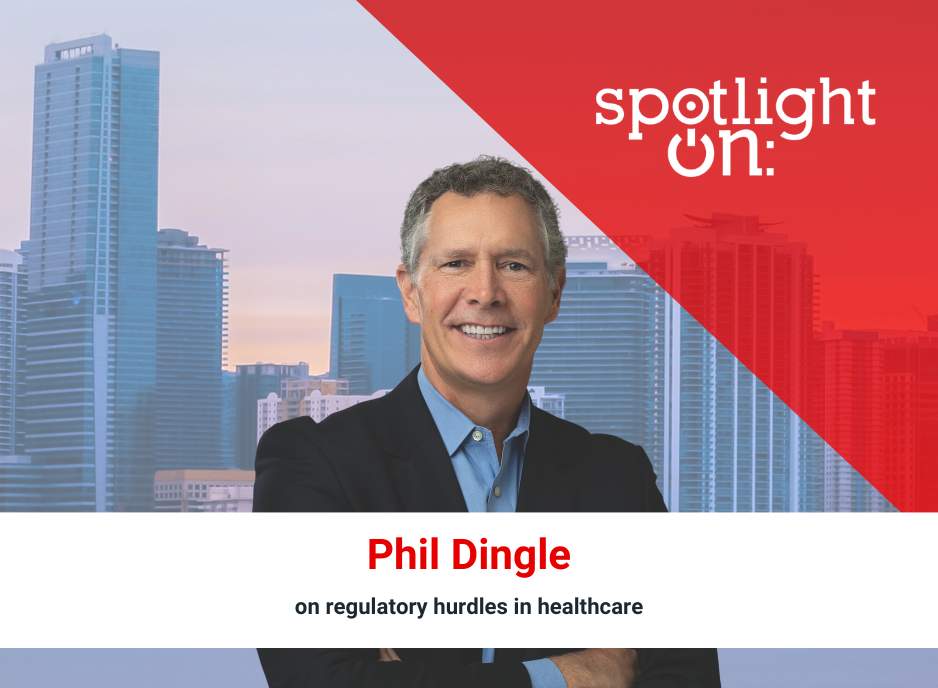 August 2025 — In an interview with Invest:, Phil Dingle, managing partner at HealthEdge Investment, shared insights on the firm’s recent achievements, its focus on healthcare investments, the evolving private equity landscape, and the pivotal role Tampa Bay plays in driving growth and innovation.
What are some standout achievements for HealthEdge Partners this past year?
This year has been about positioning our team for continued success. We need a great team to thrive as investors — for our group of LPs and ourselves. We’ve made significant strides in building that team, and seeing our people excel has been rewarding.
In 2023, we acquired three businesses, which is a robust pace. After such a productive year, the following year typically focuses on nurturing those acquisitions and being deliberate about new investments. This year, our primary focus has been on our portfolio of nine companies. We’ve been ensuring they have the resources, technology, and support they need to succeed. It’s all about empowering these businesses to grow and thrive. For 2025, we anticipate completing one or two acquisitions and executing one or two exits from existing portfolio companies.
What advantages does this growth bring for HealthEdge, and how does being based in Tampa Bay influence your firm’s competitive positioning?
We love Tampa Bay. Ideally, all of our portfolio companies would be based here. While we usually have two or three businesses in Florida, our investment thesis often takes us beyond the state, primarily throughout the Southeast and occasionally further. That said, Florida, particularly Tampa Bay, has been a fertile ground for healthcare opportunities, especially in services. We also have had some device businesses here, which adds to the diversification.
One of the key benefits of being based in Tampa Bay is access to talent. As we grow, attracting high-caliber professionals is crucial. Tampa Bay offers a high quality of life, which helps draw top talent for operational and investment roles. This has been a competitive advantage for us. People want to live here!
How has the private equity landscape evolved in recent years in Tampa?
Tampa’s private equity community has grown significantly over the years. The expansion began when large national banks entered the market over 30 years ago, encouraging professionals to move here and spurring the city’s growth.
New firms have emerged in recent years across various sectors, including real estate, niche businesses, and healthcare. This growth has fostered a collaborative community among private equity and growth investors. For example, if we encounter talent we can’t hire, we often share their profiles with other firms, and they do the same for us. This collaboration helps retain top talent in the Tampa Bay area.
Looking ahead, there’s a growing opportunity for early-stage companies. Like California, Florida is becoming an attractive hub for early-stage investments, particularly in healthcare. I see this trend continuing and further bolstering our investment ecosystem.
Are there specific healthcare sectors or subsectors you are focusing on for future investments?
We remain focused on three core silos of healthcare investments: medical devices, distribution and supply chain, and healthcare services. Within medical devices, we specialize in niche products often 510(k). Within healthcare services, our investments range from revenue cycle management to hospice care, pharmaceutical repackaging, and tech-enabled services.
We focus on companies with meaningful innovation and leaders who prioritize their people. Leadership and culture are central to our investment thesis. These are not necessarily high-tech businesses, but they effectively utilize technology to deliver their products or services at competitive prices while maintaining strong margins. In healthcare, we prioritize companies with high gross margins and low capital expenditures, as they tend to align well with our long-term goals. For entrepreneurs, the challenge lies in building scalable businesses that achieve this balance, but that’s where we see opportunity.
How have advancements in digital health influenced your investment strategy?
While AI generates a lot of attention, it remains a challenging space. Companies may successfully raise capital, but building a sustainable business model in AI has proven difficult. For those who manage to crack the code, the potential is immense, but long-term success stories in AI are still rare.
How is HealthEdge positioning itself to address issues related to behavioral health?
Behavioral health is not just a trendy sector for investment; it’s essential. America is facing a growing crisis in this area, and our healthcare system must address it as a critical medical cost rather than marginalizing it. For example, our children and teenagers are facing unprecedented pressures, and this trend is deeply concerning.
We’ve made significant investments in this space. In 2016, we partnered with a company providing care for individuals with intellectual and developmental disabilities. Over four and a half years, we worked closely with the leadership to ensure they had the right technology, talent, and resources to care for these patients effectively. The investment was profitable and meaningful; it improved patient outcomes, supported underserved populations, and addressed critical gaps in care.
Behavioral health remains a promising but challenging investment area. Opportunities are limited and often come with high valuations. However, this sector is a critical component of the future of healthcare. The need is urgent, particularly as Americans face increasing mental health challenges, and we see significant potential in addressing these issues through strategic investments.
How do you view the current regulatory environment, and what changes would you like to see?
The regulatory hurdles in healthcare remain a significant challenge, especially for getting effective drugs through the FDA and into the market. There are too many barriers, and the process can be unnecessarily cumbersome. When we consider pressing health issues like cancer and heart disease, our mortality rates in the United States are still too high.
We need to streamline the approval process without compromising safety to ensure that medications and treatments reach patients more quickly. This isn’t about cutting corners but accelerating the timeline to improve outcomes. The focus should be on healing people effectively and expeditiously while maintaining a reasonable cost to get there.
What key trends do you see disrupting healthcare in the next few years, and what are your top priorities?
Technology and AI are at the forefront of innovation — everyone is writing and talking about them. We believe AI’s most effective application will be in supporting overburdened healthcare providers. There are countless administrative and operational tasks where AI can help providers work more efficiently, reducing stress and improving care delivery.
Our investment priorities will remain focused on our three core silos while expanding within them. We plan to raise a fifth fund over the next 12 to 18 months and continue strengthening our team with strategic hires. Healthcare constitutes about 20% of the GDP, so the sector’s growth is inevitable.
While there are uncertainties around government policies and leadership, we’re optimistic that new opportunities will emerge. Our goal is to ensure that our leaders, doctors, and staff have the resources they need to care for a broader population effectively. It’s not just about profits but creating a business environment where we can serve our community better.
What is your vision for Tampa over the next decade, and what role will your company play in achieving it?
We’re a small business, but we deeply love Tampa. We live here, and we see tremendous potential for the city, especially with the growth of its medical district, which is gaining national recognition. While we may not be a large, multinational firm, we are eager to contribute to this progress in any way we can; we’re committed to investing in our community and supporting local opportunities. On a personal note, I’d love to see Tampa grow into such an incredible place that even my daughters, who’ve moved away, feel compelled to return. Tampa’s future is bright, and we’re proud to be part of making it an even better place to live and work.
For more information, please visit: