
7 Hopes for Higher Education in 2026

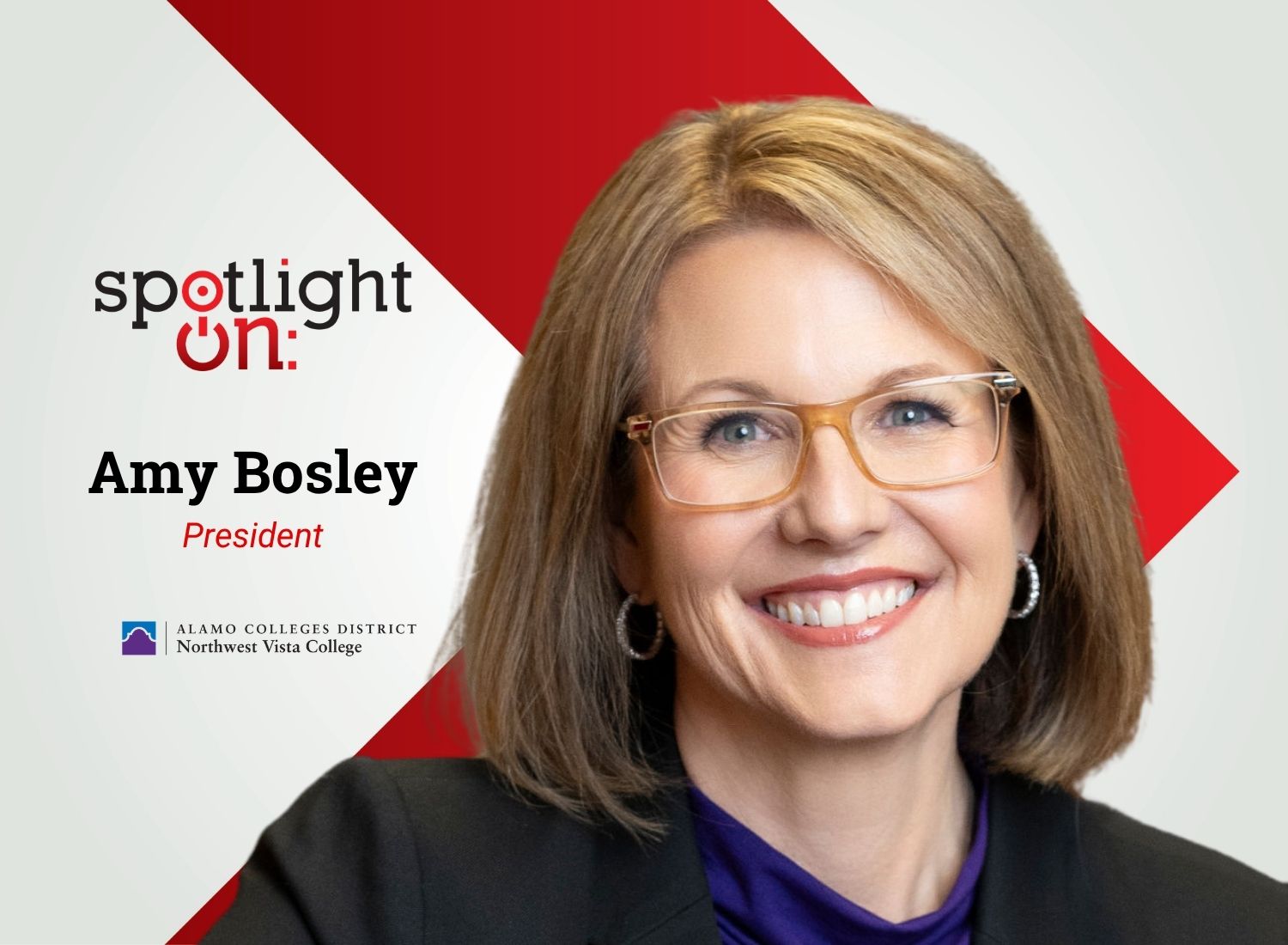
President
Community College of Beaver County
A new year usually resets my thinking toward what is possible. Not just feel-good resolutions, but the practical kind that show up in better systems, stronger results, and wider opportunities. Higher education is at an important turning point in 2026. What we choose to prioritize will shape who moves forward economically, who gets left behind, and how competitive the Pittsburgh region remains.
Here are my seven higher ed hopes for the year.
Higher education keeps creating access models.
If education only works for people with flexible schedules, reliable transportation, and a financial cushion, then it is not truly accessible. I hope colleges continue expanding with high-quality hybrid options, short-term credentials that lead to real jobs, work-based learning, evening and weekend formats, and student supports that reach beyond campus. Access is not a marketing message. It is a design choice.
Colleges should not be measured by an Ivy League standard.
Prestige rankings and selectivity tell you very little about how well an institution serves the students it enrolls. Most learners need affordable tuition, excellent teaching, clear pathways to completion, and academic advising that helps them make steady progress. Pittsburgh benefits when we judge institutions by outcomes and impact, not by a model built for a small, elite segment of higher education.
Join us at caa’s upcoming leadership summits! These events bring together hundreds of leaders to discuss the challenges and opportunities for businesses. Find the next summit in a city near you!
We should continue messaging the correlation between credentials and long-term economic stability.
This generation needs clarity: without a credential or a marketable skill, the risk of low wages and limited mobility rises fast. That does not mean everyone needs a four-year degree. It means everyone needs a plan that leads to employability and wage growth. When families lack credentials for too long, poverty becomes generational. We need to continue carrying this message.
Educating America strengthens America.
Education is workforce development, economic strategy, and civic stability all at once. A skilled population fuels innovation, productivity, and entrepreneurship. Regions that invest in learning attract employers who want a reliable pipeline of talent. You cannot build a strong economy on slogans. You build it by funding institutions that develop people.
Skills and degrees should work together.
We need to retire from the idea that you must choose between learning a skill and earning a credential. Healthcare, manufacturing, IT, and trades reward people who can do the work and prove what they know. Certificates, apprenticeships, and degrees should stack and connect so students can earn while they learn and keep moving forward without starting over.
Financing higher education should be straightforward and long-term.
Too many students experience college financing as a confusing set of short-term transactions with unclear totals. I hope we move toward simpler, more predictable models with transparent total costs, clearer repayment options, and stronger employer partnerships. Students deserve clarity before they sign anything.
As AI advances, time-to-degree should keep shrinking without lowering standards.
Technology should reduce unnecessary repetition, not reduce rigor. Credit for prior learning, competency-based progress, accelerated terms, and smarter course design can help students complete faster and spend less. Time matters. Momentum matters. Responsible acceleration can be a real equity lever throughout 2026.
Closing thought: If we lean into these priorities, higher education can deliver what communities and employers need most: accessible pathways, skilled talent, and a stronger economic future for the Pittsburgh region and beyond.
Want more? Read the Invest: reports.