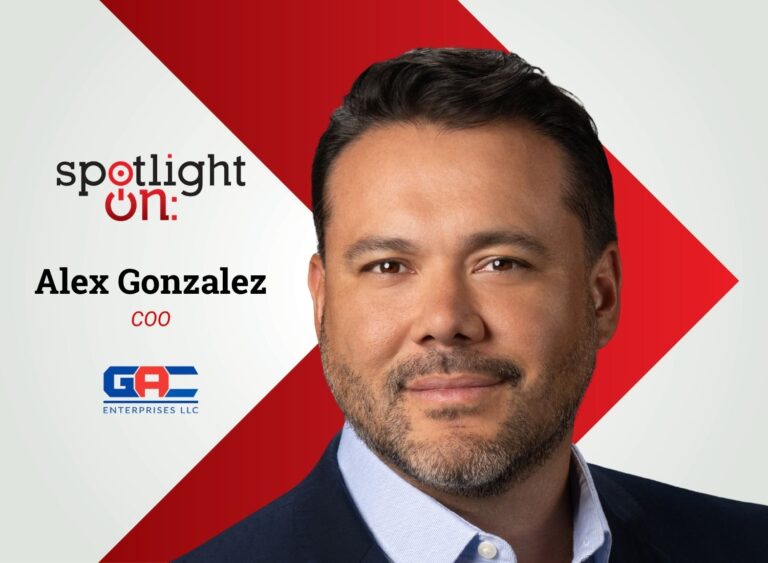
Matt Sebesta, County Judge, Brazoria County
 June 2026 — Invest: spoke with Matt Sebesta, county judge of Brazoria County, about how the county is planning for rapid population growth, investing in resilience and mobility, and positioning itself within the Greater Houston region. “With the portion of the system we control, our focus is making sure county services can be delivered as efficiently and effectively as possible,” Sebesta said.
What were the county’s key milestones over the last 12 to 18 months, and how are they shaping your priorities as county judge?
Completing our long-term campus plan has been one of the biggest milestones. It was an eight-year effort to bring the core functions of county government together at our new courthouse and administration building, including finally moving the tax assessor-collector and the county clerk into the new space late last year.
Having services centrally located in Angleton improves efficiency and access for residents. It also positions us for the next phase of growth. We are set on courtroom capacity as we pick up a new district court this September, which was the catalyst for adding space in the first place. The additional capacity we’ve built is intended to serve Brazoria County for the next two to three decades.
Over nearly 20 years, we have added about 100,000 residents, and projections suggest another 300,000 to 400,000 over the next 25 years. With the portion of the system we control, our focus is making sure county services can be delivered as efficiently and effectively as possible.
With that growth in mind, how is the county approaching infrastructure investment to stay ahead of demand?
We’ve been intentional about putting resources into infrastructure, especially with the federal funding counties received over the last few years. We have to spend that ARPA funding by the end of this year, and Brazoria County has used most of it toward infrastructure. We’ve also built facilities and made improvements that help prepare for long-term growth.
In addition, we received a $43 million hazard mitigation grant that we’re investing in our cities and county roads. The goal is improving resilience so we are better prepared the next time Mother Nature throws challenges at us, whether that’s hurricanes, flooding, or freezing events.
Mobility is also a major priority. We’re planning to extend the Brazoria County Expressway another five to six miles to the south to help address congestion along 288. All of this connects back to what’s driving growth, including proximity to Houston, continued growth in the Texas Medical Center, and the strength of our school districts. We have eight school districts in Brazoria County, and they are a significant draw for families relocating from adjoining counties, often without changing jobs, because they want excellent and safe schools for their kids.
How is the county working to ensure that growth translates into long-term benefits for residents?
The county’s role is often about setting a framework and creating an environment where quality growth can happen. Over my time as county judge, the county has worked to keep Brazoria County’s tax rate the lowest among counties in this region, which helps make the county attractive for business investment and development.
At the same time, the legislature does not give counties broad authority to control every aspect of growth. So the county focuses on what it can influence. When new subdivisions and neighborhoods come in, the goal is for communities that will still be attractive and desirable decades from now, with long-term livability in mind.
Workforce is also central to whether industry can be successful. Brazoria County benefits from three higher education partners: Brazosport College, Alvin Community College, and the University of Houston Pearland campus. Industry evaluates whether a community can provide the workforce it needs, and those institutions help support long-term economic benefit for residents.
How is Brazoria County working with cities, industry, and other stakeholders to keep momentum moving in the right direction?
The county works to maintain strong relationships with other governmental entities and with industry, and I often describe industrial partners as true partners in the community. They support local nonprofits and remain engaged in civic life across the county.
With cities, especially smaller ones, Brazoria County tries to collaborate through interlocal agreements wherever possible. That can reduce costs for projects like street work, culvert installation, and other basic infrastructure needs. If it’s a type of job the county can handle, the county would rather support a city directly than see the city hire an outside contractor. The goal is cooperation that stretches resources and speeds up delivery.
How does Brazoria County position itself within the Greater Houston region while preserving its unique identity and competitive advantages?
Preserving a small-county, hometown feel matters, even as the county grows. Brazoria County offers urban, suburban, and rural options, along with beaches and a wide range of communities. Residents can choose a lifestyle that fits them, from small-town environments to more developed areas.
That diversity is part of the county’s competitive advantage, and I hope the county can protect that character as growth continues, preserving what makes Brazoria County a special place to live.
Looking ahead, what do you see as the top strategic priorities for the next three to five years?
I am retiring at the end of the year, but there is still work to do to prepare the county for what’s ahead. One major example is emergency management. When I came into office 19 years ago, the county did not have an emergency operations center. Now Brazoria County has a state-of-the-art facility, nearly 15,000 square feet, to help coordinate and respond to future challenges.
Mobility will remain a key focus, and the county plans to continue working with TxDOT partners on long-term transportation improvements. The county also continues coordinating with the Alliance to support a diverse workforce and a more diverse economy, recognizing the need to avoid overreliance on any single sector, like the chemical sector, which is struggling as a result of global pressures affecting companies with international footprints.
At the same time, the county is seeing interest in alternative energy, including solar farms and battery farms, as well as emerging interest tied to AI and data centers. Looking forward, we need to continue with the goal of diversifying while also preserving what makes Brazoria County feel like home, balancing identity with opportunity.
Is there anything else you would like to highlight?
Brazoria County is a special place, and the strength of partnerships and working relationships across the county is a major reason. When I speak with leaders in other counties, they are often surprised by how well entities in Brazoria County work together. That collaboration takes effort and consistency.
That cooperation has helped the county accomplish meaningful outcomes, including bringing the tax rate down. If Brazoria County continues building on that foundation, it can remain one of the most desirable places to live in this region.