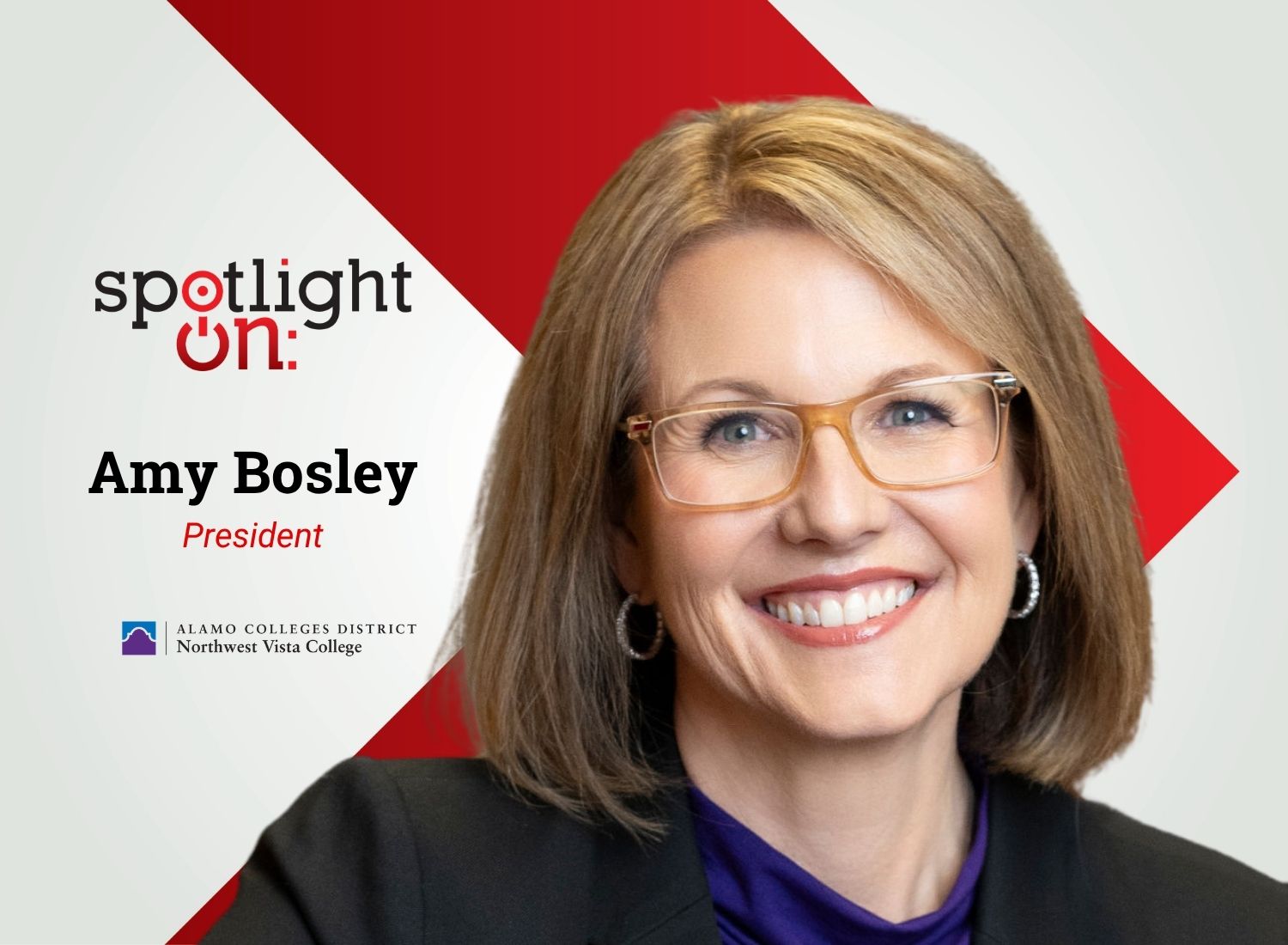

Brian Andrus, Owner, Stonebridge Real Estate
 July 2026 — Stonebridge Real Estate continues to navigate an evolving commercial landscape shaped by interest rate stability, shifting tenant expectations, and the accelerating role of adaptive reuse across Tampa Bay. Owner Brian Andrus explains to Invest: how creativity, flexibility, and AI-enabled efficiency are helping his firm reimagine aging assets, respond to emerging market trends, and strengthen long-term client relationships. He also highlights the importance of curiosity, emotional intelligence, and hands-on insight in understanding what tenants truly value. “It’s not rocket science, but you have to take it seriously,” said Andrus.
Reflecting on the past year, what have been the most significant changes that have impacted Stonebridge, and in what ways?
I would say the fact that there has been no change in interest rates of any significant amount. Secondly, the uncertainty of what is happening with politics in the country — whether things are going this way or that way — creates uncertainty for people, even though much of it is just noise.
Thirdly, there have been some very good steps by the federal government in terms of undoing some of the harm of past political leadership, and that is a plus. I am looking forward to 2026 being a very good year and beyond.
How do you see adaptive reuse and other industry trends evolving?
Adaptive reuse is about being creative. Leasing activity in the county has continued, but some zoning regulations and requirements by counties and cities have loosened up. At least, if they are not approving changes, they are listening to and looking at changing the use of something that has become functionally obsolete.
For example, we did a property that was previously a retail use — a 7,000-square-foot store — but it no longer fit. Now it is being used as an office.
We have another property where an office is now being transitioned into a combination office-residential space.
I have a large office building that I am one of the owners of, and we looked at possibly taking the 105,000 square feet and converting it into residential because it has another 60,000 square feet of parking and ocean views. But right now we have a good office lease, so we are keeping it.
You have to start looking at things differently when people talk about the “new normal.” That has continued this year. It is not just making a few calls — you have to look at a property and ask how it could work in a different way.
This happened back in 2008–2009 during the financial recession — you had to be creative and figure out how to put food on the table, pay your people, and keep them succeeding. That is when we got into property management and into commercial more heavily.
Along with that, what has saved time — which everyone knows — is AI.
I did a weekly review yesterday. We had about a 19-page lease, and it took me five minutes to review it, versus the usual five hours. I also read the entire thing from start to finish, but getting an understanding and seeing how it compared to the letter of intent was a five-minute drill. That is huge.
As you continue expanding your portfolio and adapting to market needs, how are you approaching talent acquisition and workforce development?
If you take the point of view of a tenant looking for space — whether it’s 2,000 square feet, 20,000 square feet, 50,000 square feet, or more — one of the things they are looking for is whether their staff will be happy.
That means thinking of your commercial property in a way that will attract the tenant. If I show you a property and it looks good, it is landscaped, clean, renovated, with flowers and plants — all those things add to the ambiance because you want your staff to be productive.
We spent a lot of money — nine figures — on redoing a lobby. It is beautiful, and the tenant is very happy. That property has been 100% leased for five or six years.
It also brings in more people who come in and say, “I like this building — do you have something here?” If we are full, we can offer something nearby.
Understanding the tenant and what they are trying to accomplish is key. They want their staff and their customers to be happy where they are. It is not rocket science, but you have to take it seriously.
How are you capitalizing on changes in the broader market?
We have staff meetings, especially our monthly get-togethers, where we ask: “What do you have? What are you seeing? What are people saying?”
You get a feel for it — your finger is on the pulse — across both residential and commercial. A lot of my people do residential, but they work with business owners, so they tell me what is on their minds.
We ask questions at staff meetings you might not think to ask: What are your consumers concerned about? What are they thinking about with large purchases? What worries are they expressing?
Television gives you some information, but nothing beats hands-on insight. I work with a vast variety of business owners who are also friends, so they give me their insights. I ask a lot of questions. You always have to be curious.
We get down to what really matters to people — not just what they say they value, but what is actually most important. Give me the three most important concerns — that gets you to the bottom line.
This is something AI will not deliver. Emotional intelligence, curiosity, and real connection are where a good broker comes in. That is how you figure out how to help people succeed.
What steps has Stonebridge taken to strengthen its adaptability in changing economic and climate conditions?
Affordability is an issue today. It was an issue in the past and will always be an issue.
People are more careful and thoughtful in how they spend their budgets — whether it is putting $100,000 or $200,000 toward something, or making a down payment. You have to think it through and make sure they will be as efficient as possible in the future.
You want them to come back in six months or a year and say, “That was a good deal.” That is where most of my business comes from — repeat business.
Affordability connects to energy, people, and effort. There is only so much time in the day, and you want to be as efficient as possible. You want to be able to adjust and pivot as needed.