
Spotlight On: Sally Sandy, City Manager, City of Morganton
Key points:
- • Morganton is pairing manufacturing growth with investments in quality of life.
- • Housing, workforce, and infrastructure remain key priorities for long-term growth.
- • The city is rebuilding after Hurricane Helene while planning for the future.
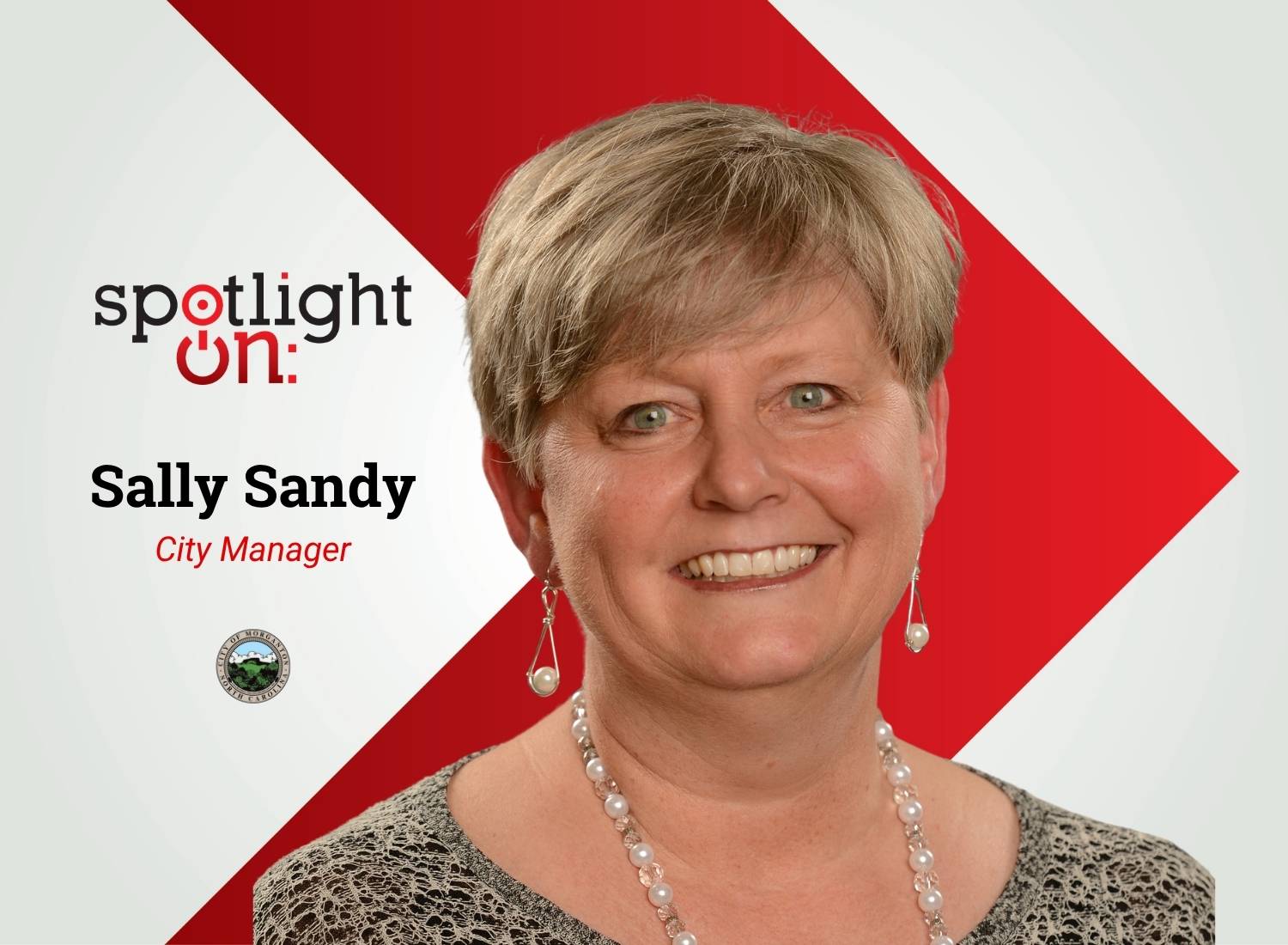 August 2026 — In an interview with Invest:, Sally Sandy, Morganton city manager, discussed the city’s economic evolution, quality-of-life investments, housing needs, and Hurricane Helene recovery. “This is not work where you plant the tree today and pick the fruit tomorrow. It is long-term work, and it is also constant work,” Sandy said.
Join us at the Invest: Charlotte 6th Edition Leadership Summit! This premier event brings together hundreds of Charlotte’s business and regional leaders to discuss the challenges and opportunities for businesses and investors. Buy your ticket now!
How would you describe Morganton’s economy today, and what gives you confidence about the city’s future?
Morganton is a rural community in Western North Carolina that quite often punches above its weight class. It does not feel or look like a rural community. We call ourselves Nature’s Playground. It is a community that offers a lot of small Western North Carolina charm, but also amenities, activities, and business opportunities that you find in larger communities.
How is Morganton positioning itself to capture North Carolina’s investment and manufacturing growth?
Morganton and Burke County have been manufacturing communities for decades. This part of Western North Carolina has been going through an economic retooling since the 1990s, when textiles and later furniture manufacturing began leaving the region.
As a community, we have spent years looking for ways to change the type of manufacturing, jobs, and opportunities available so people can build sustainable lives here, raise families here, and have their children return here.
We have been successful in diversifying our industry base. While furniture remains part of our economy, much of it has evolved into more advanced manufacturing. We also have industries ranging from metalworking and automotive to medical devices.
Morganton, as the county seat and commercial and cultural center of the county, believes in investing in more than industry. We invest in arts and cultural amenities, recreational opportunities, and our downtown, which serves as a focal point for Morganton and Burke County. Creating that quality of life helps manufacturers, business leaders, and investors decide they want to locate here.
What are you hearing from industries, and what sectors are you focusing on to continue that momentum?
Some industries are facing economic challenges, while others are expanding, growing operations, and gaining new business.
We do particularly well with sectors that have roots in traditional manufacturing, but have evolved to embrace modern technology, innovation, and workforce development. We fit well with industries that value investments in both technology and people.
What are local employers telling you about workforce needs, and how is the city supporting that pipeline?
Workforce needs have changed dramatically. Employers need workers with computer skills, critical-thinking abilities, and problem-solving skills.
Burke Development, our countywide economic development organization, works closely with workforce and education partners, and that collaboration extends to the city and county as well. We are all partners in growing the workforce and attracting talent to the region.
One of the things I emphasize is that we must provide opportunities for people who work in Burke County to also live in Burke County. If people only work here and do not live here, we miss out on their investment in our community, our quality of life, and our local businesses. Capturing both is important to long-term success.
How are you addressing housing needs while supporting economic growth?
Housing is a challenge here, just as it is across much of the country. One way the city is helping is through targeted economic incentives for new housing development, particularly by helping offset some of the upfront infrastructure costs related to water, sewer, and utilities.
Our county recently completed a housing study that identified key gaps, and the city has incorporated housing considerations into its downtown and recreation master planning efforts. Those studies helped us better understand both the types of housing we need and where we should focus future efforts.
Quite frankly, we need all types of housing. We are also working with developers pursuing affordable housing projects. The city has agreed to serve as a conduit debt issuer for one of those projects and continues to look for ways to support infrastructure needs that can help move projects forward.
What lessons did you learn from Hurricane Helene, and how are you approaching recovery and rebuilding?
There have been lots of lessons learned, lots of frustration, and still significant challenges.
Downtown remains an important part of our economic development strategy. It supports businesses and residents, serves as an attraction for visitors, and helps define who we are as a community.
Morganton also has a long history of supporting recreation. We sit in a wonderful area of the state for outdoor recreation, and we have an extensive park and greenway system. Those amenities are a source of pride and an important part of our identity.
During Hurricane Helene, Morganton was one of the easternmost communities to experience significant damage, particularly to public assets. Many of those assets are located along the Catawba River, which runs through the city and serves as one of our greatest natural resources.
We are still working to rebuild parks and recreation facilities. That process involves funding challenges, FEMA requirements, and resource constraints, all while continuing to provide daily services to the community.
We have also long served as a hub for recreational tourism, which is an important part of our local economy. Some of those assets were impacted, and rebuilding them remains a priority because recreational tourism supports both our local economy and the broader recovery of Western North Carolina.
What are your top priorities for the next two to three years, and what is your outlook for Morganton?
The outlook is positive. There are challenges, particularly around housing and infrastructure, but our outlook remains strong. Economic development and attracting investment remain top priorities. We also want to support our existing industries and businesses, helping them remain stable, sustainable, and able to grow.
Rebuilding recreation assets damaged by Helene is another major priority. We are also working with developers to expand housing opportunities and collaborating with community, healthcare, and private-sector partners to attract the jobs of today.
Part of our responsibility as public servants is creating opportunities that allow people to build better lives. That means attracting investments that provide good-paying jobs and opportunities for current and future generations of families who call Burke County home.
Is there anything else you would like to add?
The whole idea of building a community, and in our case, with some of the Helene issues, rebuilding a community, is long-term work. This is not work where you plant the tree today and pick the fruit tomorrow. It is long-term work, and it is also constant work.
That is true for downtown development, recreation, and many other community priorities. It takes partners, partnership, and a willingness to tell your story so that others become excited about being part of it.
It is a process we are involved in every day, and we look forward to what the future brings. I really do love what I do.
Want more? Read the Invest: Charlotte report.