Spotlight On: Betsy Johnson, Founder & CEO, HIMpros
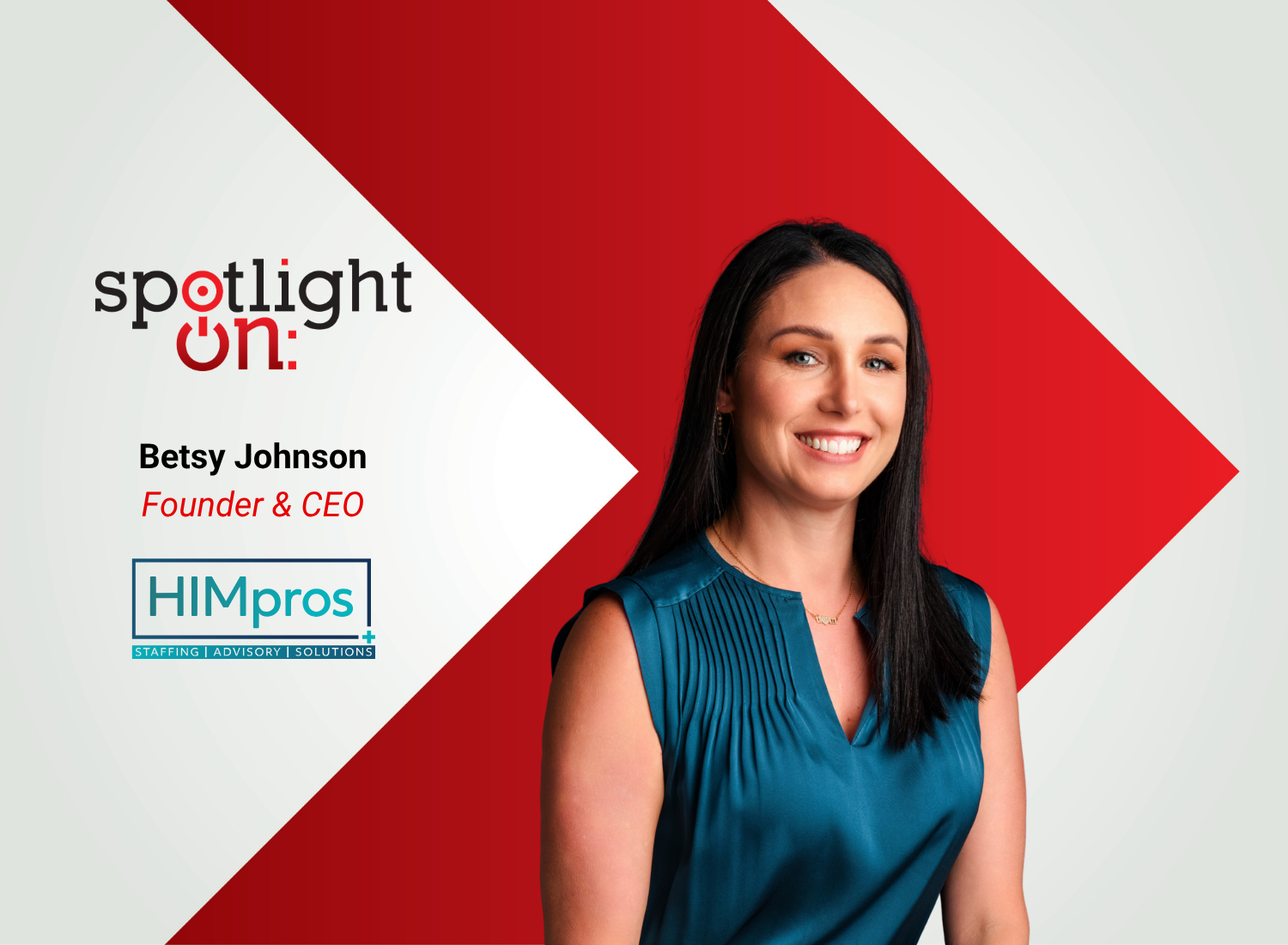 August 2026 — Invest: spoke with Betsy Johnson, founder and CEO of HIMpros, about the company’s rapid growth, the evolution of healthcare information management staffing, and the importance of building a people-first culture. “I really wanted to build a company where I love coming to work every day, I love opening my computer, I love what I’m doing, I love who I’m working with, and really having a purpose in what I do every day,” Johnson said.
What changes over the past year have impacted HIMpros?
We have grown significantly. In the four and a half years since I started the company, we have doubled in size every year. We have expanded our internal team substantially and continued building the culture we envisioned from the beginning.
One of the highlights this year was winning Tampa Bay Business Journal’s Best Places to Work and Staffing Industry Analysts’ Best Places to Work and Best Places to Temp For awards. We surveyed both our internal employees and our external consultants, and I believe we were the only company recognized on both sides.
We are growing because of our reputation and the way we do business. We are transparent, we focus on doing things the right way, and we are intentional about culture. I really wanted to build a company where I love coming to work every day, I love opening my computer, I love what I’m doing, and I love who I’m working with, and really having a purpose in what I do every day.
What gap in the market were you aiming to address with HIMpros, and how has that mission evolved?
I have been in staffing for more than 20 years and in healthcare staffing for about 17. My specialty is cancer registry, which involves certified professionals who abstract cancer cases for hospitals. It is a highly specialized field with a limited talent pool.
When I first entered the industry, consultants were traveling to hospitals around the country. Over time, the work became increasingly remote, and when COVID arrived, we were already operating successfully in that environment.
The biggest challenge then and now is that there are not enough qualified people to do the work. Technology and AI are creating efficiencies, but you still need experienced professionals to analyze data, perform quality reviews, and ensure accuracy.
When I started HIMpros, I wanted to build a company where people feel supported, produce quality work, and enjoy what they do. Because we are fully remote, culture requires deliberate effort. We stay connected through video meetings, recognition programs, anniversaries, birthdays, and regular communication. I want people to feel valued and know their contributions matter.
How would you describe the healthcare staffing and information management landscape in Tampa Bay?
Tampa Bay is an outstanding market. It attracts businesses and young professionals, and it is home to exceptional healthcare organizations. There is a strong healthcare staffing presence here, and there is also a great deal of innovation. What I appreciate most is the sense of community. Hospitals, businesses, nonprofits, and even sports organizations often collaborate to support healthcare initiatives and improve patient outcomes.
Community involvement is important to us as a company. We participate in fundraising efforts and support organizations that help patients and families facing difficult circumstances. We want to do more than provide staffing services. We want to contribute in meaningful ways to the communities we serve.
What differentiates HIMpros from larger healthcare staffing and consulting firms?
We are a boutique organization, and that allows us to be highly engaged with both our clients and consultants. We focus on white-glove service, transparency, and responsiveness.
We are not interested in simply filling positions. We spend time understanding what a hospital needs and ensure we provide professionals who are the right fit from both a technical and cultural standpoint. Quality matters, and we care deeply about outcomes.
Staffing is fundamentally about people. Our responsibility is to support our consultants, support our clients, and ensure everyone has what they need to succeed. We want consultants to grow their careers and feel supported, while hospitals achieve their operational goals.
At larger organizations, people can sometimes feel like a number. We never want our clients or consultants to feel that way. If challenges arise, we work collaboratively to find solutions. Because we are smaller, we can be more agile and creative.
We are also disciplined about staying within our areas of expertise. There have been opportunities we have declined because they were not the right fit. We want to remain experts in what we do best.
How are automation, AI, and data analytics changing the way healthcare organizations manage information and staffing needs?
AI is changing virtually every industry, including healthcare. Many of the new technologies being introduced are helping organizations complete tasks faster and more efficiently.
In healthcare information management, AI can reduce the time spent gathering and organizing information, allowing professionals to focus on higher-value work such as analysis, quality review, and decision-making. That creates opportunities for increased productivity.
At the same time, I believe there are important considerations. AI is a tool, but it still requires oversight, training, and validation. People must continue exercising judgment and critical thinking.
I often compare it to reading Cliff Notes instead of reading an entire book. You may get the main points, but you miss some of the depth and understanding that comes from working through the material yourself.
There are tremendous advantages to AI, but there also need to be guardrails. The organizations and individuals who learn how to use these tools effectively will be in a strong position moving forward.
Where do you anticipate demand for healthcare talent increasing most significantly in the future?
On the information and data side, AI will continue changing how work is performed and how organizations structure teams. Certain tasks may become more automated, while other responsibilities will require new skills.
Organizations that embrace technology while maintaining strong human expertise will be best positioned for success. AI is not going away, so it is important to understand how to use it responsibly and effectively.
What are your key goals and priorities for the next two to three years?
Our primary goal is continued growth. We want to expand responsibly while maintaining the culture that has been so important to our success.
We are also interested in exploring partnerships with technology companies and identifying ways to improve the patient experience through innovation. As healthcare evolves, we want to remain part of that conversation and contribute where we can add value.
Internally, I want us to continue being recognized as a great place to work. Culture is incredibly important to me, and I want our team members to remain engaged, supported, and connected as we grow.
As a woman-owned and diversity-certified business, I am proud of what we have built. Historically, many organizations in our industry have been male-dominated, so creating and leading a successful company has been especially meaningful.
Beyond business growth, I want to become even more involved in mentorship and community engagement. I would like to spend more time helping women recognize their potential, achieve their goals, and grow professionally.