Spotlight On: Dalton Humphries, South Texas General Manager and Market Growth Leader, Cigna Healthcare
Key points:
- • Rising healthcare costs remain the top concern for South Texas employers.
- • Virtual care is expanding access amid rapid population growth and provider shortages.
- • Cigna is using AI and integrated benefits to improve outcomes and control costs.
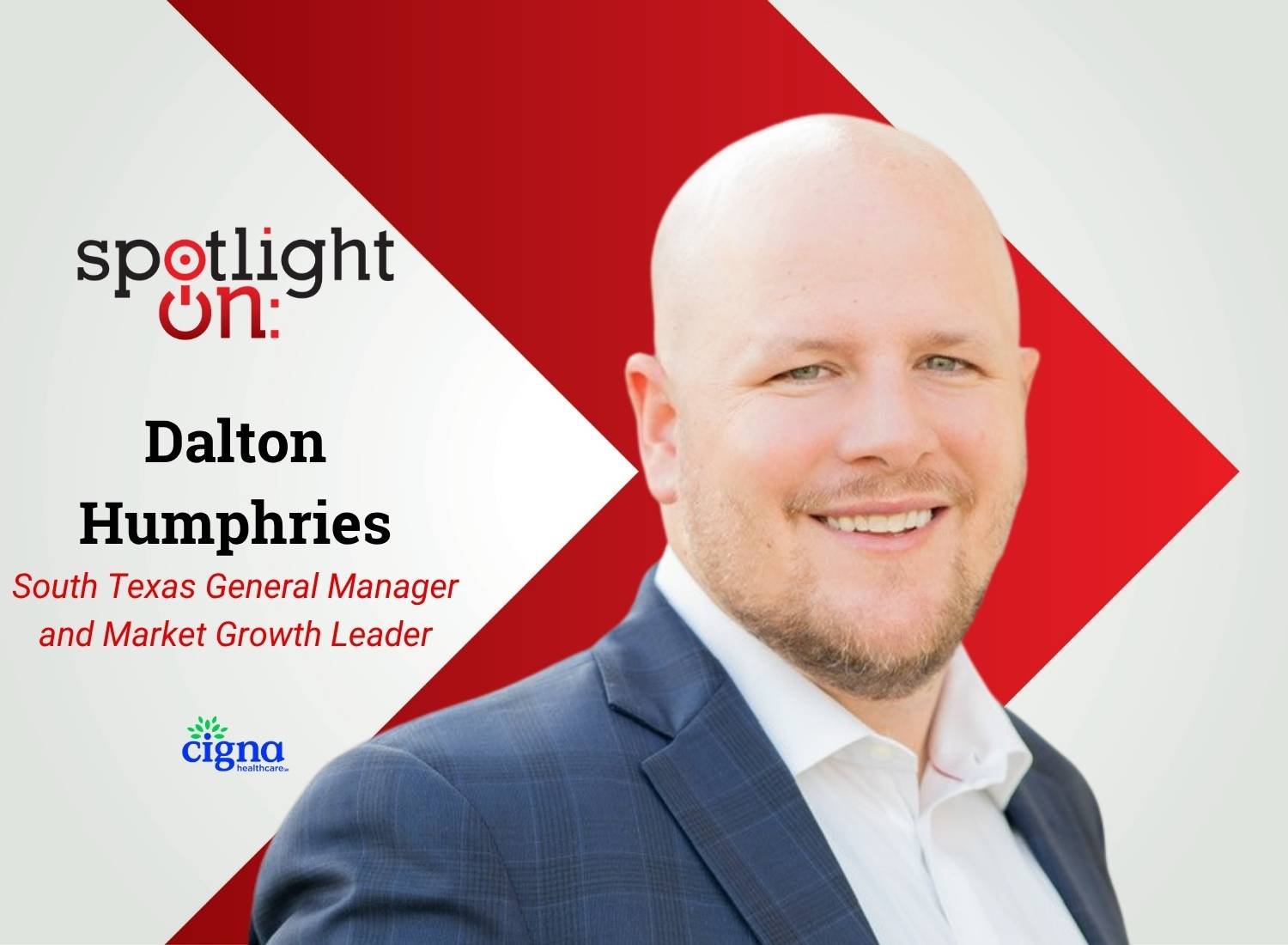 August 2026 — In an interview with Invest:, Dalton Humphries, South Texas general manager and market growth leader at Cigna Healthcare, discussed healthcare affordability, access to care, behavioral health, and the impact of rapid population growth across South Texas. “Our ultimate goal is to help individuals become the healthiest version of themselves, whatever that may look like for a particular individual,” Humphries said.
Join us at caa’s upcoming leadership summits! These premier events bring together hundreds of public and private sector leaders to discuss the challenges and opportunities for businesses and investors. Find the next summit in a city near you!
How would you describe the current business and healthcare environment in Texas, particularly South Texas?
The overall climate in Texas, especially in Central and South Texas, is very strong. When you think about Houston, Austin, and San Antonio, businesses are booming. Houston and San Antonio are often mentioned among the fastest-growing markets in the country, and we see that every day.
The business environment is extremely diverse, especially in Houston. Historically, people viewed Houston as an oil and gas or energy-sector city, but it has expanded significantly beyond that. The diversity of the market now brings in technology, healthcare, and many other industries. These cities have become sought-after places for companies, commerce, families, and individuals.
From a healthcare standpoint, growth creates both opportunities and challenges. More technology, healthcare capabilities, and providers move into the market, but population growth also increases demand for access to high-quality physicians, specialists, and primary care providers. Supporting that growing population is extremely important.
How is that growth changing healthcare demand and opportunities in South Texas?
The more individuals who move into Houston and San Antonio, the greater the need for access to providers, especially high-quality providers who can deliver excellent care and improve whole-person health outcomes.
We are also seeing rapid advancement in healthcare technology and treatment options. Even over the last five years, areas such as specialty drugs and weight-loss medications have evolved quickly. Those needs become more apparent as the population expands.
Both markets are supported by strong healthcare institutions that bring innovative care into the region. In Houston, we have some of the best cancer treatment hospitals that attract people from across the country for treatment. Having those resources available in the marketplace is extremely important.
Healthcare costs continue to rise. What concerns are you hearing most from employers?
Cost is the No. 1 concern for the employers we work with and for the members we serve. At Cigna, our goal is to provide access to high-quality physicians, improve understanding of benefits, and simplify access to care.
Alongside high-quality physician access, we focus on sustainable whole-person health. Our ultimate goal is to help individuals become the healthiest version of themselves, whatever that may look like for a particular individual.
Employers are no longer only asking about pricing. They are asking how we will help control costs year over year. We focus on that through access to high-quality physicians and facilities, helping individuals understand their benefits, and supporting them throughout their healthcare journey.
Access also looks different for everybody. Someone working nontraditional hours may not be able to visit a physician during a standard workday. We have developed digital resources through MDLIVE that allow individuals to build relationships with primary care providers virtually. That helps ensure care does not go unaddressed.
Treatment cost and affordability remain top priorities, but they connect to many other areas of healthcare delivery and member engagement.
How are mental health and wellness expectations being integrated into Cigna’s services?
Mental health plays an important role in overall health. If you look at chronic conditions across the United States, many include a behavioral health component.
At Cigna, we put behavioral health front and center. We have a robust behavioral health network that enables individuals to access treatment programs and connect with case managers when diagnosed with chronic or complex conditions.
We do not just build networks; we strive to connect members to those networks. Virtual care has also become an important part of behavioral health care. Over the last several years, individuals have become more comfortable accessing therapy virtually, and that broadens how people receive support.
Cigna has leaned into virtual offerings and partnered with organizations to provide support that meets members where they are. We have also layered in services such as 24/7 crisis care because behavioral health needs are not always tied to a scheduled appointment. Sometimes support is needed immediately, and we want to help members navigate to the right resources and care.
How is technology creating efficiencies and supporting better outcomes?
One area is improving awareness and communication with members. We want individuals to better understand where they are in their treatment plan, approvals, or access to care. AI helps simplify those messages and improve customer touchpoints.
The second piece is using AI to help navigate the patient journey. If a customer calls Cigna, our teams can quickly access information about that member’s conditions, procedures, or treatment history. AI helps guide those conversations efficiently by providing background context upfront and can help direct individuals to the right care.
We also use data and predictive tools to identify possible issues earlier. Whether it is prescription drug utilization, treatment guidance, or identifying when a prescribed medication has not been filled, those tools allow us to engage members more quickly.
If we can engage a member before an issue magnifies, that is better for the member and can improve overall health plan and employer costs. The goal is to use technology to guide care appropriately and improve engagement.
How are workforce shortages affecting access to care, and how is Cigna helping address those gaps?
Workforce shortages are one of our greatest concerns, particularly shortages among primary care physicians and first-line specialists such as OB-GYNs and pediatricians.
Our members need relationships with primary care physicians. Without those relationships, conditions may be identified too late, which affects outcomes and increases costs.
One of the ways we are addressing this challenge is through our full suite of virtual solutions. These services allow members to receive care on schedules that work for them and without relying entirely on traditional in-person models.
Through MDLIVE, members can establish ongoing relationships with primary care providers, access laboratory services, and maintain continuity of care virtually. That provides consistency while expanding access.
Virtual care also extends beyond urgent care services. Many individuals think virtual care is only for short-term needs, but at Cigna, members can also access behavioral health support, dermatology services, and primary care relationships through virtual platforms. Expanding those access points is extremely important.
What are your top priorities for Cigna Healthcare in South Texas?
Our priorities are centered on helping employers control costs while improving access and outcomes for members.
At Cigna, we view integrated medical and pharmacy benefits as a key driver of cost control. The data and insights we can leverage between those benefits allow us to better understand future care needs and provide more holistic care to members.
Prescription drug benefits provide significant insight into future treatment needs. When medical and pharmacy benefits are integrated, we can better address care, avoid preventable inpatient stays, and reduce the likelihood of costly procedures. All of those factors contribute to the overall total cost of care.
The second priority is continuing our commitment to better service for customers. We want to provide high-quality access, simplify benefits, and remove some of the complexities and burdens from the healthcare system.
Ultimately, we want members to interact with their benefits, develop long-term relationships with primary care providers, and fully understand how to access high-quality care. That is what helps individuals achieve the best possible health outcomes while also supporting employers in managing costs over time.
Want more? Read the Invest: San Antonio report.