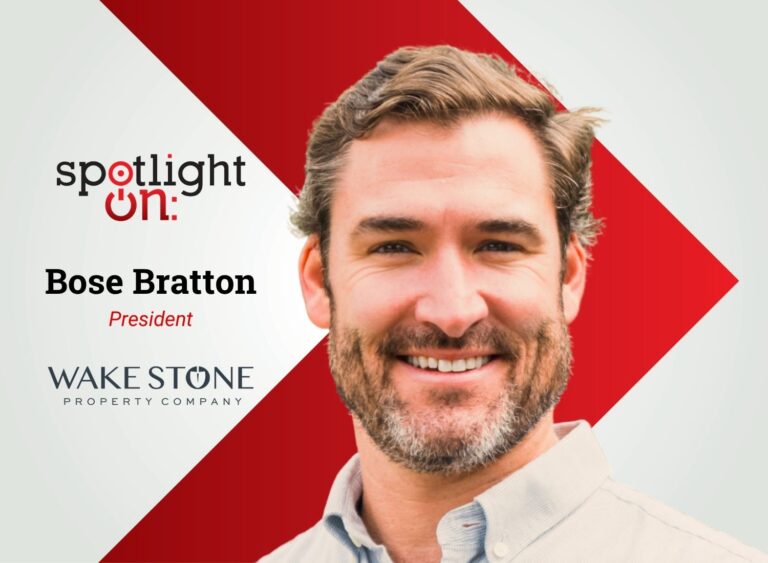

Jenn Bosser, President & CEO, Iredell County Economic Development Corporation
 Invest: sat down with Jenn Bosser, president and CEO of the Iredell County Economic Development Corporation, to discuss how Iredell County is navigating uncertainty, accelerating industrial product development, and strengthening workforce pipelines through regional collaboration. “It’s a tale of two stories: some companies are growing and accelerating, and others are pausing on the sidelines, waiting to make investments,” Bosser said.
What have been the most impactful changes in the business environment within the county, and how are they shaping your economic development priorities?
The last year and a half has brought a lot of uncertainty. It’s a tale of two stories: some companies are growing and accelerating, and others are pausing on the sidelines, waiting to make investments. We saw a lot of that right before the election, and now you have tariffs, interest rates, and other factors creating hesitation. However, we must continue and navigate through it.
If you go back to 2019, we’ve seen unprecedented growth in Iredell County. We’re an employment center in a market experiencing industry growth and GDP growth, and we sit at a unique crossroads on I-77 and I-40.
When the toll road opened in 2019, more people rediscovered the northern part of the Charlotte region and saw greenfields and land available at a lower cost than other areas that had already been tapped. Private real estate investment accelerated, and a few years later, that translated into more product coming online.
For us, it is about product. We have a pipeline of industrial development that has moved through entitlement and is in planning, construction, or completion. In total, we have more than 15 million square feet of industrial sites in process across different sizes.
We’ve also seen positive increases across the board. Wages have risen, and in the latest rankings, we’re ranked eighth in North Carolina for prosperity. We’re among the fastest-growing counties in the state and in the region. Property values and homeownership have increased, and importantly, we’re seeing gains across the county, not just in one municipality.
What sectors are driving the strongest momentum for investment and job creation, and where do you see the greatest opportunity ahead?
We are a manufacturing county, and manufacturing has been the driver of the project activity we see. We work closely with the Economic Partnership of North Carolina, which is a strong lead generator, and then our role is to help find the right fit and respond with the right elements.
Statewide demand aligns closely with Iredell’s strengths: food and beverage, energy, chemicals, plastics, automotive, and healthcare and life sciences.
One emerging area is defense and aerospace. We have a number of motorsports component manufacturers that were historically focused on NASCAR. As that industry evolved, many of those firms diversified quickly and found market opportunities in defense and aerospace. In some cases, that side of the business has doubled or tripled compared to their earlier motorsports focus. It’s a testament to the precision, innovation, and speed of the companies we have here.
How is your organization preparing sites and infrastructure to meet demand from expanding and relocating companies?
A lot of our work is product development, and it isn’t always visible. Over the last six years, we’ve had 27 product development projects, and those can take three, four, or five years to come to fruition. It involves coordinating infrastructure, navigating entitlement, and aligning land use plans, both for the company’s needs and for how city and county leadership wants the community to look five or 10 years from now.
On the existing-industry side, we take a proactive approach. We have a full-time staff member focused on existing industries. We convene businesses quarterly and created a community where they can share best practices and build relationships. That trust matters. When companies identify challenges or opportunities, they know to call us, and we can connect them to resources.
You conducted a business poll survey. What stood out, and what did it tell you about local business sentiment?
Most employers reported stable employment, and about half said they plan to add employees in the next three years. More than half were optimistic about sales growth in the next year. Businesses gave high marks to the quality of life and the business climate, and public safety stood out as an area of excellence.
Top concerns included national and global economic uncertainty, tariffs, inflation, and supply chain challenges. Healthcare costs and soft skills were also top of mind for employers.
How are you and your partners responding to workforce needs, including the soft skills gap employers are describing?
We launched a workforce initiative called Iredell Ready about four years ago to create a one-stop shop for workforce and education in Iredell. We work with our community college, our two public school systems, the chamber, the Centralina Workforce Development Board, the Economic Development Council, and other partners, including corporate partners.
The focus is to strengthen career pathway awareness and make it easier for individuals to connect to relevant opportunities in Iredell. A key piece is increasing engagement between education and industry so programs reflect what employers are asking for. One thing we’re excited about is that both school districts were selected for a skills pilot program, supported by a federal grant, that will evaluate soft skills as part of the curriculum.
What differentiates Iredell County as a place to live and do business within the region?
Location is a differentiator. We’re close to Charlotte, Winston-Salem, and Hickory, and within reach of the mountains and the beach, with Lake Norman and a state park in our backyard.
Both public school districts are in the top 25 in North Carolina. We’ve maintained a comparatively low tax rate, and our downtowns have invested in amenities, small businesses, and festivals.
What are a few wins from the last couple of years that you see as especially significant for Iredell County?
One major win is the city of Statesville’s approval of annexation and rezoning for the first data center in Statesville. The project is led by Compass Data Centers and is planned as a 1.2 million-square-foot facility with at least $1 billion in announced investment for the project alone. It aligned with the land use plan, and we understand the technical and infrastructure needs.
Another is Sherwin-Williams’ expansion, which included more than a $350 million investment and the addition of rail through a partnership that included the North Carolina Railroad, the state, and local partners. A distribution center tied to that expansion helped launch Larkin, one of our industrial parks, with an 800,000-square-foot distribution center and an average wage of $67,000, above our county average.
A third is DEHN, a family-owned company based in Germany that is building its first operation outside of Germany in Iredell County. They acquired 78 acres in Mooresville Business Park East, and we helped identify a temporary location at the Moreno Mill. The project reflects growing foreign direct investment and the value of working closely with state partners on international engagement and lead generation.
Iredell County’s regional collaboration has been a theme. What’s been most important about that approach?
A big milestone was the 2018 merger of the Statesville and Mooresville economic development organizations into one county organization. That required trust and leadership willing to work together, and it created the platform for the progress we’ve made since.
Our board meets eight times a year and rotates between Mooresville and Statesville. Leaders show up, share community updates, challenges, and opportunities, and keep the focus on what is best for the county as a whole. It takes time for people to set aside ego and priorities and understand that things will come if you work together as a team.