
Autonomous vehicle expansion faces regulatory speed bumps
Key points:
- • Waymo and Zoox are leading a booming robotaxi push, expected to hit $8B by 2030.
- • Minneapolis wants to require a paid human ‘safety monitor’ in every driverless car, which Waymo calls a de facto ban.
- • 71% of Americans remain uncomfortable riding in robotaxis,creating a trust gap.
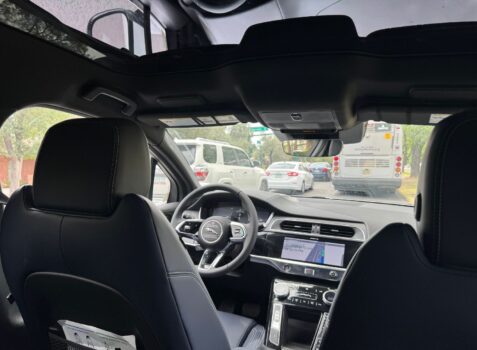 September 2026 — In the race to put more robotaxis on America’s streets, autonomous vehicle expansion is outrunning the regulatory system built to govern it. The race clearly isn’t over, but the robotaxis have a strong lead.
Join us at caa’s upcoming leadership summits! These premier events bring together hundreds of public and private sector leaders to discuss the challenges and opportunities for businesses and investors. Find the next summit in a city near you!
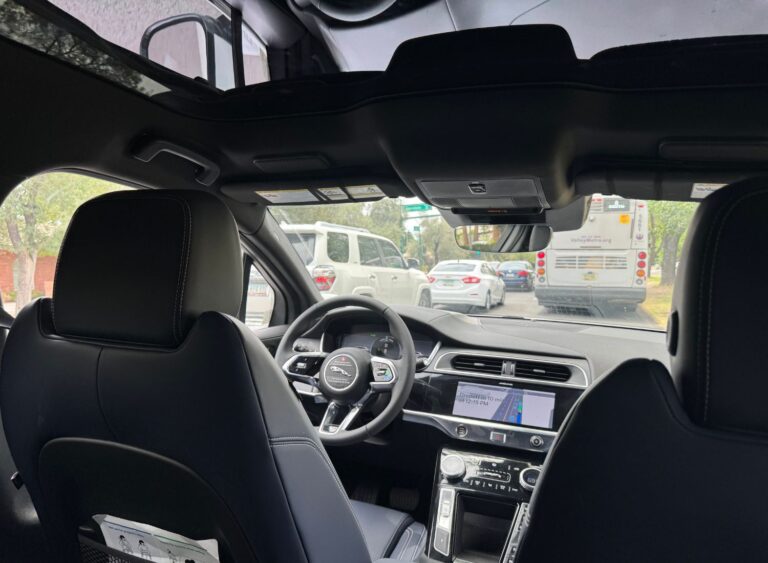
Waymo now runs driverless ride-hailing in more than a dozen U.S. metro areas, with recent launches in San Diego, Denver, and Tampa. Amazon’s Zoox charges fares for its steering wheel-free robotaxis in Las Vegas and gives free rides in San Francisco, Austin, and Miami. Minneapolis, meanwhile, wants a paid human back behind the wheel.
The drive to scale
Waymo operates about 4,000 driverless vehicles across 15 test cities, up from 700 in early 2025. The company has logged more than 20 million rides, and its vehicles show a 92% reduction in serious-injury-or-worse crash rates compared with an average human driver in the cities where it operates. Goldman Sachs projects robotaxis will make up 8% of the U.S. rideshare market by 2030, generating $7 billion in revenue, up from less than 1% of the market in 2025.
Zoox is chasing that lead. The Amazon-owned company received a first-of-its-kind National Highway Traffic Safety Administration exemption that let it start charging fares in Las Vegas in August, and it has served nearly 1 million riders across Las Vegas, San Francisco, Austin, and Miami.
Tesla‘s own robotaxi push, layered on top of its consumer Full Self-Driving (Supervised) system, adds a third major operator competing for the same curb space.
None of these companies sell a fully driverless personal car yet. Consumers instead buy semi-autonomous features: Tesla’s FSD (Supervised) or General Motors’ Super Cruise, which has logged 705 million miles across 23 vehicle models without a single reported crash attributed to the technology. U.S. News rates the 2026 Ford F-150 with BlueCruise as the top “almost self-driving” vehicle on the market today.
Cities push back hard
Freight is moving just as fast, although with less public attention. Aurora Innovation launched the first commercial Level 4 driverless trucking service on the Dallas-Houston corridor in 2025, and Kodiak AI now runs scheduled driverless roundtrips on the same route with logistics partner Roehl Transport. A Steer Group study projects up to 170,000 self-driving trucks on U.S. roads by 2035, representing 8% of the trucking fleet and 33 billion self-driving truck miles, while preventing an estimated 490 fatalities a year.
Regulators have not kept pace with either sector. Senate Commerce Committee Chairman Ted Cruz convened a February hearing, titled “Hit the Road, Mac,” arguing that a patchwork of state laws is stifling U.S. leadership against China and noting that human error causes roughly 94% of traffic crashes. The Department of Transportation’s National Highway Traffic Safety Administration sets federal safety standards for automated driving systems, but no uniform national framework exists.
Minneapolis just showed how that gap plays out locally. Four City Council members introduced an ordinance requiring a paid, licensed “safety monitor” with immediate access to steering, braking, and acceleration in every driverless vehicle operating in the city. A public hearing is set for Sept. 22. Waymo’s state and local public policy manager, Adam Lane, called the measure a “de facto ban on autonomous vehicles.” Council members counter that more than 10,000 local rideshare drivers need protection from displacement.
Public division remains
Public opinion has not caught up to the safety data, either. A Pew Research Center survey conducted in February found that 71% of Americans would be not too or not at all comfortable riding in a driverless car, even though just 5% have ever actually done so. Waymo‘s own safety reporting shows a 94% reduction in serious injury or worse crashes compared with human drivers in its operating cities, a finding that has done little to move public sentiment so far.
The Sept. 22 Minneapolis hearing could be pivotal, since council members describe the ordinance as “groundbreaking nationally” and other cities could copy it. Congress remains the more durable fix: Senate Commerce Committee leadership argues a single federal safety standard would let operators scale across state lines without renegotiating the rules city by city. Until then, expansion and resistance will keep advancing on parallel tracks.
Top image by Ryan Gandolfo
Want more? Read the Invest: reports.