
Florida aviation industry adapts to new passenger needs
Key points:
- • Premium is now the defining trend, with carriers expanding first-class and premium economy while travelers expect upgraded lounges and airport spaces.
- • Airports are cutting friction through touchless TSA, short security waits, and added parking, while building roads and terminals to handle growth.
- • Private and general aviation are adapting with fractional ownership and new terminals, built around consistent service and predictable travel.
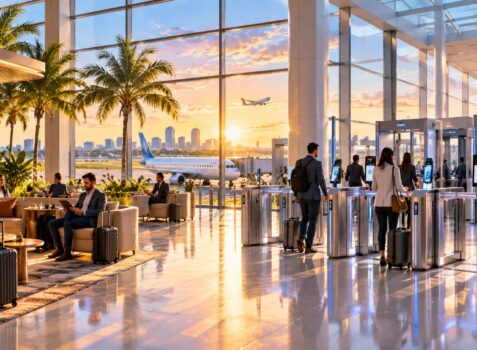 October 2026 — Florida’s aviation industry has always been shaped by movement, from snowbirds heading south each winter to millions of visitors arriving for theme parks, cruises, and beaches. Today, though, the people filling airport terminals are asking for more than a seat on a plane.
Join us at the Invest: Jacksonville 5th Edition Leadership Summit! This premier event brings together hundreds of Jacksonville’s business and regional leaders to discuss the challenges and opportunities for businesses and investors. Buy your ticket now!
Travelers expect seamless, contactless journeys, from biometric check-in and mobile boarding passes to real-time updates on gate changes and wait times. Family travelers, business commuters, and a growing wave of remote workers who split their year between states each want something different, and airports from Miami to Orlando to Tampa are rethinking everything from terminal layouts to concession offerings to keep up.
At the same time, Florida carriers and airport authorities are balancing these rising expectations against real operational pressures, including rapid population growth, congested airspace, hurricane season disruptions, and heightened attention to sustainability. Airports are investing in expanded capacity, sensory-friendly spaces, and faster ground transportation links, while airlines experiment with new routes, flexible fare structures, and improved customer service tools. This article explores how the state’s aviation sector is evolving to meet a more demanding and diverse passenger base, and what those changes mean for the future of travel in the Sunshine State.
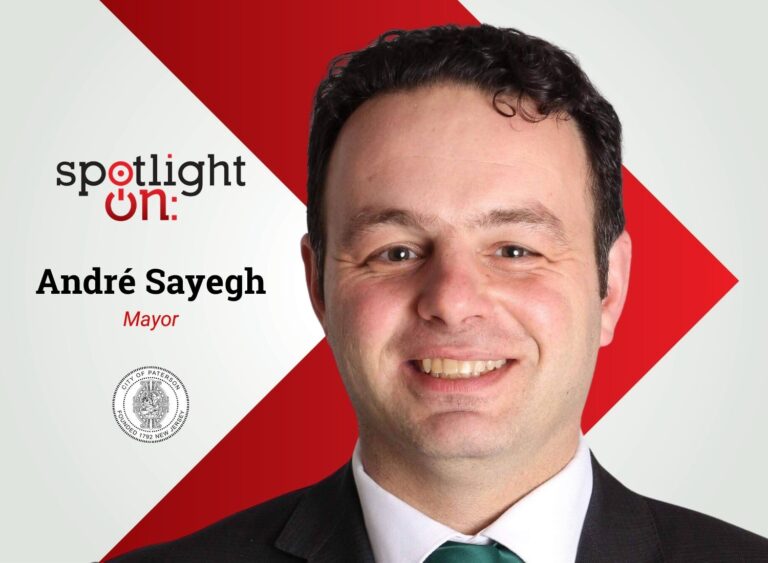
Florida aviation leaders Mark Gale, CEO and director of aviation at the Broward County Aviation Department/Fort Lauderdale-Hollywood International Airport; Mark VanLoh, CEO of the Jacksonville Aviation Authority; Shaun Germolus, director of aviation at Kissimmee Gateway Airport; and Heather Maguire, CEO of Slate Aviation, shared their insights into evolving passenger expectations and how the aviation industry is adapting to meet them.

“Premium” has become the defining word in the airline industry. Legacy carriers have become more competitive with low-cost airlines on price, and low-cost carriers are now searching for ways to compete in the premium space — an almost unthinkable idea five years ago.
Across the industry, carriers are rolling out premium economy or true first-class offerings on aircraft that previously had a single-class configuration. Spirit has its Big Front Seat; Frontier, Allegiant, Breeze and others are exploring premium products; and JetBlue is expanding Mint and other elevated cabin options. The fare gap has widened dramatically as these products gain traction. It’s not uncommon now to see first-class fares that are 300% to 400% higher than economy, and those seats are still filling — signaling real consumer demand.
Passengers also expect a premium experience inside the airport. Lounges, specialty amenities, and upgraded environments drive significant value, even for travelers who aren’t loyal to a specific airline. Our Escape Lounge consistently performs extremely well. As we design new facilities, we’re intentionally planning for enhanced spaces that match evolving traveler expectations.
 Mark VanLoh, CEO, Jacksonville Aviation Authority
The first thing a passenger needs is a place to park. We are expanding parking, with a third car garage opening before the new concourse.
We also focus on efficiency. We have less than a five-minute wait at TSA, which is exceptional for an airport our size. Once inside, we want passengers to have a comfortable experience with shops and restaurants.
We also need to ensure surrounding roadways can handle growth, and there is significant infrastructure work underway to support that.
We have also introduced touchless TSA, where passengers can move through checkpoints using facial recognition without presenting ID.
Looking ahead, passengers may move through the airport without interacting with staff until they board the plane. Some travelers prefer that level of efficiency, especially business travelers, while others still value human interaction.
 Shaun Germolus, Director of Aviation, Kissimmee Gateway Airport
Customer service is essential because travelers and pilots have options. We want every experience at Kissimmee Gateway to stand out. That begins with a welcoming interaction with our air traffic controllers, followed by excellent service on the ground.
One of our FBOs plans to expand into a new arrivals and departures terminal because the current facility has outgrown its space. The new terminal will provide improved amenities and create a more seamless and elevated experience. Our goal is to ensure visits to Kissimmee are efficient, welcoming and memorable — supporting tourism, business travel, and long-term economic growth.
 Heather Maguire, CEO, Slate Aviation
We are observing several key trends in how clients utilize private aviation. A significant portion of our clientele uses aircraft for business purposes, often to transport large groups to important meetings, particularly in remote locations that are challenging to reach via commercial airlines. We also handle a substantial volume of work for sports teams and musical bands, where the primary requirement is logistical efficiency.
These clients need to fly from one location to another, perform their event, and then immediately board the airplane to travel to the next destination, a schedule that would be impossible to maintain with commercial flights or tour buses. In response to a clear demand for predictability, we have been expanding into the fractional aircraft ownership model. Many clients know their annual travel profile with certainty — they have five or six recurring trips that consistently require an aircraft of a specific size. These clients want the assurance of knowing exactly what product will be provided each time.
This desire for consistency is similar to always booking the same hotel brand since you have a clear expectation of the service level. Again, our uniform fleet is a direct advantage here. As we roll out our fractional program and produce new aircraft, each one will feature the identical floor plan, brand new leather, and a fresh interior. We make slight, iterative improvements with each new airframe, such as refining the lavatory design or adjusting storage from closets to drawers, but the core experience remains consistent and reliable. Ultimately, whether for business or leisure, clients want a clean, new airplane that will be present at the airport and transport them safely from point A to point B.
Want more? Read the Invest: reports.