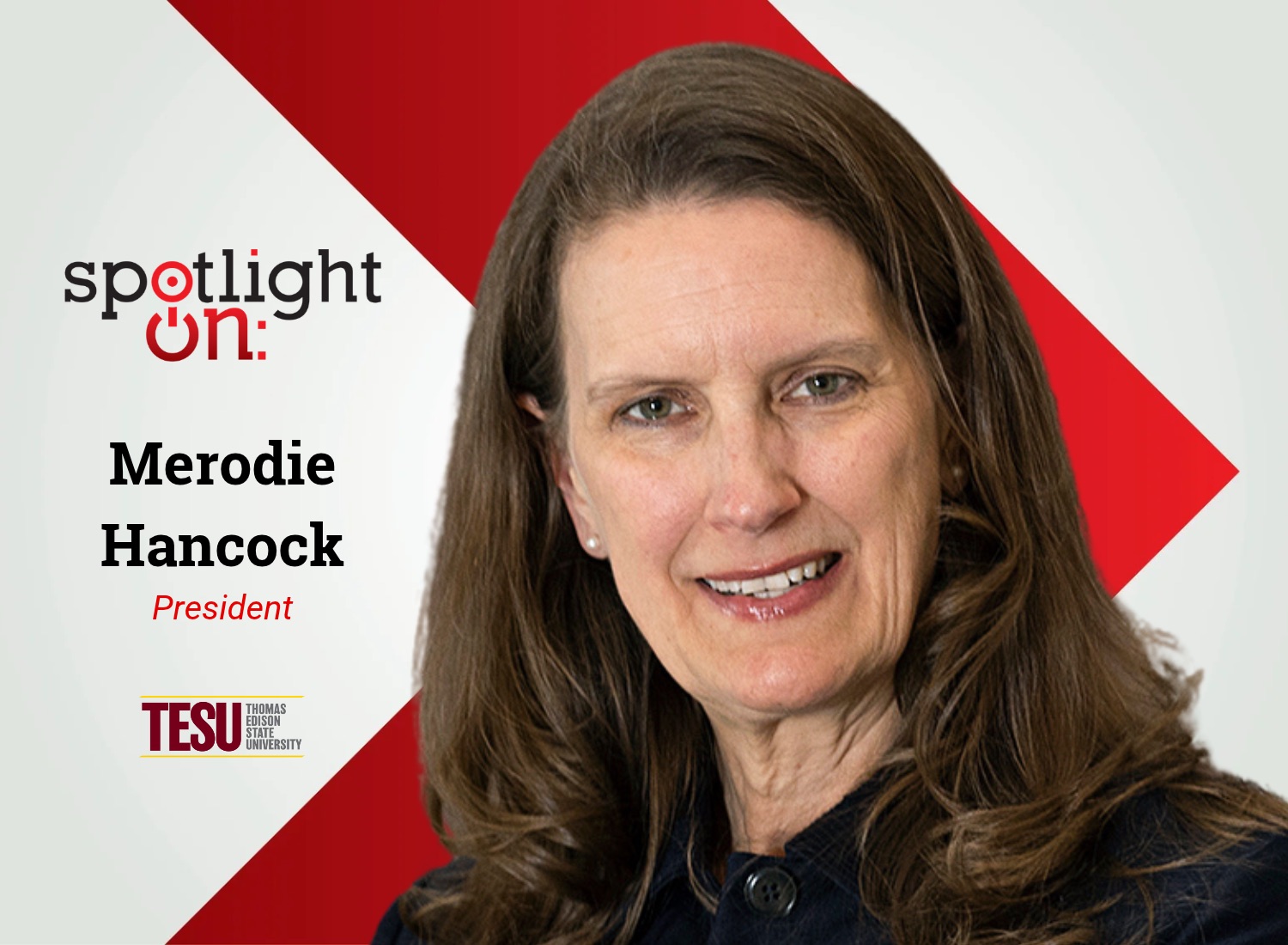

Steve Latham, Co-Founder & CEO, GivingIQ
 Invest: spoke with Steve Latham, co-founder and CEO of GivingIQ, about helping nonprofits expand fundraising through non-cash giving. “By removing the friction of gifting appreciated assets, we can unlock billions in new funding for nonprofits of all sizes,” Latham said.
What is GivingIQ, and what led to its creation?
GivingIQ is a company we started about six years ago with a singular mission: to help nonprofits diversify and grow funding by making it easy for supporters to donate appreciated assets, such as stocks, mutual funds, cryptocurrency, donor-advised funds, and IRA gifts. By removing the friction of gifting appreciated assets, we can unlock billions in new funding for nonprofits of all sizes.
How has the company evolved as more donors look for tax-efficient, non-cash ways to give?
We started as DonateStock, targeting the biggest untapped opportunity, which is appreciated securities, including stocks, mutual funds, ETFs, and bonds. It is much more tax-advantaged to donate appreciated securities than cash, as the donor can avoid capital gains tax and itemize the charitable gift. Nonprofits also benefit from larger pre-tax gifts, which helps them raise more and build deeper donor relationships.
Building on our success with securities, we launched products for donating crypto and donor-advised funds, and we are launching a product for IRAs in coming months. What started as an idea is now the industry leader with almost 5,000 nonprofit customers and $100 million in gifts processed to date. Our vision is to surpass $1 billion in 2030.
How are nonprofits adapting to non-cash giving, and where do you still see barriers to wider adoption?
Operationally, it is pretty easy. A nonprofit can put our widget on its site with a snippet of code that creates an intuitive digital giving experience. What used to take hours – requesting information, completing paperwork, and manually coordinating the transfer of assets – can now be done in five minutes on a nonprofit’s website.
The bigger challenge is that our nonprofit customers are overwhelmed and understaffed. They tend to be slow adopters because they have small teams with a wide range of responsibilities and a wide range of tools and vendors to manage. One of the reasons we expanded beyond stock was to help nonprofits do more with less. Many have one provider for stock gifts, another for donor-advised funds, another for crypto, another for planned giving, another for CRM, and another for online fundraising. By offering multiple fundraising tools in one place, we can reduce vendor fatigue while helping them be more efficient.
They still have to do a little bit of work. They need to learn the basics, implement the buttons on their site, and add content to educate donors on their website and in donor communications. If they do that, they can have a lot of success. Our two biggest competitors are inertia and complacency.
How does Houston and the broader Texas market support your growth?
Houston is a great place to be, and I choose to be here. I grew up in Oklahoma and lived in Dallas, Boston, and New York. What I like about Houston is the culture, the people, and the diversity, not just of backgrounds but of thought and perspective. You get better outcomes when people with different perspectives work together toward common goals.
It is also open-minded. If you have talent, do good work, and create value for others, you can work with anybody in the city. It is a meritocracy, and it still has that wildcatter mentality. It is a diversified economy with a high quality of living, a relatively low cost of living, green space, arts, and culture. It may not be the prettiest city in the world, but it is a great place to live and work. It is also an entrepreneurial city with a supportive community, infrastructure, and a lot of helpful, supportive people.
What role are financial advisors and wealth managers playing in shaping how people give?
They are important stakeholders in many decisions, especially for investors who have advisors and are not self-directed investors. There’s a growing need for advisors to incorporate philanthropic planning in their practice, and they are best positioned to help clients with tax-advantaged giving strategies. But they often see stock gifting as a double-edged sword. They know it is best for their clients, but it is a lot of work for them. They have to fill out paperwork and go back and forth with the nonprofits, and they do not get paid for that work.
One of the things we have done is streamline the process for advisors, brokers, and wealth managers by removing much of that busy work. In 90 seconds, they can get the instructions they need to transfer securities to any charity. We also contact the nonprofit on their behalf and handle the administrative work. What normally takes an hour or two now just takes a few minutes. Last year, gifts from financial advisors grew about 400% over the previous year, and the share of gifts initiated by advisors rose from 20% to 60%.
We’re now educating advisors on how to incorporate charitable planning and execution into their practice. By doing so, they can deepen client relationships, increase loyalty, and generate referrals. With the large wealth transfer underway and with younger generations having different views about both investing and charitable giving, charitable strategy must be part of the planning conversation.
How are transparency and impact shaping donor and nonprofit behavior?
One reason there are fewer people giving to charities today is that there is less trust. People question whether their money is really being put to good use.
This is why transparency and the ability to demonstrate impact are critical. Organizations that do a good job of demonstrating results tend to have much higher retention and more loyal donors. If they can involve donors and let them know the impact of their donation, that makes a difference.
What policy changes, tax considerations, or broader trends are influencing your work right now?
Changes from the OBBBA are both positive and negative. On one hand, 50% more taxpayers will itemize deductions due to the higher cap on SALT deductions. Moreover, every taxpayer can now deduct $1,000 in charitable gifts, even if they take the standard deduction. On the other hand, there is now a 0.5% floor on charitable giving that is not deductible. The net effects are that the broader population has an incentive to give, while affluent donors will not be able to deduct the full amount of their donations.
We are also seeing growth in awareness and adoption of donor-advised funds, which offer great tax benefits to donors.
In the bigger picture, nonprofits continue to face headwinds and must become more creative. Historically, they have relied heavily on cash donations and government grants – both of which are scarce these days. The bottom line is that organizations must diversify sources of funding, and non-cash assets represent billions in untapped funding. This is a tailwind for GivingIQ.
Inflation and economic uncertainty are headwinds for most donors. At the same time, investment portfolios have never looked better, leaving many feeling cash-poor but asset-rich.
What are your top priorities for GivingIQ over the next few years, and where do you see the biggest opportunity?
Our priorities are centered on education and expansion. We’ll continue to educate and enable nonprofits, but we’re also shifting our attention to helping donors give smarter, whether through appreciated assets, IRAs, crypto, or donor-advised funds.
We’re also working more closely with financial advisors and wealth managers. We are helping them better support their clients while saving time and effort when executing stock transfers.
Is there anything else you would like to add?
Nonprofits are all facing challenges right now. In Houston, there is significant wealth that could be directed toward charitable giving in ways that would not materially impact donors’ financial positions. Fundraisers spend most of their time chasing donors’ scarcest assets (cash). By inviting donors to share their wealth and making it easy to do so, they can build deeper relationships and have greater success.