

After the midterms, what’s next for taxes and trade?

Key points:
- • Democrats won both chambers of Congress. Federal funding runs through Dec. 11, before the new majority takes office.
- • Florida is narrowing assessment growth for commercial property. North Carolina lawmakers still have to write the rules for local property tax levies.
- • Texas companies have until Jan. 12 to make their case ahead of the next North American trade review.
 November 2026 — Democrats won both chambers of Congress in the midterms, and the outgoing Congress faces a Dec. 11 funding deadline before the new majority takes office. That’s the first date on the post-election calendar for businesses tracking research grants, local tax changes, and the next North American trade review.
Join us at caa’s upcoming leadership summits! These premier events bring together hundreds of public and private sector leaders to discuss the challenges and opportunities for businesses and investors. Find the next summit in a city near you!
For business leaders finalizing their 2027 budgets, this election requires a dual focus: preparing for a unified federal pivot while navigating immediate, localized cost adjustments. A Democratic sweep of Congress signals long-term shifts in national spending, but the impending December funding cliff means executives relying on federal dollars, such as research grants or infrastructure matches, must build short-term liquidity buffers into their Q1 forecasts.
At the same time, state-level ballot initiatives and gubernatorial shifts are actively rewriting the operational baseline across key markets. From tightening property tax revenues and capital project timelines in Florida and North Carolina to evolving cross-border trade priorities in Texas, a successful multimarket strategy for 2027 requires stress-testing business ledgers against both top-down federal delays and bottom-up state tax changes.
The December funding decision
Democrats picked up key Senate seats in Texas and North Carolina, where James Talarico beat Ken Paxton, and Roy Cooper defeated Michael Whatley. A short-term extension of federal funding could hand the incoming majority the task of finishing this fiscal year’s spending bills.
The stopgap affects how NIH renews grants. The National Institutes of Health may issue some continuing awards below the amounts it previously indicated. For labs in Boston, Philadelphia and Pittsburgh, the difference between the expected award and the amount NIH actually commits can determine whether a lab fills a position or signs an equipment contract this quarter.
 Property tax relief and the cost of growth
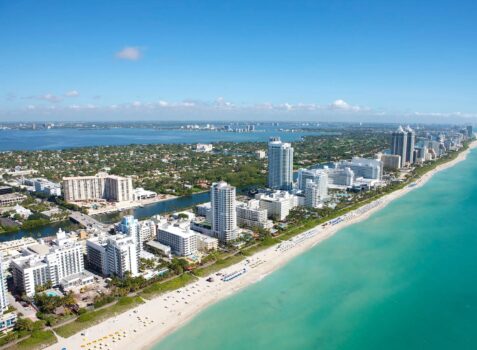
Florida’s Amendment 3 cleared the 60% threshold in unofficial returns. Starting in 2027, it expands the homestead exemption for qualifying owners and cuts the annual assessment growth cap on commercial and rental property from 10% to 5% for non-school taxes. At current rates, Miami-Dade projects about $386 million less in property tax revenue in the budget year beginning October 2027. A developer could see a slower rise in taxable value and still face a longer wait for a road or drainage project if the county revises its capital plan.
Read more: Florida property tax fight tests homeowner relief limits
The local ballot can reach a project more directly. In Miami Beach, voters rejected a ground lease amendment, according to unofficial returns, that would have allowed about 47,000 square feet of offices above a garage near Lincoln Road.
North Carolina voters backed two tax amendments in unofficial returns. The 3.5% income tax ceiling sits just above the 3.49% personal rate already scheduled for 2027. The bigger variable for a project in Charlotte or the Triangle is how lawmakers limit growth in local property tax levies, including whether they make room for revenue from new construction.
New governors and the next trade review
Florida Gov.-elect Byron Donalds has proposed changes to the state’s hurricane catastrophe fund. Property owners will be watching whether any reduction in insurers’ reinsurance costs reaches their premiums. In Texas, Gina Hinojosa defeated Gov. Greg Abbott. Her first budget will give manufacturers and logistics firms a clearer view of her priorities for freight infrastructure and investment incentives.
The U.S.-Mexico-Canada Agreement remains in force after Washington declined to extend its term in July. The U.S. Trade Representative is taking comments through Jan. 12 ahead of the 2027 review. Houston exporters, Dallas-Fort Worth distributors and San Antonio manufacturers can put a dollar figure on a customs delay or sourcing rule for negotiators. In the meantime, the supplier contract determines who absorbs a change in duties between the quote and the shipment.
Want more? Read the Invest: reports.