Providers expand healthcare access closer to home

Key points:
- • Local specialty services and virtual appointments are expanding healthcare access closer to home.
- • Remote monitoring and coordinated referrals connect patients with care across hospitals, clinics, and home settings.
- • Coverage gaps, costs, and transportation barriers persist alongside investments in new services.
 November 2026 — Hospitals, insurers, and specialty practices are expanding healthcare access by adding services in rural communities, offering primary care outside standard office hours and monitoring patients at home. These efforts target the travel, scheduling, and follow-up barriers that can keep patients from receiving care even when they have insurance.
Join us at caa’s upcoming leadership summits! These premier events bring together hundreds of public and private sector leaders to discuss the challenges and opportunities for businesses and investors. Find the next summit in a city near you!
Across markets, providers, insurers, and health systems are emphasizing local specialty services, virtual care, and coordination across sites. The Commonwealth Fund’s 2026 global comparison found that the United States spent 18% of gross domestic product on health care in 2024, nearly twice the OECD average, but had the lowest rate of primary care physicians per 1,000 people among the countries with available data in the analysis.
Insurance coverage and affordability remain barriers to healthcare access. About 28 million Americans, or 8.3% of the population, lacked health insurance in 2025, according to the CDC’s National Center for Health Statistics. Efforts to make care more affordable for patients can shift costs to employers or government rather than reduce overall spending, the American Hospital Association argues.
Gaps in communication between providers can also complicate care across locations. Only about one-quarter of U.S. primary care physicians said they usually received a specialist’s report within a week of a patient’s visit, according to a Commonwealth Fund analysis of its 2025 physician survey. About one-quarter also identified the time spent coordinating specialist referrals as a major problem for their practice.
Invest: and Focus: spoke with health care leaders across the country about expanding local services, coordinating care across facilities and offering virtual appointments. Those interviewed include Ralph Castillo, CEO of Morgan Medical Center, a critical access hospital in Georgia; Ravish Sachar, system chief of heart and vascular services at UNC Health in North Carolina; Dalton Humphries, South Texas general manager and market growth leader at Cigna Healthcare; and Scot Ackerman, medical director of Ackerman Cancer Center in Northeast Florida.
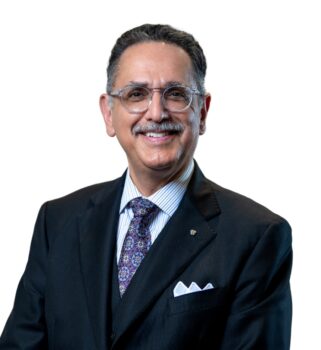 Ralph Castillo, CEO, Morgan Medical Center
Our goal is to be the community’s first stop for healthcare. We are here to serve the more than 22,000 residents of Morgan County. While no hospital can be everything to everyone, we can provide a broad range of high-quality care close to home. And when a patient’s needs exceed our capabilities, we have the expertise to stabilize, coordinate, and transfer them to the appropriate level of care. At the end of the day, our commitment is simple: provide the right care, at the right time, as close to home as possible.
Today, we transfer more than 60 patients each month by ambulance for cardiac-related care. We will never eliminate all transfers, nor should we. Some patients will always require a higher level of care. However, having a cardiologist on-site, combined with the addition of cardiac CT and MRI capabilities, will allow us to diagnose and manage more patients closer to home.
 Ravish Sachar, System Chief, Heart and Vascular Service Line, UNC Health
Our goal is to create a seamless experience with the patient at the center, providing the best and most efficient care as locally as possible. To accomplish that, we created service lines that align the different parts of the system around a patient’s journey. Rather than requiring patients to navigate everything themselves, we want to coordinate the providers, facilities, and processes involved in their care.
We care for patients throughout the state, but access is not equal in every community. We want a network of hospitals and clinics that can deliver the best care possible in each area, supported by the physicians, infrastructure, laboratories, and facilities those communities need.
For patients who have already been hospitalized, connected monitoring can continue at home. A person with heart failure, for example, may track their weight and transmit that information directly to the health system. If the weight increases beyond an expected level, an AI-based protocol can issue an alert and prompt someone to contact the patient. That allows us to address the problem before it becomes serious enough to require hospitalization. Implantable devices can similarly provide continuous information before patients experience symptoms.
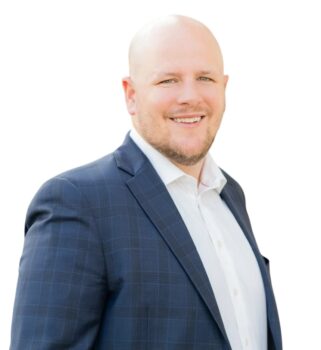 Dalton Humphries, South Texas General Manager and Market Growth Leader, Cigna Healthcare
Access also looks different for everybody. Someone working nontraditional hours may not be able to visit a physician during a standard workday. We have developed digital resources through MDLIVE that allow individuals to build relationships with primary care providers virtually. That helps ensure care does not go unaddressed.
Through MDLIVE, members can establish ongoing relationships with primary care providers, access laboratory services, and maintain continuity of care virtually. That provides consistency while expanding access.
Cigna has leaned into virtual offerings and partnered with organizations to provide support that meets members where they are. We have also layered in services such as 24/7 crisis care because behavioral health needs are not always tied to a scheduled appointment. Sometimes support is needed immediately, and we want to help members navigate to the right resources and care.
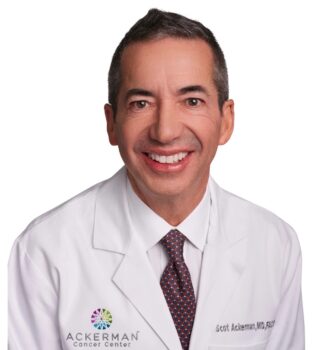 Scot Ackerman, Medical Director, Ackerman Cancer Center
Over the past year, we expanded our reach by opening a new PET/CT imaging center in World Golf Village and launching a clinic in Macclenny, a more rural area of the region. These expansions reflect our commitment to ensuring that patients across Northeast Florida have convenient access to comprehensive, high-quality cancer care close to home.
Our priority is continued growth and expansion so we can ensure that patients across Northeast Florida have appropriate access to care. The region is growing, and as the population increases, we need to make sure people continue to have access to high-quality cancer care.
That is why we have expanded into areas such as World Golf Village and Macclenny. We want to continue providing services in a way that meets the needs of the region and helps patients receive care close to where they live.
We have a strong team of social workers, nurses, and staff who help with areas such as diet and transportation barriers to care. Our social workers help patients find appropriate insurance and connect them with the resources they need, so they can receive appropriate care.
Want more? Read the Invest: reports.